Your Notifications
All done, no notifications

Ballon Valvuloplasty Cost in Turkey

USD 3000 - USD 4000

Affordable World-class Treatment - Accredited Hospitals - Free Treatment Plan in 24 Hrs

1
Days in Hospital
9
Post-Hospital
85-95%
Success Rate
JCI/ISO 100,000+ Patients 24X7 Coordinator Visa & Travel handled
Your all-in-one medical travel platform for treatment, recovery & care.

Get Your Personalised Treatment Plan in Just 24 Hours.

Share your details to receive a personalised treatment plan, estimated costs, hospital recommendations, and expert guidance, “completely free.”

Required | alphabets and spaces
Required | A valid, working email address
Required | A valid contact
Connect with an Expert

Your information is protected with HIPAA-compliant security standards. We only share your details with hospitals after your consent.

Estimated Treatment Cost
USD 3000 - USD 4000
All-inclusive • Hospital + Medications + Recovery Assistance + Dedicated Care Coordinator

International Quality. Affordable Care.

How Much Does Balloon Valvuloplasty Cost in Turkey?

The cost of balloon valvuloplasty in Turkey ranges between USD 3000 - USD 4000 depending on the patient's condition. Balloon valvuloplasty is used to treat narrow valves of the heart to improve heart rate. The patient is symptomatic and complains of breathlessness and fatigue.

The cost of balloon valvuloplasty depends on various factors like the age of the patient, severity of the condition and technique of the procedure. Plan your treatment by discussing various cost options with your healthcare provider.

Factors Influencing the Cost of Balloon Valvuloplasty in Turkey

  • Age of the patient: Elderly patients usually have poor prognoses which adds the cost to the treatment. Young patients can have better results thus reducing the overall cost of the patient.
  • Severity of the patient: Abnormal valve conditions like calcification, underlying diseases and complete blockage can add to the cost of treatment.
  • Pre-operative evaluations: Stenosis of valves associated with underlying conditions like diabetes, hypertension and other cardiovascular diseases require additional diagnostic tests.
  • Health facility: Choice of hospital, location, transportation and logistics can play an important role in deciding the cost of the procedure.
  • Type of the treatment: Advance treatment requires additional diagnostic tests and experts for the procedure. Advanced techniques are expensive and add cost to treatment.
  • Other miscellaneous things that are usually not calculated earlier. Take complete guidance from experts and your healthcare provider.

What's included in your Ballon Valvuloplasty quote?

Comprehensive diagnostics
ECG, Echocardiogram, Cardiac catheterization assessment, blood tests, and pre-procedure evaluation
Interventional cardiology team
Interventional cardiologist, cardiac anesthesiologist, imaging specialist, and specialized cardiac nurses
Hospital stay + ICU as needed
Cardiac monitoring, inpatient care, and nursing support during recovery
Country stay monitoring
Cardiology reviews, imaging, and long-term valve monitoring
Visa & medical-visa invite letter
Airport pickup & transfers

Cost of Ballon Valvuloplasty in Major Cities of Turkey

City Cost (USD)
Ankara $3,000 – $4,000 Explore More
Antalya $3,000 – $4,000 Explore More
Bursa $3,000 – $4,000 Explore More
Fethiye $2,700 – $3,600 Explore More
Istanbul $3,000 – $4,000 Explore More
Izmir $3,000 – $4,000 Explore More
Kocaeli $3,000 – $4,000 Explore More

Ballon Valvuloplasty - Turkey Vs the World

$0 - $0
$2k - $3k
$3k - $4k
$5k - $8k
$5k - $10k
$7k - $15k
$14k - $20k
$14k - $26k
$15k - $17k
$15k - $28k
$18k - $28k
$23k - $46k
Dr. Vijita Jayan
Author

BPT, MPT (Neuro)

18 Years of Experience

Last Reviewed - June 2026

With over 18 years of distinguished clinical experience, Dr. Vijita Jayan is a highly accomplished Clinical Director and Rehabilitation Specialist, renowned for her expertise in neuro-rehabilitation, functional recovery, and mobility-dependent case management. Her extensive practical knowledge enables her to design and implement individualized, evidence-based rehabilitation protocols that consistently yield measurable patient outcomes. A prolific researcher and academic writer, she has authored numerous peer-reviewed articles and research papers, significantly advancing the field of rehabilitative medicine. The recipient of multiple prestigious accolades, Dr. Jayan is widely regarded as one of the foremost authorities in Physical Medicine and Rehabilitation, continually shaping neuro-rehabilitative care through research, innovation, and clinical excellence.
View More
Dr. Naresh Kumar Goyal
Reviewer

Cardiologist

21 Years of Experience

Last Reviewed - June 2026

Dr. Naresh Kumar Goyal is highly trained as a cardiologist with exposure in virtually all aspects of cardiology. He qualified with an MD in internal medicine in 1999 from SMS Medical College, Jaipur, and served in the Cardiology Department as an honorary resident. From this stage, he also started with training in the temporary pacing of the pacemaker as well as interventional services.
View More

Need Help Choosing the Right Treatment? Talk to a Medical Advisor

Our dedicated Medical Patient Advisors are here to answer your questions, help you compare treatment options, estimate costs, and guide you through every step of your healthcare journey.

15 min
Average response time

Serving Patients Worldwide in Multiple Languages.

Balloon valvuloplasty is a simple cardiac procedure to treat narrowed valves like mitral, aortic and pulmonary. This procedure is done through a catheter inserted in veins near the groin. There are various types of valvuloplasty for atrial, mitral and pulmonary. Each improves the blood to the heart. It is done in mild to severe cases where medicine fails to provide a cure for the condition. Balloon valvuloplasty is the best treatment option for a longer life. Patients often experience breathlessness, fatigue and breathlessness which can hamper the day-to-day life of a person leading to certain complications like heart attack and pulmonary infections.

To prevent complications, balloon valvuloplasty is the treatment of choice for patients suffering from stenosis of valves. Unlike medications which tend to relieve symptoms only, surgical methods prolong the life of a person as well. This is the reason why many clinicians prefer it.

A minimally invasive technique called balloon valvuloplasty is used to treat valve stenosis. It most frequently narrows the tricuspid, mitral, pulmonary, or aortic valves. A constricted heart valve is widened to increase blood flow and alleviate symptoms. It is commonly applied to adults unsuitable for valve surgery or children with congenital valve abnormalities.

You should see a cardiologist if you suffer from symptoms like palpitations, shortness of breath, exhaustion, chest pain, or fainting, especially when exercising. Early assessment aids in determining whether balloon valvuloplasty is a suitable and prompt intervention if you have been diagnosed with valvular stenosis, particularly moderate to severe narrowing. This process is frequently suggested when drugs are unable to control symptoms adequately.

To determine the extent of valve narrowing, you will have diagnostic procedures performed before the procedure, including echocardiogram, electrocardiogram, chest X-ray, and potentially cardiac catheterisation. Additionally, medication evaluations and blood tests are performed. It is typically necessary to fast for six to eight hours before the surgery. Your care team will review your medical history in detail and provide pre-procedure instructions.

  • Access: To reach the constricted valve, a deflated balloon catheter passes through an artery or vein, usually in the groin.
  • Dilation: After the balloon is positioned properly, it is inflated to widen the valve and increase blood flow.
  • Removal & Monitoring: Following the deflation and removal of the balloon, the patient is observed for several hours.

Typically, the process takes one to two hours. Most patients only stay in the hospital for one day, and depending on their general health and reaction to treatment, they usually recover completely in a week.

  • Bleeding or bruising at the catheter site
  • Valve regurgitation (leakage)
  • Blood vessel damage
  • Arrhythmias

Balloon valvuloplasty can greatly enhance valve function and lessen symptoms like exhaustion and dyspnea by delaying the need for valve replacement. It improves the quality of life and allows patients to resume everyday activities quickly after recovery.

After the surgery, patients are observed for a few hours. Usually, discharge takes place in a day. There may be some minor discomfort at the catheter site. Echocardiograms and clinical evaluations are part of follow-up visits. Activity limitations are typically temporary.

Although success rates differ depending on the kind of valve, they are often high, particularly for children and young people. Many patients report instant symptom relief and enhanced valve function after the treatment.

85-95%

Successful improvement in valve opening and blood flow

1-2 days

Typical hospital stay after the procedure

3-6Months

Recovery period before returning to normal daily activities
Explore Hospitals ( 37 )

Istanbul, Turkey

JCI

Ankara, Turkey

JCI

Istanbul, Turkey

4.2 - 2 reviews · 113+ Beds · 245+ Procedures
ISO JCI

Istanbul, Turkey

JCI NABH

Istanbul, Turkey

JCI

Fethiye, Turkey

JCI

Get Your Ballon Valvuloplasty
Plan in 24 hrs.

Our experienced Medical Patient Advisors have supported 100,000+ patients across 120+ countries with personalised treatment plans, hospital recommendations, cost estimates, and travel assistance, all free.

HIPAA-Compliant Data SecurityShared Only with Your Consent

Free Consultation No Obligation Personalized Treatment Plan Response Within 24 Hours

Required | alphabets and spaces
Required | A valid, working email address
Required | A valid contact

Your medical info has is HIPAA-style confidential. We never share with hospitals without your consent.

Process Involved for Ballon Valvuloplasty in Turkey

  • Assessment: Imaging tests (echocardiography, cardiac MRI, cardiac catheterisation) determine the valve anatomy and severity of the lesion.
  • Pre-Procedure Preparation: This involves the patient fasting, medication changes (particularly on blood thinners), and planning for sedation/anesthesia.
  • The Procedure: Under X-ray and echocardiographic guidance, a balloon catheter is positioned across the valve and inflated to widen the valve opening.
  • Post-Procedure Monitoring: Symptoms are monitored for possible alterations in rhythm, valve functioning, and bleeding.
  • Follow up: The patient is to be followed up regularly with echocardiograms to assess the functioning of the valve over time.
  • Mitral valve stenosis (especially rheumatic origin)
  • Aortic valve stenosis (temporary measure before TAVR or surgery)
  • Pulmonary valve stenosis (especially in children)
  • Rarely, tricuspid valve stenosis
  • Balloon Mitral Valvuloplasty (BMV): Usually, the balloon will separate fused leaflets of the valve for rheumatic mitral stenosis.
  • Balloon Aortic Valvuloplasty (BAV): Primarily for aortic valve stenosis in patients not immediate surgical or TAVR (Transcatheter Aortic Valve Replacement) candidates.
  • Balloon Pulmonary Valvuloplasty: Commonly done in children with congenital pulmonary stenosis.
  • The age of the patient, the activity level, and the ability to take anticoagulation are factors.
  • Mechanical valves (long-lasting valves but require the patient to take blood thinners).
  • Tissue valves (less durable but safer for those patients who cannot take anticoagulants).
  • Bioprosthetic (Tissue) Valves: Made from animal tissue, they are better suited for older patients so they do not have to be on blood-thinning medication for life.
  • Mechanical Valves are made of synthetic material, are highly durable, and require the patient to take anticoagulation therapy for life.
  • Cardiac Catheterization
  • Valve Replacement Surgery
  • Pacemaker Insertion
  • Less invasive and carries a lower risk than open-heart surgery.
  • Immediate symptomatic relief with improved breathing and improved activity levels.
  • Short hospital stay (patient is discharged usually within 1-2 days).
  • Improvement of life quality, especially in patients not candidates for surgery.
  • Bridge to Surgery: Stabilizes critically ill patients for some form of ultimate treatment.
  • Interventional Cardiologist:
  • Cardiologist:
  • Rehabilitation Specialist
  • Fill out the inquiry form: Fill out the form to provide us with the relevant information about your condition.
  • Consult with Our Healthcare Expert: One of our qualified specialists will contact you for a consultation.
  • Receive a Detailed Treatment Plan: After examining your situation, we will provide you with a detailed treatment plan that includes expert views and cost breakdowns for various choices.
  • Choose your preferred option: Choose the treatment option that suits you the best.
Jenny Wilson
Your Dedicated Medical Patient Advisor
Treatment planning • Hospital coordination • Multilingual support • Response within 15 minutes.
Our Services to Better your Experience

Opinion & Option

We submit the most accurate opinion and options from one or more countries for your review

Consult Privately

Consult with a certified specialist privately on our telemedicine platform even before you decide to travel

Logistics

We handle flights, visas, transfers, and accommodation—so you can focus on your health.

Recovery

Our In-house rehabilitation service packages to better your recovery and treatment outcome

Patient Stories

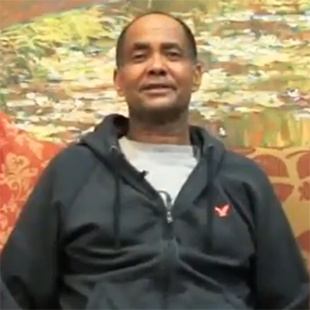
Mr Hailu Kassa : CABG Surgery
Mr Hailu Kassa
Mr Hailu Kassa : CABG Surgery

Mr. Hailu Kassa underwent Coronary Artery Bypass Surgery in Vejthani Hospital, Thailand under the supervision of Dr. Piya, Cardio-Thoracic Surgeon

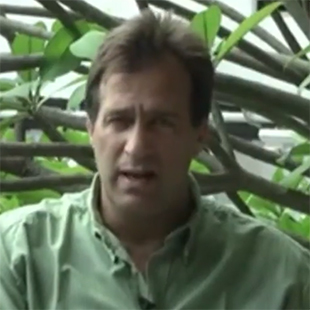
Rod Schaubroeck
Rod Schaubroeck
Rod Schaubroeck : Double Valve Replacement

Patient Testimonial: Rod Schaubroeck from United States (U.S.A) underwent heart valve replacement at Fortis Hospital, India

Not Sure About Your Treatment Plan? Get a Free Second Opinion

Have your reports reviewed by independent oncology experts to help you make a confident treatment decision, all online within 48 hours.

Upload Your Reports
Free second opinion on your CAR-T plan