Our Platform Features

Dr. Hasan Mutlu
Medical Park Antalya Hospital, Turkey, Antalya
Radiation oncologist • 20 years experience
Turkish EnglishDr. Hasan Mutlu is a specialized Medical Oncologist in Turkey. And one of the most sought after medical specialists in Antalya, Turkey. The doctor has over 20 Years of experience and is associated with Medical Park Antalya Hospital.
Qualifications :
- Hacettepe University - English - Medical Faculty - Medical Education
- Akdeniz University Medical Faculty - Internal Medicine - Specialization
- Akdeniz University Medical Faculty - Medical Oncology - Specialization
Hospital Address :
Fener, Medical Park Antalya Hastanesi, Tekeliolu Caddesi, Muratpaa/Antalya, Turkey

Dr. Surachat Chakphiririsuk
Bangkok Hospital, Thailand, Bangkok
Radiation oncologist • 43 years experience
Thai EnglishDr. Surachat Chakphiririsuk is a specialized Medical Oncologist in Thailand. And one of the most sought after medical specialists in Bangkok, Thailand. The doctor has over 40 Years of experience and is associated with Bangkok Hospital.
Association and Memberships Dr. Surachat Chakphiririsuk is part of:
- American Society of Clinical Oncology
Qualifications :
- Internal Oncology , Medical Council , Faculty of Medicine Siriraj Hospital Mahidol University, 2004
- Internal Medicine , Faculty of Medicine Siriraj Hospital Mahidol University, 1986
- Doctor of Medicine (MD) , Faculty of Medicine Siriraj Hospital Mahidol University (Medical degree), 1980
Hospital Address :
Bangkok Dusit Medical Services, Nong Prue, Bang Phli, Samut Prakan, Thailand
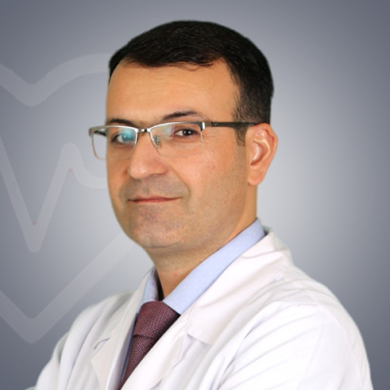
Dr. Ramazan Yildiz
Medical Park Elazig Hospital, Turkey, Elazig
Radiation oncologist • 29 years experience
Turkish EnglishDr. Ramazan Yildiz is a specialized Medical Oncologist in Turkey. And one of the most sought after medical specialists in Elazig, Turkey. The doctor has over 18 Years of experience and is associated with Medical Park Elazig Hospital.
Qualifications :
- Haccetepe University Faculty of Medicine (English)
- Inonu University Faculty of Medicine -Inner Diseases
- Gazi University Faculty of Medicine -Medical Oncology
Hospital Address :
Olgunlar, Elazig Medical Park Hospital, Atat
Do you know?
Using MediGence’s Telemedicine Platform, you can book a personalized video consultation with renowned doctors around the world

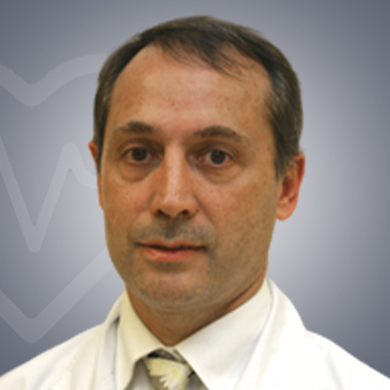
Dr. Joan Carles Galceran
Centro Medico Teknon, Spain, Barcelona
Radiation oncologist • 34 years experience
Dr. Joan Carles Galceran is a specialized Medical Oncologist in Spain. And one of the most sought after medical specialists in Barcelona, Spain. The doctor has over 25 Years of experience and is associated with Centro Medico Teknon.
Association and Memberships Dr. Joan Carles Galceran is part of:
- Member of the American Association of Clinical Oncology (ASCO)
- European Association for Medical Oncology (ESMO).
- Spanish Society of Medical Oncology (SEOM).
Certifications :
- He completed his studies by obtaining the European Certificate in Medical Oncology in Vienna in November 1996.
Qualifications :
- Dr. Joan Carles Galceran graduated in Medicine and Surgery at the University of Barcelona in 1987.
- Ph.D., with cum laude, in 1992 from the Autonomous University of Barcelona.
Hospital Address :
Centro M
What is the medical expertise of Dr Joan Carles Galceran?
- With over 25 years of experience, Dr Joan Carles Galceran is a leading oncologist specializing in sarcoma, kidney cancer, bladder cancer, and prostate cancer treatment. His expertise includes immunotherapy and chemotherapy.
- Dr Carles is associated with noteworthy organizations such as the European Society for Medical Oncology(ESMO), the Spanish Society of Head and Neck Tumors(CTT), the Spanish Sarcoma Research Group(GEIS), the American Society of Clinical Oncology(ASCO) and the Spanish Association of Medical Oncology(SEOM). He is the Secretary and Co-founder of the Spanish Oncology Genitourinary Group(SOGUG).
- In 1996, he obtained the European Certificate in Medical Oncology in Vienna.
- Dr Carles has more than 70 peer-reviewed papers to his credit. Some of his publications include:
- Carles J, Alonso-Gordoa T, Mellado B, Méndez-Vidal MJ, et al. Radium-223 for patients with metastatic castration-resistant prostate cancer with asymptomatic bone metastases progressing on first-line abiraterone acetate or enzalutamide: A single-arm phase II trial. Eur J Cancer. 2022 Sep;173:317-326.
- Suarez C, Marmolejo D, Valdivia A, Morales-Barrera R, Gonzalez M, Mateo J, Semidey ME, Lorente D, Trilla E, Carles J. Update in collecting duct carcinoma: Current aspects of the clinical and molecular characterization of an orphan disease. Front Oncol. 2022 Oct 4;12:970199.
- Agarwal N, Azad A, Carles J, et al. A phase III, randomized, open-label study (CONTACT-02) of cabozantinib plus atezolizumab versus second novel hormone therapy in patients with metastatic castration-resistant prostate cancer. Future Oncol. 2022 Mar;18(10):1185-1198.
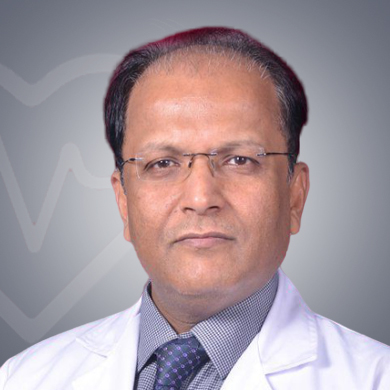
Dr. Manav Rakshak
Primus Super Speciality Hospital, India, Delhi
Radiation oncologist • 32 years experience
Hindi EnglishDr Manav Rakshak is one of the top Medical Oncologist in Noida, India. The medical specialist holds over 20 years of experience and is associated with Primus Super Speciality Hospital.
Association and Memberships Dr. Manav Rakshak is part of:
- Delhi Medical Council
Qualifications :
- MBBS
- MD
Hospital Address :
Primus Super Speciality Hospital, Chanakyapuri, New Delhi, Delhi, India
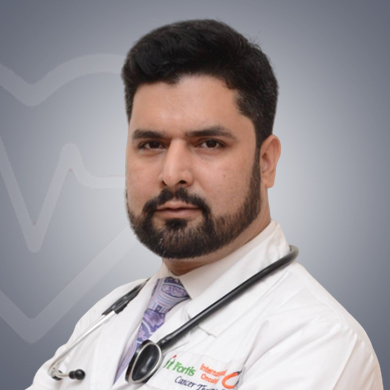
Dr. Mudhasir Ahmad
Lifecare Hospital, Musaffah, United Arab Emirates, Abu Dhabi
Radiation oncologist • 15 years experience
English HindiDr. Mudhasir Ahmad is one of the best Medical Oncologist. The medical specialist holds over 10 years of experience and was associated with Fortis Hospital.
Dr. Rajesh Jindal
Fortis Hospital, India, Kolkata
Radiation oncologist • 29 years experience
Hindi EnglishDr Rajesh Jindal is one of the most sought after Medical Oncologist in Kolkata, India. The medical specialist holds over 26 years of experience and is associated with Fortis Hospital.
Qualifications :
- Bachelor of Medicine and Bachelor of Surgery (MBBS ), April 1984
- Doctor of Medicine (MD) Radiotherapy, April 1987
Hospital Address :
Fortis Hospital & Kidney Institute, Dover Terrace, Ballygunge, Kolkata, West Bengal, India
Dr T Raja is one of the best Medical Oncologist in Chennai, India. The doctor holds over 24 years of experience and is associated with Apollo Hospital.
Association and Memberships Dr. T Raja is part of:
- Indian Medical Association (IMA)
Qualifications :
- MBBS - Madurai Kamaraj University, 1988
- MD - Pediatrics - Gujarat University, India, 1993
- DM - Oncology - Gujarat University, India, 1997
Hospital Address :
Apollo Hospital Greams Road Chennai - Best Hospital in Chennai, Greams Road, Thousand Lights West, Thousand Lights, Chennai, Tamil Nadu, India
Dr. Kuraparthy Sambasivaiah
Star Hospitals, India, Hyderabad
Radiation oncologist • 25 years experience
Telugu EnglishDr Kuraparthy Sambasivaiah is one of the most skillful Medical Oncologist in Hyderabad, India. The clinician holds over 22 years of experience and is associated with Star Hospitals.
Certifications :
- Certification in DM (Medical Oncology) â Cancer Institute, Adyar â Chennai
- Fellowship / Additional Training at ICRETT, International Centre for Cancer Immunotherapy and Cell Therapies, Tel Aviv â Israel
- Fellowship / Additional Training at IARC, Cancer Epidemiology
- Visiting Clinician Program in BMT, Mayo Clinic, USA
Qualifications :
- MBBS â Sri Venkateswara Medical College, Tirupati
- MD, Internal Medicine â All India Institute of Medical Sciences (AIIMS), New Delhi
Hospital Address :
Star Hospitals, Banjara Hills, Hyderabad, Telangana, India
Dr. Vivek Belathur
Fortis Hospital, India, Bangalore
Radiation oncologist • 17 years experience
EnglishDr. Vivek Belathur is one of the most skillful Medical Oncologist in Bengaluru, India. The doctor holds over 14 years of experience and is associated with Fortis Hospital.
Association and Memberships Dr. Vivek Belathur is part of:
- European Society of Medical Oncology
Qualifications :
- MBBS
- MD
- DM
Hospital Address :
Fortis Hospital, Sahyadri Layout, Panduranga Nagar, Bangalore, Karnataka, India

Dr. Doctor Nong Ngoc Son
Vinmec Central Park International Hospital, Vietnam, Ho Chi Minh
Medical Oncologist
English
Dr. Azura Deniel
Tawakkal Specialist Hospital, Kuala Lumpur, Malaysia, Kuala Lumpur
Medical Oncologist • 30 years experience
Bahasa English