Browse verified doctors or let our care team help you find the doctor best suited to your condition, treatment goals, and budget.

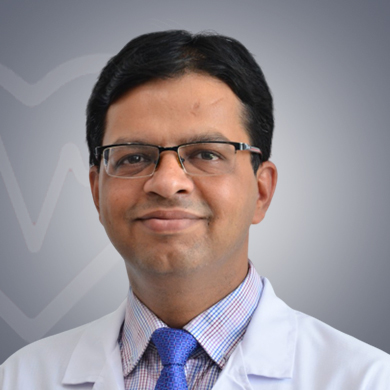
Medanta - The Medicity, India, Gurgaon
Oncologist • 23 years experience
English Hindi
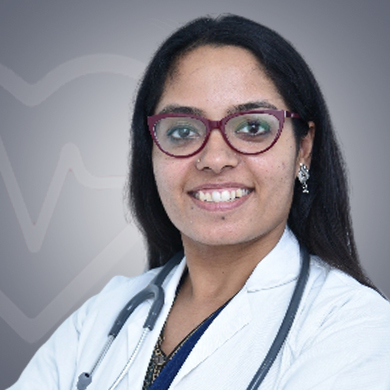
Pushpawati Singhania Research Institute, India, Delhi
Oncologist • 18 years experience
English HindiDr Amit Updhyay is one of the leading Oncologist in New Delhi, India. The doctor holds over 19 years of experience and is associated with Pushpawati Singhania Research Institute.
Association and Memberships Dr. Amit Updhyay is part of:
Qualifications :
Hospital Address :
Pushpawati Singhania Research Institute, Phase II, Sheikh Sarai, New Delhi, Delhi, India
Medical Expertise of Dr. Amit Updhyay

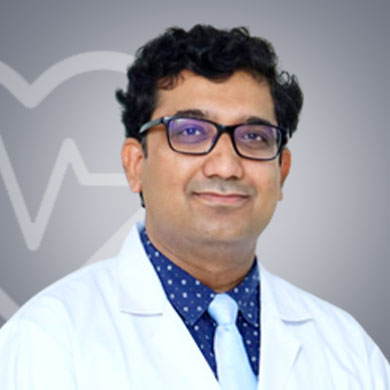
Artemis Health Institute, India, Gurgaon
Medical Oncologist • 18 years experience
English HindiDr Priya Tiwari is one of the best Medical Oncologist in Gurugram, India. The doctor holds over 13 years of experience and is associated with Artemis Health Institute .
Association and Memberships Dr. Priya Tiwari is part of:
Qualifications :
Hospital Address :
Artemis Hospitals, Sector 51, Gurugram, Haryana, India

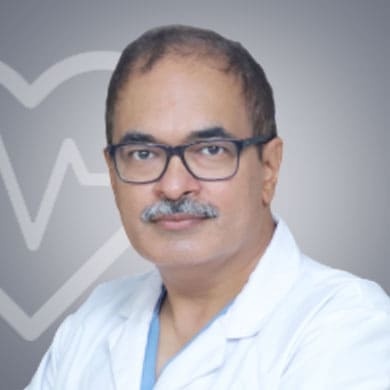
The London Clinic, United Kingdom, London
Medical Oncologist • 13 years experience
EnglishUsing MediGence’s Telemedicine Platform, you can book a personalized video consultation with renowned doctors around the world


The London Clinic, United Kingdom, London
Medical Oncologist • 23 years experience
English Greek
The London Clinic, United Kingdom, London
Medical Oncologist • 21 years experience
English
Shanghai GoBroad Cancer Hospital, China, Shanghai
Pulmonologist and Cancer Specialist • 40 years experience
Chinese English
Zulekha Hospital, Dubai, United Arab Emirates, Dubai
Medical Oncologist • 8+ of experience
English Malayalam Telugu Hindi
Max Super Specialty Hospital, Shalimar Bagh, India, Delhi
Medical Oncologist • 20 years experience
English Hindi

Fortis Hospital, Shalimar Bagh, India, Delhi
Medical Oncologist • 14 years experience
English HindiDr Mohit Agarwal is one of the foremost Oncologist in New Delhi, India. The medical practitioner holds over 17 years of experience and is associated with Fortis Hospital, Shalimar Bagh.
Association and Memberships Dr. Mohit Agarwal is part of:
Certifications :
Qualifications :
Hospital Address :
Fortis Hospital , Shalimarbagh, Shaheed Udham Singh Marg, AA Block, Poorbi Shalimar Bag, Shalimar Bagh, Delhi, India

Hisar Intercontinental Hospital, Turkey, Istanbul
Radiation Oncologist • 16 years experience
English Turkish
Sheba Medical Center, Israel, Ramat Gan
Medical Oncologist • 16 years experience
Hebrew English
The London Clinic, United Kingdom, London
Medical Oncologist • 25 years experience
English
The London Clinic, United Kingdom, London
Medical Oncologist • 28 years experience
English
Beijing GoBroad Hospital, China, Beijing
Oncologist • 35 years experience
Chinese EnglishListed below are some of the top medical oncologists available for online consultation:
Most common procedures performed by medical oncologists are:
Following are some of the best clinics with whom medical oncologists are associated with:
Most common conditions performed by medical oncologists are:
A medical oncologist has training in diagnosing and treating cancer using hormonal therapy, chemotherapy, biological therapy, and targeted therapy. A medical oncologist often is the key healthcare professional for someone who has cancer. They also give supportive care and might coordinate treatment suggested by other specialists.
A medical oncologist strives to give cancer patients effective treatment results. This medical professional also provides counseling to patients as well as their families. Medical oncologists also participate in clinical research. Working with a dedicated multidisciplinary team is part of a medical oncologist’s job. It involves advising on all the aspects of cancer treatment.
Overseeing and scheduling the treatments are part of a medical oncologist’s role. A medical oncologist can also treat the complications that a patient may face after each treatment session. A medical oncologist also supports and guides the patient even after the cancer treatment is done. They have a caring relationship with patients.
Oncology is the branch of medical science that deals with the study, diagnosis, and treatment of cancer. A person who wants to become a medical oncologist has to first clear a medical entrance test. Then the student needs to complete a five-and-half-year MBBS course. This is the common course for all doctors irrespective of their specialization.
After completing the MBBS course you will have to complete the MD course. After this, the aspiring doctor needs to apply for the OCTT course or Oncology Clinical Trials Training. The total duration of this course is one year. After graduating from medical school, future medical oncologists must complete the residency program, especially, in general surgery or internal medicine followed by a fellowship in their preferred oncology subfield.
A medical oncologist uses various methods to treat cancer, such as chemotherapy, hormonal therapy, biological therapy, and targeted therapy. Chemotherapy uses powerful chemicals to destroy fast-growing cells in the body. It is generally used to treat cancer, as cancer cells grow and multiply very quickly than normal cells in the body. Hormonal therapy blocks, adds, or removes hormones to either slow or stop the overall growth of cancer cells that require hormones to grow. Biological therapy is used to stimulate or regain the ability of the immune system.
Below are some conditions treated by a medical oncologist:
Effective diagnostic tests are used to detect or treat disease, closely monitor the disease process, and evaluate the effectiveness of the treatment. Diagnostic procedures for cancer might include imaging, laboratory tests (such as tests for tumor markers), endoscopic examination, tumor biopsy, genetic testing, or surgery.
A medical oncologist may order the below-listed diagnostic tests to detect cancer:
You may need to see a medical oncologist after you have been diagnosed with cancer. This is generally the first step of your cancer treatment journey.
The medical oncologist can help you understand your diagnosis the complete timeline of cancer treatment. You would also want to consult a medical oncologist to clarify the questions you might have.
Consult a medical oncologist if you experience the below signs:
A medical oncologist will assess the patient by observation. The doctor may ask the patient a few questions. They will ask about the patient’s medical as well as family history. Patients can also show a lump and talk about pain. Weight loss is also a common presentation.
The medical oncologist will order a CT scan, X-ray, biopsy, and blood tests. For a biopsy, the oncologist will take a sample of the tumor. A pathologist will then observe the sample tissue. Microscopic and biochemical features will find the type of cancer.
The medical oncologist will discuss other health problems the patient is facing and relay the diagnosis. The oncologist will also discuss the treatment plan.
Some common procedures performed by a medical oncologist are:
A medical oncologist has training in diagnosing and treating cancer using hormonal therapy, chemotherapy, biological therapy, and targeted therapy. A medical oncologist often is the key healthcare professional for someone who has cancer. They also give supportive care and might coordinate treatment suggested by other specialists.
A medical oncologist strives to give cancer patients effective treatment results. This medical professional also provides counseling to patients as well as their families. Medical oncologists also participate in clinical research. Working with a dedicated multidisciplinary team is part of a medical oncologist’s job. It involves advising on all the aspects of cancer treatment.
Overseeing and scheduling the treatments are part of a medical oncologist’s role. A medical oncologist can also treat the complications that a patient may face after each treatment session. A medical oncologist also supports and guides the patient even after the cancer treatment is done. They have a caring relationship with patients.
Oncology is the branch of medical science that deals with the study, diagnosis, and treatment of cancer. A person who wants to become a medical oncologist has to first clear a medical entrance test. Then the student needs to complete a five-and-half-year MBBS course. This is the common course for all doctors irrespective of their specialization.
After completing the MBBS course you will have to complete the MD course. After this, the aspiring doctor needs to apply for the OCTT course or Oncology Clinical Trials Training. The total duration of this course is one year. After graduating from medical school, future medical oncologists must complete the residency program, especially, in general surgery or internal medicine followed by a fellowship in their preferred oncology subfield.
A medical oncologist uses various methods to treat cancer, such as chemotherapy, hormonal therapy, biological therapy, and targeted therapy. Chemotherapy uses powerful chemicals to destroy fast-growing cells in the body. It is generally used to treat cancer, as cancer cells grow and multiply very quickly than normal cells in the body. Hormonal therapy blocks, adds, or removes hormones to either slow or stop the overall growth of cancer cells that require hormones to grow. Biological therapy is used to stimulate or regain the ability of the immune system.
Below are some conditions treated by a medical oncologist:
Effective diagnostic tests are used to detect or treat disease, closely monitor the disease process, and evaluate the effectiveness of the treatment. Diagnostic procedures for cancer might include imaging, laboratory tests (such as tests for tumor markers), endoscopic examination, tumor biopsy, genetic testing, or surgery.
A medical oncologist may order the below-listed diagnostic tests to detect cancer:
You may need to see a medical oncologist after you have been diagnosed with cancer. This is generally the first step of your cancer treatment journey.
The medical oncologist can help you understand your diagnosis the complete timeline of cancer treatment. You would also want to consult a medical oncologist to clarify the questions you might have.
Consult a medical oncologist if you experience the below signs:
A medical oncologist will assess the patient by observation. The doctor may ask the patient a few questions. They will ask about the patient’s medical as well as family history. Patients can also show a lump and talk about pain. Weight loss is also a common presentation.
The medical oncologist will order a CT scan, X-ray, biopsy, and blood tests. For a biopsy, the oncologist will take a sample of the tumor. A pathologist will then observe the sample tissue. Microscopic and biochemical features will find the type of cancer.
The medical oncologist will discuss other health problems the patient is facing and relay the diagnosis. The oncologist will also discuss the treatment plan.
Some common procedures performed by a medical oncologist are:
A medical oncologist is a physician who specializes in the diagnosis, treatment, and care of patients who have cancer of any tissue or organ. He provides treatment of cancer using systematic therapies- like chemotherapy, targeted therapy, hormone therapy, immunotherapy- and biological agents. A medical oncologist usually works in conjunction with other multi-disciplinary cancer specialists, for instance, surgical oncologists, radiation oncologists, radiologists or interventional radiologists, to give the best treatment outcomes. Your medical oncologist takes care of your chemotherapy, hormone therapy, and immunotherapy.
Medical Oncologists are the specialist that you are going to visit most often and for the longest period of time in the duration of your cancer treatment. This is because your oncologist is the specialist who will modulate your general care and coordinate your course of treatment with other specialists as well.
A medical oncologist performs the below, but not limited to, procedures:
| Doctor | Associated Hospital |
|---|---|
| Dr. Urfan Ul Haq | Burjeel Hospital, Abu Dhabi, Abu Dhabi |
| Dr. Abir El Ahmadie | Bellevue Medical Center, Mansourieh |
| Dr. Aziz Yazar | Acibadem Altunizade Hospital, Istanbul |
| Dr. Rakesh Ojha | Fortis Hospital, Noida |
| Dr. Nadire Kucukoztas | Baskent University Istanbul Hospital, Istanbul |
| Dr. Ozlem Er | Acibadem Maslak Hospital, Istanbul |
| Dr. Wichit Arpornwirat | Phyathai 2 International Hospital, Bangkok |
| Dr. Sumant Gupta | Sarvodaya Hospital and Research Centre, Faridabad |
Cancer is a complicated condition that makes patients feel frightened. Cancer patients are at a higher risk of infection than the average healthy person due to a weakened immune system that controls their body's defensive mechanism. Early identification, screening, and diagnosis are critical in cancer care. Virtual consultations have been a boon for cancer patients in these continuous epidemic scenarios and in this tech-advanced world. Patients can receive complete assessment and care regardless of their location by requesting an online consultation with an oncology specialist. At MediGence (Telemedicine service), we can help you by providing expert cancer consultation from highly experienced and board-certified Medical oncologists in 20+ countries. This is your way to address all of your worries, so it's critical that you prepare all of your inquiries in advance of the appointment. Following are some more reasons to avail an online consultation with a Medical oncologist-
Popular Cancer Specialist in Top Countries are :
Top Speciality Doctors Worldwide:
List of Top Rated Hospitals where we can find Cancer Specialist Worldwide are as followed:
Yes, we provide the list of Cancer Specialist worldwide in the following languages: