Browse verified doctors or let our care team help you find the doctor best suited to your condition, treatment goals, and budget.

Choosing Medicana International Ankara Hospital for Cornea Transplant gives patients access to experienced cancer specialists, advanced surgical facilities, and coordinated multidisciplinary care. Established in 2008, the JCI accredited hospital in Ankara, Turkey has 215 beds and provides specialized colorectal oncology services.
Colorectal Cancer (Colon Cancer) Treatment is tailored to the extent and biological features of the disease. Surgical treatment may involve removing the portion of the colon containing the tumor and the associated lymph nodes, followed by reconnection of the remaining bowel whenever possible. Depending on the cancer stage, chemotherapy may be administered before or after surgery. For tumors with specific molecular alterations or biomarkers, targeted therapy or immunotherapy may also be considered. Regular imaging and clinical follow-up help evaluate treatment response and monitor for recurrence.
Memorial Antalya Hospital is a trusted healthcare provider for Cornea Transplant, offering specialized colorectal cancer management supported by experienced colorectal surgeons, medical oncologists, and multidisciplinary teams. Established in 2010, the JCI accredited hospital is situated in Antalya, Turkey and has 114 beds.
Colorectal Cancer Treatment depends on whether the disease is confined to the colon or has spread to lymph nodes or distant organs. Early-stage tumors are commonly managed through surgical removal of the affected bowel segment, while chemotherapy may be added when there is a higher risk of recurrence. When colorectal cancer has metastasized, treatment can include systemic medicines and, in selected patients, surgery or other local treatments for removable metastases. Doctors use pathology, imaging, staging investigations, and molecular testing to guide treatment decisions.
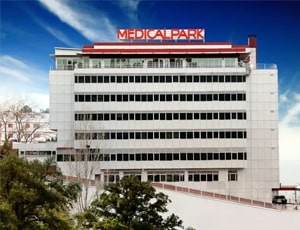
VM Medical Park Ankara offers advanced Colorectal Cancer (Colon Cancer) Treatment using modern surgical, medical oncology, and radiation therapy approaches. Established in 2014, the JCI accredited hospital is located in Ankara, Turkey and has 327 beds, providing comprehensive cancer care for local and international patients.
Colorectal Cancer Treatment is selected according to the cancer's location, stage, spread, molecular characteristics, and the patient's overall health. For localized colon cancer, surgery to remove the affected section of the colon and nearby lymph nodes is often a key treatment. Depending on the stage and recurrence risk, chemotherapy may be recommended before or after surgery. Patients with advanced disease may also receive targeted therapy or immunotherapy when appropriate based on tumor biomarkers.
Choosing Medical Park Tokat Hospital for Cornea Transplant gives patients access to experienced cancer specialists, advanced surgical facilities, and coordinated multidisciplinary care. Established in 2015, the JCI accredited hospital in Tokat, Turkey has 157 beds and provides specialized colorectal oncology services.
Colorectal Cancer (Colon Cancer) Treatment is tailored to the extent and biological features of the disease. Surgical treatment may involve removing the portion of the colon containing the tumor and the associated lymph nodes, followed by reconnection of the remaining bowel whenever possible. Depending on the cancer stage, chemotherapy may be administered before or after surgery. For tumors with specific molecular alterations or biomarkers, targeted therapy or immunotherapy may also be considered. Regular imaging and clinical follow-up help evaluate treatment response and monitor for recurrence.
Medical Park Trabzon Star Hospital is a trusted healthcare provider for Cornea Transplant, offering specialized colorectal cancer management supported by experienced colorectal surgeons, medical oncologists, and multidisciplinary teams. Established in 2011, the JCI accredited hospital is situated in Trabzon, Turkey and has 120 beds.
Colorectal Cancer Treatment depends on whether the disease is confined to the colon or has spread to lymph nodes or distant organs. Early-stage tumors are commonly managed through surgical removal of the affected bowel segment, while chemotherapy may be added when there is a higher risk of recurrence. When colorectal cancer has metastasized, treatment can include systemic medicines and, in selected patients, surgery or other local treatments for removable metastases. Doctors use pathology, imaging, staging investigations, and molecular testing to guide treatment decisions.
Medical Park Usak Hospital is a trusted healthcare provider for Cornea Transplant, offering specialized colorectal cancer management supported by experienced colorectal surgeons, medical oncologists, and multidisciplinary teams. Established in 2013, the JCI accredited hospital is situated in Usak, Turkey and has 106 beds.
Colorectal Cancer Treatment depends on whether the disease is confined to the colon or has spread to lymph nodes or distant organs. Early-stage tumors are commonly managed through surgical removal of the affected bowel segment, while chemotherapy may be added when there is a higher risk of recurrence. When colorectal cancer has metastasized, treatment can include systemic medicines and, in selected patients, surgery or other local treatments for removable metastases. Doctors use pathology, imaging, staging investigations, and molecular testing to guide treatment decisions.
Choosing Asya Hospital for Cornea Transplant gives patients access to experienced cancer specialists, advanced surgical facilities, and coordinated multidisciplinary care. Established in 1993, the TMA accredited hospital in Istanbul, Turkey has 150 beds and provides specialized colorectal oncology services.
Colorectal Cancer (Colon Cancer) Treatment is tailored to the extent and biological features of the disease. Surgical treatment may involve removing the portion of the colon containing the tumor and the associated lymph nodes, followed by reconnection of the remaining bowel whenever possible. Depending on the cancer stage, chemotherapy may be administered before or after surgery. For tumors with specific molecular alterations or biomarkers, targeted therapy or immunotherapy may also be considered. Regular imaging and clinical follow-up help evaluate treatment response and monitor for recurrence.
Apollo Hospitals provides specialized Cornea Transplant with a focus on accurate staging, complete tumor management, and individualized cancer care. Established in 1988, the JCI accredited hospital is located in Hyderabad, India and operates 550 beds with modern colorectal oncology infrastructure.
Colorectal Cancer Treatment aims to remove or control cancer while preserving bowel function whenever possible. The treatment plan may include minimally invasive or open surgery, chemotherapy, targeted therapy, immunotherapy, or other approaches depending on the diagnosis. Before treatment, specialists may use colonoscopy and biopsy to confirm the cancer, followed by imaging and laboratory or molecular tests to determine its stage and characteristics. Surgical planning considers the tumor's location and extent, while advanced disease may require a combination of systemic and local treatments. Nutritional guidance, bowel-function management, and follow-up care can support recovery after treatment.
Global Health City offers advanced Colorectal Cancer (Colon Cancer) Treatment using modern surgical, medical oncology, and radiation therapy approaches. Established in 1999, the NABH, NABL accredited hospital is located in Chennai, India and has 200 beds, providing comprehensive cancer care for local and international patients.
Colorectal Cancer Treatment is selected according to the cancer's location, stage, spread, molecular characteristics, and the patient's overall health. For localized colon cancer, surgery to remove the affected section of the colon and nearby lymph nodes is often a key treatment. Depending on the stage and recurrence risk, chemotherapy may be recommended before or after surgery. Patients with advanced disease may also receive targeted therapy or immunotherapy when appropriate based on tumor biomarkers.
Choosing The London Clinic for Cornea Transplant gives patients access to experienced cancer specialists, advanced surgical facilities, and coordinated multidisciplinary care. Established in , the JCI accredited hospital in London, United Kingdom has 234 beds and provides specialized colorectal oncology services.
Colorectal Cancer (Colon Cancer) Treatment is tailored to the extent and biological features of the disease. Surgical treatment may involve removing the portion of the colon containing the tumor and the associated lymph nodes, followed by reconnection of the remaining bowel whenever possible. Depending on the cancer stage, chemotherapy may be administered before or after surgery. For tumors with specific molecular alterations or biomarkers, targeted therapy or immunotherapy may also be considered. Regular imaging and clinical follow-up help evaluate treatment response and monitor for recurrence.
Werndale Hospital offers advanced Colorectal Cancer (Colon Cancer) Treatment using modern surgical, medical oncology, and radiation therapy approaches. Established in 1991, the accredited hospital is located in Carmarthen, United Kingdom and has 19 beds, providing comprehensive cancer care for local and international patients.
Colorectal Cancer Treatment is selected according to the cancer's location, stage, spread, molecular characteristics, and the patient's overall health. For localized colon cancer, surgery to remove the affected section of the colon and nearby lymph nodes is often a key treatment. Depending on the stage and recurrence risk, chemotherapy may be recommended before or after surgery. Patients with advanced disease may also receive targeted therapy or immunotherapy when appropriate based on tumor biomarkers.
Arab Medical Center offers advanced Colorectal Cancer (Colon Cancer) Treatment using modern surgical, medical oncology, and radiation therapy approaches. Established in 1997, the JCI accredited hospital is located in Amman, Jordan and has 243 beds, providing comprehensive cancer care for local and international patients.
Colorectal Cancer Treatment is selected according to the cancer's location, stage, spread, molecular characteristics, and the patient's overall health. For localized colon cancer, surgery to remove the affected section of the colon and nearby lymph nodes is often a key treatment. Depending on the stage and recurrence risk, chemotherapy may be recommended before or after surgery. Patients with advanced disease may also receive targeted therapy or immunotherapy when appropriate based on tumor biomarkers.
Ara Damansara Medical Centre provides specialized Cornea Transplant with a focus on accurate staging, complete tumor management, and individualized cancer care. Established in 2012, the JCI, MSQH accredited hospital is located in Kuala Lumpur, Malaysia and operates 220 beds with modern colorectal oncology infrastructure.
Colorectal Cancer Treatment aims to remove or control cancer while preserving bowel function whenever possible. The treatment plan may include minimally invasive or open surgery, chemotherapy, targeted therapy, immunotherapy, or other approaches depending on the diagnosis. Before treatment, specialists may use colonoscopy and biopsy to confirm the cancer, followed by imaging and laboratory or molecular tests to determine its stage and characteristics. Surgical planning considers the tumor's location and extent, while advanced disease may require a combination of systemic and local treatments. Nutritional guidance, bowel-function management, and follow-up care can support recovery after treatment.
Life Kingsbury Hospital provides specialized Cornea Transplant with a focus on accurate staging, complete tumor management, and individualized cancer care. Established in 1918, the accredited hospital is located in Cape Town, South Africa and operates 212 beds with modern colorectal oncology infrastructure.
Colorectal Cancer Treatment aims to remove or control cancer while preserving bowel function whenever possible. The treatment plan may include minimally invasive or open surgery, chemotherapy, targeted therapy, immunotherapy, or other approaches depending on the diagnosis. Before treatment, specialists may use colonoscopy and biopsy to confirm the cancer, followed by imaging and laboratory or molecular tests to determine its stage and characteristics. Surgical planning considers the tumor's location and extent, while advanced disease may require a combination of systemic and local treatments. Nutritional guidance, bowel-function management, and follow-up care can support recovery after treatment.
Medical Park Goztepe Hospital is a trusted healthcare provider for Cornea Transplant, offering specialized colorectal cancer management supported by experienced colorectal surgeons, medical oncologists, and multidisciplinary teams. Established in 2005, the JCI accredited hospital is situated in Istanbul, Turkey and has 293 beds.
Colorectal Cancer Treatment depends on whether the disease is confined to the colon or has spread to lymph nodes or distant organs. Early-stage tumors are commonly managed through surgical removal of the affected bowel segment, while chemotherapy may be added when there is a higher risk of recurrence. When colorectal cancer has metastasized, treatment can include systemic medicines and, in selected patients, surgery or other local treatments for removable metastases. Doctors use pathology, imaging, staging investigations, and molecular testing to guide treatment decisions.
| Speciality | Ophthalmology |
| Procedure | Cornea Transplant |
| Success Rate | 85-95% |
| Recovery Time | A few weeks to a few months |
| Treatment Time | 1-2 hours |
| Chances of Recurrence | Depends on the underlying condition |
A cornea transplant, also known as keratoplasty, is a surgical procedure in which a damaged or diseased cornea is replaced with healthy corneal tissue from a donor. The surgery aims to restore vision and improve the function of the cornea.
Medical conditions that can be treated through a cornea transplant include Corneal Scarring (caused by infections, injuries, or certain diseases, leading to vision impairment), Keratoconus (a condition where the cornea becomes thin and cone-shaped, resulting in distorted vision), and Fuchs' Endothelial Dystrophy (a disorder affecting the corneal endothelium, causing fluid build-up and cloudy vision).
The recovery process after a cornea transplant typically takes several weeks to several months. During this time, patients may need to use eye drops to prevent infection and promote healing. Frequent follow-up visits with the eye surgeon are essential to monitor progress and ensure a successful recovery. Visual improvement may take some time, and patients are advised to avoid strenuous activities during the initial healing phase. With proper care and adherence to the post-operative instructions, patients can expect improved vision and restored corneal function after the transplant.

I am quite pleased with the attending physician. I am satisfied with the exceptional care provided by the physicians and nurses of Aakash Healthcare Hospital. Additionally, I am quite happy with the services that MediGence offers.