Browse verified doctors or let our care team help you find the doctor best suited to your condition, treatment goals, and budget.

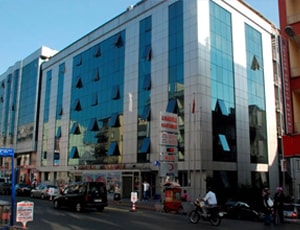
Medipol Bahçelievler Hospital is a trusted healthcare provider for Vitrectomy, offering specialized vitreoretinal surgery supported by experienced ophthalmic surgeons and advanced operating facilities. Established in 2022, the JCI accredited hospital is situated in Istanbul, Turkey and has 441 beds.
Vitrectomy is used to remove cloudy, hemorrhagic, or structurally abnormal vitreous material and provide access to the retina. It can form part of treatment for conditions such as tractional retinal detachment, retinal tears, persistent vitreous bleeding, macular disorders, and some severe eye injuries. The surgeon works through small ports in the eye using high-magnification visualization. Depending on the diagnosis, additional procedures may be performed to stabilize or repair the retina. Post-operative follow-up is important to assess retinal healing and visual recovery.
Choosing Medical Park Trabzon Star Hospital for Vitrectomy gives patients access to experienced retinal specialists, high-resolution diagnostic imaging, and modern vitreoretinal surgical technology. Established in 2011, the JCI accredited hospital in Trabzon, Turkey has 120 beds and provides specialized retinal care.
Vitrectomy may be considered when bleeding, scar tissue, abnormal vitreous changes, or retinal disorders significantly affect vision. The procedure involves removing the vitreous gel through small surgical openings and treating the underlying cause. For example, the surgeon may remove scar tissue causing retinal traction or repair a detached retina. A gas bubble or silicone oil may be placed inside the eye when additional internal support is needed. Patients receiving a gas bubble may need to follow specific positioning instructions and avoid air travel until the gas has completely resolved.
Choosing Medical Park Usak Hospital for Vitrectomy gives patients access to experienced retinal specialists, high-resolution diagnostic imaging, and modern vitreoretinal surgical technology. Established in 2013, the JCI accredited hospital in Usak, Turkey has 106 beds and provides specialized retinal care.
Vitrectomy may be considered when bleeding, scar tissue, abnormal vitreous changes, or retinal disorders significantly affect vision. The procedure involves removing the vitreous gel through small surgical openings and treating the underlying cause. For example, the surgeon may remove scar tissue causing retinal traction or repair a detached retina. A gas bubble or silicone oil may be placed inside the eye when additional internal support is needed. Patients receiving a gas bubble may need to follow specific positioning instructions and avoid air travel until the gas has completely resolved.
At Medical Park Tokat Hospital, Vitrectomy is performed using advanced retinal imaging, microsurgical instruments, and personalized treatment planning. Established in 2015, this JCI accredited hospital in Tokat, Turkey has 157 beds and offers specialized vitreoretinal services.
Vitrectomy may be recommended when abnormalities within the vitreous or retina interfere with vision or threaten retinal health. During the operation, the ophthalmic surgeon creates tiny openings in the eye and uses specialized instruments to remove the vitreous gel and address the underlying retinal problem. Depending on the condition, laser treatment, cryotherapy, membrane removal, or retinal repair may be performed during the same procedure. In selected cases, a gas bubble or silicone oil is used to support the retina during healing.
VM Medical Park Ankara provides specialized Vitrectomy with a focus on precise retinal surgery, preservation of vision, and individualized post-operative care. Established in 2014, the JCI accredited hospital is located in Ankara, Turkey and operates 327 beds with modern ophthalmic infrastructure.
Vitrectomy is a surgical technique used to manage diseases affecting the vitreous and retina when less invasive treatments are insufficient. It may be performed for macular holes, epiretinal membranes, retinal detachments, non-clearing vitreous hemorrhage, or selected complications associated with diabetic retinopathy. During surgery, the surgeon removes the vitreous and may perform procedures such as membrane peeling, endolaser, or retinal fluid drainage. The eye may then be filled with a balanced solution, gas, or silicone oil depending on the surgical requirement. Recovery varies according to the underlying condition and additional retinal procedures performed.
At Eregli Anadolu Hospital, Vitrectomy is performed using advanced retinal imaging, microsurgical instruments, and personalized treatment planning. Established in 1998, this JCI accredited hospital in Zonguldak, Turkey has 75 beds and offers specialized vitreoretinal services.
Vitrectomy may be recommended when abnormalities within the vitreous or retina interfere with vision or threaten retinal health. During the operation, the ophthalmic surgeon creates tiny openings in the eye and uses specialized instruments to remove the vitreous gel and address the underlying retinal problem. Depending on the condition, laser treatment, cryotherapy, membrane removal, or retinal repair may be performed during the same procedure. In selected cases, a gas bubble or silicone oil is used to support the retina during healing.
Choosing Medical Park Ordu Hospital for Vitrectomy gives patients access to experienced retinal specialists, high-resolution diagnostic imaging, and modern vitreoretinal surgical technology. Established in 2014, the JCI accredited hospital in Ordu, Turkey has 150 beds and provides specialized retinal care.
Vitrectomy may be considered when bleeding, scar tissue, abnormal vitreous changes, or retinal disorders significantly affect vision. The procedure involves removing the vitreous gel through small surgical openings and treating the underlying cause. For example, the surgeon may remove scar tissue causing retinal traction or repair a detached retina. A gas bubble or silicone oil may be placed inside the eye when additional internal support is needed. Patients receiving a gas bubble may need to follow specific positioning instructions and avoid air travel until the gas has completely resolved.
Guven Hospital is a trusted healthcare provider for Vitrectomy, offering specialized vitreoretinal surgery supported by experienced ophthalmic surgeons and advanced operating facilities. Established in 1975, the GHA accredited hospital is situated in Ankara, Turkey and has 254 beds.
Vitrectomy is used to remove cloudy, hemorrhagic, or structurally abnormal vitreous material and provide access to the retina. It can form part of treatment for conditions such as tractional retinal detachment, retinal tears, persistent vitreous bleeding, macular disorders, and some severe eye injuries. The surgeon works through small ports in the eye using high-magnification visualization. Depending on the diagnosis, additional procedures may be performed to stabilize or repair the retina. Post-operative follow-up is important to assess retinal healing and visual recovery.
At Can Hospital, Vitrectomy is performed using advanced retinal imaging, microsurgical instruments, and personalized treatment planning. Established in 2017, this JCI, NABH accredited hospital in Izmir, Turkey has 95 beds and offers specialized vitreoretinal services.
Vitrectomy may be recommended when abnormalities within the vitreous or retina interfere with vision or threaten retinal health. During the operation, the ophthalmic surgeon creates tiny openings in the eye and uses specialized instruments to remove the vitreous gel and address the underlying retinal problem. Depending on the condition, laser treatment, cryotherapy, membrane removal, or retinal repair may be performed during the same procedure. In selected cases, a gas bubble or silicone oil is used to support the retina during healing.
At Biruni University Hospital, Vitrectomy is performed using advanced retinal imaging, microsurgical instruments, and personalized treatment planning. Established in 2016, this JCI accredited hospital in Istanbul, Turkey has 617 beds and offers specialized vitreoretinal services.
Vitrectomy may be recommended when abnormalities within the vitreous or retina interfere with vision or threaten retinal health. During the operation, the ophthalmic surgeon creates tiny openings in the eye and uses specialized instruments to remove the vitreous gel and address the underlying retinal problem. Depending on the condition, laser treatment, cryotherapy, membrane removal, or retinal repair may be performed during the same procedure. In selected cases, a gas bubble or silicone oil is used to support the retina during healing.
Medstar Antalya Hospital provides specialized Vitrectomy with a focus on precise retinal surgery, preservation of vision, and individualized post-operative care. Established in 2009, the JCI accredited hospital is located in Ankara, Turkey and operates 124 beds with modern ophthalmic infrastructure.
Vitrectomy is a surgical technique used to manage diseases affecting the vitreous and retina when less invasive treatments are insufficient. It may be performed for macular holes, epiretinal membranes, retinal detachments, non-clearing vitreous hemorrhage, or selected complications associated with diabetic retinopathy. During surgery, the surgeon removes the vitreous and may perform procedures such as membrane peeling, endolaser, or retinal fluid drainage. The eye may then be filled with a balanced solution, gas, or silicone oil depending on the surgical requirement. Recovery varies according to the underlying condition and additional retinal procedures performed.
Estecapelli Medical Solutions provides specialized Vitrectomy with a focus on precise retinal surgery, preservation of vision, and individualized post-operative care. Established in 2010, the ISAPS accredited hospital is located in Istanbul, Turkey and operates beds with modern ophthalmic infrastructure.
Vitrectomy is a surgical technique used to manage diseases affecting the vitreous and retina when less invasive treatments are insufficient. It may be performed for macular holes, epiretinal membranes, retinal detachments, non-clearing vitreous hemorrhage, or selected complications associated with diabetic retinopathy. During surgery, the surgeon removes the vitreous and may perform procedures such as membrane peeling, endolaser, or retinal fluid drainage. The eye may then be filled with a balanced solution, gas, or silicone oil depending on the surgical requirement. Recovery varies according to the underlying condition and additional retinal procedures performed.
Medical Park Karadeniz Hospital offers advanced Vitrectomy using modern vitreoretinal surgical techniques and specialized ophthalmic equipment. Established in 2007, the JCI accredited hospital is located in Trabzon, Turkey and has 112 beds, providing comprehensive eye care for local and international patients.
Vitrectomy is a microsurgical procedure in which some or all of the vitreous gel inside the eye is removed and replaced with a suitable solution or, when required, a gas bubble or silicone oil. It may be performed to treat retinal detachment, vitreous hemorrhage, macular hole, epiretinal membrane, or certain complications of diabetic eye disease. The surgeon may also use the procedure to access and repair the retina. A detailed retinal examination and imaging are usually performed before surgery to determine the appropriate technique.

Hailing from a small village in Ghana, Gladys Appiah, a woman of 34 years of age, has been suffering from eye problems for a long…

Master Aaron Larhubarbe, an 8-year-old boy from Mauritius, has been experiencing blurred sight due to problems with his eyes.
| Speciality | Ophthalmology |
| Procedure | Vitrectomy |
| Success Rate | Varies by condition |
| Recovery Time | Several weeks to several months |
| Treatment Time | 1-2 hours |
| Chances of Recurrence | Varies by condition |
Numerous factors can be considered to rank the hospitals on the basis of the procedure. In Turkey, hospitals that do Vitrectomys are ranked according to the mentioned factors- Infrastructure, procedure accessibility, procedure popularity, Technology, Cost-effectiveness, Experienced Doctors, Patient-care Facilities, and Success Rate
Your health is a top priority for MediGence, and we make sure you get it effortlessly. We provide a set of unmatched services to assist you in your medical journey to different countries in the world. Some of the top caregiving services available include Hotel stays, Dedicated Case Coordinator, Recovery packages, Online Consultation, round-the-clock assistance, and customized packages with discounts of up to a 30%. In addition to these, MediGence offers a variety of other value-added services to make your healthcare journey trouble-free and memorable.
Yes, you can avail a video consultation with the specialist before travelling to Turkey. When having a conversation with one of our patient advisors, you can ask them to book your video consultation with the specialist. They will check the doctor's availability for the consultation. Once confirmed, you will be sent a payment link to book your online consultation.
Turkey is becoming a prime destination for many people across the world for Vitrectomy because of high success rates and modern infrastructure. Other factors that contribute to Turkey being the best choice for Vitrectomy include:
The length of recovery after treatment is determined by the patient's overall health as well as the criticality of the treatment. The length of the patient's recovery is also greatly influenced by other variables, such as their continued participation in rehabilitation sessions and postoperative care appointments. Patient must keep in touch with their surgeon for a few months after surgery in order to speed up recovery.