Browse verified doctors or let our care team help you find the doctor best suited to your condition, treatment goals, and budget.

Delhi, India
BLK-Max Super Speciality Hospital offers advanced Macular Degeneration Treatment using modern retinal care techniques and internationally accepted treatment protocols. Established in 1959, the JCI, NABH accredited hospital is located in Delhi, India, with 650 beds, providing comprehensive ophthalmic care for local and international patients.
Treatment for macular degeneration depends on whether the condition is dry or wet age-related macular degeneration (AMD), as well as its severity. Wet AMD may be treated with anti-VEGF injections, while selected advanced cases may require laser or other retinal procedures. Detailed retinal imaging, including OCT, helps the ophthalmologist assess disease activity and plan treatment.
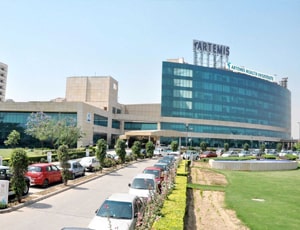
Artemis Health Institute provides specialised Macular Degeneration Treatment using contemporary retinal technologies and evidence-based ophthalmic care. Founded in 2007, the JCI, NABH accredited hospital is based in Gurgaon, India, with 750 beds and services for domestic and international patients.
Treatment is tailored to the type and stage of macular degeneration. For wet AMD, intravitreal anti-VEGF medicines can help reduce abnormal blood vessel growth and fluid leakage in the retina. Selected patients may also require photodynamic therapy or other retinal interventions. Before treatment, specialists perform OCT scans and detailed retinal examinations.
Medanta - The Medicity provides specialised Macular Degeneration Treatment using contemporary retinal technologies and evidence-based ophthalmic care. Founded in 2009, the JCI, NABH accredited hospital is based in Gurgaon, India, with 1250 beds and services for domestic and international patients.
Treatment is tailored to the type and stage of macular degeneration. For wet AMD, intravitreal anti-VEGF medicines can help reduce abnormal blood vessel growth and fluid leakage in the retina. Selected patients may also require photodynamic therapy or other retinal interventions. Before treatment, specialists perform OCT scans and detailed retinal examinations.
Gleneagles Hospital Mumbai offers advanced Macular Degeneration Treatment using modern retinal care techniques and internationally accepted treatment protocols. Established in 1996, the JCI accredited hospital is located in Mumbai, India, with 450 beds, providing comprehensive ophthalmic care for local and international patients.
Treatment for macular degeneration depends on whether the condition is dry or wet age-related macular degeneration (AMD), as well as its severity. Wet AMD may be treated with anti-VEGF injections, while selected advanced cases may require laser or other retinal procedures. Detailed retinal imaging, including OCT, helps the ophthalmologist assess disease activity and plan treatment.
Ghaziabad, India
With advanced retinal care infrastructure, Max Super Specialty Hospital, Vaishali offers Macular Degeneration Treatment for patients experiencing vision changes associated with age-related macular degeneration. Established in 2008, the NABL, NABH accredited hospital is located in Ghaziabad, India, and has 370 beds.
The treatment approach depends on whether the patient has dry or wet AMD. Wet disease is commonly managed with anti-VEGF injections, while selected patients with specific forms of dry AMD may be considered for newer medical therapies where available. Regular retinal imaging and vision assessment help monitor disease progression and treatment response.
Indraprastha Apollo Hospital offers specialised Macular Degeneration Treatment using modern diagnostic imaging and established retinal treatment protocols. Established in 1996, the JCI accredited hospital is situated in Delhi, India, with 710 beds, serving local and international patients.
Macular degeneration treatment aims to slow disease progression and preserve or improve useful vision where possible. Depending on the type of AMD, treatment may include anti-VEGF injections, photodynamic therapy, selected laser procedures, or medical management and monitoring. A detailed retinal examination, OCT imaging, and assessment of visual function help the ophthalmologist develop an individualised treatment plan.
Apollo Hospitals offers advanced Macular Degeneration Treatment using modern retinal care techniques and internationally accepted treatment protocols. Established in 1988, the JCI accredited hospital is located in Hyderabad, India, with 550 beds, providing comprehensive ophthalmic care for local and international patients.
Treatment for macular degeneration depends on whether the condition is dry or wet age-related macular degeneration (AMD), as well as its severity. Wet AMD may be treated with anti-VEGF injections, while selected advanced cases may require laser or other retinal procedures. Detailed retinal imaging, including OCT, helps the ophthalmologist assess disease activity and plan treatment.
Sterling Wockhardt Hospital provides specialised Macular Degeneration Treatment using contemporary retinal technologies and evidence-based ophthalmic care. Founded in 2001, the NABL accredited hospital is based in Mumbai, India, with 225 beds and services for domestic and international patients.
Treatment is tailored to the type and stage of macular degeneration. For wet AMD, intravitreal anti-VEGF medicines can help reduce abnormal blood vessel growth and fluid leakage in the retina. Selected patients may also require photodynamic therapy or other retinal interventions. Before treatment, specialists perform OCT scans and detailed retinal examinations.
At nanavati Super Speciality Hospital, patients can access advanced Macular Degeneration Treatment supported by modern retinal imaging and experienced ophthalmologists. Established in 1950, the NABH accredited hospital is located in Mumbai, India, and has 350 beds.
Macular degeneration affects the central part of the retina and can gradually impair central vision. Treatment may include anti-VEGF injections for wet AMD, photodynamic therapy in selected cases, or monitoring and nutritional management for certain forms of dry AMD. Comprehensive retinal evaluation and OCT imaging help determine the most appropriate treatment approach.
Delhi, India
Max Super Speciality Hospital, Patparganj offers specialised Macular Degeneration Treatment using modern diagnostic imaging and established retinal treatment protocols. Established in 2005, the NABH, NABL, AACI accredited hospital is situated in Delhi, India, with 400 beds, serving local and international patients.
Macular degeneration treatment aims to slow disease progression and preserve or improve useful vision where possible. Depending on the type of AMD, treatment may include anti-VEGF injections, photodynamic therapy, selected laser procedures, or medical management and monitoring. A detailed retinal examination, OCT imaging, and assessment of visual function help the ophthalmologist develop an individualised treatment plan.
With advanced retinal care infrastructure, Venkateshwar Hospital offers Macular Degeneration Treatment for patients experiencing vision changes associated with age-related macular degeneration. Established in 2016, the NABL, NABH accredited hospital is located in Delhi, India, and has 325 beds.
The treatment approach depends on whether the patient has dry or wet AMD. Wet disease is commonly managed with anti-VEGF injections, while selected patients with specific forms of dry AMD may be considered for newer medical therapies where available. Regular retinal imaging and vision assessment help monitor disease progression and treatment response.
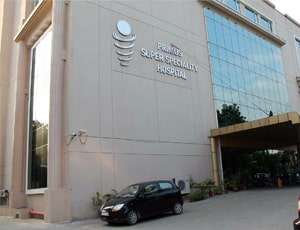
Primus Super Speciality Hospital offers advanced Macular Degeneration Treatment using modern retinal care techniques and internationally accepted treatment protocols. Established in 2001, the NABH accredited hospital is located in Delhi, India, with 250 beds, providing comprehensive ophthalmic care for local and international patients.
Treatment for macular degeneration depends on whether the condition is dry or wet age-related macular degeneration (AMD), as well as its severity. Wet AMD may be treated with anti-VEGF injections, while selected advanced cases may require laser or other retinal procedures. Detailed retinal imaging, including OCT, helps the ophthalmologist assess disease activity and plan treatment.
With advanced retinal care infrastructure, Fortis Hospital offers Macular Degeneration Treatment for patients experiencing vision changes associated with age-related macular degeneration. Established in 2006, the JCI, NABH accredited hospital is located in Mohali, India, and has 276 beds.
The treatment approach depends on whether the patient has dry or wet AMD. Wet disease is commonly managed with anti-VEGF injections, while selected patients with specific forms of dry AMD may be considered for newer medical therapies where available. Regular retinal imaging and vision assessment help monitor disease progression and treatment response.
Fortis Hospital, Mulund offers specialised Macular Degeneration Treatment using modern diagnostic imaging and established retinal treatment protocols. Established in 2002, the JCI, NABH accredited hospital is situated in Mumbai, India, with 315 beds, serving local and international patients.
Macular degeneration treatment aims to slow disease progression and preserve or improve useful vision where possible. Depending on the type of AMD, treatment may include anti-VEGF injections, photodynamic therapy, selected laser procedures, or medical management and monitoring. A detailed retinal examination, OCT imaging, and assessment of visual function help the ophthalmologist develop an individualised treatment plan.
Manipal Hospital, Hebbal offers advanced Macular Degeneration Treatment using modern retinal care techniques and internationally accepted treatment protocols. Established in 1991, the NABL, NABH accredited hospital is located in Bangalore, India, with 280 beds, providing comprehensive ophthalmic care for local and international patients.
Treatment for macular degeneration depends on whether the condition is dry or wet age-related macular degeneration (AMD), as well as its severity. Wet AMD may be treated with anti-VEGF injections, while selected advanced cases may require laser or other retinal procedures. Detailed retinal imaging, including OCT, helps the ophthalmologist assess disease activity and plan treatment.

Hailing from a small village in Ghana, Gladys Appiah, a woman of 34 years of age, has been suffering from eye problems for a long…

Master Aaron Larhubarbe, an 8-year-old boy from Mauritius, has been experiencing blurred sight due to problems with his eyes.
| Speciality | Ophthalmology |
| Procedure | Macular Degeneration Surgery |
| Success Rate | Varies by condition |
| Recovery Time | Several weeks to several months |
| Treatment Time | 2-3 hours |
| Chances of Recurrence | Varies by condition |
Macular degeneration surgery is also known as macular translocation or macular hole repair. The surgery aims to restore or improve central vision by repositioning the macula, the central part of the retina responsible for sharp vision. In macular translocation, the surgeon detaches the macula from the underlying layers of the eye and repositions it to a healthier area. This relocation can be done using various techniques, such as sutures or retinal tacks. By moving the macula away from the damaged area, the surgery can potentially improve vision and reduce the impact of AMD on central vision.
The surgery is performed to treat certain forms of age-related macular degeneration (AMD). The surgery aims to treat specific complications associated with AMD, such as macular holes or areas of damage in the macula.
After macular degeneration surgery, patients can expect a period of recovery to allow the eye to heal. The recovery process typically involves some discomfort, redness, and sensitivity in the treated eye. Vision may be blurry initially, but it improves gradually over time. Patients are advised to rest and avoid strenuous activities for a few weeks. They may need to use eye drops as prescribed to prevent infection and reduce inflammation. Regular follow-up visits with the ophthalmologist are recommended. Overall, the recovery may take 3-4 weeks.
Several macular degeneration hospitals in India offer the latest medical technology. In addition to the most advanced medicines, such as anti-VEGF injections and laser therapies, these hospitals provide more advanced medical devices, including optical coherence tomography (OCT) and retinal imaging.
The top hospitals that provide Macular Degeneration Surgery in India have the following features:
In India, therapies for macular degeneration usually have a very high success rate. For example, laser therapy and anti-VEGF injections stabilise or even improve vision in most patients. Surgical procedures, including retinal operations, are successful in about 70% to 90% of cases. These factors include the stage of the condition and immediate treatment.
With MediGence's assistance, you can easily find Indian hospitals with the top Macular Degeneration surgery specialists. We ensure you get the best care by connecting you with renowned medical facilities and skilled physicians. From identifying the best hospital to setting up your care and travel arrangements, our staff can help you every step of the way.
Few hospitals in India offer macular degeneration surgery:
The cost of a macular degeneration surgery in India typically ranges from (USD 1500 - 2500), depending on the hospital, location, and the complexity of the procedure.
Many hospitals in India offering macular degeneration surgery specialise in treating international patients. They arrange travel and accommodation and plan treatment. Even Top-Notch Hospitals like Artemis, Fortis and Medanta provide excellent treatment and care for their global patients.
There are some of the risks associated with macular degeneration surgery such as:
Recovery times after macular degeneration surgery may vary in India, but most patients start healing early, at one to two weeks.
You can consult with an Ophthalmologist before travelling to India for macular degeneration surgery through the MediGence platform. MediGence offers tele consultations with top ophthalmologists, allowing you to discuss your medical condition, treatment options, and expert advice.
In India, post-operative care following macular degeneration surgery includes prescribed eye drops to prevent infection and reduce inflammation. Patients are also asked to avoid straining activities such as reading and prolonged use of digital devices.
India is one of the most sought-after destinations for Macular Degeneration Surgery due to its advanced healthcare facilities, well-qualified doctors, and cost-effective treatment. The country has world-class medical technology and internationally accredited hospitals. MediGence ensures a hassle-free experience with personalised assistance from selecting the hospital, travel, and post-treatment care.
MediGence will contact you to arrange a Macular Degeneration Surgery appointment in India. Our case manager will connect you with the top hospitals, schedule consultations with the specialists, and guide you throughout the process, including travel and treatment planning.
You must stay in India for seven to ten days to treat macular degeneration. This will help you recover and allow you to attend further consultations. The duration depends on your condition and the course of treatment.
Local anaesthesia will be used during macular degeneration surgery so that you will be conscious but pain-free. The surgeon may treat the problem with injections or lasers. After the procedure, which is generally short, you might feel some soreness, but this will go away over time.
Yes, In India, there are alternatives to surgery for macular degeneration. These include laser therapy, which can delay the progression of the disease, and anti-VEGF injections, which help lessen fluid accumulation in the retina. Vitamins and lifestyle changes can also be used to manage the condition.
MediGence will help you prepare for a macular degeneration surgery in India by offering comprehensive support for a hassle-free procedure. We connect you with the top hospitals and skilled Ophthalmologists for an initial consultation. We also arrange diagnostic testing and create a customised treatment plan.
Our Case Manager will offer individualised support throughout your visit and assist with travel, visas, and lodging arrangements. MediGence provides the most excellent and safest care in cutting-edge medical facilities.