Browse verified doctors or let our care team help you find the doctor best suited to your condition, treatment goals, and budget.

Delhi, India
At BLK-Max Super Speciality Hospital, LASIK is performed using specialised laser vision-correction technology and comprehensive preoperative eye assessment. Established in 1959, this JCI, NABH accredited hospital in Delhi, India has 650 beds and offers advanced ophthalmology and refractive surgery services.
LASIK may be considered for adults with a stable refractive error who meet appropriate corneal and ocular health criteria. Before treatment, the ophthalmologist evaluates visual acuity, refractive error, corneal thickness and shape, tear-film health, pupil characteristics, and other factors that may affect surgical suitability. The laser treatment is then customized according to the patient's individual corneal measurements and vision-correction requirements.
At Artemis Health Institute, LASIK is performed using specialised laser vision-correction technology and comprehensive preoperative eye assessment. Established in 2007, this JCI, NABH accredited hospital in Gurgaon, India has 750 beds and offers advanced ophthalmology and refractive surgery services.
LASIK may be considered for adults with a stable refractive error who meet appropriate corneal and ocular health criteria. Before treatment, the ophthalmologist evaluates visual acuity, refractive error, corneal thickness and shape, tear-film health, pupil characteristics, and other factors that may affect surgical suitability. The laser treatment is then customized according to the patient's individual corneal measurements and vision-correction requirements.
Medanta - The Medicity is a trusted healthcare provider for LASIK, offering laser vision correction supported by experienced ophthalmic surgeons, advanced diagnostic systems, and modern refractive surgery facilities. Established in 2009, the JCI, NABH accredited hospital is situated in Gurgaon, India and has 1250 beds.
LASIK reshapes the cornea so that incoming light can be focused more accurately onto the retina, reducing dependence on glasses or contact lenses for many appropriately selected patients. The procedure uses a microkeratome or femtosecond laser to create the corneal flap, followed by precise excimer laser ablation. A detailed eye examination helps determine whether LASIK or another refractive procedure is more suitable for the patient's vision and corneal characteristics.
At Gleneagles Hospital Mumbai, LASIK is performed using specialised laser vision-correction technology and comprehensive preoperative eye assessment. Established in 1996, this JCI accredited hospital in Mumbai, India has 450 beds and offers advanced ophthalmology and refractive surgery services.
LASIK may be considered for adults with a stable refractive error who meet appropriate corneal and ocular health criteria. Before treatment, the ophthalmologist evaluates visual acuity, refractive error, corneal thickness and shape, tear-film health, pupil characteristics, and other factors that may affect surgical suitability. The laser treatment is then customized according to the patient's individual corneal measurements and vision-correction requirements.
Ghaziabad, India
Choosing Max Super Specialty Hospital, Vaishali for LASIK gives patients access to experienced refractive surgeons, advanced corneal mapping and diagnostic systems, precision laser platforms, and structured postoperative eye care. Established in 2008, the NABL, NABH accredited hospital in Ghaziabad, India has 370 beds and provides specialised ophthalmic and refractive surgery services.
LASIK is generally performed using topical anaesthetic eye drops and typically takes a short time for both eyes. The surgeon creates the corneal flap, uses an excimer laser to reshape the corneal tissue according to the planned correction, and repositions the flap. Patients may experience temporary dryness, blurred vision, light sensitivity, or visual disturbances during the early recovery period. Follow-up examinations help monitor corneal healing and visual outcomes.
Max Hospital, Gurgaon provides specialised LASIK with a focus on precise corneal reshaping, advanced laser technology, and individualised postoperative eye care. Established in 2007, the ISO, NABH, NABL accredited hospital is located in Gurgaon, India and operates 104 beds, with modern ophthalmic, diagnostic, and refractive surgery infrastructure.
LASIK can reduce refractive errors by modifying the shape of the cornea to improve the eye's ability to focus light. Treatment planning considers the patient's prescription, corneal thickness and topography, tear-film condition, eye health, and expected visual requirements. A detailed preoperative assessment helps the ophthalmology team determine eligibility for LASIK, identify potential risk factors, and select the most appropriate laser correction strategy.
Choosing Indraprastha Apollo Hospital for LASIK gives patients access to experienced refractive surgeons, advanced corneal mapping and diagnostic systems, precision laser platforms, and structured postoperative eye care. Established in 1996, the JCI accredited hospital in Delhi, India has 710 beds and provides specialised ophthalmic and refractive surgery services.
LASIK is generally performed using topical anaesthetic eye drops and typically takes a short time for both eyes. The surgeon creates the corneal flap, uses an excimer laser to reshape the corneal tissue according to the planned correction, and repositions the flap. Patients may experience temporary dryness, blurred vision, light sensitivity, or visual disturbances during the early recovery period. Follow-up examinations help monitor corneal healing and visual outcomes.
Apollo Hospitals offers advanced LASIK using modern laser vision-correction techniques and individualized ophthalmic care plans. Established in 1988, the JCI accredited hospital is located in Hyderabad, India and has 550 beds, providing comprehensive eye care for local and international patients.
LASIK is a refractive eye surgery used to correct common vision problems such as myopia, hyperopia, and astigmatism. During the procedure, a thin corneal flap is created and lifted, after which an excimer laser reshapes the underlying corneal tissue to correct the eye's focusing power. The flap is then repositioned to allow the cornea to heal naturally.
At Sterling Wockhardt Hospital, LASIK is performed using specialised laser vision-correction technology and comprehensive preoperative eye assessment. Established in 2001, this NABL accredited hospital in Mumbai, India has 225 beds and offers advanced ophthalmology and refractive surgery services.
LASIK may be considered for adults with a stable refractive error who meet appropriate corneal and ocular health criteria. Before treatment, the ophthalmologist evaluates visual acuity, refractive error, corneal thickness and shape, tear-film health, pupil characteristics, and other factors that may affect surgical suitability. The laser treatment is then customized according to the patient's individual corneal measurements and vision-correction requirements.
nanavati Super Speciality Hospital is a trusted healthcare provider for LASIK, offering laser vision correction supported by experienced ophthalmic surgeons, advanced diagnostic systems, and modern refractive surgery facilities. Established in 1950, the NABH accredited hospital is situated in Mumbai, India and has 350 beds.
LASIK reshapes the cornea so that incoming light can be focused more accurately onto the retina, reducing dependence on glasses or contact lenses for many appropriately selected patients. The procedure uses a microkeratome or femtosecond laser to create the corneal flap, followed by precise excimer laser ablation. A detailed eye examination helps determine whether LASIK or another refractive procedure is more suitable for the patient's vision and corneal characteristics.
Delhi, India
Max Super Speciality Hospital, Patparganj provides specialised LASIK with a focus on precise corneal reshaping, advanced laser technology, and individualised postoperative eye care. Established in 2005, the NABH, NABL, AACI accredited hospital is located in Delhi, India and operates 400 beds, with modern ophthalmic, diagnostic, and refractive surgery infrastructure.
LASIK can reduce refractive errors by modifying the shape of the cornea to improve the eye's ability to focus light. Treatment planning considers the patient's prescription, corneal thickness and topography, tear-film condition, eye health, and expected visual requirements. A detailed preoperative assessment helps the ophthalmology team determine eligibility for LASIK, identify potential risk factors, and select the most appropriate laser correction strategy.
At Venkateshwar Hospital, LASIK is performed using specialised laser vision-correction technology and comprehensive preoperative eye assessment. Established in 2016, this NABL, NABH accredited hospital in Delhi, India has 325 beds and offers advanced ophthalmology and refractive surgery services.
LASIK may be considered for adults with a stable refractive error who meet appropriate corneal and ocular health criteria. Before treatment, the ophthalmologist evaluates visual acuity, refractive error, corneal thickness and shape, tear-film health, pupil characteristics, and other factors that may affect surgical suitability. The laser treatment is then customized according to the patient's individual corneal measurements and vision-correction requirements.
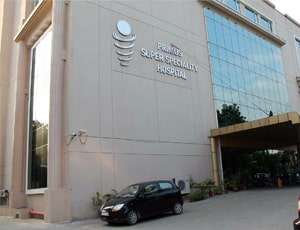
Primus Super Speciality Hospital is a trusted healthcare provider for LASIK, offering laser vision correction supported by experienced ophthalmic surgeons, advanced diagnostic systems, and modern refractive surgery facilities. Established in 2001, the NABH accredited hospital is situated in Delhi, India and has 250 beds.
LASIK reshapes the cornea so that incoming light can be focused more accurately onto the retina, reducing dependence on glasses or contact lenses for many appropriately selected patients. The procedure uses a microkeratome or femtosecond laser to create the corneal flap, followed by precise excimer laser ablation. A detailed eye examination helps determine whether LASIK or another refractive procedure is more suitable for the patient's vision and corneal characteristics.
Tx Hospitals Banjara Hills provides specialised LASIK with a focus on precise corneal reshaping, advanced laser technology, and individualised postoperative eye care. Established in 2020, the JCI, NABH accredited hospital is located in Hyderabad, India and operates 100 beds, with modern ophthalmic, diagnostic, and refractive surgery infrastructure.
LASIK can reduce refractive errors by modifying the shape of the cornea to improve the eye's ability to focus light. Treatment planning considers the patient's prescription, corneal thickness and topography, tear-film condition, eye health, and expected visual requirements. A detailed preoperative assessment helps the ophthalmology team determine eligibility for LASIK, identify potential risk factors, and select the most appropriate laser correction strategy.
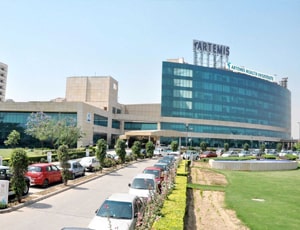
Fortis Hospital offers advanced LASIK using modern laser vision-correction techniques and individualized ophthalmic care plans. Established in 2006, the JCI, NABH accredited hospital is located in Mohali, India and has 276 beds, providing comprehensive eye care for local and international patients.
LASIK is a refractive eye surgery used to correct common vision problems such as myopia, hyperopia, and astigmatism. During the procedure, a thin corneal flap is created and lifted, after which an excimer laser reshapes the underlying corneal tissue to correct the eye's focusing power. The flap is then repositioned to allow the cornea to heal naturally.

Hailing from a small village in Ghana, Gladys Appiah, a woman of 34 years of age, has been suffering from eye problems for a long…

Master Aaron Larhubarbe, an 8-year-old boy from Mauritius, has been experiencing blurred sight due to problems with his eyes.
| Speciality | Ophthalmology |
| Procedure | LASIK |
| Success Rate | 90-99% |
| Recovery Time | A few days to a few weeks |
| Treatment Time | 15-20 minutes per eye |
| Chances of Recurrence | Very low |
Yes, the newest medical technology is available in LASIK hospitals in India These medical facilities employ advanced technology for accurate eye measurements and laser treatments to ensure safe and efficient outcomes. They use new techniques to enhance vision while offering minimal risk.
The top hospitals that provide LASIK in India have the following features:
In India, LASIK surgery has a success rate of 90–95%. Most patients improve their vision, often to 20/25 or better. However, the results vary from patient to patient based on age, eye health, and surgical skill.
With MediGence's assistance, you can easily find Indian hospitals with the top LASIK specialists. We ensure you get the best care by connecting you with renowned medical facilities and skilled physicians. From identifying the best hospital to setting up your care and travel arrangements, our staff can help you every step of the way.
Few hospitals in India offer LASIK:
The cost of a LASIK in India typically ranges from (USD 1000 - 2000), depending on the hospital, location, and the complexity of the procedure.
Many hospitals in India offering LASIK specialise in treating international patients. They arrange travel and accommodation and plan treatment. Even Top-Notch Hospitals like Artemis, Fortis and Medanta provide excellent treatment and care for their global patients.
Glare, dry eyes, and light halos, especially when the ambient lighting is dim, are common risks for LASIK surgery in India. Infection, under- or overcorrection of eyesight, and infection are rare complications. Most issues are temporary, but some may require further treatment or even surgery to improve.
In India, the healing time for LASIK is usually 24 to 48 hours. During this time, most patients report an improvement in their vision. It takes one to three months to recover completely, including stabilising vision. Patients are advised to avoid strenuous activities and attend follow-up consultations for a few weeks to monitor their progress.
You can consult with an Ophthalmologist before travelling to India for a LASIK through the MediGence platform. MediGence offers tele consultations with top ophthalmologists, allowing you to discuss your medical condition, treatment options, and expert advice.
In India, post-operative care after LASIK usually involves using protective eyeglasses at nighttime. Prescription eye drops for infection prevention and inflammation reduction, and follow-up schedules for checking the stage of healing. Early recovery stages instruct patients not to rub their eyes, to abstain from strenuous activities, and to be away from smoke or dust.
India is one of the most sought-after destinations for LASIK due to its advanced healthcare facilities, well-qualified doctors, and cost-effective treatment. The country has world-class medical technology and internationally accredited hospitals. MediGence ensures a hassle-free experience with personalised assistance from selecting the hospital, travel, and post-treatment care.
MediGence will contact you to arrange an appointment for a LASIK in India. Our case manager will connect you with the top hospitals, schedule consultations with the specialists, and guide you throughout the process, including travel and treatment planning.
Most patients in India require a three to five-day stay for LASIK treatment. The procedure is short, and the recovery period is not too long. Generally, a follow-up appointment is scheduled the next day after surgery and then again a few days later to ensure the wounds heal properly. A week after the treatment, many patients can return home.
During LASIK surgery, a laser can reshape your cornea to correct vision in a painless process that takes only a few minutes. You won't feel pain with numbing eye drops, just a little pressure. Most patients experience blurred vision and slight discomfort following the procedure, which typically takes 10 to 15 minutes per eye and resolves within a few hours.
In India, there are alternatives to LASIK, such as SMILE (Small Incision Lenticule Extraction), a minimally invasive laser procedure, and PRK (Photorefractive Keratectomy), which reshapes the cornea without needing a flap.
MediGence will help you prepare for a LASIK in India by offering comprehensive support for a hassle-free procedure. We connect you with the top hospitals and skilled Ophthalmologists for an initial consultation. We also arrange diagnostic testing and create a customised treatment plan.
Our Case Manager will offer individualised support throughout your visit and assist with travel, visas, and lodging arrangements. MediGence provides the most excellent and safest care in cutting-edge medical facilities.