Browse verified doctors or let our care team help you find the doctor best suited to your condition, treatment goals, and budget.
Memorial Sisli Hospital offers advanced Spinal Fusion using modern spinal surgery techniques and individualized treatment protocols. Established in 2000, the JCI, NABH accredited hospital is located in Istanbul, Turkey and has 252 beds, providing comprehensive spine care for local and international patients.
Spinal Fusion is a surgical procedure that joins two or more vertebrae to create a stable section of the spine. It may be recommended for conditions such as spinal instability, certain types of spinal deformity, vertebral fractures, or persistent symptoms associated with degenerative spinal conditions. During surgery, bone graft material is placed between the affected vertebrae, while screws, rods, plates, or other implants may be used to maintain alignment during healing. The specific technique depends on the location and condition of the spine.
Pushpawati Singhania Research Institute provides specialized Spinal Fusion with a focus on restoring spinal stability, correcting structural problems, and supporting long-term functional recovery. Established in 1996, the NABH, NABL accredited hospital is located in Delhi, India and operates 201 beds with modern spine-care infrastructure.
Spinal Fusion involves joining selected vertebrae so that they heal into a single stable segment. It may form part of treatment for spinal deformities, instability, vertebral injuries, or specific degenerative and structural disorders. Depending on the patient's condition, the surgeon may also decompress nearby nerves before stabilizing the spine with bone graft material and surgical hardware. The treatment plan is based on the affected spinal levels, severity of the condition, neurological findings, and overall health. Follow-up imaging and rehabilitation are commonly used to monitor fusion and recovery.
Hisar Intercontinental Hospital provides specialized Spinal Fusion with a focus on restoring spinal stability, correcting structural problems, and supporting long-term functional recovery. Established in 2005, the JCI accredited hospital is located in Istanbul, Turkey and operates 170 beds with modern spine-care infrastructure.
Spinal Fusion involves joining selected vertebrae so that they heal into a single stable segment. It may form part of treatment for spinal deformities, instability, vertebral injuries, or specific degenerative and structural disorders. Depending on the patient's condition, the surgeon may also decompress nearby nerves before stabilizing the spine with bone graft material and surgical hardware. The treatment plan is based on the affected spinal levels, severity of the condition, neurological findings, and overall health. Follow-up imaging and rehabilitation are commonly used to monitor fusion and recovery.
Dubai, United Arab Emirates
Choosing NMC Specialty Hospital, Al Nahda for Spinal Fusion gives patients access to experienced spine specialists, advanced surgical technology, and comprehensive post-operative care. Established in 2004, the JCI accredited hospital in Dubai, United Arab Emirates has 187 beds and provides specialized spinal treatment.
Spinal Fusion may be advised when a section of the spine requires additional stability or correction that cannot be adequately achieved through conservative management. The procedure involves preparing the affected vertebral levels and placing bone graft material between them so that new bone can form and create a solid connection. Screws, rods, cages, or plates may be incorporated depending on the surgical technique. Doctors use clinical examination and imaging studies to assess spinal alignment, nerve involvement, and the condition of the affected vertebrae before surgery.
Ajman, United Arab Emirates
Thumbay University Hospital, Ajman offers advanced Spinal Fusion using modern spinal surgery techniques and individualized treatment protocols. Established in 2002, the JCI accredited hospital is located in Ajman, United Arab Emirates and has 350 beds, providing comprehensive spine care for local and international patients.
Spinal Fusion is a surgical procedure that joins two or more vertebrae to create a stable section of the spine. It may be recommended for conditions such as spinal instability, certain types of spinal deformity, vertebral fractures, or persistent symptoms associated with degenerative spinal conditions. During surgery, bone graft material is placed between the affected vertebrae, while screws, rods, plates, or other implants may be used to maintain alignment during healing. The specific technique depends on the location and condition of the spine.
Medical Park Karadeniz Hospital provides specialized Spinal Fusion with a focus on restoring spinal stability, correcting structural problems, and supporting long-term functional recovery. Established in 2007, the JCI accredited hospital is located in Trabzon, Turkey and operates 112 beds with modern spine-care infrastructure.
Spinal Fusion involves joining selected vertebrae so that they heal into a single stable segment. It may form part of treatment for spinal deformities, instability, vertebral injuries, or specific degenerative and structural disorders. Depending on the patient's condition, the surgeon may also decompress nearby nerves before stabilizing the spine with bone graft material and surgical hardware. The treatment plan is based on the affected spinal levels, severity of the condition, neurological findings, and overall health. Follow-up imaging and rehabilitation are commonly used to monitor fusion and recovery.
Meliva Kardiolita Hospital, Kaunas provides specialized Spinal Fusion with a focus on restoring spinal stability, correcting structural problems, and supporting long-term functional recovery. Established in 1998, the JCI accredited hospital is located in Kaunas, Lithuania and operates 8 beds with modern spine-care infrastructure.
Spinal Fusion involves joining selected vertebrae so that they heal into a single stable segment. It may form part of treatment for spinal deformities, instability, vertebral injuries, or specific degenerative and structural disorders. Depending on the patient's condition, the surgeon may also decompress nearby nerves before stabilizing the spine with bone graft material and surgical hardware. The treatment plan is based on the affected spinal levels, severity of the condition, neurological findings, and overall health. Follow-up imaging and rehabilitation are commonly used to monitor fusion and recovery.
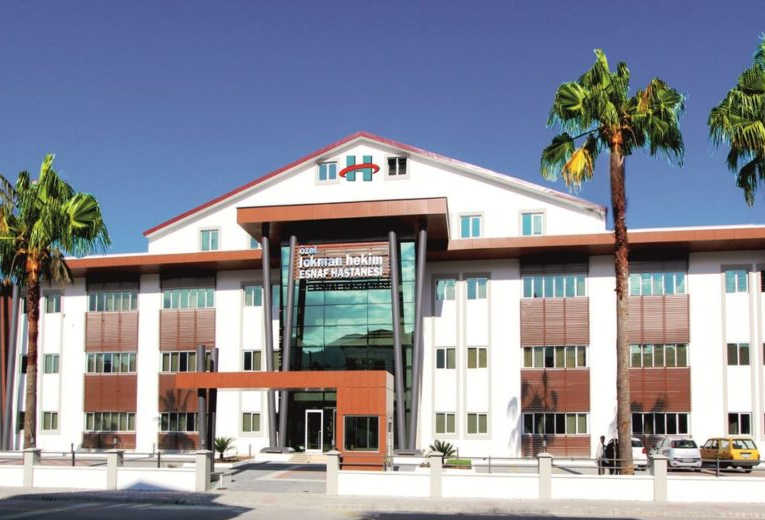
Choosing Lokman Hekim Esnaf Hospital for Spinal Fusion gives patients access to experienced spine specialists, advanced surgical technology, and comprehensive post-operative care. Established in 1997, the JCI accredited hospital in Fethiye, Turkey has 75 beds and provides specialized spinal treatment.
Spinal Fusion may be advised when a section of the spine requires additional stability or correction that cannot be adequately achieved through conservative management. The procedure involves preparing the affected vertebral levels and placing bone graft material between them so that new bone can form and create a solid connection. Screws, rods, cages, or plates may be incorporated depending on the surgical technique. Doctors use clinical examination and imaging studies to assess spinal alignment, nerve involvement, and the condition of the affected vertebrae before surgery.
Choosing Bukit Tinggi Medical Centre for Spinal Fusion gives patients access to experienced spine specialists, advanced surgical technology, and comprehensive post-operative care. Established in 2016, the MSQH accredited hospital in Kuala Lumpur, Malaysia has 171 beds and provides specialized spinal treatment.
Spinal Fusion may be advised when a section of the spine requires additional stability or correction that cannot be adequately achieved through conservative management. The procedure involves preparing the affected vertebral levels and placing bone graft material between them so that new bone can form and create a solid connection. Screws, rods, cages, or plates may be incorporated depending on the surgical technique. Doctors use clinical examination and imaging studies to assess spinal alignment, nerve involvement, and the condition of the affected vertebrae before surgery.
Rajagiri Hospital provides specialized Spinal Fusion with a focus on restoring spinal stability, correcting structural problems, and supporting long-term functional recovery. Established in 2014, the JCI accredited hospital is located in Kochi, India and operates beds with modern spine-care infrastructure.
Spinal Fusion involves joining selected vertebrae so that they heal into a single stable segment. It may form part of treatment for spinal deformities, instability, vertebral injuries, or specific degenerative and structural disorders. Depending on the patient's condition, the surgeon may also decompress nearby nerves before stabilizing the spine with bone graft material and surgical hardware. The treatment plan is based on the affected spinal levels, severity of the condition, neurological findings, and overall health. Follow-up imaging and rehabilitation are commonly used to monitor fusion and recovery.
Choosing Fortis Hiranandani Hospital for Spinal Fusion gives patients access to experienced spine specialists, advanced surgical technology, and comprehensive post-operative care. Established in 2007, the NABH accredited hospital in Mumbai, India has 149 beds and provides specialized spinal treatment.
Spinal Fusion may be advised when a section of the spine requires additional stability or correction that cannot be adequately achieved through conservative management. The procedure involves preparing the affected vertebral levels and placing bone graft material between them so that new bone can form and create a solid connection. Screws, rods, cages, or plates may be incorporated depending on the surgical technique. Doctors use clinical examination and imaging studies to assess spinal alignment, nerve involvement, and the condition of the affected vertebrae before surgery.
Choosing Jaypee Hospital for Spinal Fusion gives patients access to experienced spine specialists, advanced surgical technology, and comprehensive post-operative care. Established in 2014, the NABH, JCI accredited hospital in Noida, India has 1200 beds and provides specialized spinal treatment.
Spinal Fusion may be advised when a section of the spine requires additional stability or correction that cannot be adequately achieved through conservative management. The procedure involves preparing the affected vertebral levels and placing bone graft material between them so that new bone can form and create a solid connection. Screws, rods, cages, or plates may be incorporated depending on the surgical technique. Doctors use clinical examination and imaging studies to assess spinal alignment, nerve involvement, and the condition of the affected vertebrae before surgery.
Choosing Fortis Hospital, Shalimar Bagh for Spinal Fusion gives patients access to experienced spine specialists, advanced surgical technology, and comprehensive post-operative care. Established in 2010, the NABH accredited hospital in Delhi, India has 262 beds and provides specialized spinal treatment.
Spinal Fusion may be advised when a section of the spine requires additional stability or correction that cannot be adequately achieved through conservative management. The procedure involves preparing the affected vertebral levels and placing bone graft material between them so that new bone can form and create a solid connection. Screws, rods, cages, or plates may be incorporated depending on the surgical technique. Doctors use clinical examination and imaging studies to assess spinal alignment, nerve involvement, and the condition of the affected vertebrae before surgery.
Wockhardt Hospital - A new Age Hospital offers advanced Spinal Fusion using modern spinal surgery techniques and individualized treatment protocols. Established in 2014, the NABH, NABL, JCI accredited hospital is located in Mumbai, India and has 350 beds, providing comprehensive spine care for local and international patients.
Spinal Fusion is a surgical procedure that joins two or more vertebrae to create a stable section of the spine. It may be recommended for conditions such as spinal instability, certain types of spinal deformity, vertebral fractures, or persistent symptoms associated with degenerative spinal conditions. During surgery, bone graft material is placed between the affected vertebrae, while screws, rods, plates, or other implants may be used to maintain alignment during healing. The specific technique depends on the location and condition of the spine.
Choosing Seven Hills Hospital for Spinal Fusion gives patients access to experienced spine specialists, advanced surgical technology, and comprehensive post-operative care. Established in 1986, the NABH, NABL, JCI accredited hospital in Mumbai, India has 1500 beds and provides specialized spinal treatment.
Spinal Fusion may be advised when a section of the spine requires additional stability or correction that cannot be adequately achieved through conservative management. The procedure involves preparing the affected vertebral levels and placing bone graft material between them so that new bone can form and create a solid connection. Screws, rods, cages, or plates may be incorporated depending on the surgical technique. Doctors use clinical examination and imaging studies to assess spinal alignment, nerve involvement, and the condition of the affected vertebrae before surgery.
| Speciality | Neurology |
| Procedure | Spinal Fusion |
| Success Rate | 75-90% |
| Recovery Time | 3-6 months |
| Treatment Time | 4-8 hours |
| Chances of Recurrence | 10-20% |
Spinal fusion is a surgical procedure in which two or more vertebrae in the spine are fused. It is performed to stabilize the spine, reduce pain, and improve overall spinal function. During the procedure, the surgeon uses bone grafts or artificial materials to create a solid bridge between the vertebrae to be fused. Metal implants such as screws, rods, or plates may also be used to provide additional support and stability during the healing process.
Spinal fusion can be used to treat various medical conditions affecting the spine, including degenerative disc disease, herniated discs, spinal fractures, spinal deformities (such as scoliosis or kyphosis), spinal infections, and spinal tumors. It is also commonly performed as part of the surgical treatment for spinal instability, spinal stenosis, and spondylolisthesis.
Recovery after spinal fusion surgery involves a period of immobilization and gradual rehabilitation. Patients may need to wear a brace or undergo physical therapy to support the spine and promote healing. Pain medication and activity modifications may be necessary during the initial stages of recovery. The length of the recovery process can vary depending on the individual, the extent of the surgery, and the specific condition being treated. It is important to attend follow-up appointments and undergo rehabilitation exercises to improve the pace of healing and restore function. Complete recovery can take several months.

Spinal fusion surgery is a complex procedure aimed at stabilizing the spine and reducing pain caused by spinal conditions such as degenerative disc disease, spinal stenosis, scoliosis, or spinal fractures.