Browse verified doctors or let our care team help you find the doctor best suited to your condition, treatment goals, and budget.
Choosing Apollo Multispecialty Hospitals for Deep Brain Stimulation gives patients access to experienced functional neurosurgeons, advanced stereotactic equipment, and comprehensive neurological care. Established in 2003, the JCI, ISO accredited hospital in Kolkata, India has 700 beds and provides specialized treatment for complex movement disorders.
Deep Brain Stimulation (DBS) is an implant-based therapy designed to regulate abnormal electrical signaling within targeted brain circuits. The procedure usually involves placing electrodes into a predetermined brain region and connecting them to a programmable device implanted beneath the skin. The stimulation can be adjusted without another brain operation, allowing clinicians to optimize settings according to the patient's symptoms and treatment response. Patients generally require regular follow-up visits for programming, medication adjustments, and monitoring of the implanted system.
Apollo Hospital provides specialized Deep Brain Stimulation with a focus on accurate patient selection, precise electrode placement, and individualized stimulation management. Established in 1983, the JCI accredited hospital is located in Chennai, India and operates 550 beds with modern neurotechnology and neurosurgical infrastructure.
Deep Brain Stimulation may provide symptom relief for carefully selected patients with movement disorders that remain disabling despite medication and other conservative approaches. Before treatment, a multidisciplinary team evaluates the patient's neurological symptoms, response to medicines, cognitive status, and imaging findings. During surgery, electrodes are placed in specific brain structures using stereotactic guidance, and the electrodes are connected to an implanted pulse generator. Following recovery, specialists gradually program the device to balance symptom control and potential side effects. Long-term follow-up is important for adjusting stimulation settings and managing the underlying condition.
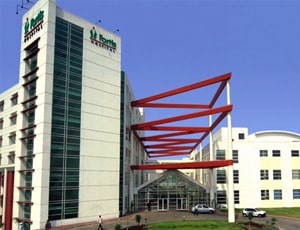
Fortis Hospital provides specialized Deep Brain Stimulation with a focus on accurate patient selection, precise electrode placement, and individualized stimulation management. Established in 2004, the NABH, NABL accredited hospital is located in Noida, India and operates 400 beds with modern neurotechnology and neurosurgical infrastructure.
Deep Brain Stimulation may provide symptom relief for carefully selected patients with movement disorders that remain disabling despite medication and other conservative approaches. Before treatment, a multidisciplinary team evaluates the patient's neurological symptoms, response to medicines, cognitive status, and imaging findings. During surgery, electrodes are placed in specific brain structures using stereotactic guidance, and the electrodes are connected to an implanted pulse generator. Following recovery, specialists gradually program the device to balance symptom control and potential side effects. Long-term follow-up is important for adjusting stimulation settings and managing the underlying condition.
At Manipal Hospital, Yeshwantpur, Deep Brain Stimulation is performed using advanced stereotactic navigation, brain imaging, and individualized treatment planning. Established in 2022, this JCI, NABH, NABL accredited hospital in Bangalore, India has 250 beds and offers specialized neurology, neurosurgery, and rehabilitation services.
Deep Brain Stimulation (DBS) may be considered when disabling neurological symptoms continue despite appropriate medical treatment or when medication causes troublesome fluctuations or side effects. During the procedure, electrodes are precisely positioned within a selected brain target and connected to an implanted neurostimulator. After surgical recovery, the stimulation settings are programmed and adjusted over time according to the patient's symptoms and response. DBS does not cure the underlying neurological disorder but can help reduce certain motor symptoms in appropriately selected patients.
At BGS Gleneagles Global Hospitals, Deep Brain Stimulation is performed using advanced stereotactic navigation, brain imaging, and individualized treatment planning. Established in 2007, this NABH, NABL accredited hospital in Bangalore, India has 500 beds and offers specialized neurology, neurosurgery, and rehabilitation services.
Deep Brain Stimulation (DBS) may be considered when disabling neurological symptoms continue despite appropriate medical treatment or when medication causes troublesome fluctuations or side effects. During the procedure, electrodes are precisely positioned within a selected brain target and connected to an implanted neurostimulator. After surgical recovery, the stimulation settings are programmed and adjusted over time according to the patient's symptoms and response. DBS does not cure the underlying neurological disorder but can help reduce certain motor symptoms in appropriately selected patients.
Wockhardt Hospital, Umrao provides specialized Deep Brain Stimulation with a focus on accurate patient selection, precise electrode placement, and individualized stimulation management. Established in 2014, the NABH accredited hospital is located in Mumbai, India and operates 350 beds with modern neurotechnology and neurosurgical infrastructure.
Deep Brain Stimulation may provide symptom relief for carefully selected patients with movement disorders that remain disabling despite medication and other conservative approaches. Before treatment, a multidisciplinary team evaluates the patient's neurological symptoms, response to medicines, cognitive status, and imaging findings. During surgery, electrodes are placed in specific brain structures using stereotactic guidance, and the electrodes are connected to an implanted pulse generator. Following recovery, specialists gradually program the device to balance symptom control and potential side effects. Long-term follow-up is important for adjusting stimulation settings and managing the underlying condition.
Manipal Hospital, Dwarka offers advanced Deep Brain Stimulation (DBS) Treatment using modern neurosurgical techniques and precise brain-targeting technology. Established in 2018, the NABH accredited hospital is located in Delhi, India and has 380 beds, providing comprehensive neurological and neurosurgical care for local and international patients.
Deep Brain Stimulation is a neurosurgical treatment in which thin electrodes are implanted in specific areas of the brain and connected to a pulse generator placed under the skin, usually near the chest. The system delivers controlled electrical impulses to modify abnormal brain activity. DBS is commonly used for selected patients with movement disorders such as Parkinson's disease, essential tremor, and dystonia when symptoms are not adequately controlled with medication. Detailed neurological assessment and brain imaging are performed before surgery to identify suitable candidates and plan electrode placement.
Guven Hospital provides specialized Deep Brain Stimulation with a focus on accurate patient selection, precise electrode placement, and individualized stimulation management. Established in 1975, the GHA accredited hospital is located in Ankara, Turkey and operates 254 beds with modern neurotechnology and neurosurgical infrastructure.
Deep Brain Stimulation may provide symptom relief for carefully selected patients with movement disorders that remain disabling despite medication and other conservative approaches. Before treatment, a multidisciplinary team evaluates the patient's neurological symptoms, response to medicines, cognitive status, and imaging findings. During surgery, electrodes are placed in specific brain structures using stereotactic guidance, and the electrodes are connected to an implanted pulse generator. Following recovery, specialists gradually program the device to balance symptom control and potential side effects. Long-term follow-up is important for adjusting stimulation settings and managing the underlying condition.
Jimenez Diaz Foundation University Hospital offers advanced Deep Brain Stimulation (DBS) Treatment using modern neurosurgical techniques and precise brain-targeting technology. Established in 1935, the ISO, JCI accredited hospital is located in Madrid, Spain and has 686 beds, providing comprehensive neurological and neurosurgical care for local and international patients.
Deep Brain Stimulation is a neurosurgical treatment in which thin electrodes are implanted in specific areas of the brain and connected to a pulse generator placed under the skin, usually near the chest. The system delivers controlled electrical impulses to modify abnormal brain activity. DBS is commonly used for selected patients with movement disorders such as Parkinson's disease, essential tremor, and dystonia when symptoms are not adequately controlled with medication. Detailed neurological assessment and brain imaging are performed before surgery to identify suitable candidates and plan electrode placement.
Medical Park Gebze Hospital is a trusted healthcare provider for Deep Brain Stimulation, offering specialized functional neurosurgery supported by experienced neurosurgeons, neurologists, and advanced brain-mapping technology. Established in 2015, the JCI accredited hospital is situated in Kocaeli, Turkey and has 120 beds.
Deep Brain Stimulation works by delivering electrical stimulation to carefully selected regions involved in abnormal neurological activity. It is most commonly associated with the treatment of Parkinson's disease, essential tremor, and dystonia, although its use depends on the specific condition and clinical circumstances. The treatment generally involves implanting one or more electrodes in the brain and connecting them to a pulse generator through extension wires. Before implantation, specialists assess symptoms, medication response, cognitive function, and overall health to determine whether DBS is appropriate.
At Parkside Private Hospital, Deep Brain Stimulation is performed using advanced stereotactic navigation, brain imaging, and individualized treatment planning. Established in 1983, this accredited hospital in London, United Kingdom has 82 beds and offers specialized neurology, neurosurgery, and rehabilitation services.
Deep Brain Stimulation (DBS) may be considered when disabling neurological symptoms continue despite appropriate medical treatment or when medication causes troublesome fluctuations or side effects. During the procedure, electrodes are precisely positioned within a selected brain target and connected to an implanted neurostimulator. After surgical recovery, the stimulation settings are programmed and adjusted over time according to the patient's symptoms and response. DBS does not cure the underlying neurological disorder but can help reduce certain motor symptoms in appropriately selected patients.
NMC As Salama Hospital is a trusted healthcare provider for Deep Brain Stimulation, offering specialized functional neurosurgery supported by experienced neurosurgeons, neurologists, and advanced brain-mapping technology. Established in 2001, the CBAHI accredited hospital is situated in Al Khobar, Saudi Arabia and has 120 beds.
Deep Brain Stimulation works by delivering electrical stimulation to carefully selected regions involved in abnormal neurological activity. It is most commonly associated with the treatment of Parkinson's disease, essential tremor, and dystonia, although its use depends on the specific condition and clinical circumstances. The treatment generally involves implanting one or more electrodes in the brain and connecting them to a pulse generator through extension wires. Before implantation, specialists assess symptoms, medication response, cognitive function, and overall health to determine whether DBS is appropriate.
Hannibal International Clinic is a trusted healthcare provider for Deep Brain Stimulation, offering specialized functional neurosurgery supported by experienced neurosurgeons, neurologists, and advanced brain-mapping technology. Established in 2007, the accredited hospital is situated in Tunis, Tunisia and has 120 beds.
Deep Brain Stimulation works by delivering electrical stimulation to carefully selected regions involved in abnormal neurological activity. It is most commonly associated with the treatment of Parkinson's disease, essential tremor, and dystonia, although its use depends on the specific condition and clinical circumstances. The treatment generally involves implanting one or more electrodes in the brain and connecting them to a pulse generator through extension wires. Before implantation, specialists assess symptoms, medication response, cognitive function, and overall health to determine whether DBS is appropriate.
Vinmec Phu Quoc Hospital offers advanced Deep Brain Stimulation (DBS) Treatment using modern neurosurgical techniques and precise brain-targeting technology. Established in 2015, the JCI accredited hospital is located in Phu Quoc, Vietnam and has 150 beds, providing comprehensive neurological and neurosurgical care for local and international patients.
Deep Brain Stimulation is a neurosurgical treatment in which thin electrodes are implanted in specific areas of the brain and connected to a pulse generator placed under the skin, usually near the chest. The system delivers controlled electrical impulses to modify abnormal brain activity. DBS is commonly used for selected patients with movement disorders such as Parkinson's disease, essential tremor, and dystonia when symptoms are not adequately controlled with medication. Detailed neurological assessment and brain imaging are performed before surgery to identify suitable candidates and plan electrode placement.
Vinmec Times City provides specialized Deep Brain Stimulation with a focus on accurate patient selection, precise electrode placement, and individualized stimulation management. Established in 2012, the JCI accredited hospital is located in Ha noi, Vietnam and operates 500 beds with modern neurotechnology and neurosurgical infrastructure.
Deep Brain Stimulation may provide symptom relief for carefully selected patients with movement disorders that remain disabling despite medication and other conservative approaches. Before treatment, a multidisciplinary team evaluates the patient's neurological symptoms, response to medicines, cognitive status, and imaging findings. During surgery, electrodes are placed in specific brain structures using stereotactic guidance, and the electrodes are connected to an implanted pulse generator. Following recovery, specialists gradually program the device to balance symptom control and potential side effects. Long-term follow-up is important for adjusting stimulation settings and managing the underlying condition.
| Speciality | Neurology |
| Procedure | Deep Brain Stimulation |
| Success Rate | 85-95% |
| Recovery Time | 3-4 weeks |
| Treatment Time | 2-6 hours |
| Chances of Recurrence | 10-20% |
Deep Brain Stimulation (DBS) is a surgical procedure that involves the implantation of electrodes in specific areas of the brain to deliver electrical impulses. During the procedure, thin wires called leads are placed in precise brain regions, and a device known as a neurostimulator is implanted under the skin in the chest or abdomen. The neurostimulator sends electrical signals to the targeted brain areas, modulating abnormal brain activity and helping to relieve symptoms.
Deep Brain Stimulation is primarily used to treat movement disorders such as Parkinson's disease, essential tremor, and dystonia. It can also be beneficial for certain psychiatric conditions like obsessive-compulsive disorder (OCD) and Tourette syndrome. In these conditions, DBS helps to regulate and modulate abnormal brain activity, reducing symptoms such as tremors, rigidity, involuntary movements, and obsessive or compulsive behaviors.
The recovery process after Deep Brain Stimulation can vary depending on individual factors and the specific condition being treated. Typically, patients will need some time to adjust to the presence of the implanted device and may experience temporary discomfort or soreness at the surgical sites. Physical therapy, occupational therapy, and speech therapy may be recommended to help regain movement, coordination, and speech abilities. Regular follow-up visits with the healthcare team are recommended. Overall, it may take around a month for the patient to adjust to normal life after the procedure.

Neurological disorders, including Parkinson's disease, essential tremor, and dystonia, are more than simply medical diagnoses for millions of people worldwide; they are thieves. They take away self-reliance, self-assurance, and the pure delight of steady motion.