Browse verified doctors or let our care team help you find the doctor best suited to your condition, treatment goals, and budget.

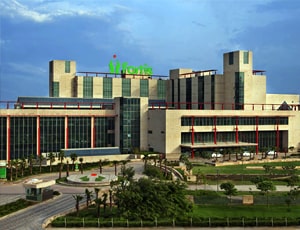
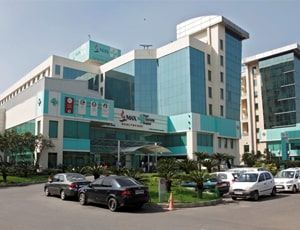
Medeor Hospital offers advanced Appendectomy using modern general surgical techniques and individualized perioperative care plans. Established in 2007, the NABH, NABL accredited hospital is located in Delhi, India and has 100 beds, providing comprehensive surgical care for local and international patients.
Appendectomy is a surgical procedure used to remove the appendix, most commonly when it becomes inflamed due to acute appendicitis. The procedure helps prevent complications such as perforation, abscess formation, or widespread infection within the abdomen. Depending on the patient's condition and surgical assessment, appendectomy may be performed using minimally invasive laparoscopic surgery or an open surgical approach.
Fortis Hospital, Mulund is a trusted healthcare provider for Appendectomy, offering appendicitis treatment supported by experienced general surgeons, modern operating facilities, emergency care services, and multidisciplinary perioperative management. Established in 2002, the JCI, NABH accredited hospital is situated in Mumbai, India and has 315 beds.
Appendectomy removes the inflamed or infected appendix to control the underlying source of appendicitis and reduce the risk of serious abdominal complications. Laparoscopic surgery is commonly used because it involves smaller incisions and allows the surgeon to inspect the abdominal cavity during the procedure. In cases involving perforation, abscess, extensive infection, or other clinical considerations, an open approach or additional treatment may be required.
Choosing Manipal Hospital, Hebbal for Appendectomy gives patients access to experienced general surgeons, advanced laparoscopic equipment, diagnostic imaging, emergency surgical support, and structured postoperative care. Established in 1991, the NABL, NABH accredited hospital in Bangalore, India has 280 beds and provides specialised gastrointestinal and emergency surgical services.
Appendectomy is generally performed under general anaesthesia. In a laparoscopic procedure, small abdominal incisions are used to access and remove the appendix, while an open appendectomy involves a larger incision in the lower right abdomen. Following surgery, patients are monitored for pain, fever, wound healing, bowel function, and signs of infection. Recovery depends on the surgical approach and whether the appendix has ruptured or caused other complications.
Choosing Max Super Speciality Hospital, Saket for Appendectomy gives patients access to experienced general surgeons, advanced laparoscopic equipment, diagnostic imaging, emergency surgical support, and structured postoperative care. Established in 2006, the JCI, NABH accredited hospital in Delhi, India has 539 beds and provides specialised gastrointestinal and emergency surgical services.
Appendectomy is generally performed under general anaesthesia. In a laparoscopic procedure, small abdominal incisions are used to access and remove the appendix, while an open appendectomy involves a larger incision in the lower right abdomen. Following surgery, patients are monitored for pain, fever, wound healing, bowel function, and signs of infection. Recovery depends on the surgical approach and whether the appendix has ruptured or caused other complications.
Gurgaon, India
Choosing Fortis Memorial Research Institute for Appendectomy gives patients access to experienced general surgeons, advanced laparoscopic equipment, diagnostic imaging, emergency surgical support, and structured postoperative care. Established in 2013, the JCI, NABH, NABL accredited hospital in Gurgaon, India has 311 beds and provides specialised gastrointestinal and emergency surgical services.
Appendectomy is generally performed under general anaesthesia. In a laparoscopic procedure, small abdominal incisions are used to access and remove the appendix, while an open appendectomy involves a larger incision in the lower right abdomen. Following surgery, patients are monitored for pain, fever, wound healing, bowel function, and signs of infection. Recovery depends on the surgical approach and whether the appendix has ruptured or caused other complications.
Asian Institute of Medical Sciences is a trusted healthcare provider for Appendectomy, offering appendicitis treatment supported by experienced general surgeons, modern operating facilities, emergency care services, and multidisciplinary perioperative management. Established in 2010, the NABL, NABH accredited hospital is situated in Faridabad, India and has 425 beds.
Appendectomy removes the inflamed or infected appendix to control the underlying source of appendicitis and reduce the risk of serious abdominal complications. Laparoscopic surgery is commonly used because it involves smaller incisions and allows the surgeon to inspect the abdominal cavity during the procedure. In cases involving perforation, abscess, extensive infection, or other clinical considerations, an open approach or additional treatment may be required.
Choosing Manipal Hospital, Gurugram for Appendectomy gives patients access to experienced general surgeons, advanced laparoscopic equipment, diagnostic imaging, emergency surgical support, and structured postoperative care. Established in 2008, the NABL, NABH accredited hospital in Gurgaon, India has 380 beds and provides specialised gastrointestinal and emergency surgical services.
Appendectomy is generally performed under general anaesthesia. In a laparoscopic procedure, small abdominal incisions are used to access and remove the appendix, while an open appendectomy involves a larger incision in the lower right abdomen. Following surgery, patients are monitored for pain, fever, wound healing, bowel function, and signs of infection. Recovery depends on the surgical approach and whether the appendix has ruptured or caused other complications.
Choosing Manipal Hospitals Goa, Dona Paula for Appendectomy gives patients access to experienced general surgeons, advanced laparoscopic equipment, diagnostic imaging, emergency surgical support, and structured postoperative care. Established in 1994, the NABH accredited hospital in Panjim, India has 235 beds and provides specialised gastrointestinal and emergency surgical services.
Appendectomy is generally performed under general anaesthesia. In a laparoscopic procedure, small abdominal incisions are used to access and remove the appendix, while an open appendectomy involves a larger incision in the lower right abdomen. Following surgery, patients are monitored for pain, fever, wound healing, bowel function, and signs of infection. Recovery depends on the surgical approach and whether the appendix has ruptured or caused other complications.
At Fortis Hospital, Appendectomy is performed using specialised laparoscopic and general surgical techniques with comprehensive preoperative assessment. Established in 2006, this JCI, NABH accredited hospital in Mohali, India has 276 beds and offers advanced emergency and gastrointestinal surgical services.
Appendectomy may be considered when acute appendicitis is diagnosed or when removal of the appendix is clinically indicated. During laparoscopic appendectomy, the surgeon uses small abdominal incisions to introduce a camera and specialized instruments, identifies the appendix, separates it from surrounding tissues, and removes it. Blood tests and imaging such as ultrasound or CT may be used to confirm the diagnosis and assess complications before surgery.
Metro Hospital offers advanced Appendectomy using modern general surgical techniques and individualized perioperative care plans. Established in 1997, the NABL, NABH, ISO accredited hospital is located in Noida, India and has 289 beds, providing comprehensive surgical care for local and international patients.
Appendectomy is a surgical procedure used to remove the appendix, most commonly when it becomes inflamed due to acute appendicitis. The procedure helps prevent complications such as perforation, abscess formation, or widespread infection within the abdomen. Depending on the patient's condition and surgical assessment, appendectomy may be performed using minimally invasive laparoscopic surgery or an open surgical approach.
Iranian Hospital provides specialised Appendectomy with a focus on timely diagnosis, precise surgical removal, minimally invasive techniques, and individualised postoperative care. Established in 1970, the accredited hospital is located in Dubai, United Arab Emirates and operates 220 beds, with modern general surgical, emergency, and diagnostic infrastructure.
Appendectomy can provide definitive treatment for acute appendicitis by removing the inflamed appendix before complications develop. The surgical approach is selected according to the patient's clinical condition, appendix anatomy, presence of perforation or abscess, and previous abdominal surgery. A detailed assessment using clinical examination, laboratory investigations, and appropriate imaging helps the surgical team determine the diagnosis and plan the most suitable operative approach.
Eregli Anadolu Hospital provides specialised Appendectomy with a focus on timely diagnosis, precise surgical removal, minimally invasive techniques, and individualised postoperative care. Established in 1998, the JCI accredited hospital is located in Zonguldak, Turkey and operates 75 beds, with modern general surgical, emergency, and diagnostic infrastructure.
Appendectomy can provide definitive treatment for acute appendicitis by removing the inflamed appendix before complications develop. The surgical approach is selected according to the patient's clinical condition, appendix anatomy, presence of perforation or abscess, and previous abdominal surgery. A detailed assessment using clinical examination, laboratory investigations, and appropriate imaging helps the surgical team determine the diagnosis and plan the most suitable operative approach.
Riyadh Care Hospital offers advanced Appendectomy using modern general surgical techniques and individualized perioperative care plans. Established in 1990, the JCI accredited hospital is located in Riyadh, Saudi Arabia and has 325 beds, providing comprehensive surgical care for local and international patients.
Appendectomy is a surgical procedure used to remove the appendix, most commonly when it becomes inflamed due to acute appendicitis. The procedure helps prevent complications such as perforation, abscess formation, or widespread infection within the abdomen. Depending on the patient's condition and surgical assessment, appendectomy may be performed using minimally invasive laparoscopic surgery or an open surgical approach.
Choosing Taoufik Clinique for Appendectomy gives patients access to experienced general surgeons, advanced laparoscopic equipment, diagnostic imaging, emergency surgical support, and structured postoperative care. Established in 1979, the ISO accredited hospital in Tunis, Tunisia has 180 beds and provides specialised gastrointestinal and emergency surgical services.
Appendectomy is generally performed under general anaesthesia. In a laparoscopic procedure, small abdominal incisions are used to access and remove the appendix, while an open appendectomy involves a larger incision in the lower right abdomen. Following surgery, patients are monitored for pain, fever, wound healing, bowel function, and signs of infection. Recovery depends on the surgical approach and whether the appendix has ruptured or caused other complications.
At Care national Hospital, Appendectomy is performed using specialised laparoscopic and general surgical techniques with comprehensive preoperative assessment. Established in 2003, this JCI accredited hospital in Riyadh, Saudi Arabia has 460 beds and offers advanced emergency and gastrointestinal surgical services.
Appendectomy may be considered when acute appendicitis is diagnosed or when removal of the appendix is clinically indicated. During laparoscopic appendectomy, the surgeon uses small abdominal incisions to introduce a camera and specialized instruments, identifies the appendix, separates it from surrounding tissues, and removes it. Blood tests and imaging such as ultrasound or CT may be used to confirm the diagnosis and assess complications before surgery.
| Speciality | General Surgery |
| Procedure | Appendectomy |
| Success Rate | 95-98% |
| Recovery Time | 1-4 weeks |
| Treatment Time | 30 minutes - 1 hour |
| Chances of Recurrence | 2-5% |
An appendectomy is a surgical procedure to remove the appendix, a small organ located in the lower right abdomen. The surgery can be performed through traditional open surgery or minimally invasive laparoscopic surgery. During an open appendectomy, a single incision is made in the abdomen, while a laparoscopic appendectomy involves several small incisions. The surgeon removes the inflamed or infected appendix to prevent it from rupturing and causing a potentially life-threatening condition called appendicitis.
Medical conditions treated through appendectomy include acute appendicitis, a condition where the appendix becomes inflamed and infected. The surgery can help patients avoid serious medical complications such as abscess formation, peritonitis, or systemic infection.
After an appendectomy, patients may experience mild to moderate pain and discomfort, which can be managed with pain medications. Recovery time varies, but most patients can resume normal activities within a few days to a week. It's essential to follow the surgeon's post-operative instructions, which may include wound care, avoiding heavy lifting or strenuous activities, and attending follow-up appointments to ensure proper healing.