Your Notifications
All done, no notifications

Best Hospitals for Gastroenterology in India

87 Hospitals

Awards
  • Best Hospital for Patient Safety - 2021: Nanavati Super Speciality Hospital was awarded the Best Hospital for Patient Safety at the 2021 Healthcare Asia Awards.
  • Best Hospital for Neurology - 2020: The award for Best Hospital for Neurology was given to Nanavati Super Speciality Hospital at the 2020 India Today Healthcare Awards.
  • Best Hospital for Oncology - 2019: Nanavati Super Speciality Hospital was awarded the Best Hospital for Oncology at the 2019 Times Health Excellence Awards.
  • Best Hospital for Cardiac Care - 2018: The award for Best Hospital for Cardiac Care was given to Nanavati Super Speciality Hospital at the 2018 India Today Healthcare Awards.
  • Best Hospital for Orthopedics - 2017: Nanavati Super Speciality Hospital was awarded the Best Hospital for Orthopedics at the 2017 Times Health Awards.

    Accreditation
  • National Accreditation Board for Hospitals & Healthcare Providers (NABH)

Please Enquire

Required | alphabets and spaces
Required | A valid, working email address
Required | A valid contact


Gastroenterology at Max Super Speciality Hospital (Patparganj) in India involves gastrointestinal disorders, including those of the esophagus, stomach, intestines, liver, pancreas, and gallbladder. The usual conditions involve acid reflux, ulcers, irritable bowel syndrome (IBS), inflammatory bowel disease (IBD), hepatitis, pancreatitis, and gastrointestinal cancers. Conditions are diagnosed and treated using endoscopic procedures like upper GI endoscopy, colonoscopy, and ERCP.

The department also manages complex liver conditions such as cirrhosis and portal hypertension. Experts are closely associated with dietitians, radiologists, and surgeons for overall management. Daycare procedures and minimally invasive interventions provide faster recovery. In India, Advanced gastroenterology units provide motility studies, capsule endoscopy, and therapeutic endoscopic procedures.


    Accreditation
  • National Accreditation Board for Hospitals & Healthcare Providers (NABH)
  • National Accreditation Board for Testing and Calibration Laboratories (NABL)
Average

Gastroenterology at Srikara Hospitals in India involves gastrointestinal disorders, including those of the esophagus, stomach, intestines, liver, pancreas, and gallbladder. The usual conditions involve acid reflux, ulcers, irritable bowel syndrome (IBS), inflammatory bowel disease (IBD), hepatitis, pancreatitis, and gastrointestinal cancers. Conditions are diagnosed and treated using endoscopic procedures like upper GI endoscopy, colonoscopy, and ERCP.

The department also manages complex liver conditions such as cirrhosis and portal hypertension. Experts are closely associated with dietitians, radiologists, and surgeons for overall management. Daycare procedures and minimally invasive interventions provide faster recovery. In India, Advanced gastroenterology units provide motility studies, capsule endoscopy, and therapeutic endoscopic procedures.


    Accreditation
  • National Accreditation Board for Hospitals & Healthcare Providers (NABH)
Average

Gastroenterology at Tx Hospitals Banjara Hills in India involves gastrointestinal disorders, including those of the esophagus, stomach, intestines, liver, pancreas, and gallbladder. The usual conditions involve acid reflux, ulcers, irritable bowel syndrome (IBS), inflammatory bowel disease (IBD), hepatitis, pancreatitis, and gastrointestinal cancers. Conditions are diagnosed and treated using endoscopic procedures like upper GI endoscopy, colonoscopy, and ERCP.

The department also manages complex liver conditions such as cirrhosis and portal hypertension. Experts are closely associated with dietitians, radiologists, and surgeons for overall management. Daycare procedures and minimally invasive interventions provide faster recovery. In India, Advanced gastroenterology units provide motility studies, capsule endoscopy, and therapeutic endoscopic procedures.


    Accreditation
  • Joint Commission International, or JCI
  • National Accreditation Board for Hospitals & Healthcare Providers (NABH)

The Gastroenterology Department at Apollo Hospital International Limited in India is concerned with diagnosing and treating digestive system diseases, including those of the esophagus, stomach, intestines, liver, gallbladder, and pancreas. Conditions include GERD, ulcers, IBS, Crohn's disease, hepatitis, pancreatitis, and colorectal cancer. The department utilises diagnostic tests, including endoscopy, colonoscopy, ERCP, capsule endoscopy, and liver function tests, to diagnose various diseases.

Advanced endoscopic surgeries in India enable the excision of polyps, banding of varices, and treatment of strictures without the need for an open approach. Liver pathology is typically addressed in coordination with transplant specialists. Pediatric gastroenterology emphasises children's congenital and developmental abnormalities.


    Accreditation
  • National Accreditation Board for Hospitals & Healthcare Providers (NABH)
  • Joint Commission International, or JCI

Please Enquire

Required | alphabets and spaces
Required | A valid, working email address
Required | A valid contact
Average

The Gastroenterology Department at Manipal Hospital, Gurugram, in India, is concerned with diagnosing and treating digestive system diseases like the esophagus, stomach, intestines, liver, gallbladder, and pancreas. Conditions include GERD, ulcers, IBS, Crohn's disease, hepatitis, pancreatitis, and colorectal cancer. The gastroenterology department utilises diagnostic tests, including endoscopy, colonoscopy, ERCP, capsule endoscopy, and liver function tests, to diagnose various diseases.

Gastroenterologists treat acute and chronic illnesses with medication, dietary changes, and endoscopic therapies. Advanced endoscopic surgeries enable the excision of polyps, banding of varices, and treatment of strictures without the need for an open approach. In India, pediatric gastroenterology emphasises congenital and developmental abnormalities of children.


    Accreditation
  • National Accreditation Board for Testing and Calibration Laboratories (NABL)
  • National Accreditation Board for Hospitals & Healthcare Providers (NABH)

Gastroenterology at Manipal Hospitals Goa in India involves gastrointestinal disorders, including those of the esophagus, stomach, intestines, liver, pancreas, and gallbladder. The usual conditions involve acid reflux, ulcers, irritable bowel syndrome (IBS), inflammatory bowel disease (IBD), hepatitis, pancreatitis, and gastrointestinal cancers. Conditions are diagnosed and treated using endoscopic procedures like upper GI endoscopy, colonoscopy, and ERCP.

The department also manages complex liver conditions such as cirrhosis and portal hypertension. Experts are closely associated with dietitians, radiologists, and surgeons for overall management. Daycare procedures and minimally invasive interventions provide faster recovery. In India, Advanced gastroenterology units provide motility studies, capsule endoscopy, and therapeutic endoscopic procedures.


    Accreditation
  • National Accreditation Board for Hospitals & Healthcare Providers (NABH)
Metro Hospital: Top Doctors, and Reviews

Noida, India

Average
Average

In India, Metro Hospital offers specialised gastroenterology care through its Institute of Gastrointestinal & Hepatobiliary Sciences, focusing on digestive system diseases, liver, pancreas, and biliary tract diseases. With expert gastroenterologists in India, the hospital provides consultations, advanced diagnostics, and personalised treatment plans. It features advanced medical and surgical gastroenterology technology, including GI oncology and bariatric surgery led by renowned gastroenterologists.

Metro Hospital in Noida is accredited by NABH and NABL, ensuring high standards of healthcare and laboratory services.


    Accreditation
  • National Accreditation Board for Testing and Calibration Laboratories (NABL)
  • National Accreditation Board for Hospitals & Healthcare Providers (NABH)
Sharda Hospital: Top Doctors, and Reviews

Noida, India

Average
Average

Sharda Hospital offers specialised gastroenterology care in India through its Institute of Gastrointestinal & Hepatobiliary Sciences, focusing on digestive system diseases, liver, pancreas, and biliary tract diseases. With expert gastroenterologists in India, the hospital provides consultations, advanced diagnostics, and personalised treatment plans. It features advanced medical and surgical gastroenterology technology, including GI oncology and bariatric surgery led by renowned gastroenterologists.

It is NABL and NABH-accredited, upholding global healthcare standards.


    Accreditation
  • National Accreditation Board for Hospitals & Healthcare Providers (NABH)

Please Enquire

Required | alphabets and spaces
Required | A valid, working email address
Required | A valid contact
Fortis Hospital: Top Doctors, and Reviews

Mohali, India

Average
Average

Gastroenterology at Fortis Hospital Mohali in India involves gastrointestinal disorders, including those of the esophagus, stomach, intestines, liver, pancreas, and gallbladder. The usual conditions involve acid reflux, ulcers, irritable bowel syndrome (IBS), inflammatory bowel disease (IBD), hepatitis, pancreatitis, and gastrointestinal cancers. Conditions are diagnosed and treated using endoscopic procedures like upper GI endoscopy, colonoscopy, and ERCP.

The department also manages complex liver conditions such as cirrhosis and portal hypertension. Experts are closely associated with dietitians, radiologists, and surgeons for overall management. Daycare procedures and minimally invasive interventions provide faster recovery. In India, Advanced gastroenterology units provide motility studies, capsule endoscopy, and therapeutic endoscopic procedures.


    Accreditation
  • Joint Commission International, or JCI
  • National Accreditation Board for Hospitals & Healthcare Providers (NABH)

The Gastroenterology department at Fortis Flt. Lt. Rajan Dhall Hospital in India focuses on diagnosing, treating, and preventing illnesses of the digestive tract and associated organs (liver, pancreas, gallbladder). A gastroenterologist can help treat common diagnoses such as IBS, IBD, celiac disease, ulcers of the stomach, appendicitis, pancreatitis, and hiatal hernia through medication, lifestyle changes, and advanced procedures.

Recovery from these conditions often requires diagnostic tests such as blood tests, stool samples, and medical imaging (e.g., X-ray, CT scan, MRI), as well as endoscopic procedures (e.g., colonoscopy, ERCP) in India. Early detection of GI diseases is key to reducing complications and improving quality of life. When a patient presents to a gastroenterologist for evaluation of their gastrointestinal health, a complete history and physical examination, along with necessary testing, are obtained.


    Accreditation
  • National Accreditation Board for Hospitals & Healthcare Providers (NABH)
Medeor Hospital: Top Doctors, and Reviews

Delhi, India

Average
Average

The Gastroenterology Department at Medeor Hospital in India is concerned with diagnosing and treating digestive system diseases, including those of the esophagus, stomach, intestines, liver, gallbladder, and pancreas. Conditions include GERD, ulcers, IBS, Crohn's disease, hepatitis, pancreatitis, and colorectal cancer. The department utilises diagnostic tests, including endoscopy, colonoscopy, ERCP, capsule endoscopy, and liver function tests, to diagnose various diseases.

Advanced endoscopic surgeries enable the excision of polyps, banding of varices, and treatment of strictures without the need for an open approach in India. Liver pathology is typically managed in coordination with transplant specialists. Pediatric gastroenterology emphasises children's congenital and developmental abnormalities.


    Accreditation
  • National Accreditation Board for Hospitals & Healthcare Providers (NABH)
  • National Accreditation Board for Testing and Calibration Laboratories (NABL)
Average

Gastroenterology at Asian Institute of Medical Sciences in India involves gastrointestinal disorders, including those of the esophagus, stomach, intestines, liver, pancreas, and gallbladder. The usual conditions involve acid reflux, ulcers, irritable bowel syndrome (IBS), inflammatory bowel disease (IBD), hepatitis, pancreatitis, and gastrointestinal cancers. Conditions are diagnosed and treated using endoscopic procedures, such as upper GI endoscopy, colonoscopy, and ERCP.

The department also manages complex liver conditions such as cirrhosis and portal hypertension. Experts are closely associated with dietitians, radiologists, and surgeons for overall management. Daycare procedures and minimally invasive interventions provide faster recovery. In India, Advanced gastroenterology units provide motility studies, capsule endoscopy, and therapeutic endoscopic procedures.


    Accreditation
  • National Accreditation Board for Testing and Calibration Laboratories (NABL)
  • National Accreditation Board for Hospitals & Healthcare Providers (NABH)

Please Enquire

Required | alphabets and spaces
Required | A valid, working email address
Required | A valid contact
Average

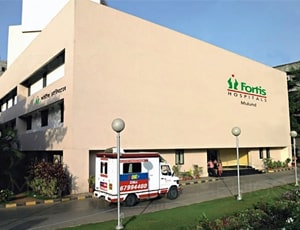
Fortis Hospital in India provides complete gastroenterology and hepatology services. Liver diseases, pancreatitis, inflammatory bowel disease, and gastrointestinal cancers are some of the conditions for which the institute offers diagnosis and treatment facilities. The hospital, with equipment that is state-of-the-art, offers advanced treatment procedures such as liver transplantation, ERCP, and endoscopic ultrasound. In effectively treating liver and digestive diseases in India, Fortis offers great, patient-centred care through a skilled team of doctors in Mumbai.

    Accreditation
  • Joint Commission International, or JCI
  • National Accreditation Board for Hospitals & Healthcare Providers (NABH)
Awards
  • Newsweek Survey: World’s Best Smart Hospitals 2024, Rank 34
  • Newsweek Survey: Best Hospitals in India 2024, Rank 14
  • Economic Times Health Awards (2024): Service Excellence in Neurosurgery, Excellence in multi-modality cancer treatment, Service Excellence in Surgery and Excellence in leading one of the most extensive BMT programs
  • Economic Times Healthcare Awards (2021): Best Hospital in North India for Oncology, Cardiology, and Gastroenterology.
  • Newsweek’s Top 25 ‘World’s Best Smart Hospitals’ (2021): The only Indian hospital on this prestigious list.
  • The Week Magazine Survey (2019-2021): Ranked No. 2 in Delhi NCR’s Best Private Hospital.
  • Economic Times Healthworld Hospital’s Award (2020): Best Oncology Hospital – Regionally.
  • FICCI Medical Value Specialist Travel Award (2019): Recognised for Neurosciences, Spine Surgery, and Bone Marrow Transplant.
  • Pharmacie De Qualite (2019): Awarded for Good Pharmacy Practices.
  • AHPI (2019): Best Hospital to Work for.
  • DL SHAH Awards (2015): Certificate of Merit for Quality Improvement Projects.
  • APSIC: Centre of Excellence designation for the hospital’s CSSD.

    Accreditation
  • Joint Commission International, or JCI
  • National Accreditation Board for Hospitals & Healthcare Providers (NABH)

Ask your healthcare adviser for the best multiple options and choose the one that meets your expectations

Request for an Expert Opinion

Required | alphabets and spaces
Required | A valid, working email address
Required | A valid contact

Featured Telemedicine Doctors

Specialised gastroenterology hospitals provide comprehensive care for all digestive system needs through advanced diagnostic and treatment solutions. Equipped with cutting-edge technology, such as Capsule Endoscopy, patients can undergo complete intestinal examinations simply by swallowing a pill-sized camera. Procedures such as UGI Endoscopy allow for detailed visualisation of the upper gastrointestinal tract, enabling accurate diagnosis, while Haemorrhoid Surgery offers effective, minimally invasive solutions for lasting relief. For complex biliary and pancreatic conditions, ERCP (Diagnostic) delivers precise imaging and therapeutic interventions.

These centres combine highly trained specialists, state-of-the-art facilities, and patient-centred approaches to ensure optimal outcomes. Every procedure, from routine screenings to complex interventions, is performed with meticulous attention to safety and comfort. With a focus on advanced medical expertise, affordable treatment options, and personalised care plans, these hospitals are premier destinations for world-class gastroenterological care.

Why Choose a Gastroenterology Hospital in India?

The following are the reasons to choose a Gastroenterology Hospital in India:-

  • Digestive Health Experts – Specialised doctors focused only on stomach, liver, and intestinal care.
  • Painless Camera Tests – Tiny lighted tubes examine your digestive system comfortably.
  • Advanced Healing Tools – Miniature instruments repair problems without significant cuts.
  • Gentle Body Scans – Comfortable imaging machines take detailed internal pictures.
  • Personalised Nutrition Plans – Food scientists create customised diets tailored to your specific needs.
  • International Patient Care – Travel coordinators handle everything from flights to translators.
  • Ongoing Wellness Support – Remote consultations keep you connected to your doctors.

Common Gastroenterology Treatments

International Patient Support for Gastroenterology in India

Leading Gastroenterology Hospitals in India provide exceptional care to international patients, ensuring a seamless and comfortable experience. These dedicated services include:

  • Dedicated Care Coordination: Personalised treatment planning with a single-point contact for all medical needs.
  • Advanced Procedures: Expertise in capsule endoscopy, ERCP, and minimally invasive surgeries.
  • Travel Assistance: Visa letters, airport transfers, and local accommodation arrangements.
  • Language Support: Multilingual staff and translated medical documents for clear communication.
  • Continued Care: Remote consultations and international medication delivery post-treatment.
  • Why Choose Us: World-class specialists, accredited facilities, and cost-effective quality care.

Patient Stories

Frequently Asked Questions

What Makes a Hospital the Best for Gastroenterology Treatment in India?

The best gastroenterology hospital in India usually excels in several critical areas, such as:

  • Skilled and Experienced Gastroenterologists
  • Advanced Diagnostic Tools
  • Multidisciplinary Approach
  • High Standards of Patient Care
  • Positive Patient Outcomes
  • Accreditations
What Accreditations Do Gastroenterology Hospitals in India Hold?


Hospitals in India specialising in various departments typically hold two major healthcare accreditation standards.

  • NABH (National Accreditation Board for Hospitals & Healthcare Providers)
  • JCI (Joint Commission International)

These accreditations demonstrate hospitals' dedication to offering exceptional medical care and ensuring patient safety.

What are the Latest Gastroenterological Treatment Techniques Available at the Gastroenterology Hospitals in India?


The latest Gastroenterological treatment techniques available at the gastroenterology hospitals in India.

  • Minimally Invasive Endoscopic Procedures
  • Liver transplantation
  • Immunotherapy
  • Robotic Surgery

Other Innovative Treatments, as well as the equipment used and offered by the gastroenterology department, are as follows:

  • Modern Laparoscopic Procedures
  • Oncosurgery and Bariatric Surgery
  • Single Laparoscopic Incision Procedure
  • Modern Laparoscopic Tools
  • Laparoscopic Cholecystectomy
  • Appendectomy
  • Excellent Post-Operative Management and Monitoring
What Factors Should You Consider When Choosing a Gastroenterology Hospital in India?


Criteria To Choose The Best Gastroenterologist Hospitals In India

  • Check Credentials and Expertise: Ensure the gastroenterologists possess the necessary training in specific gastrointestinal specialities and are board-certified.
  • Patient Reviews: Examine previous patient reviews to assess the doctor's expertise and level of satisfaction.
  • Accessibility and Waiting Time: Consider the time it takes to get a consultation and the hospital's location for convenient follow-up appointments.
  • Evaluate the Hospital: Ensure the hospital has the advanced technology and diagnostic tools required for efficient care.
  • Schedule Consultation: Make sure the gastroenterologist speaks a language you can understand when you meet with them to review treatment plans.
Are Robotic Surgeries for Gastroenterology Treatment Available in India?


Yes, robotic surgeries for gastroenterology treatment are available in many leading hospitals India. These advanced operations improve patients' accuracy, use less intrusive methods, and result in quicker recovery periods. Robotic-assisted technologies are frequently used in hospitals with dedicated gastrointestinal departments for surgeries such as bariatric procedures, liver surgeries, and colorectal resections.

However, the availability of robotic surgeries may differ depending on the hospital's resources and the complex nature of the necessary surgery. To determine whether robotic surgery is appropriate for your particular conditions, you are advised to speak with a licensed gastroenterologist.

What Diagnostic Services are Available at the gastroenterology Hospitals in India?


Gastroenterology hospitals in India offer a wide range of advanced diagnostic services to accurately evaluate and treat digestive system conditions. These services typically include:

  • Endoscopy: Techniques to view the digestive tract for problems such as ulcers, tumours, or inflammation, such as colonoscopy and upper GI endoscopy.
  • Endoscopic Ultrasound (EUS): A method for visualising the gastrointestinal organs and surrounding structures.
  • CT Scan and MRI: Imaging technologies used to assess conditions like liver disease, pancreatitis, and cancers.
  • Liver Function Tests: Blood tests to evaluate liver health and detect conditions such as hepatitis or cirrhosis.
  • Stool tests: To identify digestive issues, gastrointestinal bleeding, or infections.
Which are Some of the Top gastroenterology Hospitals in India?

Some of the top multispecialty hospitals for Gastroenterology in India are as follows:

What Services are Available for International Patients at Gastroenterology Hospitals in India?

Hospitals in India offer a range of services for international patients to ensure a smooth and comfortable experience, such as :

  • Medical Visa Assistance
  • Language Support
  • Personalised Care Coordinators
  • International Insurance
  • Airport Transfers and Accommodation
  • Telemedicine Services

These services ensure that international patients receive seamless medical care with minimal stress.

How Experienced are the gastroenterology Surgeons in these Hospitals?

The gastroenterology Hospitals in India employ highly skilled gastrointestinal surgeons, many of whom specialise in intricate digestive system procedures. They are mostly board-certified and have received additional training in treating problems like inflammatory bowel disorders, liver ailments, and colon cancer.

These doctors' years of experience doing minimally invasive treatments, such as robotic and laparoscopic surgery, guarantee high precision and quicker recovery. Patient reviews and positive treatment results further demonstrate their proficiency and superior level of care.

Do gastroenterology Hospitals in India Provide pre and Post-operative Care?

Yes, gastroenterology hospitals in India provide comprehensive pre and post-operative care to ensure the best outcomes for patients.

  • Pre-operative Care: Hospitals do comprehensive evaluations, including diagnostic testing and discussions with surgeons, to prepare patients for surgery. Before the treatment, they also offer advice on medication, food, and other necessary lifestyle changes.
  • Post-operative Care: Following surgery, hospitals provide specialist follow-up care that includes pain management, healing monitoring, and recovery monitoring. To help with their recovery, patients are given guidance on food, activity limitations, and therapy.

These care protocols ensure a smooth journey from surgery to full recovery.

How Many Days Does the Patient Need to Stay in India after Gastroenterology Treatment?


The number of days a patient needs to stay in India after gastroenterology treatment depends on the type of procedure and the patient’s recovery progress.

  • For Non-Surgical Procedures: If the treatment is non-invasive, patients may be able to leave the hospital the same day or after a short observation period (1-2 days).
  • For Surgical Procedures: After surgeries, patients typically need to stay for 3 to 7 days, depending on the complexity of the procedure and recovery rate.

Generally, staying in the country for about 1-2 weeks is recommended for follow-up consultations and to ensure proper recovery. Your doctor will provide a more specific timeline based on your treatment.

What Treatments and Procedures are Offered by the Gastroenterology Department in India?


Medical gastroenterologists treat gastrointestinal diseases with non-surgical methods. The following are typical operations carried out by India leading medical gastroenterologists:

  • Colonoscopy
  • Upper gastrointestinal endoscopy
  • Endoscopic ultrasound (EUS)
  • Endoscopic retrograde cholangiopancreatography (ERCP)

Surgical Gastroenterologists are involved in operative interventions and minimally invasive procedures. Surgical Gastroenterologists may perform open or minimally invasive procedures depending on your health condition. Standard procedures performed by the top surgical gastroenterologists in India include the following:

  • Colon and rectal surgery
  • Appendectomy
  • Nephrectomy
  • Hiatal hernia repair
  • Splenectomy
  • Nissen
  • Colostomy
  • Achalasia cardia

FAQ's Related to India

What healthcare accreditation standards are followed in India?

There are two major healthcare accreditation standards followed by healthcare providers in India. A benchmark has been set by National Accreditation Board for Hospitals & Healthcare Providers (NABH). The first one is National Accreditation Board for Hospitals & Healthcare Providers (NABH). JCI or Joint Commission International is another well known standard which sets benchmark for healthcare providers in India and abroad.

Which are the popular multispecialty hospital groups in India?

Some of the top multispecialty hospitals in India are Indraprastha Apollo Hospital, Delhi; Max Super Speciality Hospital, Delhi; Medanta Medicity Hospital, Gurgaon; Artemis Hospital, Gurgaon; fortis Hospital, Noida; BLK Super Specialty Hospital, Delhi; Nanavati Hospital, Mumbai. These wonderful hospitals incorporate even the general medical needs of patients. These hospitals can do all kinds of surgeries and they have several specialties. World-class medical treatment is offered at affordable cost in Indian multispecialty hospitals.

Why should I opt for healthcare in India?

India has a large pool of highly professional, competent, and qualified doctors who are known for providing treatment with high precision and accuracy. Ease of travel, ease of communication, alternative treatment availability and visa assistance are the important factors that make India one of the most favored destinations for medical tourism. Indian healthcare infrastructure is equivalent to international health standards and equate to high end technologies at par with the western world. When we talk of good healthcare and economical prices, we come to India.

How is the quality of doctors in India?

Newer healthcare challenges are met with great degree of confidence by doctors in India which translates to satisfied patients. Skill and application of that skill with precision ensures that Indian doctors are considered proficient in their work. Indian doctors have been educated at the best educational institutions in the world. There is a personal touch that Indian doctors and surgeons provide you with and the best of medical care.

When traveling to India for medical treatment, what essential documents do I need to carry along?

Packing is always an important part when you are traveling to another country for medical treatment. Documents such as medical history, test reports, medical records, doctor referral notes, passport copies, residence/ driver's license/bank statement and health insurance details need to be carried to India for your medical treatment. Your trip will get off to a good start if you prepare well by packing your luggage in advance. It is essential that you make sure your documents are aligned with your destination country.

What are the popular procedures available in India?

A strength that aids the growth in the number of popular procedures available in India is the abundance of good hospitals and healthcare facilities. Valvular Heart Surgery Knee Replacement Surgery Bone Marrow Transplant Lung Transplant Thoracic Surgery LVAD Implantation Meniscus Repair Surgery CT Coronary Angiogram Hand Surgery Heart Blockage Treatment Hip Resurfacing Surgery Interventional Cardiography, Angioplasty Cochlear Implant Pacemaker Implantation Robotic Heart Surgery Coronary Heart Disease Treatment Coronary Angioplasty Bariatric Surgery Chemotherapy Ankle Replacement Kidney Transplant The good quality of doctors who are providing treatment and performing surgeries at economical prices has led to the growth in procedures like heart surgeries, orthopaedic procedures, organ transplants and in treatment of cancer in India. The popular procedures that are being performed in India are being refined over time owing to an upgradation of various techniques and technologies.

Is it mandatory to take vaccinations before going to India?

You need to keep yourself updated with a travel advisory issued by the Indian government or contact your hospital in India for complete information on vaccination guidelines. Any international travel requires vaccinations and up-to-date immunizations. The vaccinations like hepatitis A, hepatitis B, Covid, typhoid fever, Japanese encephalitis, rabies, DPT, measles, yellow fever have become essential before your India visit. The medical tourists with India as their destination are also required to get it done.

What are the other facilities provided by hospitals?

Some of the facilities available at hospitals in India are room reservation, visa assistance, embassy assistance, hotel services/apartment bookings, language interpretation services, tele-consults, and pre departure evaluation. The health care providers in India are committed to giving their all to make your stay in the hospital comfortable. The Indian healthcare sector is capable to provide the safety and comfort that International medical travellers require. In India, the hospitals have seamlessly functioning international patient care centers that provide all kinds of assistance to medical tourists.

What are the major medical tourism destinations in India?

Some of the leading medical tourism destinations in India are Mumbai, Kolkata, Chennai, Delhi, Hyderabad, and Bengaluru. The excellent medical services on par with many developed countries make India a hub for medical tourism. Owing to the availability of exceptional medical facilities, the patient care and all round medical care at affordable prices have made India an attraction for tourists. Both the private sector and the Government of India are making sure to promote in the growth of the medical tourism sector in India and the results are for everyone to see.