Browse verified doctors or let our care team help you find the doctor best suited to your condition, treatment goals, and budget.
Assuta Hospital provides specialized Cochlear Implant with a focus on accurate hearing assessment, precise implant placement, and long-term auditory rehabilitation. Established in 1934, the JCI accredited hospital is located in Tel Aviv, Israel and operates 300 beds with modern ENT and audiology infrastructure.
Cochlear Implant is an advanced hearing restoration option for eligible patients with significant sensorineural hearing loss. A comprehensive evaluation is performed before surgery to assess hearing ability, speech and language development where applicable, medical suitability, and the condition of the inner ear. During implantation, the electrode array is positioned inside the cochlea while the electronic receiver is secured beneath the skin. After the surgical site heals, the external sound processor is activated and adjusted over time. Regular audiological follow-up and rehabilitation help patients adapt to and make effective use of the device.
Kalra Hospital offers advanced Cochlear Implant procedures using modern otologic surgery and hearing rehabilitation techniques. Established in 1987, the NABH accredited hospital is located in Delhi, India and has 110 beds, providing comprehensive hearing and ENT care for local and international patients.
Cochlear Implant is an electronic hearing device designed for people with severe to profound sensorineural hearing loss who receive limited benefit from appropriately fitted hearing aids. The system consists of an internal implant and an external sound processor. During surgery, the internal component is placed beneath the skin and an electrode array is inserted into the cochlea. After healing, the external processor is activated and programmed, followed by auditory rehabilitation to help the patient interpret the new sound signals.
At Medicana Haznedar Hospital, Cochlear Implant is performed using advanced cochlear implant technology and personalized treatment plans. Established in 1995, this ISO, JCI accredited hospital in Istanbul, Turkey has 120 beds and offers comprehensive audiology, ENT, and hearing rehabilitation services.
Cochlear Implant may be considered for children or adults with significant sensorineural hearing loss when conventional hearing aids do not provide adequate access to speech and sound. Before implantation, patients undergo detailed hearing tests, audiological evaluation, imaging when appropriate, and medical assessment to determine suitability. The surgeon places the implant under the skin behind the ear and guides the electrode array into the cochlea. Once the device is activated, ongoing programming and auditory training are important parts of the treatment process.
Apollo Spectra Hospitals is a trusted healthcare provider for Cochlear Implant, offering specialized cochlear implantation supported by experienced ENT surgeons, audiologists, and advanced hearing technology. Established in 2012, the JCI, NABL, UKAS accredited hospital is situated in Delhi, India and has 30 beds.
Cochlear Implant can provide access to sound for selected individuals with severe to profound sensorineural hearing loss by directly stimulating the auditory nerve through electrical signals. Unlike a hearing aid, which amplifies incoming sounds, a cochlear implant bypasses damaged portions of the inner ear and electrically stimulates the auditory pathway. The treatment involves a surgical implantation stage followed by device activation and rehabilitation. The expected benefit varies depending on factors such as the duration of hearing loss, age at implantation, and auditory experience.
Choosing I.A.U VM Medical Park Florya Hospital for Cochlear Implant gives patients access to experienced otologists, audiologists, advanced surgical facilities, and comprehensive hearing rehabilitation. Established in 2017, the JCI accredited hospital in Istanbul, Turkey has 300 beds and provides specialized hearing care.
Cochlear Implant is recommended for carefully selected patients whose hearing loss is severe enough that hearing aids provide insufficient benefit. The procedure involves positioning an internal receiver-stimulator beneath the skin and inserting a flexible electrode array into the cochlea. The external sound processor captures sound and converts it into signals that are transmitted to the internal device. After surgical healing, the processor is fitted and programmed, and patients usually undergo structured auditory rehabilitation to develop listening skills.
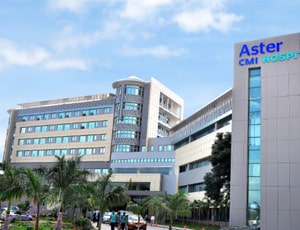
Aster CMI Hospital provides specialized Cochlear Implant with a focus on accurate hearing assessment, precise implant placement, and long-term auditory rehabilitation. Established in 2014, the JCI, NABH, NABL accredited hospital is located in Bangalore, India and operates 500 beds with modern ENT and audiology infrastructure.
Cochlear Implant is an advanced hearing restoration option for eligible patients with significant sensorineural hearing loss. A comprehensive evaluation is performed before surgery to assess hearing ability, speech and language development where applicable, medical suitability, and the condition of the inner ear. During implantation, the electrode array is positioned inside the cochlea while the electronic receiver is secured beneath the skin. After the surgical site heals, the external sound processor is activated and adjusted over time. Regular audiological follow-up and rehabilitation help patients adapt to and make effective use of the device.
Durban, South Africa
At Lenmed Ethekwini Hospital and Heart Centre, Cochlear Implant is performed using advanced cochlear implant technology and personalized treatment plans. Established in 2002, this accredited hospital in Durban, South Africa has 353 beds and offers comprehensive audiology, ENT, and hearing rehabilitation services.
Cochlear Implant may be considered for children or adults with significant sensorineural hearing loss when conventional hearing aids do not provide adequate access to speech and sound. Before implantation, patients undergo detailed hearing tests, audiological evaluation, imaging when appropriate, and medical assessment to determine suitability. The surgeon places the implant under the skin behind the ear and guides the electrode array into the cochlea. Once the device is activated, ongoing programming and auditory training are important parts of the treatment process.
Choosing Czech Medical Center for Cochlear Implant gives patients access to experienced otologists, audiologists, advanced surgical facilities, and comprehensive hearing rehabilitation. Established in 1996, the JCI accredited hospital in Brno, Czechia it has adequate bed capacity and provides specialized hearing care.
Cochlear Implant is recommended for carefully selected patients whose hearing loss is severe enough that hearing aids provide insufficient benefit. The procedure involves positioning an internal receiver-stimulator beneath the skin and inserting a flexible electrode array into the cochlea. The external sound processor captures sound and converts it into signals that are transmitted to the internal device. After surgical healing, the processor is fitted and programmed, and patients usually undergo structured auditory rehabilitation to develop listening skills.
Biruni University Hospital provides specialized Cochlear Implant with a focus on accurate hearing assessment, precise implant placement, and long-term auditory rehabilitation. Established in 2016, the JCI accredited hospital is located in Istanbul, Turkey and operates 617 beds with modern ENT and audiology infrastructure.
Cochlear Implant is an advanced hearing restoration option for eligible patients with significant sensorineural hearing loss. A comprehensive evaluation is performed before surgery to assess hearing ability, speech and language development where applicable, medical suitability, and the condition of the inner ear. During implantation, the electrode array is positioned inside the cochlea while the electronic receiver is secured beneath the skin. After the surgical site heals, the external sound processor is activated and adjusted over time. Regular audiological follow-up and rehabilitation help patients adapt to and make effective use of the device.
MGM Healthcare offers advanced Cochlear Implant procedures using modern otologic surgery and hearing rehabilitation techniques. Established in 2016, the NABH, NABL, JCI accredited hospital is located in Chennai, India and has 400 beds, providing comprehensive hearing and ENT care for local and international patients.
Cochlear Implant is an electronic hearing device designed for people with severe to profound sensorineural hearing loss who receive limited benefit from appropriately fitted hearing aids. The system consists of an internal implant and an external sound processor. During surgery, the internal component is placed beneath the skin and an electrode array is inserted into the cochlea. After healing, the external processor is activated and programmed, followed by auditory rehabilitation to help the patient interpret the new sound signals.
Sharjah, United Arab Emirates
Zulekha Hospital Sharjah offers advanced Cochlear Implant procedures using modern otologic surgery and hearing rehabilitation techniques. Established in 1992, the JCI accredited hospital is located in Sharjah, United Arab Emirates and has 185 beds, providing comprehensive hearing and ENT care for local and international patients.
Cochlear Implant is an electronic hearing device designed for people with severe to profound sensorineural hearing loss who receive limited benefit from appropriately fitted hearing aids. The system consists of an internal implant and an external sound processor. During surgery, the internal component is placed beneath the skin and an electrode array is inserted into the cochlea. After healing, the external processor is activated and programmed, followed by auditory rehabilitation to help the patient interpret the new sound signals.
Apollo Hospitals Bannerghatta offers advanced Cochlear Implant procedures using modern otologic surgery and hearing rehabilitation techniques. Established in 2007, the JCI accredited hospital is located in Bangalore, India and has 350 beds, providing comprehensive hearing and ENT care for local and international patients.
Cochlear Implant is an electronic hearing device designed for people with severe to profound sensorineural hearing loss who receive limited benefit from appropriately fitted hearing aids. The system consists of an internal implant and an external sound processor. During surgery, the internal component is placed beneath the skin and an electrode array is inserted into the cochlea. After healing, the external processor is activated and programmed, followed by auditory rehabilitation to help the patient interpret the new sound signals.
Choosing Fortis Hospital for Cochlear Implant gives patients access to experienced otologists, audiologists, advanced surgical facilities, and comprehensive hearing rehabilitation. Established in 2001, the NABH, NABL, JCI accredited hospital in Bangalore, India has 375 beds and provides specialized hearing care.
Cochlear Implant is recommended for carefully selected patients whose hearing loss is severe enough that hearing aids provide insufficient benefit. The procedure involves positioning an internal receiver-stimulator beneath the skin and inserting a flexible electrode array into the cochlea. The external sound processor captures sound and converts it into signals that are transmitted to the internal device. After surgical healing, the processor is fitted and programmed, and patients usually undergo structured auditory rehabilitation to develop listening skills.
Faridabad, India
Sarvodaya Hospital and Research Centre offers advanced Cochlear Implant procedures using modern otologic surgery and hearing rehabilitation techniques. Established in 1997, the NABH, NABL accredited hospital is located in Faridabad, India and has 500 beds, providing comprehensive hearing and ENT care for local and international patients.
Cochlear Implant is an electronic hearing device designed for people with severe to profound sensorineural hearing loss who receive limited benefit from appropriately fitted hearing aids. The system consists of an internal implant and an external sound processor. During surgery, the internal component is placed beneath the skin and an electrode array is inserted into the cochlea. After healing, the external processor is activated and programmed, followed by auditory rehabilitation to help the patient interpret the new sound signals.
Medipol Mega University Hospital offers advanced Cochlear Implant procedures using modern otologic surgery and hearing rehabilitation techniques. Established in 2012, the JCI accredited hospital is located in Istanbul, Turkey and has 810 beds, providing comprehensive hearing and ENT care for local and international patients.
Cochlear Implant is an electronic hearing device designed for people with severe to profound sensorineural hearing loss who receive limited benefit from appropriately fitted hearing aids. The system consists of an internal implant and an external sound processor. During surgery, the internal component is placed beneath the skin and an electrode array is inserted into the cochlea. After healing, the external processor is activated and programmed, followed by auditory rehabilitation to help the patient interpret the new sound signals.
| Speciality | ENT |
| Procedure | Cochlear Implant |
| Success Rate | 80-90% |
| Recovery Time | 3 -4 weeks |
| Treatment Time | 2-4 hours |
| Chances of Recurrence | 5-10% |
A cochlear implant is a small electronic device that provides a sense of sound to individuals with severe hearing loss or profound deafness. It consists of an external microphone, a speech processor, and implanted electrodes. The microphone works by picking up sounds. These sounds are then converted into electrical signals by the speech processor. These signals are sent to the electrodes in the inner ear (cochlea), which stimulate the auditory nerve, allowing the brain to interpret the signals as sound.
Cochlear implants are primarily used to treat severe hearing loss or deafness in individuals who fail to benefit from external hearing aids. Medical conditions that can be treated through cochlear implants include sensorineural hearing loss, congenital deafness, and acquired deafness due to infections, trauma, or other factors.
After cochlear implant surgery, usually, the patients are kept in the hospital for a day or two for observation. The recovery period varies based on the patient's overall health and the type of cochlear implant used. There may be some discomfort and swelling around the implant site, which subsides over time. Over the following weeks and months, the patient undergoes a series of follow-up appointments to fine-tune the speech processor and work with audiologists and speech therapists to adapt to the new sounds and improve speech understanding. Regular therapy and auditory rehabilitation help patients achieve the best possible outcomes with their cochlear implants.

I want to thank my treating doctor, the medical team, and the Artemis Hospital services. I also want to thank MediGence, who has been there for me from the beginning, helping me select the correct doctor, schedule consultations and test appointments, manage hospital visits, and coordinate airport transfers.