Browse verified doctors or let our care team help you find the doctor best suited to your condition, treatment goals, and budget.

Prince Court Medical Centre offers specialised ICD Combo Device Implantation (Surgery Only) using modern cardiac technology and established electrophysiology protocols. Established in 2007, the MSQH accredited hospital is situated in Kuala Lumpur, Malaysia, with 277 beds, serving local and international patients.
An ICD is used in selected patients who have a significant risk of serious ventricular arrhythmias or sudden cardiac death. During implantation, the device is positioned under the skin and connected to the heart with leads that monitor cardiac activity. The cardiology team performs a comprehensive evaluation before surgery and provides device-care and follow-up guidance after implantation.
With advanced electrophysiology infrastructure, Acibadem International Hospital offers ICD Combo Device Surgery for patients requiring protection against potentially life-threatening cardiac arrhythmias. Established in 1989, the JCI accredited hospital is located in Istanbul, Turkey, and has 112 beds.
The procedure involves implanting an ICD beneath the skin and connecting it to the heart through specialised leads. The device monitors cardiac rhythm and can provide therapy when an abnormal rhythm is detected. Before surgery, specialists review ECG findings, heart function, medical history, and arrhythmia risk to determine whether ICD implantation is appropriate.
At Mount Elizabeth Novena Hospital, patients can access ICD Combo Device Surgery supported by advanced cardiac facilities and experienced electrophysiology specialists. Established in 2012, the JCI accredited hospital is located in Novena, Singapore, and has 313 beds.
An implantable cardioverter-defibrillator (ICD) is designed to detect and treat certain dangerous heart rhythms. During surgery, the device is placed beneath the skin, typically in the chest, with leads positioned inside the heart. Before implantation, the cardiology team evaluates the patient's heart rhythm, cardiac function, medical history, and suitability for the device.
At Asan Medical Centre, patients can access ICD Combo Device Surgery supported by advanced cardiac facilities and experienced electrophysiology specialists. Established in 1989, the ISO accredited hospital is located in Seoul, South Korea, and has 2700 beds.
An implantable cardioverter-defibrillator (ICD) is designed to detect and treat certain dangerous heart rhythms. During surgery, the device is placed beneath the skin, typically in the chest, with leads positioned inside the heart. Before implantation, the cardiology team evaluates the patient's heart rhythm, cardiac function, medical history, and suitability for the device.
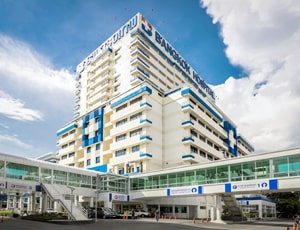
Bangkok Hospital offers specialised ICD Combo Device Implantation (Surgery Only) using modern cardiac technology and established electrophysiology protocols. Established in 1972, the JCI accredited hospital is situated in Bangkok, Thailand, with 580 beds, serving local and international patients.
An ICD is used in selected patients who have a significant risk of serious ventricular arrhythmias or sudden cardiac death. During implantation, the device is positioned under the skin and connected to the heart with leads that monitor cardiac activity. The cardiology team performs a comprehensive evaluation before surgery and provides device-care and follow-up guidance after implantation.
With advanced electrophysiology infrastructure, Mount Elizabeth Hospital offers ICD Combo Device Surgery for patients requiring protection against potentially life-threatening cardiac arrhythmias. Established in 1979, the JCI accredited hospital is located in Singapore, Singapore, and has 345 beds.
The procedure involves implanting an ICD beneath the skin and connecting it to the heart through specialised leads. The device monitors cardiac rhythm and can provide therapy when an abnormal rhythm is detected. Before surgery, specialists review ECG findings, heart function, medical history, and arrhythmia risk to determine whether ICD implantation is appropriate.
Delhi, India
With advanced electrophysiology infrastructure, BLK-Max Super Speciality Hospital offers ICD Combo Device Surgery for patients requiring protection against potentially life-threatening cardiac arrhythmias. Established in 1959, the JCI, NABH accredited hospital is located in Delhi, India, and has 650 beds.
The procedure involves implanting an ICD beneath the skin and connecting it to the heart through specialised leads. The device monitors cardiac rhythm and can provide therapy when an abnormal rhythm is detected. Before surgery, specialists review ECG findings, heart function, medical history, and arrhythmia risk to determine whether ICD implantation is appropriate.
With advanced electrophysiology infrastructure, Parkway Pantai offers ICD Combo Device Surgery for patients requiring protection against potentially life-threatening cardiac arrhythmias. Established in 1974, the JCI, MSQH accredited hospital is located in Kuala Lumpur, Malaysia, and has 499 beds.
The procedure involves implanting an ICD beneath the skin and connecting it to the heart through specialised leads. The device monitors cardiac rhythm and can provide therapy when an abnormal rhythm is detected. Before surgery, specialists review ECG findings, heart function, medical history, and arrhythmia risk to determine whether ICD implantation is appropriate.
With advanced electrophysiology infrastructure, Vejthani Hospital offers ICD Combo Device Surgery for patients requiring protection against potentially life-threatening cardiac arrhythmias. Established in 1994, the JCI accredited hospital is located in Bangkok, Thailand, and has 263 beds.
The procedure involves implanting an ICD beneath the skin and connecting it to the heart through specialised leads. The device monitors cardiac rhythm and can provide therapy when an abnormal rhythm is detected. Before surgery, specialists review ECG findings, heart function, medical history, and arrhythmia risk to determine whether ICD implantation is appropriate.
At Memorial Ankara Hospital, patients can access ICD Combo Device Surgery supported by advanced cardiac facilities and experienced electrophysiology specialists. Established in 2014, the JCI accredited hospital is located in Ankara, Turkey, and has 230 beds.
An implantable cardioverter-defibrillator (ICD) is designed to detect and treat certain dangerous heart rhythms. During surgery, the device is placed beneath the skin, typically in the chest, with leads positioned inside the heart. Before implantation, the cardiology team evaluates the patient's heart rhythm, cardiac function, medical history, and suitability for the device.
With advanced electrophysiology infrastructure, Artemis Health Institute offers ICD Combo Device Surgery for patients requiring protection against potentially life-threatening cardiac arrhythmias. Established in 2007, the JCI, NABH accredited hospital is located in Gurgaon, India, and has 750 beds.
The procedure involves implanting an ICD beneath the skin and connecting it to the heart through specialised leads. The device monitors cardiac rhythm and can provide therapy when an abnormal rhythm is detected. Before surgery, specialists review ECG findings, heart function, medical history, and arrhythmia risk to determine whether ICD implantation is appropriate.
Gleneagles Hospital provides ICD Combo Device Implantation (Surgery Only) using contemporary cardiac device implantation techniques and evidence-based care. Founded in 1959, the JCI accredited hospital is based in Singapore, Singapore, with 258 beds and services for domestic and international patients.
ICD implantation may help protect eligible patients from dangerous ventricular arrhythmias and sudden cardiac arrest. The device continuously monitors the heart rhythm and can deliver an electrical shock or pacing therapy when a serious rhythm abnormality is detected. A detailed cardiac assessment is performed before surgery to select the appropriate device and implantation strategy.
At International St. Mary's Hospital, patients can access ICD Combo Device Surgery supported by advanced cardiac facilities and experienced electrophysiology specialists. Established in 2014, the JCI accredited hospital is located in Seoul, South Korea, and has 808 beds.
An implantable cardioverter-defibrillator (ICD) is designed to detect and treat certain dangerous heart rhythms. During surgery, the device is placed beneath the skin, typically in the chest, with leads positioned inside the heart. Before implantation, the cardiology team evaluates the patient's heart rhythm, cardiac function, medical history, and suitability for the device.
With advanced electrophysiology infrastructure, Bangpakok 9 International Hospital offers ICD Combo Device Surgery for patients requiring protection against potentially life-threatening cardiac arrhythmias. Established in 2003, the JCI, GHA accredited hospital is located in Bangkok, Thailand, and has 300 beds.
The procedure involves implanting an ICD beneath the skin and connecting it to the heart through specialised leads. The device monitors cardiac rhythm and can provide therapy when an abnormal rhythm is detected. Before surgery, specialists review ECG findings, heart function, medical history, and arrhythmia risk to determine whether ICD implantation is appropriate.
Dubai, United Arab Emirates
Aster DM Healthcare provides ICD Combo Device Implantation (Surgery Only) using contemporary cardiac device implantation techniques and evidence-based care. Founded in 1987, the JCI, NABH, NABL accredited hospital is based in Dubai, United Arab Emirates, with 114 beds and services for domestic and international patients.
ICD implantation may help protect eligible patients from dangerous ventricular arrhythmias and sudden cardiac arrest. The device continuously monitors the heart rhythm and can deliver an electrical shock or pacing therapy when a serious rhythm abnormality is detected. A detailed cardiac assessment is performed before surgery to select the appropriate device and implantation strategy.
| Speciality | Cardiac Sciences |
| Procedure | ICD Combo Device (Only Surgery) |
| Success Rate | 95-98% |
| Recovery Time | 2-4 weeks |
| Treatment Time | 2-3 hours |
| Chances of Recurrence | 2% |
An ICD Combo Device is also known as an Implantable Cardioverter Defibrillator Combo Device. It is a specialized cardiac device used to treat life-threatening arrhythmias in the heart. ICD combo, as the name suggests, is a combination of two devices: an implantable cardioverter-defibrillator (ICD) and a cardiac resynchronization therapy (CRT) device. The ICD component monitors the heart's rhythm and delivers an electrical shock to restore normal heart rhythm in case a dangerous arrhythmia is detected. The CRT part of the device is responsible for synchronizing the heart's pumping action in patients with heart failure.
The ICD Combo Device is primarily used to treat conditions such as ventricular tachycardia and ventricular fibrillation, both types of life-threatening arrhythmias that can cause sudden cardiac arrest.
Recovery after the ICD Combo Device implantation typically involves a hospital stay of a few days. Patients usually experience some soreness and discomfort at the site of the incision, which improves gradually. During the recovery period, patients are recommended to avoid heavy lifting and strenuous activities to allow the incision site to heal properly. Regular follow-up visits with the cardiologist are necessary to monitor the device's function and make any necessary adjustments to its settings.