The cost of ORIF in Poland is available on request
However, this cost can vary depending on several factors, including the type and severity of the condition, treatment techniques chosen, the healthcare facility's location and reputation, the treating professionals' experience and specialisation, and the patient's overall health status.
Additionally, factors like the duration of treatment, the need for follow-up care, and the use of advanced technologies or specialised treatments can further influence the overall cost.
ORIF is a form of surgery to stabilise and heal a broken bone. You may require this procedure to treat your broken ankle.
Ankle joints consist of three bones. These are your leg's smallest bones ( fibula), the talus, and the tibia (Known as the shinbone).
Depending on your fracture and the likelihood of complications, your surgery may be performed immediately or prearranged. You might need to stop taking some medications and fast before your scheduled procedure.
| Country | Minimum Cost | Minimum Local Currency | Maximum Cost | Maximum Local Currency |
|---|---|---|---|---|
| India | USD 2500 | INR 207875 | USD 6000 | INR 498900 |
| Thailand | USD 7500 | THB 267375 | USD 10000 | THB 356500 |
| Turkey | USD 5500 | TRY 165770 | USD 9504 | TRY 286451 |
| United Arab Emirates | - | - | USD 9700 | AED 35599 |
Need Help Planning Your Treatment Abroad?
Your 24/7 AI Health Assistant 
Open reduction and internal fixation (ORIF) is a surgical procedure to stabilize and heal broken bones. This procedure may be necessary to treat a fractured ankle.
The ankle joint is composed of three bones: the tibia (shinbone), the fibula (the smaller bone in the leg), and the talus (a bone in the foot). Various injuries can affect the lower tibia, lower fibula, or talus. You may have a fracture in just one of these bones, or you could have fractures in two or more of them. In some fractures, the bone breaks but the fragments remain properly aligned. In other fractures, the injury causes the bone fragments to shift out of alignment.
There are two types of ORIF Surgery:
Internal fixation is a surgical method used to reconnect bones, typically involving the use of specialized screws, plates, rods, wires, or nails. The surgeon places These devices inside the bones to ensure they heal correctly and prevent abnormal healing. The procedure is generally performed under general anesthesia.
External fixation involves stabilizing a fracture by inserting pins, screws, and wires into the bone on both sides of the break. These pins are then connected outside the skin using a series of clamps and rods, forming an external frame to hold the bones in place
ORIF surgery is used to stabilize the broken bones in which could be in any sections of the body. The following are some of the common conditions that are treated with the help of an ORIF surgery:
The bone parts such as the knee, hip, tibia-fibula, humerus, and femur are substantially out of alignment
The bone pieces are piercing out through the skin
The part of the bones in the above-mentioned regions of the body is fractured, resulting in the development of multiple pieces.
The fracture involves a knee joint.
Even after receiving conservative treatment, bone repair does not occur normally.
Open reduction refers to open surgery that aimed to set the bones as may be necessary following a fracture, whereas internal fixation means fixing of plates or screws and intramedullary bone nails in the case of humerus, tibia, or femur bones to facilitate the overall healing process.
Rigid fixation inhibits micromotion between the fracture lines, which not only promotes healing but also avoids additional infection, which can occur when plates such as dynamic compression plates are utilized as implants.

Fortis Hospital, Shalimar Bagh, Delhi, India
USD 3000 USD 3500

Batra Hospital, Delhi, India
USD 4750 USD 5700

Traumatologia XXI, Bilbao, Spain
USD 19000 USD 20000
Would you like some help? We are available.
Get Help
Warsaw, Poland
Apart from in-detail treatment procedures available, Carolina Medical Center located in Warsaw, Poland has a wide variety of facilities available for International Patients. Some of the facilities which are provided by them are Accommodation, Airport Transfer, Choice of Meals, Interpreter, SIM, TV inside room. Also listed below are some of the most prominent infrastructural details:

Jelenia Gora, Poland
KCM Clinic located in Jelenia Gora, Poland is accredited by ISO. Also listed below are some of the most prominent infrastructural details:
Need Some Advice From Our Experts?
Our team of healthcare experts would be happy to assist you

+99


Opinion & Option
We submit the most accurate opinion and options from one or more countries for your review
Consult Privately
Consult with a certified specialist privately on our telemedicine platform even before you decide to travel
Logistics
We handle flights, visas, transfers, and accommodation—so you can focus on your health.
Recovery
Our In-house rehabilitation service packages to better your recovery and treatment outcome
Our network connects you with the leading medical tourism destinations globally, offering a wide range of cities, top doctors, and flexible pricing options.


The cost of ORIF in Poland may differ from one medical facility to the other. The top hospitals for ORIF in Poland covers all the expenses related to the pre-surgery investigations of the candidate. The ORIF cost in Poland includes the cost of anesthesia, medicines, hospitalization and the surgeon's fee. There are many things that may increase the cost of ORIF in Poland, including prolonged hospital stay and complications after the procedure.
Many hospitals in Poland perform ORIF. Some of the most renowned hospitals for ORIF in Poland include the following:
Upon discharge from the hospital after ORIF in Poland, the patients are advised to stay for about 14 days for recovery. This time frame is important to ensure that the surgery was successful and the patient is fit to fly back.
Apart from the ORIF cost, there are a few other daily charges that the patient may have to pay. These are the charges for daily meals and accommodation outside the hospital. These charges starts from USD 50 per person.
ORIF in Poland is offered in almost all metropolitan cities, including the following:
After ORIF, the patient is supposed to stay for about 2 days in the hospital for recovery and monitoring. During the recovery, the patient is carefully monitored and control tests are performed to see that everything is okay. If required, physiotherapy sessions are also planned during recovery in hospital.
There are more than 2 hospitals that offer ORIF in Poland. The above mentioned hospitals have the required infrastructure and a dedicated unit where patients can be treated. Also, these hospitals follow the necessary guidelines as required by the medical associations for the treatment of ORIF patients.
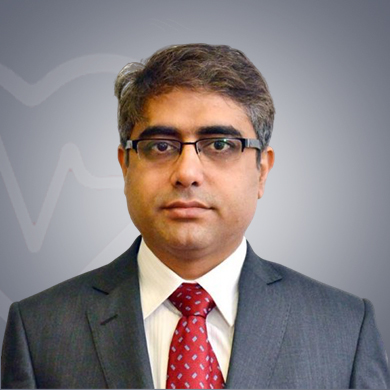
Some of the most sought after doctors for ORIF in Poland are:

Orthopedic Surgeon
22 Years of Experience
Known for his soft-spoken nature, Dr. Manon Miglani had completed his MBBS from Maulana Azad Medical College and MS (Ortho) for All India Institute of Medical Sciences. Dr. Miglani was awarded AO spine fellowship from Queen’s Medical Center, Nottingham and he also received Stryker fellowship in Arthroplasty from Indraprastha Apollo Hospital. Dr. Manon Miglani has provided his expert services to various hospitals of Delhi and NCR including AIIMS, Indraprastha Apollo, Jaipur Golden hospital, and Artemis hospital Presently, Dr. Manon is the additional director of Fortis, Vasant Kunj and senior consultant at Fortis, Shalimar Bagh. View More