Affordable World-class Treatment - Accredited Hospitals - Free Treatment Plan in 24 Hrs
Share your details to receive a personalised treatment plan, estimated costs, hospital recommendations, and expert guidance, “completely free.”
Your information is protected with HIPAA-compliant security standards. We only share your details with hospitals after your consent.
The cost of CAR-T in Saudi Arabia is USD 373000 - USD 500000
Additionally, factors like the duration of treatment, the need for follow-up care, and the use of advanced technologies or specialized treatments can further influence the overall cost.
CART is an acronym for a promising experimental type of cancer treatment called Chimeric Antigen Receptor T-cell therapy and mainly targets blood malignancies such as leukemia and lymphoma. This therapy is done by modifying the patient’s T-cells (one form of white blood cells) in the laboratory and making them have a receptor that homes in on cancerous cells. These engineered T-cells are then transduced back into the patient, they go on to hunt for cancer cells to kill.
CART therapy is rather effective, particularly in the cases of the treatment efficacy of which has not been rather impressive. It is individual treatment, which means that is independent of the cancer type in the patient. There are risks for cytokine release syndrome (CRS), as well as neurotoxicity that should be closely watched out for, but this option is hopeful for cancer patients who normally cannot be treated with conventional treatments.
| City | Cost (USD) | |
|---|---|---|
| Riyadh | $373,000 – $500,000 | Explore More |

Alvina Hasan is a dedicated medical researcher and scientific writer with a strong foundation in pharmaceutical sciences. She holds a B.Pharm from Jamia Hamdard University and an M.Pharm in Quality Assurance from DIPSAR University.
With deep medical expertise and a strong interest in healthcare communication, she focuses on transforming complex clinical and scientific information into clear, engaging, and easy-to-understand narratives. She develops insightful healthcare articles and research-driven content designed to support both medical professionals and patients, helping bridge the gap between advanced medical knowledge and practical understanding.
Readers can explore her published research and articles here:

Our dedicated Medical Patient Advisors are here to answer your questions, help you compare treatment options, estimate costs, and guide you through every step of your healthcare journey.
CAR T-cell therapy represents a groundbreaking approach to harnessing the power of the body's immune system to combat cancer. By modifying T cells, a subset of white blood cells, in a laboratory setting, these cells are empowered to recognize and eliminate cancer cells with precision. Often categorized as a form of cell-based gene therapy, CAR T-cell therapy involves altering the genetic makeup of T cells, equipping them with the ability to target specific cancer antigens.
This innovative treatment has demonstrated remarkable efficacy, particularly in cases where conventional therapies have proven ineffective. Its ability to reprogram the immune system to target and destroy cancer cells marks a significant advancement in cancer treatment strategies.
CAR T cell therapy is classified as follows:
Antigen-based classification: It includes
CAR T-cell therapy is primarily used to treat blood cancers, such as multiple myeloma, large B-cell lymphoma, and B-cell acute lymphoblastic leukaemia. The patient's own T cells are reprogrammed to identify and destroy cancer cells, cause remission, enhance survival, and have a plan B in case other treatments fail.
Patients with blood cancers who relapsed or are refractory must consult an oncologist to determine candidacy for CAR T therapy, especially if they have failed to respond to traditional treatments (i.e., chemotherapy, radiation, or stem cell transplant). Evaluation is warranted for symptoms such as loss of weight, swelling of lymph nodes, recurrent infection, chronic fatigue, or spontaneous bruising.
Screening tests consist of imaging, bone marrow biopsy, and blood work.
Leukapheresis is utilised to harvest T cells from the patient's blood for T-cell collection.
Bridging therapy: Certain patients receive chemotherapy while waiting for CAR T cells to be produced.
Lymphodepleting chemotherapy is administered before the injection to make room for CAR T cells. The patients should plan for potential hospitalisation, designate caretakers, and discuss long-term follow-up and expected adverse effects with the medical team.
The whole process, from cell harvesting to infusion, can take three to six weeks. The infusion itself takes a few hours to a few minutes, but for at least one week following the infusion, close monitoring is required, and there will be frequent follow-ups for several months.
One of the newer treatment options for some blood cancers is CAR T-cell therapy. It is utilised when other treatments are not working or the cancer recurs. CAR T-cell therapy has the potential to cure many blood cancers and extend life in most cases.
Recovery involves managing side effects like CRS and neurotoxicity, monitoring blood levels, and avoiding infections. Laboratory testing, imaging, and monitoring for late issues like hypogammaglobulinemia or relapse are all included in long-term follow-up.
The nature of the cancer, the burden of the disease, and an individual's response all impact success. For example, in pediatric acute lymphoblastic leukaemia, complete remission rates are more than 80%. However, relapse is always a risk, and long-term success is variable.
Our experienced Medical Patient Advisors have supported 100,000+ patients across 120+ countries with personalised treatment plans, hospital recommendations, cost estimates, and travel assistance, all free.
✓ Free Consultation ✓ No Obligation ✓ Personalized Treatment Plan ✓ Response Within 24 Hours
Your medical info has is HIPAA-style confidential. We never share with hospitals without your consent.

Opinion & Option
We submit the most accurate opinion and options from one or more countries for your review
Consult Privately
Consult with a certified specialist privately on our telemedicine platform even before you decide to travel
Logistics
We handle flights, visas, transfers, and accommodation—so you can focus on your health.
Recovery
Our In-house rehabilitation service packages to better your recovery and treatment outcome

Hendrik decided to come to India for his treatment after a thorough discussion with MediGence. India is known for its…
Different hospitals have different pricing policy when it comes to the cost of CAR-T in Saudi Arabia. Some of the best hospitals for CAR-T offer a comprehensive package that covers the end-to-end expenses related to investigations and treatment of the patient. The CAR-T package in Saudi Arabia includes the fees of the surgeon, hospitalization and anesthesia as well. Extended hospital stay, complications after the surgery or new diagnosis may affect the overall cost of CAR-T in Saudi Arabia.
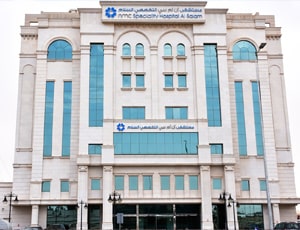
CAR-T in Saudi Arabia is offered by multiple hospitals across the country. Some of the best hospitals for CAR-T in Saudi Arabia include the following:
After CAR-T in Saudi Arabia, the patient is supposed to stay in guest house for another 30 days. This duration of stay is recommended to complete all the necessary follow-ups and control tests to ensure that the surgery was successful.
While Saudi Arabia is considered to be one of the best destinations for CAR-T owing to the standard of Hospitals, and expertise of doctors; there are a select few destinations which provide comparable quality of healthcare for this procedure. Some of such countries are:
Apart from the CAR-T cost, the patient may have to pay for additional daily expenses such as for guest house after discharge and meals. The per day extra expenses in Saudi Arabia per person is about USD$ 55
There are many cities that offer CAR-T in Saudi Arabia, including the following:
The average duration of stay at the hospital after CAR-T is about 2 days for proper care and monitoring. The doctors team review the patient's recovery during this time with the help of blood tests and imaging scans. Once they feel that everything is on track, the patient is discharged.
These hospitals are approved to perform the surgery and have proper infrastructure to handle CAR-T patients.
Have your reports reviewed by independent oncology experts to help you make a confident treatment decision, all online within 48 hours.
Upload Your Reports