Your Notifications
All done, no notifications

Cost of Microvascular Decompression (MVD) Worldwide

Costs starts from Get a Quote
Filters

Microvascular Decompression (MVD) is a surgical procedure used to relieve pressure on a nerve when a nearby blood vessel compresses it. This pressure can cause intense facial pain or muscle spasms. The surgery is often used to treat conditions such as trigeminal neuralgia and hemifacial spasm.

To perform the surgery, the doctor creates a small opening behind the ear. Through this opening, the surgeon carefully moves the blood vessel away from the nerve. A soft, tiny cushion is placed in between so the two don’t touch anymore.

The primary goal is to alleviate pain without damaging the nerve. The nerve usually continues to function after surgery. This procedure is done while the patient is asleep under general anaesthesia. After surgery, most people stay in the hospital for a few days and gradually return to their routine over the following weeks.

Microvascular decompression (MVD) is a surgical procedure used to relieve abnormal compression of a cranial nerve by a blood vessel. It is most commonly performed for conditions such as trigeminal neuralgia, hemifacial spasm, and glossopharyngeal neuralgia. These conditions cause severe, often debilitating, nerve pain or muscle spasms. MVD works by relieving pressure on the affected nerve, thereby reducing or eliminating pain and restoring normal nerve function without damaging the nerve.

Consult a neurologist or neurosurgeon if you experience:
  • Sharp, electric shock-like facial pain (trigeminal neuralgia)
  • Involuntary facial muscle spasms (hemifacial spasm)
  • Severe throat or ear pain (glossopharyngeal neuralgia)
  • Symptoms that are not responsive to medications
  • Progressive worsening of nerve-related symptoms
MVD may be considered when conservative treatments fail or side effects from medications are intolerable.

Preparation for MVD includes:
  • Neurological evaluation and medical history
  • Imaging tests, such as MRI with contrast, to identify the compressing vessel
  • Review of medications, especially blood thinners
  • Fasting for 6–8 hours before surgery
  • Pre-surgical clearance from your physician or anesthesiologist
  • Discussion with your neurosurgeon regarding risks, benefits, and expected recovery
Arrange for post-operative support and plan time off work or adjust to your daily responsibilities.

Performed under general anaesthesia, MVD involves:
  • A small craniotomy (opening in the skull) behind the ear
  • The surgeon gently moves the blood vessel away from the nerve
  • A small Teflon pad is placed between the nerve and vessel to prevent future contact
  • The bone is replaced, and the incisionis closed
The procedure preserves the nerve, aiming to relieve pain without causing numbness or nerve damage.

Microvascular decompression surgery typically takes 2 to 3 hours. Hospital stays usually last 2 to 5 days, depending on recovery and individual condition.

Though generally safe, potential risks include:
  • Infection
  • Bleeding
  • Hearing loss
  • Facial weakness or numbness
  • Cerebrospinal fluid leak
  • Stroke (rare)
  • Reaction to anaesthesia
Complications are uncommon, especially in the hands of experienced surgeons.

  • Significant or complete relief from nerve pain or spasms
  • Preservation of nerve function without permanent numbness
  • Long-lasting results, often eliminating the need for medication
  • Improved quality of life and functional ability
MVD offers a curative approach in many cases, unlike medications that only manage symptoms.

Patients are monitored in a neuro unit after surgery. Some may experience mild headaches or dizziness. Most patients are discharged within a few days and can resume light activity in 2–4 weeks. Complete recovery usually occurs over 4–8 weeks. Follow-up appointments and imaging help ensure successful decompression and healing.

MVD has a high success rate, with over 80–90% of patients experiencing lasting relief from symptoms, especially for trigeminal neuralgia. Results are typically better when surgery is performed early and by experienced neurosurgeons.

Would you like some help? We are available.

Get Help
Explore Hospitals ( 216 )
Microvascular Decompression (MVD) in Max Super Specialty Hospital, Vaishali: Costs, Top Doctors, and Reviews

Ghaziabad, India

4.9 ( 1 Reviews )
  • National Accreditation Board for Testing and Calibration Laboratories (NABL)
  • National Accreditation Board for Hospitals & Healthcare Providers (NABH)
  • Max Super Speciality Hospital, Vaishali, Ghaziabad, is a leading multi-speciality hospital with 387+ beds and 37+ clinical specialities, offering advanced care in Cardiology, Neuro Sciences, Oncology, Orthopaedics, Transplants, Gastroenterology, and Reconstructive Surgery.
  • Supported by 389+ doctors and 1038+ trained staff, the hospital combines state-of-the-art technology, including robotic surgery and advanced imaging systems, with compassionate, patient-centred care.
  • Accredited by NABH and NABL, Max Vaishali is a trusted destination for both domestic and international patients seeking high-quality, integrated medical services.
Microvascular Decompression (MVD) in Antalya Anadolu Hastanesi: Costs, Top Doctors, and Reviews

Antalya, Turkey

Apart from in-detail treatment procedures available, Antalya Anadolu Hastanesi located in Antalya , Turkey has a wide variety of facilities available for International Patients. Some of the facilities which are provided by them are Accommodation, Airport Transfer, Choice of Meals, Interpreter, TV inside room. Also listed below are some of the most prominent infrastructural details:

  • A technological powerhouse, it provides 24*7 trauma care.
  • 4 suites and 54 luxurious rooms
  • 3 exceptional operating theatres
  • 3 Intensive Care Units
  • Efficient and capable healthcare personnel
  • Focus on patient care, reasonable prices
  • State of the art diagnostics setup
  • Recognised for providing integrated care for complex cases and rare cases
  • Latest 1.5 Tesla MR, 64 2 Multi-slice Computed Tomography (CT), coronary angiography, and panendoscope
  • Treatments such as angioplasty(PTCA), cryotherapy, IVF, ERCP, peritoneoscopy, facial palsies, and electro shock wave lithotripsy are available
  • Widely experienced and well educated healthcare professionals are at the forefront of healthcare delivery at the Antalya Anadolu Hospital, Antalya, Turkey
Microvascular Decompression (MVD) in Canadian Specialist Hospital: Costs, Top Doctors, and Reviews

Dubai, United Arab Emirates

  • Joint Commission International, or JCI

Canadian Specialist Hospital located in Dubai, United Arab Emirates is accredited by JCI. Also listed below are some of the most prominent infrastructural details:

  • A multispecialty hospital which is based in 7 stories of a building.
  • More than 30 specialised centres
  • It has over 35 specialties and 40 plus OPD clinics with 200 beds
  • 6 Operating Theatres as well as ICU, CCU, HDU, NICU
  • The most advanced lab & Imaging services
  • International patient care services
  • Option for Telemedicine to connect with the specialists
Microvascular Decompression (MVD) in Max Hospital, Gurgaon: Costs, Top Doctors, and Reviews

Gurgaon, India

  • ISO 9001
  • National Accreditation Board for Hospitals & Healthcare Providers (NABH)
  • Max Hospital Gurugram is a leading multi-speciality healthcare centre in Haryana, renowned for its advanced clinical expertise and patient-focused care.
  • Established in 2007, it is part of the trusted Max Healthcare network and has treated over 500,000 patients across 35+ specialities.
  • The hospital is equipped with modern medical technology, internationally trained doctors, and superior clinical infrastructure.
  • Known for its excellence in Cardiology, Oncology, Neurosciences, Orthopaedics, Gastroenterology, and Women & Child Care, Max Hospital is a preferred choice for both domestic and international patients seeking high-quality treatment with compassionate care.
Microvascular Decompression (MVD) in Sikarin Hospital: Costs, Top Doctors, and Reviews

Bangkok, Thailand

  • Joint Commission International, or JCI

Apart from in-detail treatment procedures available, Sikarin Hospital located in Bangkok, Thailand has a wide variety of facilities available for International Patients. Some of the facilities which are provided by them are Airport Transfer, Choice of Meals, Interpreter, SIM, TV inside room. Also listed below are some of the most prominent infrastructural details:

  • Sikarin Hospital has a 258-bed capacity.
  • The hospital caters to the healthcare needs of both local and international patients.
  • Dedicated and skilled, experienced healthcare professionals are the strength of the organization.

It has also received many awards and certifications and some of them are:

  • APSIC CSSD Center of Excellence Award (2017-18)
  • Accreditation by the Joint Commission International
  • HA-Hospital/Healthcare Accreditation
  • HACCP Certificate of Registration
  • The Best Under a Billion Award 
  • ISO 14001 Environment Management System
  • ISO 9001 Quality Management System

The various clinics and centers of Sikarin Hospital are as follows:

  • Pediatric Institute
  • Orthopedic Institute
  • Dental Center
  • Health Check-up Center
  • Heart Disease Center
  • Cerebral and Nervous System Center
  • Internal Medicine Clinic
  • Diagnostic Radiology Center
  • Diagnostic Laboratory
  • Endoscopic Surgery Center
  • International Medical Center
  • Emergency Medical Center
  • Sikarin Beauty Center
  • Eye Center
  • Rehabilitation Center
  • Women’s Health Center
  • Ear, Nose and Throat Center
  • Specialized Internal Medicine Center
  • Center for Gastrointestinal and Liver Diseases

The medical technology present in Sikarin Hospital is outlined here:

  • MRI (Magnetic Resonance Imaging) magnetic resonance imaging
  • Hybrid Operating Room
  • Endoscopic Surgery - Gastrointestinal medical technology with tiny capsules
  • S.R. Laboratory
  • Cardiac Catheterization Lab 
  • Dental Operating Microscope, an innovative endoscopic root canal treatment
  • 128-Slice CT Scan
  • ORTHOPANTOMOGRAPH OP 3D oral X-ray machine
  • Digital Mammogram
  • Optical Coherence Tomography
  • INFRARED (IR) IMAGING Surgical Technology “Cure Cancer” – Direct, Accurate, Fast
  • 3D endoscopic surgery technology
  • Laparoscopic Surgery
  • Dental Aerosol Suction Dental Intraoral Aerosol Remover
  • Comprehensive Dental Center
  • iTeroElement 5D
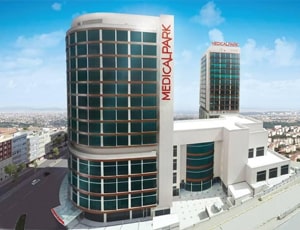
Microvascular Decompression (MVD) in Istinye University Medical Park Gaziosmanpasa Hospital: Costs, Top Doctors, and Reviews

Istanbul, Turkey

  • Joint Commission International, or JCI
  • ISO 9001

Apart from in-detail treatment procedures available, Istinye University Medical Park Gaziosmanpasa Hospital located in Istanbul, Turkey has a wide variety of facilities available for International Patients. Some of the facilities which are provided by them are Accommodation, Airport Transfer, Choice of Meals, Interpreter. Also listed below are some of the most prominent infrastructural details:

  • The hospital has a capacity of 197 beds and 15 operating rooms in a closed area of ??
  • The hospital covers about 67,000 m with a capacity of 197 beds and 15 Operation Theatres
  • 12 Professional Treatment Centers
  • Standard equipment in all the rooms include phone, TV, Wi-Fi access, safe shower and a restroom with shampoo and slippers to meet hygiene, safety and quality expectations of our patients and companions
  • The Hospital also provides advantage of Transportation due to its central location
Microvascular Decompression (MVD) in Kasemrad Ramkhamhaeng Hospital: Costs, Top Doctors, and Reviews

Bangkok, Thailand

  • Joint Commission International, or JCI

Apart from in-detail treatment procedures available, Kasemrad Ramkhamhaeng Hospital located in Bangkok, Thailand has a wide variety of facilities available for International Patients. Some of the facilities which are provided by them are Accommodation, Airport Transfer, Choice of Meals, Interpreter, SIM, TV inside room. Also listed below are some of the most prominent infrastructural details:

  • Initially started with 1.5 acres of land and expanded to 3.5 acres
  • 139 beds, 39 Examination Rooms
  • 13 Specialties Departments/Centers
  • 24*7 Emergency Department
  • Accommodation facilities are available- VIP rooms, Single special room, 6-bed dormitory, baby room
Microvascular Decompression (MVD) in Zulekha Hospital Dubai: Costs, Top Doctors, and Reviews

Dubai, United Arab Emirates

4.7 ( 2 Reviews )
  • Joint Commission International, or JCI

Zulekha Hospital Dubai located in Dubai, United Arab Emirates is accredited by ISO, JCI. Also listed below are some of the most prominent infrastructural details:

  • The bed capacity of Zulekha Hospital Dubai is 140.
  • Diagnostic centers, pharmacies, inpatient and outpatient care are provided at Zulekha Hospital Dubai.
  • This hospital provides the best of healthcare packages
  • Its surgical base is really strong with the hospital having successfully initiated and completed minimally invasive surgeries, joint replacement surgeries, bariatric surgeries, cardiac, and neonatal surgeries.
  • Radiology, laboratory, operating theatres, dialysis section and Cardiac Catheterization Laboratory are all present in Zulekha Hospital Dubai, UAE.
Microvascular Decompression (MVD) in Liv Hospital Ulus: Costs, Top Doctors, and Reviews

Istanbul, Turkey

4.9 ( 1 Reviews )
  • Joint Commission International, or JCI

Liv Hospital Ulus located in Istanbul, Turkey is accredited by JCI. Also listed below are some of the most prominent infrastructural details:

  • The Istanbul center consists of 154 beds, 8 operating rooms, and 50 clinics
  • Boasts of most experienced and talented Robotic surgeons in the world and is the only hospital in Turkey to receive the Robotic Surgery Center of Excellence certification
  • Highest form and techniques in Radiation Oncology among Hospitals in Turkey
  • Highly advanced Cancer treatment techniques like Immunotherapy, Nuclear Medicine, Robotic Surgery, etc
  • Specialized treatments like Box Technique, Zygomatic Implants
  • IVF Center
  • Hair Transplant Clinic
  • Check Up Center
  • Stem Cell Center
  • Emergency Department
  • Diabetes Polyclinic
  • Pediatric Ear, Nose & Throat Clinic
Microvascular Decompression (MVD) in Indraprastha Apollo Hospital: Costs, Top Doctors, and Reviews

Delhi, India

4.4 ( 5 Reviews )
  • Joint Commission International, or JCI

Indraprastha Apollo Hospital is known for delivering treatment to over 200,000 patients every year; 10,000 of which are generally medical tourists. The efficient team of doctors has the record of 99.6 percent success rate. Indraprastha Apollo Hospital deals in treatment of over 50 specialities.  

Let’s see some of the features of the infrastructure:

  • Spread over 15 acres, the hospital has 710 beds.
  • 6 beds dedicated to bone marrow transplant units with very strict infection control practices.
  • 64-Slice Scan coupled with data acquisition which provides highest temporal resolution
  • One of the hospitals to be using Da Vinci Robotics Surgery System
  • In South Asia, the Spect-CT and Pet-CT got their first installation at Indraprastha Apollo Hospital in India
  • Technologies such as PET- MR, BrainLab Navigation System, PET-CT, Portable CT Scanner, Tilting MRI, NovalisTx, Cobalt based HDR Brachytherapy, Hyperbaric Chamber, DSA Lab, Fibroscan, 3 Tesla MRI, Endosonography, 128 Slice CT scanner are all installed at the hospital.
  • The Cancer Institute at Indraprastha Apollo is equipped with a highly advanced Radiation Oncology Center with ClinaciX, NovalisTx, and HDR-Brachytherapy.
  • It is equipped with the largest Sleep Lab in Asia, & has one of the largest Dialysis Units in India.
  • A large number of ICU beds than any other Private Hospitals in India.
  • WIFI is accessible across the whole campus.

Need Some Advice From Our Experts?

Request a Call Back Now!

Our team of healthcare experts would be happy to assist you

trusted Patientstrusted Patients+99
Trusted by 50000+ Patients
Required | alphabets and spaces
Required | A valid, working email address
Required | A valid contact

Process Involved for Microvascular Decompression (MVD)

  • Diagnosis and Evaluation: The doctor reviews the patient’s symptoms, performs a physical examination, and orders scans, such as an MRI, to confirm nerve compression.
  • Pre-Surgical Preparation: The patient is given instructions regarding fasting, medications, and tests such as blood work or an ECG before surgery.
  • Surgery (MVD Procedure): Under general anaesthesia, the surgeon makes a small opening behind the ear, moves the blood vessel off the nerve, and places a soft pad between them.
  • Immediate Recovery: After surgery, the patient is closely monitored in a recovery room or ICU for any complications or changes in nerve function.
  • Hospital Stay: Most patients remain in the hospital for 3 to 5 days to rest and recover under medical supervision.
  • Home Recovery: After discharge, the patient continues to recover at home, with activity restrictions and follow-up appointments scheduled.
  • Long-Term Follow-Up: The doctor monitors the patient’s recovery progress, symptom relief, and nerve function through regular follow-ups or, as needed, imaging.
  • Trigeminal Neuralgia: A condition causing sudden, severe facial pain due to irritation of the trigeminal nerve, often triggered by touch, chewing, or speaking.
  • Hemifacial Spasm: Involuntary twitching or spasms on one side of the face caused by pressure on the facial nerve.
  • Glossopharyngeal Neuralgia: A sudden, intense pain felt in the throat, back of the tongue, or near the tonsils, often caused by pressure on the glossopharyngeal nerve.
  • Geniculate Neuralgia: A rare nerve disorder causing ear pain, often linked to the nervus intermedius, which lies near the facial nerve.
  • Tinnitus: A ringing or buzzing sound in the ear, sometimes caused by nerve compression in the brain.
  • Vertigo: A spinning or dizzy sensation that can occur when nerves controlling balance are affected.
  • Occipital Neuralgia: Piercing pain at the back of the head and neck caused by irritation of the occipital nerves
  • Sleep Medicine: The patient is put under general anaesthesia to remain fully asleep and pain-free throughout the surgery.
  • Head Positioned for Surgery: The head is gently placed in the correct position, and the skin behind the ear is cleaned.
  • Small Cut and Bone Opening: A small cut is made behind the ear, and a tiny piece of the skull is carefully removed to reach the brain area where the nerve is located.
  • Finding the Nerve and Blood Vessel: With the help of a microscope, the surgeon sees the nerve that’s being squeezed by a nearby blood vessel.
  • Fixing the Pressure: The surgeon gently moves the blood vessel away and places a soft cushion between the boat and the nerve.
  • Closing the Area: The bone is replaced or covered, and the skin is stitched or closed in an appropriate manner.
  • Rest and Recovery: After surgery, the patient is moved to a recovery room, where doctors closely monitor their progress as they begin to heal.
  • Craniotomy
  • MRI
  • Angiography
  • Neuroendoscopy
  • Electrophysiology
  • Neuromonitoring
  • Lumbarpuncture
  • CTscan
  • Endoscopy
  • Myelography
  • Long-Term Pain Relief: Effectively reduces or eliminates nerve-related facial pain, particularly in cases of trigeminal neuralgia.
  • Preserves Nerve Function: Unlike other treatments, MVD relieves pressure without damaging the affected nerve.
  • Minimally Invasive Option: In experienced hands, MVD is a safe microsurgical procedure with minimal impact on surrounding tissues.
  • Low Recurrence Rates: Most patients experience lasting relief with a low likelihood of symptoms returning.
  • Improved Quality of Life: Relief from chronic nerve pain often leads to better sleep, mood, and daily functioning.
  • Medication-Free Outcome: Many patients can reduce or stop pain medications after successful surgery.
False
  • Please complete the form to provide us with relevant information about your condition.
  • Consult with Our Healthcare Expert: One of our qualified specialists will contact you for a consultation.
  • Receive a Detailed Treatment Plan: After examining your situation, we will provide you with a detailed treatment plan that includes expert opinions and a cost breakdown for various options.
  • Select your preferred option: Choose the therapy option that best suits your needs.
  • Seamless Organisation: We will manage all the details, including visas, flights, accommodations, and transfers, for a stress-free journey.

Instantly Connect with our Microvascular Decompression (MVD) Specialists

Doctor 1
Doctor 2
Doctor 3
Doctor 4
Doctor 5
Doctor 6
Doctor 7
Doctor 8
Our Services to Better your Experience

Opinion & Option

We submit the most accurate opinion and options from one or more countries for your review

Consult Privately

Consult with a certified specialist privately on our telemedicine platform even before you decide to travel

Logistics

We handle flights, visas, transfers, and accommodation—so you can focus on your health.

Recovery

Our In-house rehabilitation service packages to better your recovery and treatment outcome

Author

Dr. Abdullah Rahil

MPT (Neuro)

5 Years of Experience

Dr. Abdullah Rahil, M.P.T. (Neurology), is a dedicated physiotherapy professional specializing in orthopedic, neurological, and musculoskeletal rehabilitation. With strong clinical expertise, he focuses on improving patient mobility, reducing pain, and restoring functional independence through evidence-based rehabilitation techniques. He is skilled in advanced therapeutic approaches that support effective rehabilitation and recovery for a wide range of musculoskeletal and neurological conditions, focusing on improving mobility, reducing pain, and restoring functional independence. Dr. Rahil has extensive experience managing diverse rehabilitation cases. His patient-centered approach emphasizes personalized treatment plans, continuous assessment, and comprehensive rehabilitation to achieve optimal recovery outcomes. . View More

Reviewer

⁠Dr Rakesh Kumar Dua

Spine & Neurosurgeon

25 Years of Experience

Dr. Rakesh Dua has more than 25+ years of clinical experience in spine surgeries. He is currently providing his services as Director, Neuro & Spine Surgery at Fortis Hospital, Shalimar Bagh. Before joining Fortis Hospital, he was associated with Max super-specialist Hospital, Shalimar Bagh as Director Neurosurgery & Head Neuro Spine, and with UCMS & GTB hospital as head of the neurosurgery department. View More