Affordable World-class Treatment - Accredited Hospitals - Free Treatment Plan in 24 Hrs

Share your details to receive a personalised treatment plan, estimated costs, hospital recommendations, and expert guidance, “completely free.”
Your information is protected with HIPAA-compliant security standards. We only share your details with hospitals after your consent.
The cost of External Ventricular Drainage in Turkey is USD 1500 - USD 2600
Additionally, factors like the duration of treatment, the need for follow-up care, and the use of advanced technologies or specialized treatments can further influence the overall cost.
EVD is a procedure that thus is used to manage raised intracranial pressure from conditions such as hydrocephalus, brain hemorrhage, or injury. A dedicated catheter is provided inside the cerebral cavity through a burr hole created in the skull to externalize CSF. This in turn lessens the stress on the brain part that has been affected and therefore minimizes further harm. The procedure is normally applied when natural CSF drainage is obstructed, and this is normally in emergency cases.
The drainage is monitored after the procedure to prevent the onset of side effects. Despite its effectiveness, there is always a probability of EVD-associated complications such as infection, hemorrhage, and catheter effecting. It is most often used as a transient therapy before more long-term measures, such as VP shunt surgery, or other surgeries, can be accomplished.
| City | Cost (USD) | |
|---|---|---|
| Ankara | $1,500 – $2,600 | Explore More |
| Canakkale | $1,350 – $2,340 | Explore More |
| Istanbul | $1,500 – $2,600 | Explore More |
| Kocaeli | $1,500 – $2,600 | Explore More |
| Samsun | $1,500 – $2,600 | Explore More |
| Tokat | $1,350 – $2,340 | Explore More |
| Trabzon | $1,350 – $2,340 | Explore More |
| Usak | $1,350 – $2,340 | Explore More |
| Zonguldak | $1,350 – $2,340 | Explore More |


Our dedicated Medical Patient Advisors are here to answer your questions, help you compare treatment options, estimate costs, and guide you through every step of your healthcare journey.
An external ventricular drain (EVD), also referred to as ventriculostomy or extra ventricular drain, is a neurosurgical device used to manage hydrocephalus and reduce elevated intracranial pressure caused by blockages in the normal flow of cerebrospinal fluid (CSF) within the brain.
The temporary drainage of cerebrospinal fluid (CSF) from the lateral ventricles of the brain or the lumbar area of the spine into an external collection bag is known as external drainage and monitoring. Using a mix of gravity and intracerebral pressure, an external ventricular drainage (EVD) system drains CSF. The rate of drainage is determined by the height of the EVD system in relation to the patient's anatomy.
In neurocritical care, EVDs are used to:
External ventricular drainage (EVD) decreases increased intracranial pressure (ICP) caused by trauma, disease, haemorrhage, or excess cerebrospinal fluid (CSF). While the underlying brain pathology is being treated, EVD drains CSF, monitors ICP, and stabilises the patient. In subarachnoid haemorrhage, traumatic brain injury, or hydrocephalus, EVD can be life-saving.
You should seek medical attention immediately if you experience any of the following symptoms of increased intracranial pressure: a sudden headache, nausea, vomiting, drowsiness, visual changes, confusion, seizures, or loss of consciousness. These may indicate the need for brain imaging immediately and the possible placement of an EVD.
There is limited planning since EVD is often done in an emergency. Blood test, coagulation studies, and imaging (CT or MRI) are conducted in a planned scenario. The scalp is cleaned and sterilised after consent is obtained. Depending on their well-being, patients can be sedated or under general anaesthesia.
The procedure takes 30–60 minutes. The drain is left in place for a few days to weeks based on the underlying condition and response to treatment. Hospitalisation varies with the severity of illness.
EVD can quickly lower brain pressure, halt further brain injury, and allow continued draining and monitoring of the CSF. When needed, it serves as a bridge to more definitive treatments, such as a ventriculoperitoneal (VP) shunt and is essential in treating life-threatening diseases.
In critical care, patients are monitored. Nursing staff continually monitor neurological status and adjust the drainage system. Antibiotics can be given to prevent infection. Once the underlying issue has stabilised, the EVD may be clamped and removed. Neurological exams and repeat imaging monitor continuing care.
The solution's success depends on the underlying illness and how fast the solution is applied. EVD can significantly reduce mortality and improve neurological outcomes in emergency conditions. Sterile procedures and proper management increase overall effectiveness and reduce problems.
Our experienced Medical Patient Advisors have supported 100,000+ patients across 120+ countries with personalised treatment plans, hospital recommendations, cost estimates, and travel assistance, all free.
✓ Free Consultation ✓ No Obligation ✓ Personalized Treatment Plan ✓ Response Within 24 Hours
Your medical info has is HIPAA-style confidential. We never share with hospitals without your consent.

Opinion & Option
We submit the most accurate opinion and options from one or more countries for your review
Consult Privately
Consult with a certified specialist privately on our telemedicine platform even before you decide to travel
Logistics
We handle flights, visas, transfers, and accommodation—so you can focus on your health.
Recovery
Our In-house rehabilitation service packages to better your recovery and treatment outcome

Ms Patience from Uganda travelled to India for cosmetic surgery in May 2017. She got her treatment done in Asian…

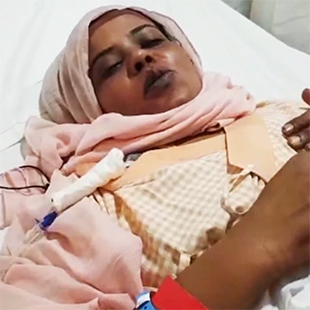
Lobna (from Sudan) was diagnosed with meningioma, a form of non-cancerous brain tumor. Her family members decided to take her…
The External Ventricular Drainage package cost in Turkey varies from one hospital to another and may offer different benefits. There are many hospital that cover the cost of pre-surgical investigations of the patient in the treatment package. The treatment cost usually includes the expenses related to hospitalization, surgery, nursing, medicines, and anesthesia. There are many things that may increase the cost of External Ventricular Drainage in Turkey, including prolonged hospital stay and complications after the procedure.
There are several best hospitals for External Ventricular Drainage in Turkey. Some of the most renowned hospitals for External Ventricular Drainage in Turkey include the following:
After discharge from the hospital, the patient has to stay for another 15 days in the country for complete recovery. During this time, the patient undergoes medical tests and consultations. this is to ensure that the treatment was successful and the patient us safe to return.
There are certain expenses additional to the External Ventricular Drainage cost that the patient may have to pay for. These are the chanrges for daily meals and hotel stay outside the hospital. The per day extra expenses in Turkey per person are about USD 50 per person.
There are many cities that offer External Ventricular Drainage in Turkey, including the following:
It is possible for patients to opt for video telemedicine consultation before they come for External Ventricular Drainage in Turkey. Some of the surgeons offering this service include the following
| Doctor | Cost | Schedule Your Appointment |
|---|---|---|
| Dr. Celal Salcini | USD 97 | Schedule Now |
| Dr. Baris Metin | USD 126 | Schedule Now |
| Dr. Professor Mustafa Bozbuga | USD 114 | Schedule Now |
| Dr. Mustafa Kemal Hamamcioglu | USD 160 | Schedule Now |
| Dr. Baran Yilmaz | USD 130 | Schedule Now |
After External Ventricular Drainage, the patient is supposed to stay for about 4 days in the hospital for recovery and monitoring. This phase is important to ensure that the patient is recovering well and is clinically stable. During this time, several tests are performed before the patient is deemed suitable for discharge.
The average rating for External Ventricular Drainage hospitals in Turkey is 3.6. This rating is calculated on the basis of different parameters such as attitude of the nurses, cleanliness, quality of food and the pricing policy.
There are more than 12 hospitals that offer External Ventricular Drainage in Turkey. These hospitals have proper infrastructure for the treatment of patients who require External Ventricular Drainage. Apart from good services, the hospitals are known to follow all standard and legal guidelines as dictated by the local medical affairs body or organization.
Some of the renowned doctors for External Ventricular Drainage in Turkey are:
Have your reports reviewed by independent oncology experts to help you make a confident treatment decision, all online within 48 hours.
Upload Your Reports