Your Notifications
All done, no notifications

Cost of Cranioplasty Worldwide

Costs starts from Get a Quote
Filters

Cranioplasty is a surgery where doctors repair a missing or damaged part of the skull. This may happen after an injury, brain swelling, or a previous brain surgery. The hole or weak spot in the skull is covered using the patient’s bone (if it was saved) or special materials, such as titanium, ceramic, or 3D-printed parts, made to fit perfectly.

The surgery is usually planned a few weeks or months after the first brain operation, once the swelling has gone down. Fixing the skull helps protect the brain, restores the head's normal appearance, and can even improve brain functions such as thinking, speaking, or moving more effectively.

During the surgery, doctors gently lift the scalp, carefully place the implant, and then close the skin with stitches. Recovery takes time. The person may need to rest frequently, attend therapy sessions, and visit the doctor regularly to ensure everything is healing correctly.

Cranioplasty is performed to repair a defect or deformity in the skull following trauma, brain surgery (e.g., decompressive craniectomy), congenital malformations, or tumor removal.It restores the protective barrier of the brain, improves cosmetic appearance, and can enhance neurological function.In some patients, it also alleviates symptoms like headaches, dizziness, or motor deficits linked to “syndrome of the trephined.”

See a neurosurgeon if you have a visible skull defect or have undergone a previous craniectomy. Consultation is advised if you experience neurological symptoms, localized pain, or psychological distress related to the skull deformity. Timely cranioplasty (usually 3–6 months post-craniectomy) is essential for optimal brain protection and functional recovery.

Preparation includes CT scans of the skull to assess the size and shape of the cranial defect. Blood tests and anesthetic risk evaluations are performed. If a synthetic implant is planned (e.g., PEEK, titanium), a custom 3D model may be created. Patients must stop anticoagulants and fast before surgery.

Under general anaesthesia, the scalp is opened, and the defect is exposed. A bone flap (preserved or artificial) is placed and fixed using plates and screws. Implants can be autologous (patient’s own bone), alloplastic (custom-made), or pre-fabricated biomaterials like titanium or PMMA. Wound is closed, and a drain may be placed to reduce fluid accumulation.

Cranioplasty usually takes 1.5 to 3 hours, depending on the size and complexity of the skull defect. Hospital stay ranges from 3 to 7 days, with monitoring for infection, swelling, or neurological changes. Recovery starts shortly after surgery, especially in cases with functional improvement.

  • Infection at surgical site or implant
  • Hematoma or fluid buildup
  • Seizures or neurological worsening
  • Implant rejection or fracture
  • Cosmetic asymmetry or wound healing problems
Proper surgical technique and sterile precautions significantly lower complication rates.

  • Protects the brain and prevents further injury
  • Improves cognitive, motor, or psychological symptoms (in some cases)
  • Restores skull shape and cosmetic appearance
  • May reduce symptoms of “sinking flap syndrome”
  • Enhances overall quality of life and self-esteem

Patients rest with head elevation, and incision care is critical. Stitches or staples are removed in 7–14 days. Gradual return to daily activities is expected within 2–4 weeks. Neurological rehab may continue based on underlying condition. CT imaging is often repeated to verify implant position.

Cranioplasty has a high success rate of 90–95%, particularly for cosmetic and protective goals. Functional improvement varies by patient, but many report better mental clarity, motor control, and symptom relief. Customized materials and advances in neurosurgical technique have improved both safety and outcomes.

Would you like some help? We are available.

Get Help
Explore Hospitals ( 217 )
Cranioplasty in Hisar Intercontinental Hospital: Costs, Top Doctors, and Reviews

Istanbul, Turkey

  • Joint Commission International, or JCI

Architecture of the Hospital designed as per the comfort of patients-

  • Consisting of 8 floors, 212 bed capacity
  • 75m2 suite rooms
  • 35 thousand m2 closed area
  • 7 operating rooms
  • 53 polyclinics
  • 54 Departments
  • Hotel-like patient rooms
  • Intensive care units consisting of 33 beds
  • Hyperbaric Oxygen Center inside the hospital
  • PYXIS computerized medicine system working with fingerprint
  • Social waiting areas
  • Indoor and Outdoor Cafeterias & Restaurants
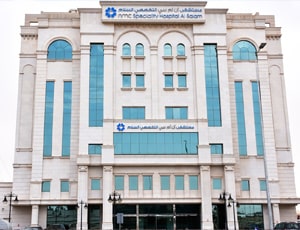
Cranioplasty in NMC Specialty Hospital: Costs, Top Doctors, and Reviews

Abu Dhabi, United Arab Emirates

  • Joint Commission International, or JCI
  • National Accreditation Board for Hospitals & Healthcare Providers (NABH)

NMC Specialty Hospital located in Abu Dhabi, United Arab Emirates is accredited by JCI. Also listed below are some of the most prominent infrastructural details:

  • 104 Patient Rooms/Wards
  • 7 Operating Rooms
  • Laboratory endowed with centrally computerized System
  • 24-hour Emergency Department
  • 24-hour Pharmacy
  • 24-hour Ambulance Services
  • Radiology Department offering state-of-the-art equipment, including MRI (1.5 Tesla), 64-slice spiral CT Scanner, 4-D Ultrasound with color Doppler, Bone Densitometry, Digital Mammogram with CAD System, and Digital X-Ray Systems with fully integrated PACS
Cranioplasty in NMC Specialty Hospital, Al Nahda: Costs, Top Doctors, and Reviews

Dubai, United Arab Emirates

4.7 ( 2 Reviews )
  • Joint Commission International, or JCI

NMC Specialty Hospital, Al Nahda located in Dubai, United Arab Emirates is accredited by JCI. Also listed below are some of the most prominent infrastructural details:

  • 72 Patient Rooms
  • 10 ICU Beds
  • 10 NICU Beds
  • 4 Operation Theatres
  • Well-equipped Laboratory
  • Radiology Department
  • Smaller Medical Centers and Clinics in Dubai
  • Advanced Technology used by the Hospital- a patient friendly closed MRI (1.5 tesla), 64 Slice - Dual Source Siemens Definition MDCT CT scanner, 4-D Ultrasound with Color Doppler, Digital Fluoroscopy, Mammogram, and Digital X - Ray systems backed by a fully integrated PACS system
  • 24-hour In-house Pharmacy
  • 24-hour Ambulance services
Cranioplasty in Tel Aviv Sourasky Medical Center -Ichilov Hospital: Costs, Top Doctors, and Reviews

Tel Aviv, Israel

  • Joint Commission International, or JCI

Tel Aviv Sourasky Medical Center -Ichilov Hospital located in Tel-Aviv, Israel is accredited by JCI. Also listed below are some of the most prominent infrastructural details:

  • The center possesses high end infratsructure with latest technologies which are upbgraded on a regular basis.
  • There are 60 departments in Tel Aviv Sourasky Medical Center
  • The center has as many as 6 institutions:
  • Ichilov General Hospital
  • Ted Arison Medical Tower
  • Dana-Dwek Children's Hospital
  • Sammy Ofer Heart & Brain Building
  • Adams Health Science & Rehabilitation Building (in the planning stage)
  • Lis Maternity and Women's Hospital
  • Patient Care Numbers (annual) are as follows:
    • 400,000 patients
    • 36,000 surgeries
    • 220,000 ER visits
    • 12,000 births
  • The bed capacity of the center is 1300.
  • Good success rates during treatment for the majority of conditions.
Cranioplasty in Max Smart Super Speciality Hospital: Costs, Top Doctors, and Reviews

Delhi, India

3.9 ( 2 Reviews )
  • National Accreditation Board for Hospitals & Healthcare Providers (NABH)
  • Joint Commission International, or JCI
  • Max Smart Super Speciality Hospital, Saket, New Delhi, is a 250-bed tertiary care hospital known for advanced medical technology and patient-centred care.
  • The hospital offers services across 22+ specialities, including Cardiac Sciences, Orthopaedics, Urology, Neurology, Neurosurgery, Paediatrics, Obstetrics, and Gynaecology.
  • It is a regional hub for complex procedures such as neurovascular interventions, targeted cancer treatments, heart surgeries, kidney and liver transplants, and bariatric care.
  • Equipped with a 3.0 Tesla MRI, 256 Slice CT Angio, Cath Labs, Digital Orthopaedic Suite, and advanced diagnostic tools, and supported by 275+ doctors and 606+ trained staff, Max Smart Saket provides high-quality, multidisciplinary care for domestic and international patients.
Cranioplasty in Lifecare Hospital, Musaffah: Costs, Top Doctors, and Reviews

Abu Dhabi, United Arab Emirates

  • Joint Commission International, or JCI

Lifecare Hospital, Musaffah located in Abu Dhabi, United Arab Emirates is accredited by ISO, JCI. Also listed below are some of the most prominent infrastructural details:

  • Inpatient Pharmacy
  • Outpatient Pharmacy
  • Nursing Department
  • Laboratories
  • Intensive Care Unit (ICU)
  • Neonatal Intensive Care Unit (NICU)
  • Rehabilitation Center
Cranioplasty in Acibadem Kadikoy Hospital: Costs, Top Doctors, and Reviews

Istanbul, Turkey

  • Joint Commission International, or JCI

Acibadem Kadikoy Hospital located in Istanbul, Turkey is accredited by JCI. Also listed below are some of the most prominent infrastructural details:

  • The number of beds in the hospital are 138 and Intensive Care beds are 23.
  • There are as many as 6.500 access points for a building control system.
  • There are 10 Operating theatres and more than 500 employees.
  • There are specific healthcare facilities in Acibadem Kadikoy Hospital, Istanbul, Turkey which have been established per integrated healthcare outreach such as Breast Health Center, Check-up Center, and Diabetes Clinic etc.
  • The hospital has the very best of Medical Technologies such as Flast CT, da Vinci robot, Magnetom Area MRI, Greenlight, Ortophos XG 3D and Full Body MRI, 4-Dimensional Breast Ultrasound, 3-Dimensional Tomosynthesis Digital Mammography.
Cranioplasty in Thumbay University Hospital, Ajman: Costs, Top Doctors, and Reviews

Ajman, United Arab Emirates

4.1 ( 1 Reviews )
  • Joint Commission International, or JCI

Thumbay University Hospital, Ajman located in Ajman, United Arab Emirates is accredited by JCI. Also listed below are some of the most prominent infrastructural details:

  • The hospital has a 250 bed capacity.
  • Excellent quality of healthcare facilities and services at par with developed countries.
  • Multilingual and multinational healthcare professionals working in the Thumbay Hospital Ajman (belonging to 20 nations and fluent in 50 plus languages).
  • Equipped with the newest facilities to ensure highest standards of healthcare delivery to patients at economical costs.
  • Dedicated, compassionate and highly educated healthcare professionals work in Thumbay Hospital Ajman.
  • Well developed diagnostic facilities are also available.
  • A 24/7 functioning emergency care department and advanced facilities in Radiology.
  • There is presence of an ultramodern Catheterization Lab (Cath Lab) and Electrosurgery Cryotherapy in dermatology, Interlocking intramedullary nailing.
  • Also available under dental departments Panoramic, digital intra-oral X-rays, Cephalogram are present.
  • Some of the important specialties in Thumbay Hospital Ajman are:
    • Ear, nose, and throat
    • Cardiovascular
    • Bariatric surgery
    • General surgery
    • Urology
    • Nephrology

Cranioplasty in Lokman Hekim Esnaf Hospital: Costs, Top Doctors, and Reviews

Fethiye, Turkey

  • Joint Commission International, or JCI

Lokman Hekim Esnaf Hospital located in Fethiye, Turkey is accredited by ISO. Also listed below are some of the most prominent infrastructural details:

  • The patients rooms have been designed to simulate hotel comfort; homely private rooms equipped with spacious en suite bathrooms, television and Wi-fi
  • Rehabilitation Center
  • Emergency Department
  • ICU
  • International Patient Department comprises of a Medical Doctor, a tourism doctor, a manager, an assistant manager and 7 officers
Cranioplasty in Medical Park Karadeniz Hospital: Costs, Top Doctors, and Reviews

Trabzon, Turkey

  • Joint Commission International, or JCI

Apart from in-detail treatment procedures available, Medical Park Karadeniz Hospital located in Trabzon, Turkey has a wide variety of facilities available for International Patients. Some of the facilities which are provided by them are Accommodation, Airport Transfer, Choice of Meals, Interpreter, TV inside room. Also listed below are some of the most prominent infrastructural details:

  • Situated in an area of 12.000 square meter
  • Capacity of 107 beds
  • Intensive Care Unit (17 beds)
  • Neonatal ICU (NICU- 12 beds)
  • 6 Operating Rooms
  • Cafeteria

Need Some Advice From Our Experts?

Request a Call Back Now!

Our team of healthcare experts would be happy to assist you

trusted Patientstrusted Patients+99
Trusted by 50000+ Patients
Required | alphabets and spaces
Required | A valid, working email address
Required | A valid contact

Process Involved for Cranioplasty

  • First Doctor Visit: The doctor will review your health history and take special images (such as CT or MRI scans) of your skull to determine what needs to be addressed.
  • Preparing for Surgery: Before surgery, you will undergo various tests. The doctor who will administer the anaesthesia (sleep-inducing medication) during the surgery will explain what will happen.
  • The Surgery: You will be asleep during the surgery. The doctor will remove the damaged part of your skull and fix it using your bone or a special material like metal.
  • Recovering in the Hospital: After surgery, you will stay in the hospital for a few days. Doctors and nurses will help you feel comfortable and check for any pain or problems.
  • Healing at Home: After you leave the hospital, it is essential to rest and follow your doctor’s instructions. You might need to take it easy for a while. It could take weeks or months to feel fully better.
  • Follow-up Visits: You will return to the doctor to ensure everything is healing correctly. The doctor may take additional scans to assess the progress of your skull's recovery.
  • Skull Defects: Cranioplasty is used to close holes or gaps in the skull that result from injuries, previous surgeries, or certain health conditions.
  • Traumatic Brain Injury: After a serious head injury, parts of the skull may need to be removed to relieve pressure on the brain. Cranioplasty helps reconstruct the skull once the brain has healed.
  • Cranial Deformities: This procedure corrects abnormal skull shapes caused by congenital disabilities or injuries.
  • Brain Tumours: If part of the skull is removed during surgery to treat a brain tumour, cranioplasty is performed afterwards to restore the skull’s structure.
  • Infections: Severe infections, such as osteomyelitis, can cause damage to the skull, and cranioplasty helps repair this damage and protect the brain.
  • Congenital Malformations: Cranioplasty can correct skull abnormalities present from birth.
  • Aneurysms: After surgery to treat a brain aneurysm, cranioplasty is used to repair the skull and ensure it remains protective of the brain.
  • Pre-Surgical Planning: Doctors review CT or MRI scans to assess the skull defect and design a custom implant if needed.
  • Anaesthesia Administration: The patient is given general anaesthesia to stay asleep and pain-free during the surgery.
  • Scalp Incision: The surgeon carefully opens the scalp over the area where the skull is missing or damaged.
  • Implant Insertion: The missing skull part is replaced using a preserved bone flap or a synthetic implant (such as titanium or ceramic), which is securely fixed in place.
  • Securing the Implant: The implant is held in place using medical plates, screws, or other surgical materials.
  • Closure: The scalp is gently repositioned and closed with stitches or staples.
  • Post-surgery monitoring: The patient is closely monitored in a recovery room, with vital signs and brain activity continuously assessed.
  • Craniectomy
  • Decompression
  • Neurorehabilitation
  • Skull Reconstruction
  • Imaging
  • Improved Appearance: Helps restore the shape and symmetry of the skull.
  • Protection: Offers enhanced protection for the brain following a traumatic injury or surgery.
  • Enhanced Function: Can improve neurological function by reducing pressure on the brain.
  • Pain Relief: Reduces discomfort caused by the skull defect.
  • Psychological Improvement: Enhances self-esteem and mental well-being through improved physical appearance.
  • Prevention of Complications: Helps prevent further brain injury and complications related to the exposed brain.
False
  • Please complete the form to provide us with relevant information about your condition.
  • Consult with Our Healthcare Expert: One of our qualified specialists will contact you for a consultation.
  • Receive a Detailed Treatment Plan: After examining your situation, we will provide you with a detailed treatment plan that includes expert opinions and a cost breakdown for various options.
  • Select your preferred option: Choose the therapy option that best suits your needs.
  • Seamless Organisation: We will manage all the details, including visas, flights, accommodations, and transfers, for a stress-free journey.

Instantly Connect with our Cranioplasty Specialists

Doctor 1
Doctor 2
Doctor 3
Doctor 4
Doctor 5
Doctor 6
Doctor 7
Doctor 8
Our Services to Better your Experience

Opinion & Option

We submit the most accurate opinion and options from one or more countries for your review

Consult Privately

Consult with a certified specialist privately on our telemedicine platform even before you decide to travel

Logistics

We handle flights, visas, transfers, and accommodation—so you can focus on your health.

Recovery

Our In-house rehabilitation service packages to better your recovery and treatment outcome

Author

Dr. Abdullah Rahil

MPT (Neuro)

5 Years of Experience

Dr. Abdullah Rahil, M.P.T. (Neurology), is a dedicated physiotherapy professional specializing in orthopedic, neurological, and musculoskeletal rehabilitation. With strong clinical expertise, he focuses on improving patient mobility, reducing pain, and restoring functional independence through evidence-based rehabilitation techniques. He is skilled in advanced therapeutic approaches that support effective rehabilitation and recovery for a wide range of musculoskeletal and neurological conditions, focusing on improving mobility, reducing pain, and restoring functional independence. Dr. Rahil has extensive experience managing diverse rehabilitation cases. His patient-centered approach emphasizes personalized treatment plans, continuous assessment, and comprehensive rehabilitation to achieve optimal recovery outcomes. . View More

Reviewer

⁠Dr Rakesh Kumar Dua

Spine & Neurosurgeon

25 Years of Experience

Dr. Rakesh Dua has more than 25+ years of clinical experience in spine surgeries. He is currently providing his services as Director, Neuro & Spine Surgery at Fortis Hospital, Shalimar Bagh. Before joining Fortis Hospital, he was associated with Max super-specialist Hospital, Shalimar Bagh as Director Neurosurgery & Head Neuro Spine, and with UCMS & GTB hospital as head of the neurosurgery department. View More