Your Notifications
All done, no notifications

Cost of Splenectomy Worldwide

Costs starts from Get a Quote
Filters

When a person has a diseased or damaged spleen (due to trauma, disease, etc.) that is causing harm to their body rather than being protective, it may be necessary to remove the spleen. A person can develop anemia as a result of the spleen destroying healthy red blood cells, develop low platelet counts from the same cause, and may develop frequent infections as a result of the spleen destroying their blood cells.

Persistent pain or fullness in the upper left area of your abdomen; unexplained fatigue; frequent infections; easy bruising or bleeding; symptoms of anemia (low level of red blood cells) or low platelet counts.

Before surgery, patients undergo a thorough medical examination, blood tests, diagnostic imaging (including ultrasound or CT scan), and an assessment for anaesthesia. In many instances, they are also recommended the necessary immunisations to reduce the risk of developing a post-splenectomy infection.

The two methods used to remove the spleen are laparoscopic (minimally invasive) and traditional or open splenectomy.
  • The laparoscopic method utilises very small incisions and a specialised instrument with a video camera to visualise the surgical field.
  • There is a larger incision used in the open surgery technique, which is typically used when patients have sustained trauma to the spleen or if the spleen is very large.
The choice of splenectomy type is based on the patient's medical history, spleen size, and the surgeon's experience with each approach.

Depending on the complexity of the patient's case and the surgical method used, the average time required to perform a splenectomy ranges from 1 to 3 hours. The laparoscopic technique typically will take less time to perform and patients generally recover faster with this approach compared to the traditional/open splenectomy.

  • Excessive bleeding during or after surgery
  • Infection
  • Injury to nearby organs
  • Blood clots
  • Anesthesia-related risks
  • Overwhelming Post-Splenectomy Infection (OPSI)

  • Improved blood counts
  • Relief from symptoms
  • Prevention of complications
  • Better disease control
  • Enhanced quality of life

Recovery time varies with the surgical technique employed. Recovery time for laparoscopic splenectomy is generally between two and four weeks, but recovery following open-splenic surgery may take four to six weeks. Hospital length of stay following these procedures is typically 2-7 days.

The success rates for splenectomy to treat immune thrombocytopenia (ITP) are extremely high (70-90 %), and many people have a complete or partial response to surgery. While the symptoms of ITP can typically be managed using surgery as a second-line treatment option, relapses may occur.

Would you like some help? We are available.

Get Help
Explore Hospitals ( 178 )
Splenectomy in Vinmec Central Park International Hospital: Costs, Top Doctors, and Reviews

Ho Chi Minh, Vietnam

  • Joint Commission International, or JCI
  • A modern multi-speciality hospital with 178 inpatient beds across seven floors and three basements.
  • Equipped with advanced diagnostic imaging technologies including MRI, CT Scan, X-ray, Ultrasound, and Digital Mammography.
  • The cardiology department features state-of-the-art facilities, including cardiovascular intervention suites and advanced echocardiography equipment.
  • The Oncology centre offers comprehensive cancer diagnosis and treatment with access to modern radiotherapy and chemotherapy equipment.
  • Sophisticated life-support systems and continuous patient monitoring technology support ICU and emergency units.
  • Operating theatres are equipped with high-tech surgical instruments and infection control systems to ensure safety and precision.
  • Neonatal and pediatric care units are equipped with specialised equipment to support the health of newborns and children.
  • Gastroenterology and endoscopy services utilise high-definition endoscopic imaging for accurate diagnosis and minimally invasive procedures.
  • Laboratory services certified to international standards offer fast and accurate testing, utilising advanced automation.
  • Pharmacy services ensure the availability of a wide range of medications with stringent quality control.
  • Integrated IT systems facilitate online patient registration, appointment scheduling, and real-time access to medical results.
  • Pain management and anaesthesia departments utilise modern techniques to enhance patient comfort during procedures.
  • Specialised centres for obstetrics, gynaecology, and general surgery deliver comprehensive care with expert medical teams.
  • Focus on personalised treatment plans developed through collaboration with international medical experts and continuous training.
Splenectomy in Apollo Hospital International Limited: Costs, Top Doctors, and Reviews

Ahmedabad, India

  • National Accreditation Board for Hospitals & Healthcare Providers (NABH)
  • Joint Commission International, or JCI

Apollo Hospital International Limited located in Ahmedabad, India is accredited by JCI, NABH. Also listed below are some of the most prominent infrastructural details:

  • Hospital with 234 bed capacity
  • Credit for doing the autologous stem cell transplant when a patient has acute myeloid Leukemia
  • Regular transplants of cell and bone marrow
  • A 1.5 Tesla MRI scan is available, only healthcare organisation in Gujarat with this option
  • Success percentage of 90 when critical oncology procedures are done
  • Diagnostics such as Blood Tests, X-Ray, Echo and Cardiac related tests
  • International Patient Care related facilities: Accommodation, Airport Transfer, Meals per choice, Interpreter, SIM, TV inside room
  • Excellent line up of doctors, surgeons and healthcare professionals such as nurses, technicians
Splenectomy in Manipal Hospitals Goa, Dona Paula: Costs, Top Doctors, and Reviews

Panjim, India

  • National Accreditation Board for Hospitals & Healthcare Providers (NABH)

Manipal Hospital Goa, a 235-bed multi-speciality hospital under Manipal Health Enterprises, is located in Dona Paula, Panaji. Spread across 6 acres overlooking the Arabian Sea, it offers world-class preventive, curative, and rehabilitative care supported by modern ICUs, modular OTs, and 24x7 diagnostic and pharmacy services. The hospital performs over 1,800 surgeries annually across key specialties such as cardiology, oncology, orthopaedics, neurosurgery, and nephrology. With a skilled team of doctors and staff, it ensures patient-centric care and safety. Its International Patient Care Centre and MARS ambulance service further enhance accessibility, making it one of Goa’s most trusted healthcare destinations.

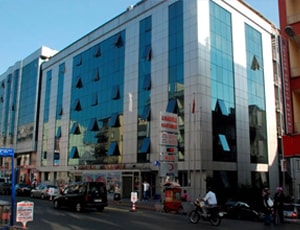
Splenectomy in Memorial Atasehir Hospital: Costs, Top Doctors, and Reviews

Istanbul, Turkey

  • Joint Commission International, or JCI

Memorial Atasehir Hospital located in Istanbul, Turkey is accredited by JCI. Also listed below are some of the most prominent infrastructural details:

  • Covers an area of 22,000 sqm in the Anatolian side of Istanbul
  • The Hospital has comfortable patient rooms, designed while considering all the required needs of the patients
  • Capacity of 144 beds
  • Intensive Care Unit
  • Emergency Department
Splenectomy in Medicana Bahcelievler Hospital: Costs, Top Doctors, and Reviews

Istanbul, Turkey

0.5 ( 1 Reviews )
  • Joint Commission International, or JCI

Medicana Bahcelievler Hospital located in Istanbul, Turkey is accredited by ISO, JCI. Also listed below are some of the most prominent infrastructural details:

  • Capacity of 89 beds
  • 6 Operating Rooms
  • 2 Delivery Rooms
  • Coronary Intensive Care Unit
  • General Intensive Care Unit
  • Neonatal Intensive Care Unit
  • Dialysis Unit with 30 beds
Splenectomy in Medicana Konya Hospital: Costs, Top Doctors, and Reviews

Konya, Turkey

  • Joint Commission International, or JCI

Medicana Konya Hospital located in Konya, Turkey is accredited by JCI. Also listed below are some of the most prominent infrastructural details:

  • Providing services in a closed area of 30.000 m2
  • It has a total of 80 physicians (including 32 specialist physicians), 37 academicians, 8 practitioners, 1 psychologist and 2 Dieticians
  • General and Neonatal Intensive Care Units
  • Total bed capacity for 223 beds with 49 in general intensive care, 7 in cardiovascular surgery intensive care, 9 beds in coronary intensive care unit, 41 in NICU and 117 service beds
  • Operating rooms are equipped with the latest medical technologies & state-of-the-art equipment like IT, MRI (1.5 Tesla), Mammography, Ultrasonography, etc.
  • Laboratories and Imaging Units
  • UHA Unit for International Patients
  • Pharmacies on Duty
  • Hospital rooms are categorized as Standard rooms and Suite rooms
  • Rooms are fully equipped with basic needs of a patient and their relatives, like TV, Mini Fridge, Nurse call system, telephone, central air conditioning ventilation system, etc.
  • 24-hour cafeteria
  • Parking lot
  • Mens & Womens Place of worship
Splenectomy in NMC Royal Hospital, DIP: Costs, Top Doctors, and Reviews

Dubai, United Arab Emirates

2.9 ( 4 Reviews )
  • Joint Commission International, or JCI

NMC Royal Hospital, DIP located in Dubai, United Arab Emirates is accredited by JCI. Also listed below are some of the most prominent infrastructural details:

  • The hospital has a total area of 17,695 sq. meters
  • 73 beds in VIP suites, Private rooms and Sharing rooms
  • 40 Consultation rooms
  • 4 Operation Theatres
  • 1 Labour room
  • 2 Delivery rooms
  • ICU with Isolation bed
  • Neonatal Intensive Care Unit with Isolation bed
  • Emergency with Isolation bed
  • 24x7 Ambulance service
  • 24x7 Community Pharmacy
  • 24x7 Emergency Services
  • Parking for visitors and patients
  • Outpatient services
  • Nursery
Splenectomy in NMC Specialty Hospital - Al Ain: Costs, Top Doctors, and Reviews

Abu Dhabi, United Arab Emirates

  • Joint Commission International, or JCI

NMC Specialty Hospital - Al Ain located in Abu Dhabi, United Arab Emirates is accredited by JCI. Also listed below are some of the most prominent infrastructural details:

  • Capacity for more than 82 beds
  • 7 Intensive Care beds
  • 13 Nursery beds
  • A well-equipped laboratory where tests are carried out by a centralized computerized system
  • The hospital has tied up with Biomnis, France for rare investigations and tests not available locally
  • Radiology Department with cutting-edge technology- a patient friendly open MRI (1.0 tesla), 64-Slice Spiral CT Scanner, 4-D Ultrasound with Color Doppler, Bone Densitometry, Mammogram, and Digital X-Ray systems backed by a fully integrated PACS system
  • 24-hour Emergency Clinic
  • 24-hour Ambulance Services
  • 24-hour New Medical Center Pharmacy
  • 100+ Doctors
  • 350+ paramedical personnel and nursing staff
Splenectomy in Medicana Bursa Hospital: Costs, Top Doctors, and Reviews

Bursa, Turkey

  • Joint Commission International, or JCI
  • ISO 9001

Medicana Bursa Hospital located in Bursa, Turkey is accredited by ISO, JCI. Also listed below are some of the most prominent infrastructural details:

  • Covers an indoor area of 40,000 sqm
  • 22-storey building
  • Capacity of 300 beds (100 intensive care beds and 200 single rooms)
  • Intensive care units with general intensive care units (reanimation)
  • Operating rooms are available for all kinds of surgeries
  • Cardiovascular surgery ICU
  • Neonatal ICU (NICU)
  • Coronary ICU
  • Emergency room
  • Bursa Hospital provides a 5-star hotel comfort to its patients and their relatives
  • Cinema and Conference hall with Medical explanations
  • Rest areas
  • Cafeteria
  • Game and Hobby sections for children
  • Dining room (designed for 1000 employees)
  • Terrace Rest Area
Splenectomy in Shanti Mukand Hospital: Costs, Top Doctors, and Reviews

Delhi, India

5.0 ( 1 Reviews )
  • National Accreditation Board for Hospitals & Healthcare Providers (NABH)
  • National Accreditation Board for Testing and Calibration Laboratories (NABL)

Shanti Mukand Hospital located in New Delhi, India is accredited by ISO, NABH. Also listed below are some of the most prominent infrastructural details:

  • Most medical and surgical disciplines are covered in the hospital in terms of treatment.
  • The diagnostics of the hospital are up to date with the latest technologies in a specialised dedicated wing called as SMH Imaging Center.
  • Some important specialties available in the hospital are Orthopedics, Oncology (SMH Cancer Center), Neurology, Cardiac Care, Pediatrics etc.
  • Physiotherapy services are available for patients.
  • There is a specific Dialysis unit known as SMH Dialysis Center.
  • There is a bed capacity of 200.
  • Modular Operation theatres as well as provisions for minimally invasive procedures.
  • Critical care and emergency care departments are also present.

Need Some Advice From Our Experts?

Request a Call Back Now!

Our team of healthcare experts would be happy to assist you

trusted Patientstrusted Patients+99
Trusted by 50000+ Patients
Required | alphabets and spaces
Required | A valid, working email address
Required | A valid contact

Process Involved for Splenectomy

  • Preoperative assessment includes bloodtests, diagnostic imaging, and vaccinations.
  • The surgical procedure consists of excising the spleen through either an open or minimally invasive (laparoscopic) approach.
  • Postoperatively, patients are examined for potential complications, including bleeding, pain, and infection.
  • Patients will undergo a recovery process, with subsequent follow-up appointments, until they are fully functional.
  • Immune thrombocytopenic purpura (ITP)
  • Hereditary spherocytosis
  • Thalassemia and other hemolytic anemias
  • Splenic trauma or rupture
  • Splenic tumors and cysts
  • Hypersplenism
  • Certain lymphomas and leukemias
  • Open splenectomy is performed using an abdominal incision and traditional techniques.
  • Laparoscopic splenectomy (LS) is performed with fewer and smaller incisions, resulting in reduced morbidity.
  • Partial splenectomy (PS) refers to the removal of part of the spleen for the same reasons as splenectomies but with the intent of preserving some degree of immunological function.
  • Individuals with hematological malignancies or disorders who do not respond to conventional therapies.
  • Individuals with splenic rupture or splenic haematoma.
  • Individuals affected by some types of cancer or solid tumours located at the spleen.
  • Individuals with splenic injury resulting in intra-abdominal bleeding.
  • Individuals who are medically suitable for surgical treatment.
  • Blood transfusion if required
  • Laparoscopic diagnostic procedures
  • Biopsy of splenic tissue
  • Vaccination administration before surgery
  • Removal of accessory spleens if present
  • Improved platelet and hemoglobin levels
  • Reduction in spleen-related pain and discomfort
  • Prevention of life-threatening complications
  • Better disease control in blood-related disorders
  • Enhanced overall quality of life
  • Stabilisation of blood counts
  • Symptom relief within weeks of surgery
  • Reduced dependency on long-term medications
  • Fill out the inquiry form: Fill out the form to provide us with the relevant information about your condition.
  • Consult with Our Healthcare Expert: One of our qualified specialists will contact you for a consultation
  • Receive a Detailed Treatment Plan:After examining your situation, we will provide you with a detailed treatment plan that includes expert views and cost breakdowns for various choices.
  • Choose your preferred option: Choose the treatment option that suits you the best.

Instantly Connect with our Splenectomy Specialists

Doctor 1
Doctor 2
Doctor 3
Doctor 4
Doctor 5
Doctor 6
Doctor 7
Doctor 8
Our Services to Better your Experience

Opinion & Option

We submit the most accurate opinion and options from one or more countries for your review

Consult Privately

Consult with a certified specialist privately on our telemedicine platform even before you decide to travel

Logistics

We handle flights, visas, transfers, and accommodation—so you can focus on your health.

Recovery

Our In-house rehabilitation service packages to better your recovery and treatment outcome

Frequently Asked Questions

Most patients are required to remain hospitalised for 3 to 7 days following splenectomy. Laparoscopic procedures generally allow shorter hospital stays, while open surgery or cases with complications may require extended monitoring and recovery time.

In addition to the procedure cost, patients may incur:
  • Pre-treatment tests
  • Medications during recovery
  • Follow-up consultations
  • Typically, patients remain in the hospital for three to seven days after splenectomy. Laparoscopic procedures typically result in a shorter hospital stay than open procedures and are associated with fewer complications.

    Long-term continuing care following splenectomy consists of periodic follow-up visits, maintaining current vaccinations to prevent infection, and, in some cases, oral antibiotics for prophylaxis.

    Pre-treatment evaluation usually includes complete blood count, liver function tests, coagulation profile, blood grouping and cross-matching, imaging studies such as ultrasound or CT scan, ECG, chest X-ray, and vaccination assessment. These tests help ensure patient safety and surgical readiness.

    Yes, splenectomy in All is considered safe for international patients when performed at accredited hospitals by experienced surgeons. Many centers follow international clinical protocols, provide multilingual patient support, and offer coordinated care services, ensuring safety, comfort, and quality outcomes for overseas patients.

    The success rates for splenectomy to treat immune thrombocytopenia (ITP) are extremely high (70-90 %), and many people have a complete or partial response to surgery.

    Author

    Dr. Vihan Gautam

    BPT, MS in Healthcare Mgmt

    3 Years of Experience

    Dr. Vihan Gautam is a distinguished Rehabilitation Specialist and Healthcare Management Professional, holding a Bachelor of Physiotherapy (BPT) from Rajiv Gandhi University of Health Sciences and a Master of Science in Healthcare Management (MSc) from the prestigious University of London, United Kingdom. With specialized clinical experience and his advanced medical knowledge in neuro-rehabilitation, musculoskeletal disorders, and evidence-based physiotherapy practices, enables him to develop patient-centered rehabilitation protocols and AI-driven care models that deliver measurable functional recovery outcomes. His diverse contributions across international rehabilitation programs, multidisciplinary care, and AI-driven healthcare initiatives uniquely position him as an emerging leader in neuro-rehabilitative care globally. . View More