Your Notifications
All done, no notifications

Cost of Retroperitoneum Surgery Worldwide

Get a Quote

Affordable World-class Treatment - Accredited Hospitals - Free Treatment Plan in 24 Hrs

5
Days in Hospital
-5
Post-Hospital
85 - 95%
Success Rate
uploads/procedure/images/1772169820_f642d873da560d6524a8.png
JCI/ISO 100,000+ Patients 24X7 Coordinator Visa & Travel handled
Your all-in-one medical travel platform for treatment, recovery & care.

Get Your Personalised Treatment Plan in Just 24 Hours.

Share your details to receive a personalised treatment plan, estimated costs, hospital recommendations, and expert guidance, “completely free.”

Required | alphabets and spaces
Required | A valid, working email address
Required | A valid contact
Connect with an Expert

Your information is protected with HIPAA-compliant security standards. We only share your details with hospitals after your consent.

Estimated Treatment Cost
All-inclusive • Hospital + Medications + Recovery Assistance + Dedicated Care Coordinator

International Quality. Affordable Care.
Dr. Vijita Jayan
Author

BPT, MPT (Neuro)

18 Years of Experience

Last Reviewed - June 2026

With over 18 years of distinguished clinical experience, Dr. Vijita Jayan is a highly accomplished Clinical Director and Rehabilitation Specialist, renowned for her expertise in neuro-rehabilitation, functional recovery, and mobility-dependent case management. Her extensive practical knowledge enables her to design and implement individualized, evidence-based rehabilitation protocols that consistently yield measurable patient outcomes. A prolific researcher and academic writer, she has authored numerous peer-reviewed articles and research papers, significantly advancing the field of rehabilitative medicine. The recipient of multiple prestigious accolades, Dr. Jayan is widely regarded as one of the foremost authorities in Physical Medicine and Rehabilitation, continually shaping neuro-rehabilitative care through research, innovation, and clinical excellence.
View More
Dr. Ashish George
Reviewer

Gastroenterologist

18 Years of Experience

Last Reviewed - June 2026

Dr. Ashish George is one of the leading names in HPB surgery & liver transplantation and has about 18+ years of experience.He is a principal consultant & unit head of liver transplant at Fortis Shalimar Bagh.
View More

Need Help Choosing the Right Treatment? Talk to a Medical Advisor

Our dedicated Medical Patient Advisors are here to answer your questions, help you compare treatment options, estimate costs, and guide you through every step of your healthcare journey.

15 min
Average response time

Serving Patients Worldwide in Multiple Languages.

The intention of retroperitoneum surgery is to remove any tumors, cysts, or other infected or noncancerous growths from the retroperitoneal area (behind your abdomen) or to remove or repair bleeding from, and/or trauma to your kidneys or major blood vessels.

  • Persistent or severe abdominal or back pain
  • Unexplained weight loss or fatigue
  • Abdominal mass or swelling
  • Blood in urine or bowel problems
  • Recurrent infections or fever

Before a retroperitoneal operation, patients typically undergo imaging studies, such as CT or MRI, to confirm the diagnosis, and blood tests are also performed to assess their health and to identify potential complications that may develop after surgery. A needle biopsy will be performed if it is necessary for diagnosis. A doctor's office examination will assess the patient's suitability for general anaesthesia.

Retroperitoneum surgery can be performed through traditional "open" surgical techniques or through a minimally invasive (laparoscopic) procedure. The retroperitoneal area is accessed during the surgery by opening a large incision. Once the retroperitoneal area is exposed, the surgeon will dissect through the surrounding tissue to access the diseased tissue. Any vital structures or organs will be protected during the surgical dissection and removed from the surgical area.

Depending upon the size and location of the affected tissue, surgery may take 2-5 hours.

  • Bleeding or infection
  • Injury to the kidneys, intestines, or blood vessels
  • Blood clots
  • Delayed wound healing
  • Anesthesia-related complications

  • Removal of tumors or abnormal growths
  • Relief from pain and pressure symptoms
  • Prevention of disease progression
  • Improved organ function and quality of life

Following surgery, patients with retroperitoneal surgery are typically observed in the hospital for several days for pain management and then return to their normal diet and daily activities as directed by the surgeon. The time to full recovery can range from 3 to 6 weeks. After this period, the surgeon will typically recommend regular follow-up appointments and/or rehabilitation as needed.

Success rates vary for retroperitoneal surgery; however, the most important factor in determining success is complete surgical removal of the tumour. The five-year survival rate for patients who undergo complete surgical removal of a retroperitoneal sarcoma is estimated at 65-80%. Patients who undergo partial surgical removal have a lower five-year survival rate.

Explore Hospitals ( 170 )

Ajman, United Arab Emirates

4.1 - 1 review · 350+ Beds · 253+ Procedures
JCI

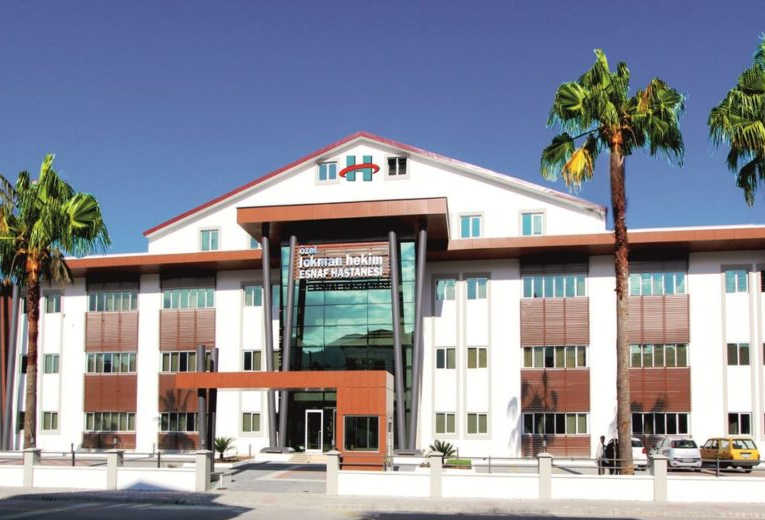
Fethiye, Turkey

JCI

Istanbul, Turkey

ISO JCI

Faridabad, India

NABH

Faridabad, India

NABH NABL

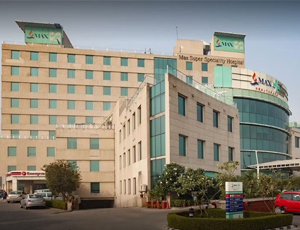
Gurgaon, India

NABH NABL

Get Your Retroperitoneum Surgery
Plan in 24 hrs.

Our experienced Medical Patient Advisors have supported 100,000+ patients across 120+ countries with personalised treatment plans, hospital recommendations, cost estimates, and travel assistance, all free.

HIPAA-Compliant Data SecurityShared Only with Your Consent

Free Consultation No Obligation Personalized Treatment Plan Response Within 24 Hours

Required | alphabets and spaces
Required | A valid, working email address
Required | A valid contact

Your medical info has is HIPAA-style confidential. We never share with hospitals without your consent.

Process Involved for Retroperitoneum Surgery

  • Before Surgery: The patient will undergo preoperative imaging (CT or MRI), blood tests, and, if needed, an ultrasound-guided fine-needle aspiration (FNA) biopsy to determine whether surgery is indicated. The patient's general health will also be assessed for anaesthetic suitability.
  • During Surgery: The surgery will be performed under general anaesthesia, using either an open or a minimally invasive (laparoscopic) technique. The surgeon makes an incision and creates access to the retroperitoneal cavity. The tumour will be excised along with any surrounding tissue that may be cancerous, but care will be taken to protect vital organs and blood vessels during the procedure.
  • After Surgery: The patient will be evaluated for potential complications and gradually reintroduced to fluids and food. The medical team will assist with pain control, wound care, and physical therapy for rehabilitation following surgery.
  • Retroperitoneal tumors and sarcomas
  • Cysts and abscesses
  • Internal bleeding or trauma
  • Kidney and adrenal gland tumors
  • Infections of the retroperitoneal space
  • Open Retroperitoneal Surgery
  • Laparoscopic Retroperitoneal Surgery
  • Robotic Retroperitoneal Surgery
  • Tumor Resection Surgery
  • Patients with tumors, cysts, infections, bleeding, or abnormal growths in the retroperitoneal space
  • Candidates must be medically fit for major surgery and anesthesia
  • CT scan or MRI imaging
  • Image-guided biopsy
  • Nephrectomy or adrenalectomy (if involved)
  • Vascular repair procedures

It includes the removal of tumors or abnormal growths, relief from pain and pressure symptoms, prevention of disease progression, and improved organ function and quality of life

  • The surgery aims to completely remove abnormal growths, relieve pain and pressure symptoms, and prevent disease progression.
  • Most patients experience improved organ function and quality of life after recovery.
  • Fill out the inquiry form: Fill out the form to provide us with the relevant information about your condition.
  • Consult with Our Healthcare Expert:One of our qualified specialists will contact you for a consultation
  • Receive a Detailed Treatment Plan:After examining your situation, we will provide you with a detailed treatment plan that includes expert views and cost breakdowns for various choices.
  • Choose your preferred option: Choose the treatment option that suits you the best.
Jenny Wilson
Your Dedicated Medical Patient Advisor
Treatment planning • Hospital coordination • Multilingual support • Response within 15 minutes.
Our Services to Better your Experience

Opinion & Option

We submit the most accurate opinion and options from one or more countries for your review

Consult Privately

Consult with a certified specialist privately on our telemedicine platform even before you decide to travel

Logistics

We handle flights, visas, transfers, and accommodation—so you can focus on your health.

Recovery

Our In-house rehabilitation service packages to better your recovery and treatment outcome

Frequently Asked Questions

The initial recovery period is approximately three to four weeks, during which patients experience gradual regaining of strength and returning to regular activity (to a certain degree). A period of six to eight weeks may be necessary for complete recuperation or return to everyday activities; dependent upon the type of procedure performed, how well one is in general, and so on.

In addition to the procedure cost, patients may incur:
  • Pre-treatment tests
  • Medications during recovery
  • Follow-up consultations
  • Most people spend between five and ten days in the hospital; however, this can vary depending on the type of surgery performed and the patient's recovery status. Patients will be monitored for complications and will likely receive oral nutrition during this period.

    Some long-term care needs include regular follow-up visits, imaging, lifestyle changes, and monitoring for recurrence or complications associated with the surgery. Other patients may require physiotherapy, nutritional assistance/education, or ongoing medication.

    In All, patients have access to advanced technologies, highly qualified specialists, state-of-the-art facilities capable of performing complex abdominal surgeries, and other advantages associated with world-class standards of care delivered by well-trained surgical staff.

    Prior to beginning the retroperitoneal support surgery process, perform a perioperative assessment. These assessments typically include CT or MRI, blood work, biopsy (with justification), ECG, chest X-ray and pre-operative assessment for anaesthetic safety.

    Absolutely. When providing retroperitoneal support surgery to international patients, hospitals must maintain accreditation, and the staff responsible for the procedure must have a proven record of excellence in treating international patients, given their unique circumstances. International Patient Services will assist with a seamless transition for your surgery(s) and ensure coordination, quality assurance, and the overall safety of the medical care throughout your international patient experience.

    The five-year survival rate for patients who undergo complete surgical removal of a retroperitoneal sarcoma is estimated at 65-80%. Patients who undergo partial surgical removal have a lower five-year survival rate.

    Not Sure About Your Treatment Plan? Get a Free Second Opinion

    Have your reports reviewed by independent oncology experts to help you make a confident treatment decision, all online within 48 hours.

    Upload Your Reports
    Free second opinion on your CAR-T plan