Your Notifications
All done, no notifications

Cost of Laparoscopic Ventral Hernia Repair Worldwide

Costs starts from Get a Quote
Filters

  • To repair abdominal wall weakness or defects.
  • To relieve pain, discomfort, or bulging at the hernia site.
  • To prevent complications such as incarceration or strangulation of the bowel.
  • To improve physical function and quality of life.

  • Noticeable bulge or swelling in the abdomen.
  • Pain or discomfort, especially during coughing or lifting.
  • Redness, tenderness, or a firm bulge that doesn’t reduce.
  • Symptoms of obstruction: nausea, vomiting, and inability to pass gas or stool

  • Complete physical examination and detailed medical history.
  • Diagnostic tests: ultrasound, CT scan, blood work.
  • Stop certain medications (e.g., blood thinners) as advised.
  • Fasting before surgery as instructed by the doctor.
  • Arrange post-surgery care and home support.

Laparoscopic ventral hernia repair is performed through small incisions, allowing the camera and instruments to be inserted. The surgeon can clearly visualise the abdominal cavity using CO2 irrigation, and the instruments are highly precise.

The surgical procedure can last 1 to 2 hours, depending on the size and complexity of the hernia. If any problems arise during the procedure, additional time may be required.

  • Infection at incision sites
  • Bleeding
  • Pain or discomfort
  • Seroma or fluid collection
  • Mesh rejection or complications
  • Recurrence of hernia
  • Injury to nearby organs or nerves

  • Minimally Invasive
  • Less Pain
  • Shorter Hospital Stay
  • Quicker Recovery
  • Less Scarring
  • Lower Risk of Infection
  • Lower Recurrence Rate

  • After surgery, patients will be monitored briefly before discharge, typically within 1-2 days. Pain medication will be prescribed for the first few days after discharge.
  • Patients are encouraged to begin walking soon after surgery to prevent complications and promote recovery.
  • The degree of restriction on daily activities after surgery varies, but most patients return to their normal routines within 2-4 weeks.
  • After surgery, follow-up appointments will be scheduled to monitor healing and address any questions or concerns.

  • Laparoscopic ventral hernia repair (LVHR) has achieved a 90% success rate, with recurrence rates typically between 3% and 14%

  • Have a ventral or incisional hernia
  • Experience pain, discomfort, or visible bulging
  • Have a reducible hernia without strangulation
  • Are medically fit for general anesthesia
  • Have failed conservative treatment options

  • Intraperitoneal Onlay Mesh (IPOM)
  • Primary Closure with Mesh
  • Bridging Technique
  • Transabdominal Preperitoneal (TAPP)
  • Totally Extraperitoneal (TEP)
  • Robotic Transabdominal Retromuscular repairs

  • Synthetic (non-absorbable or absorbable)
  • Composite Meshes
  • Biological Meshes

  • Anesthesia: The patient is given general anesthesia.
  • Access and Insufflation: A number of small incisions (ports) are made, typically three or four, and carbon dioxide is used to insufflate the abdominal cavity, creating additional working space.
  • Adhesiolysis: Using the laparoscope and specially designed surgical instruments, any adhesion (scar tissue) that is present between the hernia sac and the surrounding organs such as the intestines, is cut.
  • Hernia Reduction: The piece or organ that is protruding through the hernia is gently returned to the abdominal cavity where it belongs.
  • Mesh Placement and Fixation: A piece of synthetic material known as prosthetic mesh is inserted into the abdominal cavity (usually rolled up) and carefully spread so it covers the defect left by the hernia with an adequate overlap (three to five centimeters). The prosthetic mesh will then be secured to the strong abdominal wall using a combination of tacks (some absorbable), sutures, or fibrin glue.
  • Closure: All instruments are safely removed from the abdomen, and the gas used to inflate the abdomen is also removed. The small incisions made for access are typically closed with either sutures or glue.

  • Ventral Hernia
  • Incisional Hernia
  • Umbilical/Paraumbilical Hernia
  • Epigastric Hernia
  • Spigelian Hernia
  • Recurrent Hernia

  • Adhesiolysis
  • Component Separation
  • Robotic Surgery
  • Cholecystectomy (Gallbladder removal)

  • Lower Infection Risk
  • Rapid recovery
  • Less stay in the hospital
  • Quicker Pain Relief

  • {doctor_type_slug}

  • Fill out the inquiry form: Fill out the form to provide us with the relevant information about your condition.
  • Consult with Our Healthcare Expert: One of our qualified specialists will contact you for a consultation
  • Receive a Detailed Treatment Plan:After examining your situation, we will provide you with a detailed treatment plan that includes expert views and cost breakdowns for various choices.
  • Choose your preferred option: Choose the treatment option that suits you the best.

faqs

Which are some of the Best Hospitals in {country} for Laparoscopic Ventral Hernia Repair?

How Many Days Does It Take to Recover Post Laparoscopic Ventral Hernia Repair in {country}?

Post laparoscopic ventral hernia repair, your recovery occurs through many stages.
  • Immediate Recovery: Most people can return to light, normal daily activities within 1 to 2 weeks after surgery.
  • Return to Work: Many individuals will return to non-strenuous jobs in 1 to 2 weeks based on personal healing rates along with job requirements and surgeon recommendations.
  • Full Recovery: Soft-tissue healing typically takes 4 to 6 weeks, so during this time you should avoid heavy lifting or strenuous exercise.

How Much are the Other Expenses in {country} Apart from the Cost of Laparoscopic Ventral Hernia Repair?

How Many Days Does One Have to Spend in the Hospital for Laparoscopic Ventral Hernia Repair in {country}?

After laparoscopic ventral hernia repair, recovery happens in stages:
  • Immediate recovery: Most patients can resume light daily activities within 1–2 weeks.
  • Return to work: For non-strenuous work, many people return within 1–2 weeks, depending on personal healing, job demands, and surgeon’s advice.
  • Full recovery: Complete soft-tissue healing typically takes 4–6 weeks. Heavy lifting and strenuous exercise are usually avoided during this period.

What is the long-term care needed following a Laparoscopic Ventral Hernia Repair?

After your laparoscopic ventral hernia repair, your recovery will go through several phases:
  • Immediate Recovery: Most patients should not have any problem resuming their light, normal daily activities within 1 to 2 weeks of surgery.
  • Return to Work: Depending on the rate of personal healing, job requirements and surgeon recommendations, many patients return to non-strenuous jobs within 1 to 2 weeks.
  • Full Recovery: Soft-tissue healing typically occurs within 4 to 6 weeks. During this time, you should avoid heavy lifting and strenuous exercise.
  • Wound Care: Keep your incisions clean and follow the dressing instructions.
  • Activity Modifications: You must avoid heavy lifting and/or strenuous exercise for 4 to 6 weeks. During this time, you should avoid heavy lifting and strenuous exercise.
  • Follow-Up Visits: Schedule regular follow-up visits to monitor your recovery progress.
  • Diet and Bowel Management: You should eat a diet high in fiber to help prevent constipation (constipation can further stress the surgical repair).
  • Physiotherapy (if required): Physiotherapy should be initiated gradually to strengthen your core muscles.

Why Should You Go For a Laparoscopic Ventral Hernia Repair Treatment in {country}?

Most patients who undergo laparoscopic ventral hernia repairs will remain in the hospital for about 1-3 days if there are no complications. In uncomplicated cases, patients can be discharged as quickly as 24-48 hours after the surgery, although some patients require a longer hospitalisation to receive additional medical attention following their laparoscopic

What Are the Pre-Treatment Tests Required for Laparoscopic Ventral Hernia Repair in {country}?

  • Blood tests
  • Ultrasound/CT scan
  • ECG
  • Other specific assessments

Is Laparoscopic Ventral Hernia Repair in {country} Safe for International Patients?

  • Cost-effective Services: Compared to other Nations, we offer laparoscopic hernia repair at significantly lower prices (60-80% lower).
  • Quality: Hospitals are accredited and compliant with internationally recognised quality standards.
  • Experience: Surgeons are well qualified and experienced with the use of modern equipment for the development of minimally invasive surgical techniques
  • Support for International Patients: We provide support, including assistance with Visa applications, housing arrangements, language support, and telemedicine follow-ups.
  • Rapid Return to Health: Laparoscopic Hernia Repair allows patients to spend less time in the hospital and recover faster than with Open Hernia Repair.

What is the Success Rate of Laparoscopic Ventral Hernia Repair in {country}?

Laparoscopic ventral hernia repair (LVHR) has achieved a 90% success rate, with recurrence rates typically between 3% and 14%

What Type of Medical Visa Is Required for Laparoscopic Ventral Hernia Repair Treatment in {country}?

Would you like some help? We are available.

Get Help
Explore Hospitals ( 197 )
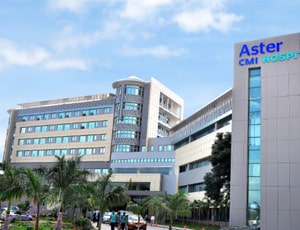
Laparoscopic Ventral Hernia Repair in Aster Medcity: Costs, Top Doctors, and Reviews

Kochi, India

  • National Accreditation Board for Hospitals & Healthcare Providers (NABH)
  • Joint Commission International, or JCI
  • 670 bed facility
  • 24 hours Emergency and Trauma Care

Aster Centres of Excellence

    • Cardiac Sciences
    • Orthopaedics & Rheumatology
    • Neurosciences
    • Nephrology & Urology
    • Oncology
    • Gastroenterology
    • Integrated Liver Care
    • Womens Health
    • Child & Adolescent Health
    • Multi Organ Transplant
  • Diagnostic Technology used for increasing the efficiency of diagnostic procedures.
  • Streamlined Application of Therapeutic Technology
  • Minimal Access Robotic Surgery (MARS) which makes use of the da Vinci Surgical System is applied by the specialists in Aster Medcity, Kochi, Kerala.
  • ORI Fusion Digital Integrated Operation Theatres which applies Karlstorz OR1 Fusion system.
  • Completely digital Anesthesia facility
  • Pharmacy which possesses completely Automated Drug Dispensing
Laparoscopic Ventral Hernia Repair in Pushpawati Singhania Research Institute: Costs, Top Doctors, and Reviews

Delhi, India

  • National Accreditation Board for Hospitals & Healthcare Providers (NABH)
  • National Accreditation Board for Testing and Calibration Laboratories (NABL)

Pushpawati Singhania Research Institute located in New Delhi, India is accredited by NABH, NABL. Also listed below are some of the most prominent infrastructural details:

  • Multi-bed hospital with state-of-art infrastructure
  • Advanced medical equipment
  • High-tech labs
  • Modular operation theaters
  • Cath labs with Clarity Platform, 128 channel CARTO 3 version 4 with ICE mapping facility, FD 10 Prucka 2D EP system
  • High-end Intensive Coronary Care Unit
  • Dedicated Pre-Post Cath Unit
  • Multislice CT Scan, 1.5 Tesla MRI
  • 24 *7*365 functional cardiac Cath lab & operation theatre
  • Fifteen bedded Coronary Care Unit
  • 3D, 4D Echo & Trans-oesophageal Echo, Non Invasive cardiology (Holter, TMT, Echo, 24hrs ambulatory BP Monitoring
  • Radio Frequency Ablation like Complex Arrhythmia such as ischemic VT, AF with 3 D Mapping imaging
  • RFA using ICE Intra-cardiac Echo
  • Well-equipped inpatient and intensive care services
  • Ultra-modern Blood Bank Facility
  • Advanced Physiotherapy center, 24/7 Emergency &Trauma services
  • Gastroenterology department equipped with Capsule endoscopy, Endoscopic retrograde cholangiopancreatography, Single balloon enteroscopy, High resolution esophageal and anorectal manometry, Endoscopic ultrasound, and hydrogen breath test
    Sustained low-efficiency daily dialysis and Continuous Renal Replacement Therapy
  • Exhaled Nitric oxide (FeNO) and allergy testing for the management of asthma
  • Conventional PAP/ Liquid PAP/ HPV-DNA test for the patients with the High risk of cervical cancer
Laparoscopic Ventral Hernia Repair in Medicana Camlica Hospital: Costs, Top Doctors, and Reviews

Istanbul, Turkey

4.2 ( 2 Reviews )
  • ISO 9001
  • Joint Commission International, or JCI

Medicana Camlica Hospital located in Istanbul, Turkey is accredited by JCI. Also listed below are some of the most prominent infrastructural details:

  • 150 bedded Hospital
  • Specialty-based clinics
  • Fully-equipped patient rooms
Laparoscopic Ventral Hernia Repair in Memorial Sisli Hospital: Costs, Top Doctors, and Reviews

Istanbul, Turkey

  • Joint Commission International, or JCI
  • National Accreditation Board for Hospitals & Healthcare Providers (NABH)

Memorial Sisli Hospital located in Istanbul, Turkey is accredited by JCI. Also listed below are some of the most prominent infrastructural details:

  • Operates in a closed area of 53,000 sqm
  • Capacity of 252 beds
  • 13 Operating rooms
  • 4 Intensive Care Units (KVC, General, Coronary, Neonatal)
  • 3 Laboratories
  • Organ Transplantation Center
  • IVF Center
  • Genetic Center
  • Stroke Center
  • Breast Health and Disease Center
  • Oncology Center
  • Da Vinci Robotic Surgery Center
  • Bone Marrow Transplantation Center
Laparoscopic Ventral Hernia Repair in Hisar Intercontinental Hospital: Costs, Top Doctors, and Reviews

Istanbul, Turkey

  • Joint Commission International, or JCI

Architecture of the Hospital designed as per the comfort of patients-

  • Consisting of 8 floors, 212 bed capacity
  • 75m2 suite rooms
  • 35 thousand m2 closed area
  • 7 operating rooms
  • 53 polyclinics
  • 54 Departments
  • Hotel-like patient rooms
  • Intensive care units consisting of 33 beds
  • Hyperbaric Oxygen Center inside the hospital
  • PYXIS computerized medicine system working with fingerprint
  • Social waiting areas
  • Indoor and Outdoor Cafeterias & Restaurants
Laparoscopic Ventral Hernia Repair in NMC Specialty Hospital: Costs, Top Doctors, and Reviews

Abu Dhabi, United Arab Emirates

  • Joint Commission International, or JCI
  • National Accreditation Board for Hospitals & Healthcare Providers (NABH)

NMC Specialty Hospital located in Abu Dhabi, United Arab Emirates is accredited by JCI. Also listed below are some of the most prominent infrastructural details:

  • 104 Patient Rooms/Wards
  • 7 Operating Rooms
  • Laboratory endowed with centrally computerized System
  • 24-hour Emergency Department
  • 24-hour Pharmacy
  • 24-hour Ambulance Services
  • Radiology Department offering state-of-the-art equipment, including MRI (1.5 Tesla), 64-slice spiral CT Scanner, 4-D Ultrasound with color Doppler, Bone Densitometry, Digital Mammogram with CAD System, and Digital X-Ray Systems with fully integrated PACS
Laparoscopic Ventral Hernia Repair in NMC Specialty Hospital, Al Nahda: Costs, Top Doctors, and Reviews

Dubai, United Arab Emirates

4.7 ( 2 Reviews )
  • Joint Commission International, or JCI

NMC Specialty Hospital, Al Nahda located in Dubai, United Arab Emirates is accredited by JCI. Also listed below are some of the most prominent infrastructural details:

  • 72 Patient Rooms
  • 10 ICU Beds
  • 10 NICU Beds
  • 4 Operation Theatres
  • Well-equipped Laboratory
  • Radiology Department
  • Smaller Medical Centers and Clinics in Dubai
  • Advanced Technology used by the Hospital- a patient friendly closed MRI (1.5 tesla), 64 Slice - Dual Source Siemens Definition MDCT CT scanner, 4-D Ultrasound with Color Doppler, Digital Fluoroscopy, Mammogram, and Digital X - Ray systems backed by a fully integrated PACS system
  • 24-hour In-house Pharmacy
  • 24-hour Ambulance services
Laparoscopic Ventral Hernia Repair in Tel Aviv Sourasky Medical Center -Ichilov Hospital: Costs, Top Doctors, and Reviews

Tel Aviv, Israel

  • Joint Commission International, or JCI

Tel Aviv Sourasky Medical Center -Ichilov Hospital located in Tel-Aviv, Israel is accredited by JCI. Also listed below are some of the most prominent infrastructural details:

  • The center possesses high end infratsructure with latest technologies which are upbgraded on a regular basis.
  • There are 60 departments in Tel Aviv Sourasky Medical Center
  • The center has as many as 6 institutions:
  • Ichilov General Hospital
  • Ted Arison Medical Tower
  • Dana-Dwek Children's Hospital
  • Sammy Ofer Heart & Brain Building
  • Adams Health Science & Rehabilitation Building (in the planning stage)
  • Lis Maternity and Women's Hospital
  • Patient Care Numbers (annual) are as follows:
    • 400,000 patients
    • 36,000 surgeries
    • 220,000 ER visits
    • 12,000 births
  • The bed capacity of the center is 1300.
  • Good success rates during treatment for the majority of conditions.
Laparoscopic Ventral Hernia Repair in Max Smart Super Speciality Hospital: Costs, Top Doctors, and Reviews

Delhi, India

3.9 ( 2 Reviews )
  • National Accreditation Board for Hospitals & Healthcare Providers (NABH)
  • Joint Commission International, or JCI
  • Max Smart Super Speciality Hospital, Saket, New Delhi, is a 250-bed tertiary care hospital known for advanced medical technology and patient-centred care.
  • The hospital offers services across 22+ specialities, including Cardiac Sciences, Orthopaedics, Urology, Neurology, Neurosurgery, Paediatrics, Obstetrics, and Gynaecology.
  • It is a regional hub for complex procedures such as neurovascular interventions, targeted cancer treatments, heart surgeries, kidney and liver transplants, and bariatric care.
  • Equipped with a 3.0 Tesla MRI, 256 Slice CT Angio, Cath Labs, Digital Orthopaedic Suite, and advanced diagnostic tools, and supported by 275+ doctors and 606+ trained staff, Max Smart Saket provides high-quality, multidisciplinary care for domestic and international patients.
Laparoscopic Ventral Hernia Repair in Lifecare Hospital, Musaffah: Costs, Top Doctors, and Reviews

Abu Dhabi, United Arab Emirates

  • Joint Commission International, or JCI

Lifecare Hospital, Musaffah located in Abu Dhabi, United Arab Emirates is accredited by ISO, JCI. Also listed below are some of the most prominent infrastructural details:

  • Inpatient Pharmacy
  • Outpatient Pharmacy
  • Nursing Department
  • Laboratories
  • Intensive Care Unit (ICU)
  • Neonatal Intensive Care Unit (NICU)
  • Rehabilitation Center

Need Some Advice From Our Experts?

Request a Call Back Now!

Our team of healthcare experts would be happy to assist you

trusted Patientstrusted Patients+99
Trusted by 50000+ Patients
Required | alphabets and spaces
Required | A valid, working email address
Required | A valid contact

Process Involved for Laparoscopic Ventral Hernia Repair

  • Anesthesia: The patient is given general anesthesia.
  • Access and Insufflation: A number of small incisions (ports) are made, typically three or four, and carbon dioxide is used to insufflate the abdominal cavity, creating additional working space.
  • Adhesiolysis: Using the laparoscope and specially designed surgical instruments, any adhesion (scar tissue) that is present between the hernia sac and the surrounding organs such as the intestines, is cut.
  • Hernia Reduction: The piece or organ that is protruding through the hernia is gently returned to the abdominal cavity where it belongs.
  • Mesh Placement and Fixation: A piece of synthetic material known as prosthetic mesh is inserted into the abdominal cavity (usually rolled up) and carefully spread so it covers the defect left by the hernia with an adequate overlap (three to five centimeters). The prosthetic mesh will then be secured to the strong abdominal wall using a combination of tacks (some absorbable), sutures, or fibrin glue.
  • Closure: All instruments are safely removed from the abdomen, and the gas used to inflate the abdomen is also removed. The small incisions made for access are typically closed with either sutures or glue.
  • Ventral Hernia
  • Incisional Hernia
  • Umbilical/Paraumbilical Hernia
  • Epigastric Hernia
  • Spigelian Hernia
  • Recurrent Hernia
  • Intraperitoneal Onlay Mesh (IPOM)
  • Primary Closure with Mesh
  • Bridging Technique
  • Transabdominal Preperitoneal (TAPP)
  • Totally Extraperitoneal (TEP)
  • Robotic Transabdominal Retromuscular repairs
  • Have a ventral or incisional hernia
  • Experience pain, discomfort, or visible bulging
  • Have a reducible hernia without strangulation
  • Are medically fit for general anesthesia
  • Have failed conservative treatment options
  • Synthetic (non-absorbable or absorbable)
  • Composite Meshes
  • Biological Meshes
  • Adhesiolysis
  • Component Separation
  • Robotic Surgery
  • Cholecystectomy (Gallbladder removal)
  • Minimally Invasive
  • Less Pain
  • Shorter Hospital Stay
  • Quicker Recovery
  • Less Scarring
  • Lower Risk of Infection
  • Lower Recurrence Rate
  • Lower Infection Risk
  • Rapid recovery
  • Less stay in the hospital
  • Quicker Pain Relief
  • Fill out the inquiry form: Fill out the form to provide us with the relevant information about your condition.
  • Consult with Our Healthcare Expert: One of our qualified specialists will contact you for a consultation
  • Receive a Detailed Treatment Plan:After examining your situation, we will provide you with a detailed treatment plan that includes expert views and cost breakdowns for various choices.
  • Choose your preferred option: Choose the treatment option that suits you the best.

Instantly Connect with our Laparoscopic Ventral Hernia Repair Specialists

Doctor 1
Doctor 2
Doctor 3
Doctor 4
Doctor 5
Doctor 6
Doctor 7
Doctor 8
Our Services to Better your Experience

Opinion & Option

We submit the most accurate opinion and options from one or more countries for your review

Consult Privately

Consult with a certified specialist privately on our telemedicine platform even before you decide to travel

Logistics

We handle flights, visas, transfers, and accommodation—so you can focus on your health.

Recovery

Our In-house rehabilitation service packages to better your recovery and treatment outcome

Frequently Asked Questions

Post laparoscopic ventral hernia repair, your recovery occurs through many stages.
  • Immediate Recovery: Most people can return to light, normal daily activities within 1 to 2 weeks after surgery.
  • Return to Work: Many individuals will return to non-strenuous jobs in 1 to 2 weeks based on personal healing rates along with job requirements and surgeon recommendations.
  • Full Recovery: Soft-tissue healing typically takes 4 to 6 weeks, so during this time you should avoid heavy lifting or strenuous exercise.
  • In addition to the procedure cost, patients may incur:
  • Pre-treatment tests
  • Medications during recovery
  • Follow-up consultations
  • After laparoscopic ventral hernia repair, recovery happens in stages:
  • Immediate recovery: Most patients can resume light daily activities within 1–2 weeks.
  • Return to work: For non-strenuous work, many people return within 1–2 weeks, depending on personal healing, job demands, and surgeon’s advice.
  • Full recovery: Complete soft-tissue healing typically takes 4–6 weeks. Heavy lifting and strenuous exercise are usually avoided during this period.
  • After your laparoscopic ventral hernia repair, your recovery will go through several phases:
  • Immediate Recovery: Most patients should not have any problem resuming their light, normal daily activities within 1 to 2 weeks of surgery.
  • Return to Work: Depending on the rate of personal healing, job requirements and surgeon recommendations, many patients return to non-strenuous jobs within 1 to 2 weeks.
  • Full Recovery: Soft-tissue healing typically occurs within 4 to 6 weeks. During this time, you should avoid heavy lifting and strenuous exercise.
  • Wound Care: Keep your incisions clean and follow the dressing instructions.
  • Activity Modifications: You must avoid heavy lifting and/or strenuous exercise for 4 to 6 weeks. During this time, you should avoid heavy lifting and strenuous exercise.
  • Follow-Up Visits: Schedule regular follow-up visits to monitor your recovery progress.
  • Diet and Bowel Management: You should eat a diet high in fiber to help prevent constipation (constipation can further stress the surgical repair).
  • Physiotherapy (if required): Physiotherapy should be initiated gradually to strengthen your core muscles.
  • Most patients who undergo laparoscopic ventral hernia repairs will remain in the hospital for about 1-3 days if there are no complications. In uncomplicated cases, patients can be discharged as quickly as 24-48 hours after the surgery, although some patients require a longer hospitalisation to receive additional medical attention following their laparoscopic

  • Blood tests
  • Ultrasound/CT scan
  • ECG
  • Other specific assessments
  • Cost-effective Services: Compared to other Nations, we offer laparoscopic hernia repair at significantly lower prices (60-80% lower).
  • Quality: Hospitals are accredited and compliant with internationally recognised quality standards.
  • Experience: Surgeons are well qualified and experienced with the use of modern equipment for the development of minimally invasive surgical techniques
  • Support for International Patients: We provide support, including assistance with Visa applications, housing arrangements, language support, and telemedicine follow-ups.
  • Rapid Return to Health: Laparoscopic Hernia Repair allows patients to spend less time in the hospital and recover faster than with Open Hernia Repair.
  • Laparoscopic ventral hernia repair (LVHR) has achieved a 90% success rate, with recurrence rates typically between 3% and 14%

    Author

    Alvina Hasan

    M.Pharm

    1 Year of Experience

    Alvina Hasan is a dedicated medical researcher and scientific writer with a strong foundation in the pharmaceutical sciences. She holds a B.Pharm from Jamia Hamdard University and an M.Pharm in Quality Assurance from DIPSAR University. With deep medical expertise and a strong interest in healthcare communication, she focuses on transforming complex clinical and scientific information into clear, engaging, and easy-to-understand narratives. She develops insightful healthcare articles and research-driven pieces designed to support both medical professionals and patients, helping bridge the gap between advanced medical knowledge and practical understanding. . View More