Your Notifications
All done, no notifications

Laparoscopic Ventral Hernia Repair Cost in Delhi

Costs starts from USD1000 to USD2800
Filters

Cost of Laparoscopic Ventral Hernia Repair in Major cities of India

CityMinimum Cost (USD)Minimum Cost (INR)Maximum Cost (USD)Maximum Cost (INR)
AhmedabadUSD 90083898USD 2520234914
BangaloreUSD 100093220USD 2800261016
ChennaiUSD 100093220USD 2800261016
DelhiUSD 100093220USD 2800261016
FaridabadUSD 100093220USD 2800261016
GhaziabadUSD 100093220USD 2800261016
GurgaonUSD 100093220USD 2800261016
GurugramUSD 100093220USD 2800261016
HyderabadUSD 100093220USD 2800261016
KochiUSD 100093220USD 2800261016
KolkataUSD 100093220USD 2800261016
MohaliUSD 90083898USD 2520234914
MumbaiUSD 100093220USD 2800261016
NoidaUSD 100093220USD 2800261016
PanjimUSD 90083898USD 2520234914
PuneUSD 90083898USD 2520234914
RajkotUSD 90083898USD 2520234914

Need Help Planning Your Treatment Abroad?

Your 24/7 AI Health Assistant

  • To repair abdominal wall weakness or defects.
  • To relieve pain, discomfort, or bulging at the hernia site.
  • To prevent complications such as incarceration or strangulation of the bowel.
  • To improve physical function and quality of life.

  • Noticeable bulge or swelling in the abdomen.
  • Pain or discomfort, especially during coughing or lifting.
  • Redness, tenderness, or a firm bulge that doesn’t reduce.
  • Symptoms of obstruction: nausea, vomiting, and inability to pass gas or stool

  • Complete physical examination and detailed medical history.
  • Diagnostic tests: ultrasound, CT scan, blood work.
  • Stop certain medications (e.g., blood thinners) as advised.
  • Fasting before surgery as instructed by the doctor.
  • Arrange post-surgery care and home support.

Laparoscopic ventral hernia repair is performed through small incisions, allowing the camera and instruments to be inserted. The surgeon can clearly visualise the abdominal cavity using CO2 irrigation, and the instruments are highly precise.

The surgical procedure can last 1 to 2 hours, depending on the size and complexity of the hernia. If any problems arise during the procedure, additional time may be required.

  • Infection at incision sites
  • Bleeding
  • Pain or discomfort
  • Seroma or fluid collection
  • Mesh rejection or complications
  • Recurrence of hernia
  • Injury to nearby organs or nerves

  • Minimally Invasive
  • Less Pain
  • Shorter Hospital Stay
  • Quicker Recovery
  • Less Scarring
  • Lower Risk of Infection
  • Lower Recurrence Rate

  • After surgery, patients will be monitored briefly before discharge, typically within 1-2 days. Pain medication will be prescribed for the first few days after discharge.
  • Patients are encouraged to begin walking soon after surgery to prevent complications and promote recovery.
  • The degree of restriction on daily activities after surgery varies, but most patients return to their normal routines within 2-4 weeks.
  • After surgery, follow-up appointments will be scheduled to monitor healing and address any questions or concerns.

  • Laparoscopic ventral hernia repair (LVHR) has achieved a 90% success rate, with recurrence rates typically between 3% and 14%

  • Have a ventral or incisional hernia
  • Experience pain, discomfort, or visible bulging
  • Have a reducible hernia without strangulation
  • Are medically fit for general anesthesia
  • Have failed conservative treatment options

  • Intraperitoneal Onlay Mesh (IPOM)
  • Primary Closure with Mesh
  • Bridging Technique
  • Transabdominal Preperitoneal (TAPP)
  • Totally Extraperitoneal (TEP)
  • Robotic Transabdominal Retromuscular repairs

  • Synthetic (non-absorbable or absorbable)
  • Composite Meshes
  • Biological Meshes

  • Anesthesia: The patient is given general anesthesia.
  • Access and Insufflation: A number of small incisions (ports) are made, typically three or four, and carbon dioxide is used to insufflate the abdominal cavity, creating additional working space.
  • Adhesiolysis: Using the laparoscope and specially designed surgical instruments, any adhesion (scar tissue) that is present between the hernia sac and the surrounding organs such as the intestines, is cut.
  • Hernia Reduction: The piece or organ that is protruding through the hernia is gently returned to the abdominal cavity where it belongs.
  • Mesh Placement and Fixation: A piece of synthetic material known as prosthetic mesh is inserted into the abdominal cavity (usually rolled up) and carefully spread so it covers the defect left by the hernia with an adequate overlap (three to five centimeters). The prosthetic mesh will then be secured to the strong abdominal wall using a combination of tacks (some absorbable), sutures, or fibrin glue.
  • Closure: All instruments are safely removed from the abdomen, and the gas used to inflate the abdomen is also removed. The small incisions made for access are typically closed with either sutures or glue.

  • Ventral Hernia
  • Incisional Hernia
  • Umbilical/Paraumbilical Hernia
  • Epigastric Hernia
  • Spigelian Hernia
  • Recurrent Hernia

  • Adhesiolysis
  • Component Separation
  • Robotic Surgery
  • Cholecystectomy (Gallbladder removal)

  • Lower Infection Risk
  • Rapid recovery
  • Less stay in the hospital
  • Quicker Pain Relief

  • {doctor_type_slug}

  • Fill out the inquiry form: Fill out the form to provide us with the relevant information about your condition.
  • Consult with Our Healthcare Expert: One of our qualified specialists will contact you for a consultation
  • Receive a Detailed Treatment Plan:After examining your situation, we will provide you with a detailed treatment plan that includes expert views and cost breakdowns for various choices.
  • Choose your preferred option: Choose the treatment option that suits you the best.

faqs

Which are some of the Best Hospitals in {country} for Laparoscopic Ventral Hernia Repair?

How Many Days Does It Take to Recover Post Laparoscopic Ventral Hernia Repair in {country}?

Post laparoscopic ventral hernia repair, your recovery occurs through many stages.
  • Immediate Recovery: Most people can return to light, normal daily activities within 1 to 2 weeks after surgery.
  • Return to Work: Many individuals will return to non-strenuous jobs in 1 to 2 weeks based on personal healing rates along with job requirements and surgeon recommendations.
  • Full Recovery: Soft-tissue healing typically takes 4 to 6 weeks, so during this time you should avoid heavy lifting or strenuous exercise.

How Much are the Other Expenses in {country} Apart from the Cost of Laparoscopic Ventral Hernia Repair?

How Many Days Does One Have to Spend in the Hospital for Laparoscopic Ventral Hernia Repair in {country}?

After laparoscopic ventral hernia repair, recovery happens in stages:
  • Immediate recovery: Most patients can resume light daily activities within 1–2 weeks.
  • Return to work: For non-strenuous work, many people return within 1–2 weeks, depending on personal healing, job demands, and surgeon’s advice.
  • Full recovery: Complete soft-tissue healing typically takes 4–6 weeks. Heavy lifting and strenuous exercise are usually avoided during this period.

What is the long-term care needed following a Laparoscopic Ventral Hernia Repair?

After your laparoscopic ventral hernia repair, your recovery will go through several phases:
  • Immediate Recovery: Most patients should not have any problem resuming their light, normal daily activities within 1 to 2 weeks of surgery.
  • Return to Work: Depending on the rate of personal healing, job requirements and surgeon recommendations, many patients return to non-strenuous jobs within 1 to 2 weeks.
  • Full Recovery: Soft-tissue healing typically occurs within 4 to 6 weeks. During this time, you should avoid heavy lifting and strenuous exercise.
  • Wound Care: Keep your incisions clean and follow the dressing instructions.
  • Activity Modifications: You must avoid heavy lifting and/or strenuous exercise for 4 to 6 weeks. During this time, you should avoid heavy lifting and strenuous exercise.
  • Follow-Up Visits: Schedule regular follow-up visits to monitor your recovery progress.
  • Diet and Bowel Management: You should eat a diet high in fiber to help prevent constipation (constipation can further stress the surgical repair).
  • Physiotherapy (if required): Physiotherapy should be initiated gradually to strengthen your core muscles.

Why Should You Go For a Laparoscopic Ventral Hernia Repair Treatment in {country}?

Most patients who undergo laparoscopic ventral hernia repairs will remain in the hospital for about 1-3 days if there are no complications. In uncomplicated cases, patients can be discharged as quickly as 24-48 hours after the surgery, although some patients require a longer hospitalisation to receive additional medical attention following their laparoscopic

What Are the Pre-Treatment Tests Required for Laparoscopic Ventral Hernia Repair in {country}?

  • Blood tests
  • Ultrasound/CT scan
  • ECG
  • Other specific assessments

Is Laparoscopic Ventral Hernia Repair in {country} Safe for International Patients?

  • Cost-effective Services: Compared to other Nations, we offer laparoscopic hernia repair at significantly lower prices (60-80% lower).
  • Quality: Hospitals are accredited and compliant with internationally recognised quality standards.
  • Experience: Surgeons are well qualified and experienced with the use of modern equipment for the development of minimally invasive surgical techniques
  • Support for International Patients: We provide support, including assistance with Visa applications, housing arrangements, language support, and telemedicine follow-ups.
  • Rapid Return to Health: Laparoscopic Hernia Repair allows patients to spend less time in the hospital and recover faster than with Open Hernia Repair.

What is the Success Rate of Laparoscopic Ventral Hernia Repair in {country}?

Laparoscopic ventral hernia repair (LVHR) has achieved a 90% success rate, with recurrence rates typically between 3% and 14%

What Type of Medical Visa Is Required for Laparoscopic Ventral Hernia Repair Treatment in {country}?

Would you like some help? We are available.

Get Help
Explore Hospitals ( 18 )
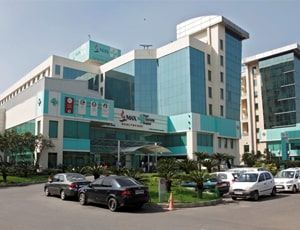
Laparoscopic Ventral Hernia Repair in BLK-Max Super Speciality Hospital: Costs, Top Doctors, and Reviews

Delhi, India

5.0 ( 1 Reviews )
  • Joint Commission International, or JCI
  • National Accreditation Board for Hospitals & Healthcare Providers (NABH)

BLK-Max Super Speciality Hospital, located in New Delhi, is the leading best-in-class healthcare institution in India, providing tertiary and quaternary care. 650 + beds including 162 critical care beds, 22 OTs with 1,500+ clinical professionals allied to health are at the hospital's disposal. JCI, NABH, and NABL accredited. The hospitals are a leader in transplants, cancer care, and robotic surgery education and implementation. Established in1959 by Dr. B.L. Kapur, the hospital combines state-of-the-art technology with patient-centric values including compassion, efficiency, and consistency.

Laparoscopic Ventral Hernia Repair in Fortis Escorts Heart Institute, Okhla: Costs, Top Doctors, and Reviews

Delhi, India

  • National Accreditation Board for Testing and Calibration Laboratories (NABL)

Fortis Escorts Heart Institute, located in New Delhi, was founded in 1988 and is a JCI-accredited cardiac care centre, as well as the largest private heart hospital in the Asia-Pacific region. The hospital has 285 beds, five cath labs, state-of-the-art ICUs, and NABL-accredited labs and offers advanced cardiac care surgery 24?7. The hospital also provides advanced cardiac treatment, but is particularly well-known for heart transplants as well as minimally invasive cardiac surgery and paediatric cardiology. The hospital offers world-class facilities and patient-centric services, providing comprehensive support to all international patients.

Laparoscopic Ventral Hernia Repair in Indraprastha Apollo Hospital: Costs, Top Doctors, and Reviews

Delhi, India

4.4 ( 5 Reviews )
  • Joint Commission International, or JCI

Indraprastha Apollo Hospital is known for delivering treatment to over 200,000 patients every year; 10,000 of which are generally medical tourists. The efficient team of doctors has the record of 99.6 percent success rate. Indraprastha Apollo Hospital deals in treatment of over 50 specialities.  

Let’s see some of the features of the infrastructure:

  • Spread over 15 acres, the hospital has 710 beds.
  • 6 beds dedicated to bone marrow transplant units with very strict infection control practices.
  • 64-Slice Scan coupled with data acquisition which provides highest temporal resolution
  • One of the hospitals to be using Da Vinci Robotics Surgery System
  • In South Asia, the Spect-CT and Pet-CT got their first installation at Indraprastha Apollo Hospital in India
  • Technologies such as PET- MR, BrainLab Navigation System, PET-CT, Portable CT Scanner, Tilting MRI, NovalisTx, Cobalt based HDR Brachytherapy, Hyperbaric Chamber, DSA Lab, Fibroscan, 3 Tesla MRI, Endosonography, 128 Slice CT scanner are all installed at the hospital.
  • The Cancer Institute at Indraprastha Apollo is equipped with a highly advanced Radiation Oncology Center with ClinaciX, NovalisTx, and HDR-Brachytherapy.
  • It is equipped with the largest Sleep Lab in Asia, & has one of the largest Dialysis Units in India.
  • A large number of ICU beds than any other Private Hospitals in India.
  • WIFI is accessible across the whole campus.
Laparoscopic Ventral Hernia Repair in Venkateshwar Hospital: Costs, Top Doctors, and Reviews

Delhi, India

2.6 ( 2 Reviews )
  • National Accreditation Board for Testing and Calibration Laboratories (NABL)
  • National Accreditation Board for Hospitals & Healthcare Providers (NABH)

Venkateshwar Hospital located in New Delhi, India is accredited by NABH. Also listed below are some of the most prominent infrastructural details:

  • The hospital has the latest healthcare facilities and world class infrastructure.
  • It has a 325 bed capacity and 100 beds for critical care.
  • There are as many as 10 operation theatres.
  • The Intensive Care Unit and blood bank is also present within the hospital.
  • There is complete support for international patients with facilities such as transfers, assistance for visa and accommodation, translators and insurance related assistance.
  • Some of the departments in which medical services are available are Plastic and Reconstructive Surgery, Orthopedics, Gynecology, Cardiology, Neurology and Oncology.
  • The hospital also provides treatment for infertility, weight loss and has physiotherapy and pain management services.
Laparoscopic Ventral Hernia Repair in Max Super Speciality Hospital, Patparganj: Costs, Top Doctors, and Reviews

Delhi, India

4.6 ( 1 Reviews )
  • National Accreditation Board for Hospitals & Healthcare Providers (NABH)
  • National Accreditation Board for Testing and Calibration Laboratories (NABL)

Max Super Speciality Hospital, Patparganj, a 400+ bed NABH-accredited facility under Balaji Medical and Diagnostic Research Centre, offers world-class care across 33+ specialties, including Cardiac Sciences, Oncology, Neurosciences, Orthopaedics, Obstetrics & Gynaecology, and Kidney Transplant. With 116 ICU beds, 14 HDU beds, 11 modular OTs, and an NABL-accredited Max Lab, the hospital ensures advanced, quality-driven care. Staffed by 510+ expert doctors and 770+ nurses, it’s India’s first AACI-accredited super speciality hospital and North & West India’s first QAI-accredited Advanced Brain Stroke Centre. Max Patparganj is a regional leader in complex surgeries, blending cutting-edge technology with compassionate, patient-centric healthcare.

Laparoscopic Ventral Hernia Repair in Fortis Flt. Lt. Rajan Dhall Hospital: Costs, Top Doctors, and Reviews

Delhi, India

4.8 ( 2 Reviews )
  • National Accreditation Board for Hospitals & Healthcare Providers (NABH)

Fortis Hospital, Vasant Kunj, New Delhi, established in 2006, is a leading multi-super specialty hospital with over 18 years of excellence. It has treated more than 2 million patients across 40 specialties and performed 8,500+ complex GI surgeries, 9,300+ joint replacements, 3,600+ neurosurgeries, 1,400+ kidney transplants, and 10,000+ high-risk deliveries. The hospital offers advanced robotic surgeries and specialized clinics, including Asthma & Allergy, Kidney Stone, Obesity, Sports Injury, and Sahajini (Menopause Clinic). Accredited by NABH and NABL, it has earned awards from AHPI, CII, and Newsweek’s “World’s Best Hospitals” (2022–2025), reflecting excellence in technology, expertise, and compassionate patient care.

Laparoscopic Ventral Hernia Repair in Medeor Hospital: Costs, Top Doctors, and Reviews

Delhi, India

  • National Accreditation Board for Hospitals & Healthcare Providers (NABH)
  • National Accreditation Board for Testing and Calibration Laboratories (NABL)

Supported by the first class staff, Medeor Hospital is dedicated to providing the latest in medical advances. The hospital’s professional expertise is regarded as one of the finest in India. The centre provides acute specialist services and aims at delivering top-quality medical and patient care.

Infrastructure & Facilities:

  • 24x7 Emergency, Diagnostics and Pharmacy services
  • State of the art instruments
  • Hi-tech ICUs
  • Modular OTs
  • High-end Medical Diagnostic Laboratories
  • Highly Experienced Physicians & Surgeons
  • Zero Bacteria Operation Theaters
  • Modern Infrastructure Equipped with Advanced Facilities
  • Radiology department equipped with advanced diagnostic imaging technologies like 1.5 tesla MRI, high-tech 160 CT Scan and dual detector X – ray
  • Cardiac Catheterization Lab having Hybrid Operating Room
  • Linear Accelerator, Brachytherapy Suite, Wide Bore CT Simulator
  • Slice CT Scan, CT Simulation
  • Slice PET CT, Dual Head 6 Slice SPECT CT
  • Facilitation counter at International Airport, New Delhi
  • Translator of different languages
  • Assistance in lodging, boarding and ticketing
  • Wi-Fi and local SIM cards
  • Tele-medicine, e-consultation and post discharge follow up
  • Foreign exchange services
  • Prayer and meditation rooms
Laparoscopic Ventral Hernia Repair in Max Super Speciality Hospital, Saket: Costs, Top Doctors, and Reviews

Delhi, India

  • Joint Commission International, or JCI
  • National Accreditation Board for Hospitals & Healthcare Providers (NABH)

Max Smart Super Speciality Hospital, Saket, is a 250-bed tertiary care hospital awarded NABH accreditation, which provides advanced medical care in various specialities such as Cardiac Sciences, Orthopaedics, Neurology, Urology, Kidney Transplant, Paediatrics, and Obstetrics & Gynaecology. The hospital provides quality, safe, integrated, and patient-centric medical care using modular OTs, ICUs, Cath Labs, CT, MRI and Dialysis units.

Laparoscopic Ventral Hernia Repair in Clear Medi Hospital, Karkardooma: Costs, Top Doctors, and Reviews

Delhi, India

  • National Accreditation Board for Hospitals & Healthcare Providers (NABH)
  • National Accreditation Board for Testing and Calibration Laboratories (NABL)

Clear Medi Hospital, Karkardooma located in New Delhi, India is accredited by ISO. Also listed below are some of the most prominent infrastructural details:

  • There are 12 Linear Accelerators in all hospitals of Clear Medi Hospital, Delhi, India and more in the development stage.
  • Over 25 surgical and medical specialties across all Clear Medi Hospitals
  • Care Medi is one of the biggest Oncology care organisations in India.
  • Hospital management solutions provided to over 15 partner healthcare organisations managing more than 300 beds.
  • The organisation consists of offerings such as clinical manpower management and equipment management.
  • Advanced radiology and nuclear medicine centres
  • Professionally managed international patient care
  • Clear Medi Hospital, Delhi has a capacity of 100 beds.
  • Clear Medi is a multispecialty hospital.
  • It is a NABH (National Accreditation Board for Hospitals & Healthcare providers) certified hospital.
  • It has Oncology and Cardiac departments with an Intensive Care Unit.
  • It also has fully equipped Operation Theatres.
  • Clear Medi Hospital ensures coordination with patients and International Patient assistance
  • It has an online Tumor Board with a number of Medical, Surgical and Radiation Oncologists.
Laparoscopic Ventral Hernia Repair in Fortis La Femme, Greater Kailash II: Costs, Top Doctors, and Reviews

Delhi, India

  • National Accreditation Board for Hospitals & Healthcare Providers (NABH)

Fortis La Femme, GK II, is a boutique multi-speciality hospital dedicated to women’s health, offering personalised and compassionate care. With 36 beds, it combines a patient-centric approach with an elegant, comfortable environment. The hospital provides a wide range of services, including Obstetrics with painless labour, Gynaecology and General Surgery using minimal access laparoscopic techniques, Fertility and IVF treatments, Neonatology with a Level III NICU, Onco Surgery for breast and gynaecological cancers, Cosmetology and Cosmetic Surgery, Endocrinology, Internal Medicine, Foetal Medicine, ENT, and Clinical Nutrition — all tailored to meet women’s unique healthcare needs.

Need Some Advice From Our Experts?

Request a Call Back Now!

Our team of healthcare experts would be happy to assist you

trusted Patientstrusted Patients+99
Trusted by 50000+ Patients
Required | alphabets and spaces
Required | A valid, working email address
Required | A valid contact

Process Involved for Laparoscopic Ventral Hernia Repair in Delhi

  • Anesthesia: The patient is given general anesthesia.
  • Access and Insufflation: A number of small incisions (ports) are made, typically three or four, and carbon dioxide is used to insufflate the abdominal cavity, creating additional working space.
  • Adhesiolysis: Using the laparoscope and specially designed surgical instruments, any adhesion (scar tissue) that is present between the hernia sac and the surrounding organs such as the intestines, is cut.
  • Hernia Reduction: The piece or organ that is protruding through the hernia is gently returned to the abdominal cavity where it belongs.
  • Mesh Placement and Fixation: A piece of synthetic material known as prosthetic mesh is inserted into the abdominal cavity (usually rolled up) and carefully spread so it covers the defect left by the hernia with an adequate overlap (three to five centimeters). The prosthetic mesh will then be secured to the strong abdominal wall using a combination of tacks (some absorbable), sutures, or fibrin glue.
  • Closure: All instruments are safely removed from the abdomen, and the gas used to inflate the abdomen is also removed. The small incisions made for access are typically closed with either sutures or glue.
  • Ventral Hernia
  • Incisional Hernia
  • Umbilical/Paraumbilical Hernia
  • Epigastric Hernia
  • Spigelian Hernia
  • Recurrent Hernia
  • Intraperitoneal Onlay Mesh (IPOM)
  • Primary Closure with Mesh
  • Bridging Technique
  • Transabdominal Preperitoneal (TAPP)
  • Totally Extraperitoneal (TEP)
  • Robotic Transabdominal Retromuscular repairs
  • Have a ventral or incisional hernia
  • Experience pain, discomfort, or visible bulging
  • Have a reducible hernia without strangulation
  • Are medically fit for general anesthesia
  • Have failed conservative treatment options
  • Synthetic (non-absorbable or absorbable)
  • Composite Meshes
  • Biological Meshes
  • Adhesiolysis
  • Component Separation
  • Robotic Surgery
  • Cholecystectomy (Gallbladder removal)
  • Minimally Invasive
  • Less Pain
  • Shorter Hospital Stay
  • Quicker Recovery
  • Less Scarring
  • Lower Risk of Infection
  • Lower Recurrence Rate
  • Lower Infection Risk
  • Rapid recovery
  • Less stay in the hospital
  • Quicker Pain Relief
  • Fill out the inquiry form: Fill out the form to provide us with the relevant information about your condition.
  • Consult with Our Healthcare Expert: One of our qualified specialists will contact you for a consultation
  • Receive a Detailed Treatment Plan:After examining your situation, we will provide you with a detailed treatment plan that includes expert views and cost breakdowns for various choices.
  • Choose your preferred option: Choose the treatment option that suits you the best.

Instantly Connect with our Laparoscopic Ventral Hernia Repair Specialists

Doctor 1
Doctor 2
Doctor 3
Doctor 4
Doctor 5
Doctor 6
Doctor 7
Doctor 8
Our Services to Better your Experience

Opinion & Option

We submit the most accurate opinion and options from one or more countries for your review

Consult Privately

Consult with a certified specialist privately on our telemedicine platform even before you decide to travel

Logistics

We handle flights, visas, transfers, and accommodation—so you can focus on your health.

Recovery

Our In-house rehabilitation service packages to better your recovery and treatment outcome

Other Popular Countries for Laparoscopic Ventral Hernia Repair

Our network connects you with the leading medical tourism destinations globally, offering a wide range of cities, top doctors, and flexible pricing options.

Singapore
Thailand
Turkey
Malaysia

Frequently Asked Questions

Post laparoscopic ventral hernia repair, your recovery occurs through many stages.
  • Immediate Recovery: Most people can return to light, normal daily activities within 1 to 2 weeks after surgery.
  • Return to Work: Many individuals will return to non-strenuous jobs in 1 to 2 weeks based on personal healing rates along with job requirements and surgeon recommendations.
  • Full Recovery: Soft-tissue healing typically takes 4 to 6 weeks, so during this time you should avoid heavy lifting or strenuous exercise.
  • In addition to the procedure cost, patients may incur:
  • Pre-treatment tests
  • Medications during recovery
  • Follow-up consultations
  • After laparoscopic ventral hernia repair, recovery happens in stages:
  • Immediate recovery: Most patients can resume light daily activities within 1–2 weeks.
  • Return to work: For non-strenuous work, many people return within 1–2 weeks, depending on personal healing, job demands, and surgeon’s advice.
  • Full recovery: Complete soft-tissue healing typically takes 4–6 weeks. Heavy lifting and strenuous exercise are usually avoided during this period.
  • After your laparoscopic ventral hernia repair, your recovery will go through several phases:
  • Immediate Recovery: Most patients should not have any problem resuming their light, normal daily activities within 1 to 2 weeks of surgery.
  • Return to Work: Depending on the rate of personal healing, job requirements and surgeon recommendations, many patients return to non-strenuous jobs within 1 to 2 weeks.
  • Full Recovery: Soft-tissue healing typically occurs within 4 to 6 weeks. During this time, you should avoid heavy lifting and strenuous exercise.
  • Wound Care: Keep your incisions clean and follow the dressing instructions.
  • Activity Modifications: You must avoid heavy lifting and/or strenuous exercise for 4 to 6 weeks. During this time, you should avoid heavy lifting and strenuous exercise.
  • Follow-Up Visits: Schedule regular follow-up visits to monitor your recovery progress.
  • Diet and Bowel Management: You should eat a diet high in fiber to help prevent constipation (constipation can further stress the surgical repair).
  • Physiotherapy (if required): Physiotherapy should be initiated gradually to strengthen your core muscles.
  • Most patients who undergo laparoscopic ventral hernia repairs will remain in the hospital for about 1-3 days if there are no complications. In uncomplicated cases, patients can be discharged as quickly as 24-48 hours after the surgery, although some patients require a longer hospitalisation to receive additional medical attention following their laparoscopic

  • Blood tests
  • Ultrasound/CT scan
  • ECG
  • Other specific assessments
  • Cost-effective Services: Compared to other Nations, we offer laparoscopic hernia repair at significantly lower prices (60-80% lower).
  • Quality: Hospitals are accredited and compliant with internationally recognised quality standards.
  • Experience: Surgeons are well qualified and experienced with the use of modern equipment for the development of minimally invasive surgical techniques
  • Support for International Patients: We provide support, including assistance with Visa applications, housing arrangements, language support, and telemedicine follow-ups.
  • Rapid Return to Health: Laparoscopic Hernia Repair allows patients to spend less time in the hospital and recover faster than with Open Hernia Repair.
  • Laparoscopic ventral hernia repair (LVHR) has achieved a 90% success rate, with recurrence rates typically between 3% and 14%

    Author

    Alvina Hasan

    M.Pharm

    1 Year of Experience

    Alvina Hasan is a dedicated medical researcher and scientific writer with a strong foundation in the pharmaceutical sciences. She holds a B.Pharm from Jamia Hamdard University and an M.Pharm in Quality Assurance from DIPSAR University. With deep medical expertise and a strong interest in healthcare communication, she focuses on transforming complex clinical and scientific information into clear, engaging, and easy-to-understand narratives. She develops insightful healthcare articles and research-driven pieces designed to support both medical professionals and patients, helping bridge the gap between advanced medical knowledge and practical understanding. . View More