Your Notifications
All done, no notifications

Laparoscopic Ventral Hernia Repair Cost in Mumbai

Costs starts from USD1000 to USD2800
Filters

Cost of Laparoscopic Ventral Hernia Repair in Major cities of India

CityMinimum Cost (USD)Minimum Cost (INR)Maximum Cost (USD)Maximum Cost (INR)
AhmedabadUSD 90083898USD 2520234914
BangaloreUSD 100093220USD 2800261016
ChennaiUSD 100093220USD 2800261016
DelhiUSD 100093220USD 2800261016
FaridabadUSD 100093220USD 2800261016
GhaziabadUSD 100093220USD 2800261016
GurgaonUSD 100093220USD 2800261016
GurugramUSD 100093220USD 2800261016
HyderabadUSD 100093220USD 2800261016
KochiUSD 100093220USD 2800261016
KolkataUSD 100093220USD 2800261016
MohaliUSD 90083898USD 2520234914
MumbaiUSD 100093220USD 2800261016
NoidaUSD 100093220USD 2800261016
PanjimUSD 90083898USD 2520234914
PuneUSD 90083898USD 2520234914
RajkotUSD 90083898USD 2520234914

Need Help Planning Your Treatment Abroad?

Your 24/7 AI Health Assistant

  • To repair abdominal wall weakness or defects.
  • To relieve pain, discomfort, or bulging at the hernia site.
  • To prevent complications such as incarceration or strangulation of the bowel.
  • To improve physical function and quality of life.

  • Noticeable bulge or swelling in the abdomen.
  • Pain or discomfort, especially during coughing or lifting.
  • Redness, tenderness, or a firm bulge that doesn’t reduce.
  • Symptoms of obstruction: nausea, vomiting, and inability to pass gas or stool

  • Complete physical examination and detailed medical history.
  • Diagnostic tests: ultrasound, CT scan, blood work.
  • Stop certain medications (e.g., blood thinners) as advised.
  • Fasting before surgery as instructed by the doctor.
  • Arrange post-surgery care and home support.

Laparoscopic ventral hernia repair is performed through small incisions, allowing the camera and instruments to be inserted. The surgeon can clearly visualise the abdominal cavity using CO2 irrigation, and the instruments are highly precise.

The surgical procedure can last 1 to 2 hours, depending on the size and complexity of the hernia. If any problems arise during the procedure, additional time may be required.

  • Infection at incision sites
  • Bleeding
  • Pain or discomfort
  • Seroma or fluid collection
  • Mesh rejection or complications
  • Recurrence of hernia
  • Injury to nearby organs or nerves

  • Minimally Invasive
  • Less Pain
  • Shorter Hospital Stay
  • Quicker Recovery
  • Less Scarring
  • Lower Risk of Infection
  • Lower Recurrence Rate

  • After surgery, patients will be monitored briefly before discharge, typically within 1-2 days. Pain medication will be prescribed for the first few days after discharge.
  • Patients are encouraged to begin walking soon after surgery to prevent complications and promote recovery.
  • The degree of restriction on daily activities after surgery varies, but most patients return to their normal routines within 2-4 weeks.
  • After surgery, follow-up appointments will be scheduled to monitor healing and address any questions or concerns.

  • Laparoscopic ventral hernia repair (LVHR) has achieved a 90% success rate, with recurrence rates typically between 3% and 14%

  • Have a ventral or incisional hernia
  • Experience pain, discomfort, or visible bulging
  • Have a reducible hernia without strangulation
  • Are medically fit for general anesthesia
  • Have failed conservative treatment options

  • Intraperitoneal Onlay Mesh (IPOM)
  • Primary Closure with Mesh
  • Bridging Technique
  • Transabdominal Preperitoneal (TAPP)
  • Totally Extraperitoneal (TEP)
  • Robotic Transabdominal Retromuscular repairs

  • Synthetic (non-absorbable or absorbable)
  • Composite Meshes
  • Biological Meshes

  • Anesthesia: The patient is given general anesthesia.
  • Access and Insufflation: A number of small incisions (ports) are made, typically three or four, and carbon dioxide is used to insufflate the abdominal cavity, creating additional working space.
  • Adhesiolysis: Using the laparoscope and specially designed surgical instruments, any adhesion (scar tissue) that is present between the hernia sac and the surrounding organs such as the intestines, is cut.
  • Hernia Reduction: The piece or organ that is protruding through the hernia is gently returned to the abdominal cavity where it belongs.
  • Mesh Placement and Fixation: A piece of synthetic material known as prosthetic mesh is inserted into the abdominal cavity (usually rolled up) and carefully spread so it covers the defect left by the hernia with an adequate overlap (three to five centimeters). The prosthetic mesh will then be secured to the strong abdominal wall using a combination of tacks (some absorbable), sutures, or fibrin glue.
  • Closure: All instruments are safely removed from the abdomen, and the gas used to inflate the abdomen is also removed. The small incisions made for access are typically closed with either sutures or glue.

  • Ventral Hernia
  • Incisional Hernia
  • Umbilical/Paraumbilical Hernia
  • Epigastric Hernia
  • Spigelian Hernia
  • Recurrent Hernia

  • Adhesiolysis
  • Component Separation
  • Robotic Surgery
  • Cholecystectomy (Gallbladder removal)

  • Lower Infection Risk
  • Rapid recovery
  • Less stay in the hospital
  • Quicker Pain Relief

  • {doctor_type_slug}

  • Fill out the inquiry form: Fill out the form to provide us with the relevant information about your condition.
  • Consult with Our Healthcare Expert: One of our qualified specialists will contact you for a consultation
  • Receive a Detailed Treatment Plan:After examining your situation, we will provide you with a detailed treatment plan that includes expert views and cost breakdowns for various choices.
  • Choose your preferred option: Choose the treatment option that suits you the best.

faqs

Which are some of the Best Hospitals in {country} for Laparoscopic Ventral Hernia Repair?

How Many Days Does It Take to Recover Post Laparoscopic Ventral Hernia Repair in {country}?

Post laparoscopic ventral hernia repair, your recovery occurs through many stages.
  • Immediate Recovery: Most people can return to light, normal daily activities within 1 to 2 weeks after surgery.
  • Return to Work: Many individuals will return to non-strenuous jobs in 1 to 2 weeks based on personal healing rates along with job requirements and surgeon recommendations.
  • Full Recovery: Soft-tissue healing typically takes 4 to 6 weeks, so during this time you should avoid heavy lifting or strenuous exercise.

How Much are the Other Expenses in {country} Apart from the Cost of Laparoscopic Ventral Hernia Repair?

How Many Days Does One Have to Spend in the Hospital for Laparoscopic Ventral Hernia Repair in {country}?

After laparoscopic ventral hernia repair, recovery happens in stages:
  • Immediate recovery: Most patients can resume light daily activities within 1–2 weeks.
  • Return to work: For non-strenuous work, many people return within 1–2 weeks, depending on personal healing, job demands, and surgeon’s advice.
  • Full recovery: Complete soft-tissue healing typically takes 4–6 weeks. Heavy lifting and strenuous exercise are usually avoided during this period.

What is the long-term care needed following a Laparoscopic Ventral Hernia Repair?

After your laparoscopic ventral hernia repair, your recovery will go through several phases:
  • Immediate Recovery: Most patients should not have any problem resuming their light, normal daily activities within 1 to 2 weeks of surgery.
  • Return to Work: Depending on the rate of personal healing, job requirements and surgeon recommendations, many patients return to non-strenuous jobs within 1 to 2 weeks.
  • Full Recovery: Soft-tissue healing typically occurs within 4 to 6 weeks. During this time, you should avoid heavy lifting and strenuous exercise.
  • Wound Care: Keep your incisions clean and follow the dressing instructions.
  • Activity Modifications: You must avoid heavy lifting and/or strenuous exercise for 4 to 6 weeks. During this time, you should avoid heavy lifting and strenuous exercise.
  • Follow-Up Visits: Schedule regular follow-up visits to monitor your recovery progress.
  • Diet and Bowel Management: You should eat a diet high in fiber to help prevent constipation (constipation can further stress the surgical repair).
  • Physiotherapy (if required): Physiotherapy should be initiated gradually to strengthen your core muscles.

Why Should You Go For a Laparoscopic Ventral Hernia Repair Treatment in {country}?

Most patients who undergo laparoscopic ventral hernia repairs will remain in the hospital for about 1-3 days if there are no complications. In uncomplicated cases, patients can be discharged as quickly as 24-48 hours after the surgery, although some patients require a longer hospitalisation to receive additional medical attention following their laparoscopic

What Are the Pre-Treatment Tests Required for Laparoscopic Ventral Hernia Repair in {country}?

  • Blood tests
  • Ultrasound/CT scan
  • ECG
  • Other specific assessments

Is Laparoscopic Ventral Hernia Repair in {country} Safe for International Patients?

  • Cost-effective Services: Compared to other Nations, we offer laparoscopic hernia repair at significantly lower prices (60-80% lower).
  • Quality: Hospitals are accredited and compliant with internationally recognised quality standards.
  • Experience: Surgeons are well qualified and experienced with the use of modern equipment for the development of minimally invasive surgical techniques
  • Support for International Patients: We provide support, including assistance with Visa applications, housing arrangements, language support, and telemedicine follow-ups.
  • Rapid Return to Health: Laparoscopic Hernia Repair allows patients to spend less time in the hospital and recover faster than with Open Hernia Repair.

What is the Success Rate of Laparoscopic Ventral Hernia Repair in {country}?

Laparoscopic ventral hernia repair (LVHR) has achieved a 90% success rate, with recurrence rates typically between 3% and 14%

What Type of Medical Visa Is Required for Laparoscopic Ventral Hernia Repair Treatment in {country}?

Would you like some help? We are available.

Get Help
Explore Hospitals ( 7 )
Laparoscopic Ventral Hernia Repair in Gleneagles Hospital Mumbai: Costs, Top Doctors, and Reviews

Mumbai, India

  • Joint Commission International, or JCI
  • Gleneagles Hospital, Parel, Mumbai, is a premier quaternary-care multispeciality hospital and a top destination for complex medical care in Western India.
  • Renowned for multi-organ transplants and advanced surgeries, the hospital offers specialised treatment across Cardiology, Neurology, Gastroenterology, Hepatology, Nephrology, Urology, Orthopaedics, Critical Care, Interventional Radiology, Gynaecology, and General Medicine.
  • Equipped with state-of-the-art diagnostic and surgical technology, including 3-Tesla MRI, 128-slice CT Scan, Bi-plane Cath Lab, and robotic surgery systems, Gleneagles provides integrated, patient-focused care.
  • Its expert team of doctors, nurses, and support staff ensures high standards of safety, efficiency, and compassionate care, making it a trusted healthcare destination for patients in Mumbai and beyond.
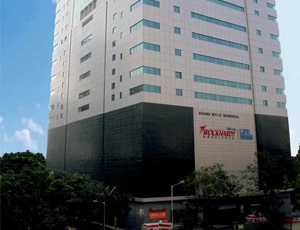
Laparoscopic Ventral Hernia Repair in Sterling Wockhardt Hospital: Costs, Top Doctors, and Reviews

Mumbai, India

  • National Accreditation Board for Testing and Calibration Laboratories (NABL)

Sterling Wockhardt Hospital located in Mumbai, India is accredited by NABH. Also listed below are some of the most prominent infrastructural details:

  • The bed capacity of Sterling Wockhardt Hospital is 50.
  • Critical care and complex cases resolution is done with excellent results.
  • Emergency departments with 3 beds capacity and Intensive Care Unit with 10 beds capacity.
  • The healthcare delivery focus of the hospital is both on prevention as well curing the conditions.
  • Diagnostics are well developed with the latest technological developments.
  • Pharmacy, operating rooms, lab services are at par with the best in the country.
  • 24/7 ambulance services to cover healthcare requirements in Panvel and Vashi.
  • Accommodation, airport transfers, flight bookings and translation services are all available for international patients.
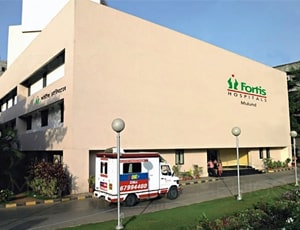
Laparoscopic Ventral Hernia Repair in Fortis Hospital, Mulund: Costs, Top Doctors, and Reviews

Mumbai, India

  • Joint Commission International, or JCI
  • National Accreditation Board for Hospitals & Healthcare Providers (NABH)

Fortis Hospital Mulund, located in Mulund West, Mumbai, is a premier healthcare facility providing excellence in multi-speciality healthcare for over 20 years. The global leader in advancing medical technology and clinical expertise, the hospital offers specialities including Cardiology, Neurosciences, Oncology, Transplants, and Orthopaedics. The hospital is well-known for being the largest transplant center in Maharashtra and offers advanced treatment options, including Transcatheter Aortic Valve Implantation (TAVI) and stereotactic precision radiotherapy for cancer. Fortis Mulund is equipped with a 24/7 Emergency Department and International Patient Unit to provide world-class patient-centric care.

Laparoscopic Ventral Hernia Repair in Wockhardt Hospital, Umrao: Costs, Top Doctors, and Reviews

Mumbai, India

  • National Accreditation Board for Hospitals & Healthcare Providers (NABH)

Wockhardt Hospital, Umrao located in Thane, India is accredited by NABH. Also listed below are some of the most prominent infrastructural details:

  • A 14 story building houses this hospital and it has a 350 beds capacity.
  • The hospital has a day care unit, dialysis unit, and digital documentation facility.
  • Treatment packages are available at the hospital as are Diagnostic and therapeutic services.
  • High end diagnostic services, 9 operation theatres and ICU facilities (24/7) are present.
  • Nephrology, Urology, Oncology, Orthopaedics, Cardiology, and Neurology departments in the hospital are worth a mention.
  • Minimal access surgery as well as Emergency & Trauma Surgery services are present in Wockhardt Umrao.
  • Comprehensive health check up option is available at Wockhardt Umrao.
  • It has all kinds of International patient care services including assistance for travel, transfer, accommodation and interpreters.
Laparoscopic Ventral Hernia Repair in Fortis Hiranandani Hospital: Costs, Top Doctors, and Reviews

Mumbai, India

  • National Accreditation Board for Hospitals & Healthcare Providers (NABH)
  • Fortis Hiranandani Hospital, Vashi, Navi Mumbai, is a leading NABH-accredited multi-super speciality hospital offering advanced tertiary care with over 150 beds.
  • The hospital is known for clinical excellence in Cardiac Sciences, Oncology, Neurology, Orthopaedics, Organ Transplants, Urology, Gastroenterology, and Critical Care.
  • With a strong team of experienced doctors, modern medical technology, and international patient services, the hospital provides comprehensive and patient-focused treatment.
  • It maintains high standards of safety, hygiene, and quality care, making it a trusted healthcare destination in the Mumbai Metropolitan Region.
Laparoscopic Ventral Hernia Repair in Wockhardt Hospital - A new Age Hospital: Costs, Top Doctors, and Reviews

Mumbai, India

  • National Accreditation Board for Hospitals & Healthcare Providers (NABH)
  • National Accreditation Board for Testing and Calibration Laboratories (NABL)

Wockhardt Hospital - A New Age Hospital located in Mumbai, India is accredited by NABH. Also listed below are some of the most prominent infrastructural details:

  • 20-storeyed building at Mumbai Central (South Mumbai)
  • Capacity of 350-beds
  • Two highly-advanced cath labs with ultra-modern technologies to perform high risk coronary procedures and neurological surgeries
  • 8 Operation Theatres- Cardiac, Joint Replacement, Neurology, Oncology, MAS and Organ Transplantation
  • 100 beds dedicated to Critical Care, which are connected to IntelliSpace Critical Care & Anaesthesia (ICCA) system
  • Largest Paediatric Cardiac Unit
  • It has the largest Intelligent ICCA System
  • Possess Hi-tech GPS-enabled Ambulances and largest state-of-the-art Accident & Emergency unit in South Mumbai
  • As far as accommodation facility is considered, the Hospital makes it easily accessible for the patients in nearby hotels/lodges
Laparoscopic Ventral Hernia Repair in Seven Hills Hospital: Costs, Top Doctors, and Reviews

Mumbai, India

  • National Accreditation Board for Hospitals & Healthcare Providers (NABH)
  • National Accreditation Board for Testing and Calibration Laboratories (NABL)

Seven Hills Hospital located in Mumbai, India is accredited by JCI, NABH, NABL. Also listed below are some of the most prominent infrastructural details:

  • It is spread over an area of 17 acres.
  • There is also an academic institute with research facilities.
  • SevenHills Hospital has excellent diagnostic services including a laboratory and a provision for various tests.
  • Given that their are specific departments for various kinds of diagnostsic. Tests like PET Scan, MRI, CT scan and biopsies are completed regularly.
  • Biochemistry, Hematology, Microbiology are some of the important diagnostic departments.
  • Endoscopies as well as non-invasive procedures are done through their respective departments.
  • Day care specialty services are available for those kinds of requirements.
  • Health Check up packages are also present as are the collaborations with many insurance organisations.
  • There are professionally managed in-patient and out-patient facilities.
  • There are more than 30 super specialties in Seven Hills Hospital Mumbai.
  • There are also Centres of Excellence in Cardiac Care, Neurosciences, Bone & Joint Care, Cancer Care, Nephrology and Cosmetic Dermatology.
  • International patient care services are also implemented for the best assistance to overseas patients.

Need Some Advice From Our Experts?

Request a Call Back Now!

Our team of healthcare experts would be happy to assist you

trusted Patientstrusted Patients+99
Trusted by 50000+ Patients
Required | alphabets and spaces
Required | A valid, working email address
Required | A valid contact

Process Involved for Laparoscopic Ventral Hernia Repair in Mumbai

  • Anesthesia: The patient is given general anesthesia.
  • Access and Insufflation: A number of small incisions (ports) are made, typically three or four, and carbon dioxide is used to insufflate the abdominal cavity, creating additional working space.
  • Adhesiolysis: Using the laparoscope and specially designed surgical instruments, any adhesion (scar tissue) that is present between the hernia sac and the surrounding organs such as the intestines, is cut.
  • Hernia Reduction: The piece or organ that is protruding through the hernia is gently returned to the abdominal cavity where it belongs.
  • Mesh Placement and Fixation: A piece of synthetic material known as prosthetic mesh is inserted into the abdominal cavity (usually rolled up) and carefully spread so it covers the defect left by the hernia with an adequate overlap (three to five centimeters). The prosthetic mesh will then be secured to the strong abdominal wall using a combination of tacks (some absorbable), sutures, or fibrin glue.
  • Closure: All instruments are safely removed from the abdomen, and the gas used to inflate the abdomen is also removed. The small incisions made for access are typically closed with either sutures or glue.
  • Ventral Hernia
  • Incisional Hernia
  • Umbilical/Paraumbilical Hernia
  • Epigastric Hernia
  • Spigelian Hernia
  • Recurrent Hernia
  • Intraperitoneal Onlay Mesh (IPOM)
  • Primary Closure with Mesh
  • Bridging Technique
  • Transabdominal Preperitoneal (TAPP)
  • Totally Extraperitoneal (TEP)
  • Robotic Transabdominal Retromuscular repairs
  • Have a ventral or incisional hernia
  • Experience pain, discomfort, or visible bulging
  • Have a reducible hernia without strangulation
  • Are medically fit for general anesthesia
  • Have failed conservative treatment options
  • Synthetic (non-absorbable or absorbable)
  • Composite Meshes
  • Biological Meshes
  • Adhesiolysis
  • Component Separation
  • Robotic Surgery
  • Cholecystectomy (Gallbladder removal)
  • Minimally Invasive
  • Less Pain
  • Shorter Hospital Stay
  • Quicker Recovery
  • Less Scarring
  • Lower Risk of Infection
  • Lower Recurrence Rate
  • Lower Infection Risk
  • Rapid recovery
  • Less stay in the hospital
  • Quicker Pain Relief
  • Fill out the inquiry form: Fill out the form to provide us with the relevant information about your condition.
  • Consult with Our Healthcare Expert: One of our qualified specialists will contact you for a consultation
  • Receive a Detailed Treatment Plan:After examining your situation, we will provide you with a detailed treatment plan that includes expert views and cost breakdowns for various choices.
  • Choose your preferred option: Choose the treatment option that suits you the best.

Instantly Connect with our Laparoscopic Ventral Hernia Repair Specialists

Doctor 1
Doctor 2
Doctor 3
Doctor 4
Doctor 5
Doctor 6
Doctor 7
Doctor 8
Our Services to Better your Experience

Opinion & Option

We submit the most accurate opinion and options from one or more countries for your review

Consult Privately

Consult with a certified specialist privately on our telemedicine platform even before you decide to travel

Logistics

We handle flights, visas, transfers, and accommodation—so you can focus on your health.

Recovery

Our In-house rehabilitation service packages to better your recovery and treatment outcome

Other Popular Countries for Laparoscopic Ventral Hernia Repair

Our network connects you with the leading medical tourism destinations globally, offering a wide range of cities, top doctors, and flexible pricing options.

Malaysia
Thailand
United Arab Emirates
Spain

Frequently Asked Questions

Post laparoscopic ventral hernia repair, your recovery occurs through many stages.
  • Immediate Recovery: Most people can return to light, normal daily activities within 1 to 2 weeks after surgery.
  • Return to Work: Many individuals will return to non-strenuous jobs in 1 to 2 weeks based on personal healing rates along with job requirements and surgeon recommendations.
  • Full Recovery: Soft-tissue healing typically takes 4 to 6 weeks, so during this time you should avoid heavy lifting or strenuous exercise.
  • In addition to the procedure cost, patients may incur:
  • Pre-treatment tests
  • Medications during recovery
  • Follow-up consultations
  • After laparoscopic ventral hernia repair, recovery happens in stages:
  • Immediate recovery: Most patients can resume light daily activities within 1–2 weeks.
  • Return to work: For non-strenuous work, many people return within 1–2 weeks, depending on personal healing, job demands, and surgeon’s advice.
  • Full recovery: Complete soft-tissue healing typically takes 4–6 weeks. Heavy lifting and strenuous exercise are usually avoided during this period.
  • After your laparoscopic ventral hernia repair, your recovery will go through several phases:
  • Immediate Recovery: Most patients should not have any problem resuming their light, normal daily activities within 1 to 2 weeks of surgery.
  • Return to Work: Depending on the rate of personal healing, job requirements and surgeon recommendations, many patients return to non-strenuous jobs within 1 to 2 weeks.
  • Full Recovery: Soft-tissue healing typically occurs within 4 to 6 weeks. During this time, you should avoid heavy lifting and strenuous exercise.
  • Wound Care: Keep your incisions clean and follow the dressing instructions.
  • Activity Modifications: You must avoid heavy lifting and/or strenuous exercise for 4 to 6 weeks. During this time, you should avoid heavy lifting and strenuous exercise.
  • Follow-Up Visits: Schedule regular follow-up visits to monitor your recovery progress.
  • Diet and Bowel Management: You should eat a diet high in fiber to help prevent constipation (constipation can further stress the surgical repair).
  • Physiotherapy (if required): Physiotherapy should be initiated gradually to strengthen your core muscles.
  • Most patients who undergo laparoscopic ventral hernia repairs will remain in the hospital for about 1-3 days if there are no complications. In uncomplicated cases, patients can be discharged as quickly as 24-48 hours after the surgery, although some patients require a longer hospitalisation to receive additional medical attention following their laparoscopic

  • Blood tests
  • Ultrasound/CT scan
  • ECG
  • Other specific assessments
  • Cost-effective Services: Compared to other Nations, we offer laparoscopic hernia repair at significantly lower prices (60-80% lower).
  • Quality: Hospitals are accredited and compliant with internationally recognised quality standards.
  • Experience: Surgeons are well qualified and experienced with the use of modern equipment for the development of minimally invasive surgical techniques
  • Support for International Patients: We provide support, including assistance with Visa applications, housing arrangements, language support, and telemedicine follow-ups.
  • Rapid Return to Health: Laparoscopic Hernia Repair allows patients to spend less time in the hospital and recover faster than with Open Hernia Repair.
  • Laparoscopic ventral hernia repair (LVHR) has achieved a 90% success rate, with recurrence rates typically between 3% and 14%

    Author

    Alvina Hasan

    M.Pharm

    1 Year of Experience

    Alvina Hasan is a dedicated medical researcher and scientific writer with a strong foundation in the pharmaceutical sciences. She holds a B.Pharm from Jamia Hamdard University and an M.Pharm in Quality Assurance from DIPSAR University. With deep medical expertise and a strong interest in healthcare communication, she focuses on transforming complex clinical and scientific information into clear, engaging, and easy-to-understand narratives. She develops insightful healthcare articles and research-driven pieces designed to support both medical professionals and patients, helping bridge the gap between advanced medical knowledge and practical understanding. . View More