Your Notifications
All done, no notifications

Cardiomyotomy Cost in India

Costs starts from USD2000 to USD4500
Filters

How Much Does Cardiomyotomy Cost in India?

Treatment for cardiomyopathy in India usually ranges between USD 2000 - USD 4500, depending on a number of medical and non-medical factors. The therapeutic or surgical approach employed, hospital infrastructure, hospital categorisation, surgeon expertise, the intricacy of the condition, and if further surgeries are needed can all affect the total cost.The amount of time of hospital stay, the utilisation of cutting-edge minimally invasive procedures, the city of treatment, and the overall care plan all have an impact on costs. When compared to many Western countries, therapy in India is frequently thought to be more affordable for foreign patients without sacrificing the standard of care. Surgery or intervention, hospital stay, medicine, post-operative care, and follow-up consultations are all common components of structured medical plans offered by many hospitals, and they all add to the overall cost of care.

Factors Affecting the Cost of Cardiomyotomy in India

Cost of Cardiomyotomy in Major cities of India

CityMinimum Cost (USD)Minimum Cost (INR)Maximum Cost (USD)Maximum Cost (INR)
BangaloreUSD 2000186440USD 4500419490
ChennaiUSD 2000186440USD 4500419490
DelhiUSD 2000186440USD 4500419490
FaridabadUSD 2000186440USD 4500419490
GhaziabadUSD 2000186440USD 4500419490
GurgaonUSD 2000186440USD 4500419490
HyderabadUSD 2000186440USD 4500419490
KochiUSD 2000186440USD 4500419490
MohaliUSD 1800167796USD 4050377541
MumbaiUSD 2000186440USD 4500419490
PuneUSD 1800167796USD 4050377541

Cardiomyotomy Cost : A Global Comparison

CountryMinimum CostMinimum Local CurrencyMaximum CostMaximum Local Currency
CzechiaUSD 5000CZK 106350USD 9000CZK 191430
HungaryUSD 4500HUF 1502190USD 8000HUF 2670560
IndiaUSD 2000INR 186440USD 4500INR 419490
IsraelUSD 14000ILS 44100USD 24000ILS 75600
PolandUSD 5000PLN 18600USD 9000PLN 33480
Saudi ArabiaUSD 8000SAR 30000USD 15000SAR 56250
SingaporeUSD 16000SGD 20640USD 28000SGD 36120
South AfricaUSD 6000ZAR 102000USD 11000ZAR 187000
South KoreaUSD 11000KRW 16699100USD 19000KRW 28843900
SpainUSD 9000EUR 7830USD 16000EUR 13920
SwitzerlandUSD 20000CHF 16000USD 35000CHF 28000
ThailandUSD 7500THB 245700USD 14000THB 458640
TurkeyUSD 6500TRY 289250USD 12000TRY 534000
United Arab EmiratesUSD 12000AED 44040USD 22000AED 80740
United KingdomUSD 12000GBP 10440USD 22000GBP 19140

Need Help Planning Your Treatment Abroad?

Your 24/7 AI Health Assistant

Cardiomyotomy is mostly used to treat achalasia, a disorder in which swallowing becomes difficult due to improper relaxation of the lower esophageal sphincter (LES). By severing the muscular fibers at the LES, the treatment facilitates easy passage of food into the stomach. It is used to alleviate symptoms such as Dysphagia, or difficulty swallowing, Pain in the chest, Food regurgitation, Loss of weight, Frequent coughing up aspiration.

A specialist should be consulted if you encounter persistent trouble swallowing liquids or solids, regurgitation, particularly at night, persistent coughing or instances of choking, unrelated to heart disease, chest pain, weight loss that is not explained. Early medical assessment aids in ruling out other illnesses and confirming the diagnosis.

Preparation usually includes complete medical history and physical assessment, diagnostic examinations like, upper gastrointestinal endoscopy, barium swallow test, manometry of the oesophagus, occasionally, pH monitoring or CT scans, regular blood tests and anaesthesia fitness assessment, instructions regarding, fasting (typically six to eight hours prior to operation), stopping blood thinners temporarily (if applicable), quitting alcohol and smoking prior to surgery.

The most common approach for doing cardiomyotomy is laparoscopic, in which the patient is given general anaesthesia and the abdomen is accessed through tiny keyhole incisions. In order to remove the obstruction and enhance swallowing, the surgeon carefully slices the tight muscle layer of the lower oesophagus and upper stomach. To lower the risk of reflux, a partial fundoplication is often carried out. The patient is then moved for monitoring and the wounds are sealed.

Depending on the patient's condition and the surgical technique, the procedure typically takes one to two hours.Particularly with laparoscopic surgery, hospital stays are typically short.

Cardiomyotomy is usually safe, although there are a few potential risks:
  • Bleeding
  • An infection
  • Damage to the stomach or oesophagus
  • Rare esophageal perforation
  • GERD (gastric reflux disorder) following surgery
  • Recurrent or persistent trouble swallowing
  • Complications associated with anaesthesia

Major benefits include:
  • Notable progress in swallowing
  • Decreased instances of choking and regurgitation
  • Weight gain and increased nutritional intake
  • Improved living quality
  • Long-term alleviation of symptoms

Included in recovery are:
  • Hospital stay: typically two to four days
  • Dietary progression:Liquids ,Soft diet ,regular diet progressively
  • Antibiotics and pain management as needed
  • In one to two weeks, resume your regular activities.
  • Usually, full healing takes three to six weeks.

For the majority of patients, cardiomyotomy results are excellent. In 85–95% of instances, symptoms improve, particularly in centres with experience.

Would you like some help? We are available.

Get Help
Explore Hospitals ( 27 )
Cardiomyotomy in Aakash Healthcare Super Speciality Hospital: Costs, Top Doctors, and Reviews

Delhi, India

  • National Accreditation Board for Hospitals & Healthcare Providers (NABH)
  • ISO 9001

Aakash Healthcare Super Speciality Hospital located in New Delhi, India is accredited by NABH. Also listed below are some of the most prominent infrastructural details:

  • One of the biggest tertiary care hospitals in India
  • Facility is fusion of state of the art technology, competent clinicians, and world-class infrastructure
  • 230 beds
  • 70 bedded medical and surgical and Critical Care Unit
  • Ward Bed Options- Twin, Deluxe, Sharing and Economy
  • Pneumatic Tube System
  • Ambulance Services 24x7
  • 15 Bedded dialysis unit
  • Advanced Neonatal ICU
  • Advanced imaging services, including magnetic resonance imaging, computed tomography scanning, digital mammography, ultrasound
  • 8 modular OTs
  • Flat Panel Cath Labs
  • LASIK - SMILE Suite
  • Wellness Lounge
  • State-of-the-art diagnostic equipment
  • 15 Dialysis beds
  • 24x7 ‘Trauma & Emergency Center
  • Dedicated blood bank
  • 24x7 comprehensive patient care.
  • Deployed high-end technologies & smart digital system
  • Robust Hospital Information Systems to meet complex medical needs of patients
  • Robotic assisted surgeries
  • International Patients Lounge
  • Airport Pick-up and Drop
  • Accommodation and Food for Attendant
  • Language Interpreter Services
  • 4 triage beds, a dedicated sample collection room, 6 observation beds, and highly skilled emergency staff
  • Robotic knee replacement surgery
  • ATM
  • Lounge for visitors
  • Internet Access: The whole facility is Wi-Fi enabled
  • Travel Desk: Provides an all-round patient care.
  • 24x7 pharmacy
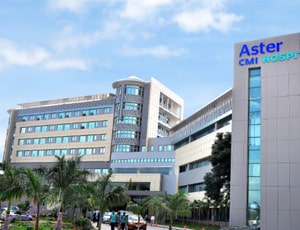
Cardiomyotomy in Aster Medcity: Costs, Top Doctors, and Reviews

Kochi, India

  • National Accreditation Board for Hospitals & Healthcare Providers (NABH)
  • Joint Commission International, or JCI
  • 670 bed facility
  • 24 hours Emergency and Trauma Care

Aster Centres of Excellence

    • Cardiac Sciences
    • Orthopaedics & Rheumatology
    • Neurosciences
    • Nephrology & Urology
    • Oncology
    • Gastroenterology
    • Integrated Liver Care
    • Womens Health
    • Child & Adolescent Health
    • Multi Organ Transplant
  • Diagnostic Technology used for increasing the efficiency of diagnostic procedures.
  • Streamlined Application of Therapeutic Technology
  • Minimal Access Robotic Surgery (MARS) which makes use of the da Vinci Surgical System is applied by the specialists in Aster Medcity, Kochi, Kerala.
  • ORI Fusion Digital Integrated Operation Theatres which applies Karlstorz OR1 Fusion system.
  • Completely digital Anesthesia facility
  • Pharmacy which possesses completely Automated Drug Dispensing
Cardiomyotomy in Pushpawati Singhania Research Institute: Costs, Top Doctors, and Reviews

Delhi, India

  • National Accreditation Board for Hospitals & Healthcare Providers (NABH)
  • National Accreditation Board for Testing and Calibration Laboratories (NABL)

Pushpawati Singhania Research Institute located in New Delhi, India is accredited by NABH, NABL. Also listed below are some of the most prominent infrastructural details:

  • Multi-bed hospital with state-of-art infrastructure
  • Advanced medical equipment
  • High-tech labs
  • Modular operation theaters
  • Cath labs with Clarity Platform, 128 channel CARTO 3 version 4 with ICE mapping facility, FD 10 Prucka 2D EP system
  • High-end Intensive Coronary Care Unit
  • Dedicated Pre-Post Cath Unit
  • Multislice CT Scan, 1.5 Tesla MRI
  • 24 *7*365 functional cardiac Cath lab & operation theatre
  • Fifteen bedded Coronary Care Unit
  • 3D, 4D Echo & Trans-oesophageal Echo, Non Invasive cardiology (Holter, TMT, Echo, 24hrs ambulatory BP Monitoring
  • Radio Frequency Ablation like Complex Arrhythmia such as ischemic VT, AF with 3 D Mapping imaging
  • RFA using ICE Intra-cardiac Echo
  • Well-equipped inpatient and intensive care services
  • Ultra-modern Blood Bank Facility
  • Advanced Physiotherapy center, 24/7 Emergency &Trauma services
  • Gastroenterology department equipped with Capsule endoscopy, Endoscopic retrograde cholangiopancreatography, Single balloon enteroscopy, High resolution esophageal and anorectal manometry, Endoscopic ultrasound, and hydrogen breath test
    Sustained low-efficiency daily dialysis and Continuous Renal Replacement Therapy
  • Exhaled Nitric oxide (FeNO) and allergy testing for the management of asthma
  • Conventional PAP/ Liquid PAP/ HPV-DNA test for the patients with the High risk of cervical cancer
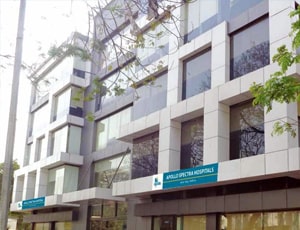
Cardiomyotomy in Apollo Spectra Hospital: Costs, Top Doctors, and Reviews

Pune, India

  • National Accreditation Board for Hospitals & Healthcare Providers (NABH)
  • National Accreditation Board for Testing and Calibration Laboratories (NABL)

Apollo Spectra Hospital located in Pune, India is accredited by JCI. Also listed below are some of the most prominent infrastructural details:

  • Present in a 30000 sq. ft. area
  • 5 beds are for critical care
  • 5 ultra-modern modular OTs
  • World class rehabilitation center
  • In-house pharmacy
  • Beautifully designed In-patients waiting area
  • 80 plus healthcare professionals which also includes 45 specialist consultants
Cardiomyotomy in Max Smart Super Speciality Hospital: Costs, Top Doctors, and Reviews

Delhi, India

3.9 ( 2 Reviews )
  • National Accreditation Board for Hospitals & Healthcare Providers (NABH)
  • Joint Commission International, or JCI
  • Max Smart Super Speciality Hospital, Saket, New Delhi, is a 250-bed tertiary care hospital known for advanced medical technology and patient-centred care.
  • The hospital offers services across 22+ specialities, including Cardiac Sciences, Orthopaedics, Urology, Neurology, Neurosurgery, Paediatrics, Obstetrics, and Gynaecology.
  • It is a regional hub for complex procedures such as neurovascular interventions, targeted cancer treatments, heart surgeries, kidney and liver transplants, and bariatric care.
  • Equipped with a 3.0 Tesla MRI, 256 Slice CT Angio, Cath Labs, Digital Orthopaedic Suite, and advanced diagnostic tools, and supported by 275+ doctors and 606+ trained staff, Max Smart Saket provides high-quality, multidisciplinary care for domestic and international patients.
Cardiomyotomy in Max Super Specialty Hospital, Shalimar Bagh: Costs, Top Doctors, and Reviews

Delhi, India

  • National Accreditation Board for Hospitals & Healthcare Providers (NABH)
  • National Accreditation Board for Testing and Calibration Laboratories (NABL)
  • Max Super Speciality Hospital, Shalimar Bagh, is a 402-bed quaternary-care hospital in New Delhi, offering advanced treatment across 37+ specialities, including Cancer, Cardiac, Neurosciences, Gastroenterology, Orthopaedics, and Renal Transplant.
  • Equipped with state-of-the-art technology and a team of highly skilled doctors and nurses, the hospital provides complex procedures, minimally invasive surgeries, and targeted cancer treatments, making it one of India’s leading healthcare destinations.
Cardiomyotomy in Amrita Hospital: Costs, Top Doctors, and Reviews

Faridabad, India

  • National Accreditation Board for Hospitals & Healthcare Providers (NABH)

Founded in 1998 by Mata Amritanandamayi (Amma), the Amrita Institute of Medical Sciences and Research Centre is one of India’s leading healthcare institutions, accredited by ISO, NABH, and NABL. With 2 branches, 7 medical colleges, and a network of 800+ doctors and 2,600+ beds, it offers comprehensive care across 81 specialties and 12 super-specialty departments, supported by 60+ modern operating theatres and 534 critical care beds. The Faridabad campus, a world-class multispeciality facility, houses advanced centers for oncology, neurosciences, cardiac sciences, gastro-sciences, mother and child care, and trauma care, along with India’s most comprehensive infectious disease unit. Guided by a mission of compassion and innovation, Amrita Hospitals combine cutting-edge medicine with humanitarian service to empower communities and promote holistic well-being.

Need Some Advice From Our Experts?

Request a Call Back Now!

Our team of healthcare experts would be happy to assist you

trusted Patientstrusted Patients+99
Trusted by 50000+ Patients
Required | alphabets and spaces
Required | A valid, working email address
Required | A valid contact

Process Involved for Cardiomyotomy in India

  • Identification and verification of achalasia
  • Fitness assessment and preoperative evaluation
  • Operative cardiomyotomy
  • Following surgery, nutrition planning and observation
  • Monitoring and long-term reflux
  • Achalasia cardia, the main sign
  • Certain abnormalities of esophageal motility (rare cases)

Types include:

  • Most frequently, laparoscopic Heller Myotomy
  • Robotic cardiomyotomy
  • Open cardiomyotomy (infrequent, specific instances)

A person may qualify for a cardiomyotomy if they

  • Have verified achalasia using barium swallow, endoscopy, and manometry.
  • Have symptoms that don't go away with medicine or dilatation
  • Are they medically suitable for surgery and anaesthesia
  • Fundoplication in part (to lessen reflux)
  • Endoscopy (diagnostic and intraoperative evaluation)
  • Balloon dilatation (before or alternative therapy)
  • Alleviation of difficulties swallowing
  • Decreased regurgitation and chest pain
  • Better nutrition and digestion
  • Better quality sleep (reduced aspiration at night)
  • Additionally, the majority of patients report feeling more at ease when eating and drinking.
  • Aspiration-related issues are less likely when there is less food stasis in the oesophagus.
  • Due to better food transit, many patients have fewer heartburn-like sensations.
  • After symptoms are relieved, general well-being and energy levels frequently improve.
  • Following cardiomyotomy, patients typically experience:
  • Easy swallowing
  • Improved appetite and stability of weight
  • Decreased aspiration pneumonia recurrence
  • Better day-to-day performance
  • After surgery, symptoms typically get better over time as the oesophagus adjusts.
  • Following the suggested recuperation period, patients can resume a nearly regular diet.
  • Patients who were previously malnourished frequently experience weight gain and increased nutrition.
  • Optimal healing and long-term symptom control are ensured by routine follow-up.
  • Fill out the inquiry form: Fill out the form to provide us with the relevant information about your condition.
  • Consult with Our Healthcare Expert:One of our qualified specialists will contact you for a consultation
  • Receive a Detailed Treatment Plan:After examining your situation, we will provide you with a detailed treatment plan that includes expert views and cost breakdowns for various choices.
  • Choose your preferred option: Choose the treatment option that suits you the best.

Instantly Connect with our Cardiomyotomy Specialists

Doctor 1
Doctor 2
Doctor 3
Doctor 4
Doctor 5
Doctor 6
Doctor 7
Doctor 8
Our Services to Better your Experience

Opinion & Option

We submit the most accurate opinion and options from one or more countries for your review

Consult Privately

Consult with a certified specialist privately on our telemedicine platform even before you decide to travel

Logistics

We handle flights, visas, transfers, and accommodation—so you can focus on your health.

Recovery

Our In-house rehabilitation service packages to better your recovery and treatment outcome

Other Popular Countries for Cardiomyotomy

Our network connects you with the leading medical tourism destinations globally, offering a wide range of cities, top doctors, and flexible pricing options.

United Kingdom
Singapore
Turkey
Thailand

Frequently Asked Questions

The majority of patients recover in two to six weeks, and they can typically resume their regular activities in one to two weeks.Recovery time varies based on the surgical method and the individual's health state.

In addition to the procedure cost, patients may incur:
  • Pre-treatment tests
  • Medications during recovery
  • Follow-up consultations
  • The average length of a hospital stay is two to four days, depending on recuperation and any related treatments. Depending on the surgery method and the patient's general condition, this time frame may change.Once pain is under control and oral intake is appropriately tolerated, patients are typically released.Early post-operative problems, reflux symptoms, and improved swallowing are all monitored.Recovery in the hospital is usually quick and easy in simple circumstances.

    Long-term care could consist of:
  • Dietary changes during the first several weeks
  • Acid reflux (GERD) monitoring
  • Regular checkups and, if necessary, endoscopy
  • In certain situations, anti-reflux drugs
  • It is recommended that patients have smaller, more frequent meals, chew their food thoroughly, and eat slowly.
  • Follow-up appointments aid in evaluating symptom management and early detection of reflux-related issues.
  • India gets preference because it frequently offers:
  • Proficient surgeons
  • Robotic and advanced laparoscopic alternatives
  • Brief wait times
  • Reasonably priced medical plans
  • Committed global patient assistance
  • Common tests consist of:
  • Swallow barium
  • GI endoscopy upper
  • Elevation of the oesophagus
  • Chest X-ray, ECG, and blood tests
  • Yes, as long as the treatment is carried out at accredited hospitals with skilled surgeons and appropriate post-operative care, it is generally safe.

    The success rate typically ranges from 85 to 95%, depending on the severity, the skill of the surgeon, and compliance with follow-up.

    Author

    Fauzia Zeb Fatima

    M.Pharm

    4 Years of Experience

    Fauzia Zeb is a distinguished medical and scientific content writer with a robust academic foundation in pharmaceutical sciences, holding a B.Pharm and M.Pharm degree from prestigious institutions, including MIT and Jamia Hamdard University. Her comprehensive expertise in pharmacology, clinical sciences, and biomedical research enables her to translate complex medical and scientific concepts into precise, evidence-based content tailored for diverse audiences. Specializing in peer-reviewed articles, clinical blog posts, and research-driven publications, she demonstrates a consistent ability to bridge the gap between advanced medical science and accessible, audience-specific communication. . View More