Ventricular septal defect (VSD) Treatment in Malaysia
- Top Accredited Hospitals
- Global Medical Standards
- Cutting-Edge Technology
- Proven Treatment Options
- High Success Rate
- Trusted by Millions

What is a Ventricular septal defect (VSD)?
A hole in the heart is called a ventricular septal defect (VSD). Congenital heart defects are frequent heart conditions that exist from birth. The hole is located in the wall dividing the ventricles, the heart's lower chambers.
A ventricular septal defect (vsd) alters the way blood passes through the heart and lungs. Instead of leaving the body, oxygen-rich blood is sent back to the lungs. Blood that is low in oxygen combines with high-oxygen blood. Due to these alterations, the heart may have to work harder to pump blood, which could raise blood pressure in the lungs.
What is the Importance of Timely Treatment?
Timely diagnosis of a Ventricular Septal Defect (VSD) is essential to avoiding complications and guaranteeing ideal heart function. Due to the increased burden on the heart and irregular blood flow, VSD can cause complications like respiratory infections, growth problems, pulmonary hypertension, and heart failure if treatment is not received.
Early intervention, frequently through surgery or catheter-based techniques, can enhance the patient's quality of life, close the heart hole, and avoid long-term harm. On time, treating VSD also lowers the chance of serious side effects, including arrhythmias and stroke, promoting normal cardiac development and enabling the child to live a healthy life.
What are the Common Symptoms of a Ventricular septal defect (VSD)?
Symptoms of VSD in infants can include:
- Unhealthy eating
- Physical growth is either slow or nonexistent (failure to flourish).
- Breathlessness or rapid breathing
- Simple exhaustion
- Using a stethoscope to listen to the heart produces a whooshing sound (heart murmur).
Adults with a ventricular septal defect can show the following symptoms:
- Breathlessness, particularly with physical activity
- Using a stethoscope to listen to the heart produces a whooshing sound (heart murmur).
Types of Ventricular septal defect (VSD)
The location of the hole (or holes) and structure vary across the four primary forms of VSD. The types of VSD are:
- Membranous: About 80% of instances with VSD are of this type, which is the most prevalent. These VSDS occur in the upper portion of the wall between the ventricles.
- Muscular: This causes about 20% of baby VSDs, and the defect frequently consists of several holes.
- Inlet: This hole appears directly beneath the left ventricle's mitral valve and the right ventricle's tricuspid valve.
- Outlet (conoventricular): This type of VSD connects the two chambers by making a hole in the right ventricle just before the pulmonary valve and in the left ventricle just before the aortic valve.
Causes, Risk Factors and Complications of Ventricular Septal Defect (VSD)
Causes
- During pregnancy, a condition known as a ventricular septal defect (VSD) develops in the growing baby's heart. The incomplete formation of the muscle wall that divides the heart into the left and right halves leaves one or more holes, which may vary in size.
- Frequently, the cause is unclear. Environmental and genetic factors might be involved. VSDS can happen on their own or in combination with other congenital cardiac conditions. Ventricular septal defects can, in rare cases, develop later in life following a heart attack or specific cardiac surgeries.
Risk Factors
Ventricular septal defect risk factors include:
- Premature birth
- Down syndrome and other hereditary disorders
- Family history of congenital heart disorders or heart issues that exist from birth
Other cardiac issues in a newborn with a ventricular septal defect include:
- Defect of the atrial septum
- Coarctation of the aorta
- Syndrome of double outlets
- Arteriosus patent ductus
- Tetralogy of Fallot
A genetic counsellor can talk about the likelihood that your next child will have a congenital heart issue if you already have one.
Complications
Ventricular septal defects can raise the likelihood of other issues if left untreated, such as
- Heart failure
- Elevated pulmonary blood pressure, also known as pulmonary hypertension
- Heart rhythm irregularities, or arrhythmias
- A stroke
Connect with our advisor for a PRIORITY response
Latest Research and Technologies in the Treatment of Ventricular Septal Defect (VSD) in Malaysia
- The utilisation of minimally invasive procedures, such as transcatheter device closure and periventricular device closure, has improved the treatment of Ventricular Septal Defect (VSD) in Malaysia. These techniques shorten hospital stays and healing times.
- Furthermore, creating sophisticated occlusion tools, such as the KONAR-MF occluder, enables safer and more efficient VSD treatments, enhancing patient outcomes.
Ventricular septal defect (VSD) Prevention Tips
Ventricular septal defect (VSD) might not be preventable because the cause is unknown. However, receiving quality prenatal care is essential. Make an appointment with your healthcare professional and take the following actions if you have a VSD and intend to get pregnant:
- Even before you get pregnant, get early prenatal care.
- Take folic acid-containing multivitamins.
- Avoid alcoholic beverages while pregnant.
- Avoid using illegal substances and smoking.
- Obtain the appropriate immunisations.
- Manage your diabetes.
- Before taking any medications, speak with your doctor because some can result in birth abnormalities.
Treatment options for Ventricular septal defect (VSD)
VSD closure repair: With the help of the catheterisation process without requiring open heart surgery, specific ventricular septal abnormalities can be fixed with thin, flexible tubes called catheters.
Cost Start From USD 10000 - USD 15000Explore Options
Open-heart surgery: This is the recommended correction method for most ventricular septal defects. The opening between the lower heart chambers is sealed by a surgeon using stitches or a patch. A chest incision and a heart-lung machine are necessary for this kind of VSD surgery.
- Prenatal Diagnosis:
- Pregnancy ultrasound: However, ventricular septal defects (VSDs) are identified shortly after birth. Pregnancy ultrasounds can occasionally identify ventricular septal defects (VSD) before delivery.
- Postnatal Diagnosis:
- Echocardiogram: This test creates images of the heart using sound waves.
- Chest X-ray: An X-ray of your baby's chest can reveal the size and form of their heart and lungs.
- Electrocardiogram (EKG): An EKG measures a heartbeat's electrical alterations
- Cardiac catheterisation: This test aids in diagnosing or managing specific cardiac disorders. It could be used to schedule surgery.
- Oxygen level measurement: The blood's oxygen content is rapidly measured by a tiny pulse oximetry test applied to a finger or toe.
- Cardiac magnetic resonance imaging (MRI) scan: Radio waves and magnetic fields are utilised to produce detailed images of the heart. A medical professional may order this test if additional information is required following an echocardiography.
- Computerised tomography (CT) scan: A series of X-rays show the heart in depth. If an echocardiography didn't yield enough information, it might be done.
The rehabilitation goals for Ventricular Septal Defect (VSD) are to enhance the patient's general health and aid their recovery following surgery. Essential choices for rehabilitation include:
- Physical Therapy: Particularly for children or adults recovering from open heart surgery, post-surgical physical therapy aids in the restoration of strength and movement. It comprises activities to increase endurance and cardiovascular fitness.
- Cardiac Rehabilitation: Programs for cardiac rehabilitation may be suggested for elderly persons and youngsters. It is to help people resume their regular activities and avoid difficulties.
- Breathing Exercises: If the VSD has caused or contributed to respiratory problems, breathing exercises can improve oxygen levels and lung function.
Medication can treat symptoms of a VSD before surgery or if it closes on its own. Common medications include diuretics, which increase kidney fluid removal, and heart failure medications, which control heartbeat strength.
Instantly Connect with our Specialists


Hospitals for Ventricular septal defect (VSD) in Malaysia
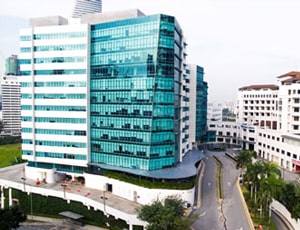
Parkway Pantai
Kuala Lumpur, Malaysia
Parkway Pantai located in Kuala Lumpur, Malaysia is accredited by JCI. Also listed below are some of the most prominent infrastructural details:
- Capacity of 335 beds
- 200+ specialist Doctors
- Critical Care Unit
- Neonatal Intensive Care Unit
- Operating Theatre
- International Patient Care Center
- Types of rooms available- Premier Suite, Supreme Suite, Deluxe Single Room, 2-bedded room, 4-bedded room, Deluxe Suite, Premier Single room, and Supreme Single room

Sunway Medical Centre
Kuala Lumpur, Malaysia
Sunway Medical Centre has initiated a comprehensive expansion plan close to its current hospital facility to enhance its ability to provide services to the global market. The new Cancer Radiosurgery Center and Nuclear Medicine Center, which will also house additional Centers of Excellence like the Digestive Health Center and Dialysis Center, marked the completion of Tower C's first phase in October 2016.

Ara Damansara Medical Centre
Kuala Lumpur, Malaysia
Situated at the junction of Petaling Jaya and Shah Alam, close to the Oasis Ara, Ara Damansara Medical Centre boasts a serene, luxurious ambiance.
The Centre has been awarded several prestigious awards such as the Global Health Asia Pacific Awards 2023, Newsweek Best Specialized Hospital APAC 2023, Healthcare Asia Awards 2023, and Malaysian Healthcare Wellness Excellence.
Our Services to better your experience
Opinion & Option
We submit the most accurate opinion and options from one or more countries for your review
Consult Privately
Consult with a certified specialist privately on our telemedicine platform even before you decide to travel
Logistics
We handle flights, visas, transfers, and accommodation—so you can focus on your health.
Recovery
Our In-house rehabilitation service packages to better your recovery and treatment outcome
Why Choose Malaysia for Ventricular Septal Defect (VSD) Treatment?
Here are some of the reasons to choose Malaysia:
- Advanced Medical Technology: Malaysia provides cutting-edge facilities that use minimally invasive surgical procedures to treat coronary artery disease.
- World-Class Experts: Highly experienced cardiologists and surgeons with international training backed by JCI-accredited healthcare facilities.
- Cost-Effective Treatment: Compared to many Western countries, treatment in Malaysia is less expensive while maintaining high quality.
- International Patient Services: Malaysian hospitals offer exceptional multilingual care and assistance to international patients.
- Innovative Treatment Options: Modern technologies include biological medicines and the most recent research in Ventricular septal defect (VSD) treatment.
Frequently Asked Questions
Recovery from a VSD repair depends on the method used. Recovery periods from transcatheter procedures are shorter. Recovery periods following surgeries are lengthier and expressed in weeks or months. Usually, VSD symptoms lessen or go away following surgery or transcatheter repairs.
Treatment for Ventricular Septal Defect (VSD) has a success rate in Malaysia. While device closures have a 96% success rate, spontaneous closure happens in 55% of newborns. Although results vary depending on personal characteristics such as age, the severity of the illness, and general health, surgical procedures also show promising results.
The type of treatment determines how long the healing period is. Whereas overall care guarantees a quicker recovery, recovery from open heart surgery may take several weeks, whereas minimally invasive operations can take one to two weeks.
Prevention is typically impossible for VSD because there are no identified causes. However, staying away from alcohol and other medications that prevent seizures while pregnant can reduce the risk.
By the time a person is six years old, about 90% of VSDs will shut down independently. By the age of 20, most of the 10% of VSDs will close. After that, though, a VSD is unlikely to collapse by itself. Unless they have surgery to fix it, an adult with VSD will have it for the rest of their life.
Life expectancy with a Ventricular Septal Defect (VSD) primarily depends on the defect's size, the treatment timing, and whether complications develop. The life expectancy of people with modest to moderate VSDs is usually normal, especially if they receive early treatment.
However, life expectancy may be shortened by severe VSDs that go untreated or those that have consequences such as cardiac failure or pulmonary hypertension. Most persons with VSD can lead healthy lives if they receive timely surgery.
Not always. While bigger or symptomatic abnormalities frequently require surgical intervention to prevent consequences, including heart failure or pulmonary hypertension, minor or moderate VSDs might not need surgery.
Although unlikely, a VSD may return following surgery, especially if the defect is big or the repair process is complicated. Ongoing monitoring is required for any remaining holes or associated cardiac issues.
A large VSD might result in severe symptoms like heart failure, exhaustion, or growth issues because of the increased blood flow to the lungs, but a tiny VSD typically causes few or no symptoms and may go away on its own.
Author

Alvina Hasan
Alvina Hasan is a dedicated medical researcher and scientific writer with a strong foundation in pharmaceutical sciences. She holds a B.Pharm from Jamia Hamdard University and an M.Pharm in Quality Assurance from DIPSAR University.
With deep medical expertise and a strong interest in healthcare communication, she focuses on transforming complex clinical and scientific information into clear, engaging, and easy-to-understand narratives. She develops insightful healthcare articles and research-driven content designed to support both medical professionals and patients, helping bridge the gap between advanced medical knowledge and practical understanding.
Readers can explore her published research and articles here:
https://carcinogenesis.com/index.php/JOC/article/view/868
https://carcinogenesis.com/index.php/JOC/article/view/870
View MoreReviewer
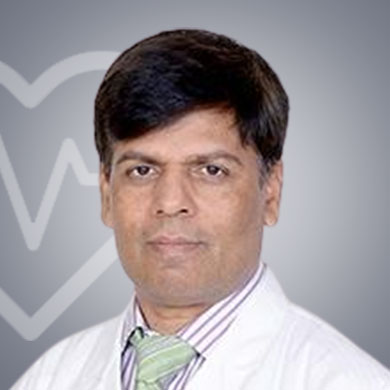
Dr. Nityanand Tripathi
Interventional Cardiologist
29 Years of Experience
With a rich experience of more than 29 years, Dr. Nityanand has gained a vast spectrum of skills and expertise in performing all types of complex cardiac procedures. He is an expert in clinical & interventional cardiology and electrophysiology. He studied his medicine (MBBS) and MD from the Institute of Medical Sciences of Banaras Hindu University, Varanasi, and later completed his DM in Cardiology from the prestigious King George Medical University, Lucknow. View More
Last Reviewed - January 2026