Your Notifications
All done, no notifications

Trans Aortic Valve Replacement (TAVR) Surgery Cost in Istanbul

Starts from USD 30000

Disclaimer: Cost range is subject to change based on clinical evaluation.

Affordable World-class Treatment - Accredited Hospitals - Free Treatment Plan in 24 Hrs

2
Days in Hospital
1-2 hrs
Procedure Time
95 - 98%
Success Rate
JCI/ISO 100,000+ Patients 24X7 Coordinator Visa & Travel handled
Your all-in-one medical travel platform for treatment, recovery & care.

Get Your Personalised Treatment Plan in Just 24 Hours.

Share your details to receive a personalised treatment plan, estimated costs, hospital recommendations, and expert guidance, “completely free.”

Required | alphabets and spaces
Required | A valid, working email address
Required | A valid contact

Your information is protected with HIPAA-compliant security standards. We only share your details with hospitals after your consent.

Estimated Treatment Cost
Starts from USD 30000
All-inclusive • Hospital + Medications + Recovery Assistance + Dedicated Care Coordinator

International Quality. Affordable Care.
The Cost of Trans Aortic Valve Replacement (TAVR) Surgery in Istanbul is available starts from USD 30000.

Cost of Trans Aortic Valve Replacement (TAVR) Surgery in Major Cities of Turkey

CityCost (USD)
Ankara Starting $42k Explore More
Antalya Starting $42k Explore More
Bursa Starting $42k Explore More
Canakkale Starting $42k Explore More
Elazig Starting $42k Explore More
Fethiye Starting $42k Explore More
Istanbul Starting $30k Explore More
Izmir Starting $42k Explore More
Kocaeli Starting $42k Explore More
Konya Starting $42k Explore More
Ordu Starting $42k Explore More
Samsun Starting $42k Explore More
Tokat Starting $42k Explore More
Trabzon Starting $42k Explore More
Usak Starting $42k Explore More
Zonguldak Starting $42k Explore More
Nimra Haseeb
Author

MSc Biochemistry

4 Years of Experience

Miss Nimra Haseeb is a medical researcher and a scientific content writer. She holds a Bachelor’s degree in Biotechnology and a Master’s in Biochemistry from Integral University, Lucknow. With strong experience in healthcare research, she specializes in secondary research, clinical data analysis, and evidence-based medical writing. Her work focuses on transforming complex scientific and medical information into clear, accurate, and reliable healthcare content for patients and healthcare audiences. She is also experienced in interpreting medical studies and healthcare trends to deliver well-researched and informative content that supports better health awareness and decision-making.
View More
Dr. Naresh Kumar Goyal
Reviewer

Cardiologist

21 Years of Experience

Last Reviewed - June 2026

Dr. Naresh Kumar Goyal is highly trained as a cardiologist with exposure in virtually all aspects of cardiology. He qualified with an MD in internal medicine in 1999 from SMS Medical College, Jaipur, and served in the Cardiology Department as an honorary resident. From this stage, he also started with training in the temporary pacing of the pacemaker as well as interventional services.
View More

Need Help Choosing the Right Treatment? Talk to a Medical Advisor

Our dedicated Medical Patient Advisors are here to answer your questions, help you compare treatment options, estimate costs, and guide you through every step of your healthcare journey.

15 min
Average response time

Serving Patients Worldwide in Multiple Languages.

Patients with severe aortic stenosis can have a narrowed aortic valve replaced with transcatheter aortic valve replacement (TAVR), a minimally invasive surgery. A catheter is usually introduced through the femoral artery (groin) or other access locations during TAVR, unlike open-heart surgery. After that, the replacement valve is inserted into the damaged valve and opened to allow blood to flow normally again.

Severe aortic stenosis, a disorder in which the aortic valve narrows and reduces blood flow from the heart to the body, is treated by transcatheter aortic valve replacement (TAVR). Patients who are at high or intermediate risk of problems from open heart surgery are especially advised to use it. Using a catheter-based technique, TAVR replaces the damaged valve without removing it, restoring appropriate blood flow and easing symptoms such as fatigue, fainting, shortness of breath, and chest pain.

See a cardiologist if you have symptoms like dizziness, exhaustion, pressure in your chest, trouble breathing, or fainting, especially when exercising. Regular follow-ups and cardiac imaging can help identify when TAVR is appropriate if you have a history of valve disease or have been diagnosed with aortic stenosis. MediGence offers cardiologists who can evaluate your surgery risk and suggest cutting-edge, minimally invasive procedures like TAVR.

A thorough heart evaluation, including echocardiography, cardiac catheterisation, CT scans, and angiography to evaluate valve architecture and vascular access pathways, is part of the preparation process. Additionally, lung function tests and blood tests might be performed. Before the treatment, your care team will provide instructions on how to alter your medications, including how to cease using blood thinners. You must fast the night before. A thorough examination of your medical history guarantees the process is customised to meet your unique requirements.

  • Access and Valve Delivery: A catheter is placed, usually by the transfemoral method, which passes through the femoral artery in the groin. Access may occasionally be made via the chest or another artery.
  • Valve Placement: Using a catheter, the new valve, which is often manufactured from animal tissue and affixed to a metal stent, is inserted into the damaged valve and guided to the heart. It starts working right away.
  • Closure and Monitoring: When the catheter is removed, the access site is sealed. The patient is then observed in an intensive care or recovery unit.

In most cases, the TAVR process takes one to two hours. Typically, patients spend two to three days in the hospital. Compared to open heart surgery, recovery is substantially quicker, and most patients return to their regular activities in one to two weeks.

  • Bleeding or vascular injury at the catheter site
  • Stroke or transient ischemic attack
  • Heart block requiring a pacemaker
  • Valve leakage (paravalvular regurgitation)
  • Infection
  • Kidney injury or contrast reaction
  • Rare chance of valve displacement or failure

TAVR provides a less intrusive option to open-heart valve replacement. It provides a shorter hospital stay, less discomfort, and a faster recovery. In patients with severe aortic stenosis, it dramatically reduces symptoms, improves quality of life, and raises survival rates. Patients who are elderly or have multiple medical issues benefit most from it.

Following TAVR, patients are watched for bleeding, irregular heartbeats, or issues at the access site. Within a day, most are walking. Usually, discharge occurs in two to three days. The follow-up includes echocardiograms, blood pressure checks, and regular device inspections. Regaining strength and endurance may require cardiac rehabilitation.

TAVR has a very high success rate, particularly at centers with a lot of expertise. Significant symptom reduction and improved heart function are reported by more than 90% of patients.

95–98%

Successful valve replacement

2–5 days

Typical hospital stay

2–6 weeks

to typical return to work
Explore Hospitals ( 30 )

Istanbul, Turkey

4.6 - 1125 reviews · 112+ Beds · 233+ Procedures
JCI
Starting
USD 49000
Chat with a Medical Advisor

Istanbul, Turkey

3.7 - 1903 reviews · 441+ Beds · 296+ Procedures
JCI
Starting
USD 43000
Chat with a Medical Advisor

Istanbul, Turkey

3.8 - 1289 reviews · 804+ Beds · 209+ Procedures
JCI
Starting
USD 49000
Chat with a Medical Advisor

Istanbul, Turkey

3.9 - 3397 reviews · 197+ Beds · 171+ Procedures
ISO JCI
Starting
USD 43000
Chat with a Medical Advisor

Istanbul, Turkey

4.3 - 2386 reviews · 154+ Beds · 253+ Procedures
JCI
Starting
USD 49000
Chat with a Medical Advisor

Istanbul, Turkey

3.5 - 2536 reviews · 186+ Beds · 237+ Procedures
JCI
Starting
USD 43000
Chat with a Medical Advisor

Istanbul, Turkey

4.3 - 1593 reviews · 100+ Beds · 120+ Procedures
JCI
Starting
USD 43000
Chat with a Medical Advisor

Istanbul, Turkey

3.8 - 1230 reviews · 120+ Beds · 226+ Procedures
JCI
Starting
USD 43000
Chat with a Medical Advisor

Istanbul, Turkey

3.6 - 1151 reviews · 63+ Beds · 154+ Procedures
JCI
Chat with a Medical Advisor

Istanbul, Turkey

4.4 - 3369 reviews · 350+ Beds · 221+ Procedures
JCI ISO
Starting
USD 49000
Chat with a Medical Advisor

Get Your Trans Aortic Valve Replacement (TAVR) Surgery
Plan in 24 hrs.

Our experienced Medical Patient Advisors have supported 100,000+ patients across 120+ countries with personalised treatment plans, hospital recommendations, cost estimates, and travel assistance, all free.

HIPAA-Compliant Data SecurityShared Only with Your Consent

✓ Free Consultation ✓ No Obligation ✓ Personalized Treatment Plan ✓ Response Within 24 Hours

Required | alphabets and spaces
Required | A valid, working email address
Required | A valid contact

Your medical info is kept HIPAA-style confidential. We never share with hospitals without your consent.

Jenny Wilson
Your Dedicated Medical Patient Advisor
Treatment planning • Hospital coordination • Multilingual support • Response within 15 minutes.
Our Services to Better your Experience

Opinion & Option

We submit the most accurate opinion and options from one or more countries for your review

Consult Privately

Consult with a certified specialist privately on our telemedicine platform even before you decide to travel

Logistics

We handle flights, visas, transfers, and accommodation—so you can focus on your health.

Recovery

Our In-house rehabilitation service packages to better your recovery and treatment outcome

Patient Stories

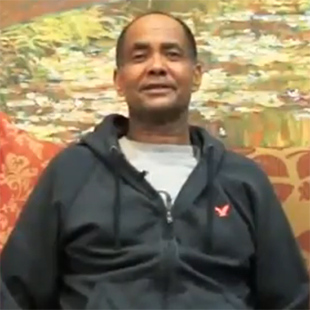
Mr Hailu Kassa : CABG Surgery
Mr Hailu Kassa
Mr Hailu Kassa : CABG Surgery

Mr. Hailu Kassa underwent Coronary Artery Bypass Surgery in Vejthani Hospital, Thailand under the supervision of Dr. Piya, Cardio-Thoracic Surgeon

Rod Schaubroeck
Rod Schaubroeck
Rod Schaubroeck : Double Valve Replacement

Patient Testimonial: Rod Schaubroeck from United States (U.S.A) underwent heart valve replacement at Fortis Hospital, India

Frequently Asked Questions

The cost of Trans Aortic Valve Replacement (TAVR) Surgery in Istanbul may vary depending on the severity of aortic valve disease, the type of transcatheter valve used, the patient's age and overall health, pre-existing medical conditions, diagnostic investigations, hospital charges, cardiologist and cardiac surgeon fees, intensive care requirements, and length of hospitalisation. The overall cost may include cardiac investigations, the TAVR procedure, anaesthesia or conscious sedation, intensive care or monitored recovery, medications, postoperative monitoring, and follow-up care.MediGence can help international patients explore suitable cardiac centres and obtain an estimated treatment plan based on the patient's medical condition and clinical requirements.

The best hospitals in Istanbul for Trans Aortic Valve Replacement (TAVR) Surgery are those with experienced interventional cardiologists, cardiothoracic surgeons, cardiac anaesthesiologists, cardiac imaging specialists, and multidisciplinary structural heart teams. Patients should consider hospitals with dedicated structural heart programmes, hybrid cardiac catheterisation laboratories, advanced cardiac imaging, specialised cardiac intensive care units, and comprehensive postoperative follow-up services.

Patients should choose an interventional cardiologist or structural heart specialist experienced in Trans Aortic Valve Replacement (TAVR) procedures. Important factors include the physician's experience with transfemoral and alternative access TAVR techniques, management of high-risk and elderly patients, treatment of complex valve disease, and management of potential procedural complications.The treating team should evaluate the severity of aortic stenosis, heart function, CT angiography findings, vascular anatomy, surgical risk, associated cardiac conditions, and the patient's overall health before recommending TAVR.

Trans Aortic Valve Replacement (TAVR) Surgery has an overall procedural success rate of approximately 95 - 98%, depending on the patient's age, severity of aortic valve disease, cardiac function, associated medical conditions, vascular anatomy, and overall clinical condition. Outcomes are generally favourable when the procedure is performed at an experienced structural heart centre with a dedicated multidisciplinary heart team.

Hospitals in Istanbul may use transthoracic and transoesophageal echocardiography, cardiac CT angiography, cardiac catheterisation, fluoroscopic imaging, three-dimensional cardiac imaging, intraprocedural haemodynamic monitoring, hybrid catheterisation laboratories, and specialised cardiac intensive care.Trans Aortic Valve Replacement (TAVR) is a minimally invasive procedure that replaces a diseased aortic valve using a transcatheter heart valve delivered through a blood vessel, most commonly the femoral artery. Depending on the patient's anatomy, alternative access routes such as transapical, transaortic, transcarotid, or transsubclavian approaches may be considered.

Possible risks and complications may include:
  • Bleeding or vascular access complications
  • Infection
  • Stroke or transient ischaemic attack
  • Abnormal heart rhythms
  • Requirement for permanent pacemaker implantation
  • Valve leakage (paravalvular regurgitation)
  • Valve malposition or migration
  • Coronary artery obstruction
  • Kidney injury related to contrast dye
  • Blood clots or embolic events
  • Heart attack
  • Cardiac tamponade or pericardial effusion
  • Anaesthesia-related complications
  • Rare need for emergency open-heart surgery
  • The treating cardiac team will explain the potential risks based on the patient's heart condition, anatomy, and overall health.

    Patients should share all relevant medical records with the treating cardiac team before travelling. These may include echocardiography reports, cardiac CT angiography, coronary angiography reports, ECG findings, cardiac catheterisation reports, blood test results, previous cardiac procedures or surgeries, current medications, and allergy history.Patients should also discuss the expected hospital stay, procedural approach, postoperative recovery, medication adjustments, rehabilitation requirements, and follow-up plan before making travel arrangements.

    Yes. International patients can arrange an online consultation with an interventional cardiologist or structural heart specialist before travelling to Istanbul. The specialist may review the patient's echocardiography findings, CT angiography, coronary anatomy, heart function, symptoms, medical history, and overall clinical condition to determine whether TAVR is the most appropriate treatment option.MediGence can help coordinate online consultations and facilitate the secure sharing of relevant medical records with suitable specialists.

    International patients should carry a valid passport and relevant medical documents, including:
  • Echocardiography reports
  • Cardiac CT angiography and coronary angiography reports
  • Cardiac catheterisation records
  • ECG and Holter monitoring reports
  • Previous cardiology consultation records
  • Recent blood test results
  • Current prescriptions and medication details
  • Allergy and complete medical history
  • Previous cardiac surgery or intervention records, if applicable
  • The required stay in Istanbul depends on the patient's overall health, complexity of the procedure, recovery, and any underlying medical conditions. TAVR generally requires a short hospital stay followed by observation and follow-up assessments before travel.Patients may need to remain in Istanbul until the treating team confirms stable heart function, satisfactory valve performance, controlled blood pressure, appropriate wound healing at the access site, and fitness for air travel.

    Recovery after TAVR is generally faster than conventional open-heart valve replacement surgery. Most patients begin walking within a day and return to many normal daily activities within a few weeks, depending on their overall health and recovery.Follow-up includes assessment of heart function, valve performance, medications, blood pressure, heart rhythm, and long-term cardiovascular health. Cardiac rehabilitation may also be recommended for selected patients.

    If complications occur, patients should contact the treating cardiac team or seek immediate medical attention. Urgent evaluation may be required for chest pain, shortness of breath, fainting, persistent fever, palpitations, severe bleeding or swelling at the catheter insertion site, leg pain, sudden weakness, speech difficulty, or signs of stroke.Patients should receive detailed discharge instructions, medication guidance, emergency contact information, and a structured cardiology follow-up plan before returning home.

    International patients can submit their medical records and cardiac reports through the MediGence website. Following an initial review, the MediGence care team can help patients explore suitable cardiac hospitals and experienced structural heart specialists, coordinate consultations, and support treatment planning and medical travel arrangements.The final treatment recommendation is made by the treating cardiac team after a comprehensive clinical evaluation.

    International patients may choose Istanbul for access to experienced interventional cardiologists, specialised structural heart programmes, advanced hybrid catheterisation laboratories, modern cardiac imaging, minimally invasive valve replacement technologies, and comprehensive postoperative cardiac care.The destination should be evaluated based on physician expertise, hospital accreditation, patient safety standards, availability of advanced transcatheter valve technologies, and experience in performing TAVR procedures.

    Treatment options depend on the severity of aortic valve disease, cardiac function, associated coronary artery disease, surgical risk, age, and overall health. Options may include:
  • Medical management for symptom control
  • Balloon Aortic Valvuloplasty (BAV) in selected patients
  • Trans Aortic Valve Replacement (TAVR)
  • Surgical Aortic Valve Replacement (SAVR)
  • Coronary angioplasty or stenting, when indicated
  • Hybrid structural heart procedures
  • Cardiac rehabilitation
  • Long-term cardiology follow-up and valve surveillance
  • The treating cardiac team will recommend the most appropriate treatment plan after evaluating the patient's heart condition and overall clinical status.

    International patients may choose Istanbul for access to experienced structural heart specialists, advanced minimally invasive valve replacement technology, comprehensive cardiac imaging, modern hybrid catheterisation laboratories, specialised cardiac intensive care, and multidisciplinary heart teams experienced in managing complex valvular heart disease.MediGence can assist patients with hospital and specialist selection, medical record coordination, consultation scheduling, treatment planning, and travel-related support. The final destination should be selected according to the patient's heart condition, clinical requirements, treatment goals, and the hospital's expertise in Trans Aortic Valve Replacement (TAVR) Surgery.

    Not Sure About Your Treatment Plan? Get a Second Opinion

    Get your medical reports reviewed by experienced doctors to help you make a confident treatment decision, all online within 48 hours.

    Upload Your Reports
    Free second opinion on your CAR-T plan