Neuraxis Care and Research Center are well-versed and established in Delhi, India (Kaushambi & South Delhi). It is known to be the leading center for Neuromodulation therapies. The main objective behind this specialized center is to capture all those minds who are thinking of neuromodulation therapies. It may come as a surprise, though, that 98% of Neuraxis patients improve with neuromodulation therapy and surgeries that are completely painless. The center has a team of experts that are well-known both nationally and globally in their fields of medicine and have treated thousands of patients all over the world. They've been dubbed "leaders" in the field of neurological conditions all across the world. The Neuraxis' objective is to provide superior clinical outcomes, compassionate patient care, education and research, and innovation to patients who require neurosurgical treatment.
The center primarily provides treatment for the following conditions- Movement disorders, Memory disorders, Epilepsy disorders, and OCD. The major service provided at the center is Deep Brain Stimulation and performed in more than 1000 cases, to to-date. Other Neuromodulation therapies conducted at the hospital are Spinal Cord Stimulation, Vagus Nerve Stimulation, Peripheral Nerve Stimulation, Intrathecal Baclofen Pump, and Sacral Nerve Stimulation.
Teamwork, mentoring, cooperation, sharing of expertise, and empowerment is embraced at the center.
NeuraXis care and research center, NHI hospital, 49-50, East of Kailash, Delhi 110065
Get priority response from neuraxis Care and Research Center, India Center
Choosing neuraxis Care and Research Center, India for Vagal Nerve Stimulator for Epilepsy gives patients access to experienced epilepsy specialists, neurosurgeons, advanced diagnostic monitoring, device-implantation facilities, and structured long-term follow-up. Established in 2018, the accredited hospital in Delhi, India it has adequate bed capacity and provides specialized epilepsy and neuromodulation services.
Vagal Nerve Stimulator for Epilepsy is generally implanted through a surgical procedure performed under anaesthesia. The stimulation generator is positioned beneath the skin of the chest, while a lead is connected to the vagus nerve in the neck. After implantation, the device is programmed and gradually adjusted according to the patient's clinical response and tolerance. Follow-up visits are important for monitoring seizure frequency, device function, stimulation settings, and potential effects such as voice changes, throat discomfort, coughing, or shortness of breath.
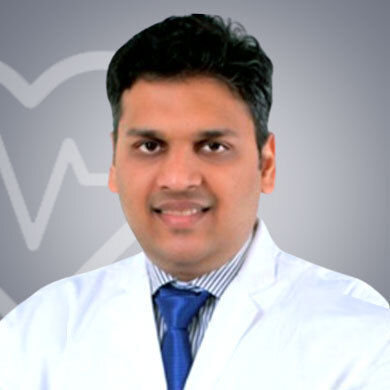

Neurosurgeon
Delhi, India
30 Years of experience
USD40 for video consultation
Real experiences from patients who trusted MediGence for their healthcare journey.


