Our Platform Features
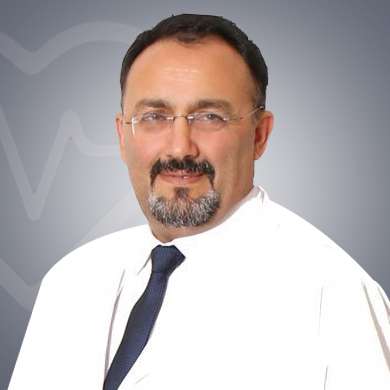
Dr. Fahri Yetisir
Medicana International Ankara Hospital, Turkey, Ankara
Hepatologist • 20 years experience
Turkish & EnglishDr. Fahri Yetisir is a specialized Liver Transplant Surgeon in Turkey. And one of the most sought after medical specialists in Ankara, Turkey. The doctor has over 20 Years of experience and is associated with Medicana International Ankara Hospital.
Association and Memberships Dr. Fahri Yetisir is part of:
- Society of Endocrine Surgery
- Society of Clinical Enteral and Parenteral Nutrition
- Medical Society of Ankara
- Turkish Association for Endoscopic and Laparoscopic Surgery Turkish Society of Colorectal Surgery
- Turkish Surgical Society Member of Board for Open Abdomen ESPEN The European Society for Clinical Nutrition and Metabolism Metabolic Surgery Society
Qualifications :
- Education Hacettepe University School of Medicine (1992-1999)
- Diskapi Education and Research Hospital, Ankara General Surgery Residency Program (1999-2005) Liver Transplantation Fellowship Program, Inonu University School of Medicine, Malatya (2013- 2016)
Hospital Address :
S?tz Mahallesi, Medicana International Ankara, S?tz Cad Eski?ehir Yolu zeri, ankaya/Ankara, Turkey
What is the medical expertise of Dr Fahri Yetisir?
- With more than 20 years of experience, Dr Fahri Yetisir is a renowned expert in liver transplantation, colorectal surgery, hernia surgery, gallbladder surgery, pancreatic surgery, and gastrointestinal surgery.
- He holds professional memberships in leading organizations such as the Turkish Surgery Association, National Endoscopic Laparoscopic Surgery Association, Endocrine Surgery Association, Turkish Surgery Association, ESPEN The European Society for Clinical Nutrition and Metabolism, and the Turkish Colon and Rectal Surgery Association.
- He has 49 publications in international journals. Some of his works include:
- F. Yetişir, AE Salman, B. ?iftçi, A. Teber, M. Kılıç. Efficacy Of Ultrasonography In the Identification Of Non-Recurrent Laryngeal Nerve. IntJ Surg. 2012;10(9):506-9.
- F. Yetişir, AE Salman, D. Durak M. Kılıç. Laparoscopic Fundoplication With Double Sided Posterior Gastropexy: A Different Surgical Technique. IntJ Surg. 2012;10(9):532-6.
- F.Yetişir, B. Yürekli, AE Salman, HZ Acar, MBYıldırım, M. Kılıç. The Impact Of Harmonic Scalpel On Complications After Neck Dissection In Papillary Thyroid Carcinoma: A Prospective Randomized Study. Thyroid Disorders Ther 2012;1:4.
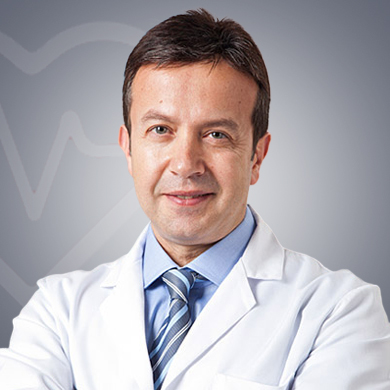
Dr. Hamdi Karakayali
Acibadem University Hospital Atakent, Turkey, Istanbul
Nephrologist • 36 years experience
Turkish & EnglishDr. Hamdi Karakayali is a specialized Kidney Transplant Surgeon in Turkey. And one of the most sought after medical specialists in Atakent, Turkey. The doctor has over 25 Years of experience and is associated with Acibadem University Hospital Atakent.
Association and Memberships Dr.Hamdi Karakayali is part of:
- The Transplantation Society
- Turkey Organ Transplant Association
- Middle East Society for Organ Transplantation (MESOT)
- American College of Surgeons
- European Board of Surgery New Key Opinion Leaders (New Key Opinion Leader)
- Member of the Scientific Committee of Kidney Transplantation - Republic of Turkey, Ministry of Health, General Directorate of Organ Transplantation
- Member of the Science Committee for Liver Transplantation - Republic of Turkey, Ministry of Health, General Directorate of Organ Transplantation
Qualifications :
- 2005 Baskent University Hospital - Professor
- 1996 Baskent University Hospital - Assistant Professor
- 1998 Baskent University Hospital - Associate Professor
- 1994 Hacettepe University Faculty of Medicine General Surgery
- 1988 Hacettepe University Faculty of Medicine
Hospital Address :
Halkal Merkez Mahallesi, Acibadem University Hospital Atakent, Halkal Altnehir stanbul Caddesi, K
What is the medical expertise of Dr.Hamdi Karakayali?
- With over 25 years of experience, Dr Hamdi Karakayali has expertise in hepatopancreatobiliary surgery, and living and deceased donor transplantation(adult and pediatric) for pancreatic, liver and kidney diseases.
- He won the New Key Opinion Leader Award in 2006.
- Dr Karakayali serves as the Secretary of the Middle East Society for Organ Transplantation and the European Society of Organ Transplantation. He is an Honorary Fellow of the European Board of Surgery and is also a Fellow of the American College of Surgeons. Dr Karakayali is associated with other reputed associations such as the International Hepato-Pancreato-Biliary Association, the International Liver Transplantation Society, and the Academy of Surgical Research. He is also a member of the Scientific Committee of Kidney Transplantation - the Republic of Turkey, Ministry of Health, General Directorate of Organ Transplantation.
- Dr Hamdi has numerous publications to his credit. Some of his research works include:
- Micronuclei and other nuclear anomalies in buccal epithelial cells of children with chronic kidney disease. Arh Hig Rada Toksikol. 2016 Dec 1;67(4):317-325.
- Four Separate Hepatic Vein Reconstructions in Living-Donor Right-Lobe Liver Transplantation: Case Report. Transplant Proc. 2015 Dec;47(10):3020-2.
- Effect of prostaglandin E-1 on Wisconsin University and histidine-tryptophan-ketoglutarate preservation solutions on preservation injury of the perfused liver. Transplant Proc. 2013 Jul-Aug;45(6):2446-50.
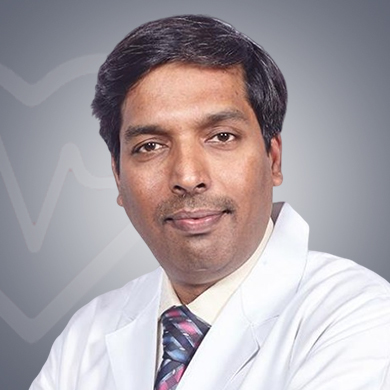
Dr. Ajitabh Srivastava
Fortis Hospital, India, Noida
Hepatologist • 18 years experience
Hindi EnglishDr. Ajitabh Srivastava is a specialized Liver Transplant Surgeon in India. And one of the most sought after medical specialists in Gurgaon, India. The doctor has over 17 Years of experience and is associated with Fortis Memorial Research Institute.
Association and Memberships Dr. Ajitabh Srivastava is part of:
- Member of ASI
- Member of IASG
- Member of IHPBA
- Member of American Society of Transplant Surgeons
Certifications :
- Fellowship University of Rochester, New York
Qualifications :
- MBBS - Goa University, Goa, 1998
- MS - General Surgery, Goa, 2004
- DNB - HPB and Transplant Surgery, National Board of Examinations, New Delhi, 2005
Hospital Address :
FMRI, Sector 45, Gurugram, Haryana, India
Do you know?
Using MediGence’s Telemedicine Platform, you can book a personalized video consultation with renowned doctors around the world

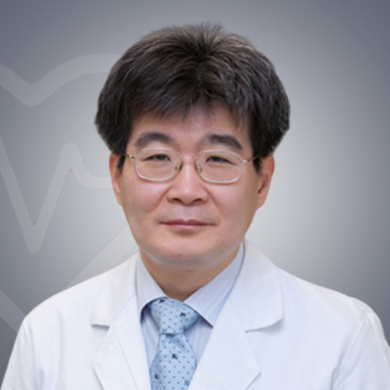
Dr. Hwang Shin
Asan Medical Centre, South Korea, Seoul
Hepatologist • 20 years experience
Korean EnglishDr. Hwang Shin is a specialized Liver Transplant Surgeon in South Korea. And one of the most sought after medical specialists in Seoul, South Korea. The doctor has over 20 Years of experience and is associated with Asan Medical Centre.
Qualifications :
- Doctor of Medicine: University of Ulsan
- Bachelor of Medicine: Pusan National University
Hospital Address :
Asan Medical Center, Olympic-ro 43-gil, Pungnap 2(i)-dong, Songpa-gu, Seoul, South Korea
What is the medical expertise of Dr Hwang Shin?
- Dr Hwang Shin has 20 years of experience in liver transplantation and hepatobiliary surgery. He has expertise in providing treatments for liver cancer, pancreatic and biliary cancer.
- He completed Fellowship in Liver Transplantation and Hepatobiliary Surgery at UUCM, AMC.
- Dr Shin is active in clinical research and has many publications in reputed journals. Some of his works include:
- Song GW, Ahn CS, Lee SG, Hwang S, Kim KH, Moon DB, Ha TY, et al. Correlation between the risk of hepatitis B virus recurrence and tissue expression of covalently closed circular DNA in living donor liver transplant recipients treated with high-dose hepatitis B immunoglobulin. Transplant Proc. 2014 Dec;46(10):3548-53.
- Lee SG, Hwang S, Park KM, Kim KH, et al. Seventeen adult-to-adult living donor liver transplantations using dual grafts. Transplant Proc. 2001 Nov-Dec;33(7-8):3461-3.
- Hwang S, Lee SG, Kim KH, Park KM, et al. Correlation of blood-free graft weight and volumetric graft volume by an analysis of blood content in living donor liver grafts. Transplant Proc. 2002 Dec;34(8):3293-4.
Dr. Lee Sung Gyu
Asan Medical Centre, South Korea, Seoul
Hepatologist • 30 years experience
Korean EnglishDr. Lee Sung Gyu is a specialized Liver Transplant Surgeon in South Korea. And one of the most sought after medical specialists in Seoul, South Korea. The doctor has over 30 Years of experience and is associated with Asan Medical Centre.
Qualifications :
- Doctor of Medicine: Seoul National University
- Master of Medicine: Seoul National University
- Bachelor of Medicine: Seoul National University
Hospital Address :
Asan Medical Center, Olympic-ro 43-gil, Pungnap 2(i)-dong, Songpa-gu, Seoul, South Korea
Dr. Raghuram C P
Aster CMI Hospital, India, Bangalore
Hematologist • 25 years experience
English Kannada HindiDr. Raghuram C P is a specialized Hematologist in India. And one of the most sought after medical specialists in Bangalore, India. The doctor has over 25+ Years of experience and is associated with Aster CMI Hospital.
Association and Memberships Dr. Raghuram C P is part of:
- Royal College of Physicians (FRCP)
- Member of the Royal College of Paediatrics
- Indian Academy of Paediatrics
- Member of the National Academy of Medical Sciences
Qualifications :
- MD in Pediatrics
- Paediatric Higher Specialty Training at the Eastern Deanery Cambridge, UK
- Pediatric Oncology Training at Christie Hospital-Manchester, Addenbrookes Hospital-Cambridge, Bristol Royal Hospital for Children-Bristol
Hospital Address :
Aster CMI Hospital, Hebbal Bangalore, National Highway 44, Sahakar Nagar, Hebbal, Bengaluru, Karnataka, India
Dr. Suresh Kumar Bhagat
Fortis Hospital, Mulund, India, Mumbai
Nephrologist • 22 years experience
Hindi EnglishDr. Suresh Kumar Bhagat is a specialized Kidney Transplant Surgeon in India. And one of the most sought after medical specialists in Mumbai, India. The doctor has over 17 Years of experience and is associated with Fortis Hospital, Mulund.
Association and Memberships Dr. Suresh Kumar Bhagat is part of:
- Indian Medical Association (IMA)
Qualifications :
- MBBS - The Tamil Nadu Dr. M.G.R. Medical University (TNMGRMU), 1990
- MS - Urology - The Tamil Nadu Dr. M.G.R. Medical University (TNMGRMU), 2006
- MCh - Urology - Christian Medical College and Hospital, Vellore, 2007
Hospital Address :
Fortis Hospital Mulund, Industrial Area, Bhandup West, Mumbai, Maharashtra, India
Dr. Ozkan Sayan
Medicana Camlica Hospital, Turkey, Istanbul
Hematologist • 15 years experience
Turkish & EnglishDr. Ozkan Sayan is a specialized Hematologist in Turkey. And one of the most sought after medical specialists in Istanbul, Turkey. The doctor has over 15+ Years of experience and is associated with Medicana Camlica Hospital.
Qualifications :
- GATA Military Medical Faculty Ankara-1989
- GATA Haydarpa?a Education Hosp. - 2004
Hospital Address :
K?s?kl? Mahallesi, MEDICANA aml?ca Hospital, skdar/Istanbul, Turkey
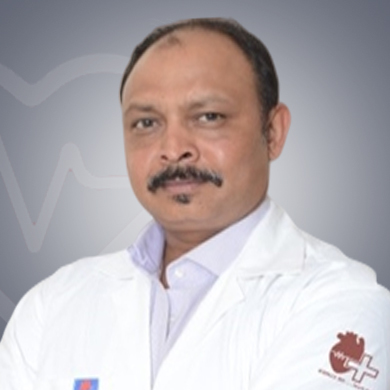
Dr. Rajesh Bansal is a specialized Kidney Transplant Surgeon in India. And one of the most sought after medical specialists in New Delhi, India. The doctor has over 22 Years of experience and is associated with Metro Hospital.
Association and Memberships Dr. Rajesh Bansal is part of:
- Indian Society of Nephrology
- Indian Society of Organ Transplantation
- Delhi Nephrology Society
- International Society of Nephrology
- European Dialysis and Transplant Association
Qualifications :
- MBBS - SMS Medical College, Jaipur (1989)
- MD - JLN Medical College, Ajmer (1995)
- DNB (Nephrology) - MPUH, Nadiad, Gujrat (1997)
Hospital Address :
Metro Hospital & Heart Institute, Buddh Vihar, Block X, Sector 12, Noida, Uttar Pradesh, India

Dr. Vijay Kher
Medanta - The Medicity, India, Gurgaon
Nephrologist • 50 years experience
Hindi EnglishDr. Vijay Kher is a specialized Kidney Transplant Surgeon in India. And one of the most sought after medical specialists in Gurgaon, India. The doctor has over 30 Years of experience and is associated with Medanta - The Medicity.
Association and Memberships Dr. Vijay Kher is part of:
- American Society of Nephrology
- International Society of Nephrology
- Indian Society of Nephrology Scientific and Credential Committee Past Chairman
- Transplantation Society
- Acute Dialysis Quality Initiative
Certifications :
- Clinical Fellowship Nephrology University of Cincinnati, Medical Centre, USA 1983
- Research Fellowship Hypertension Henry Ford Hospital, Detroit, USA 1981
Qualifications :
- DNB (Nephrology) National Boards, India, 1980
- DM (Nephrology) PGIMER, Chandigarh, 1979
- MD (Internal Medicine) PGIMER, Chandigarh, 1977
- MBBS Glancy Medical College, Amritsar, 1973
Hospital Address :
Medanta The Medicity, Medicity, Islampur Colony, Sector 38, Gurugram, Haryana, India
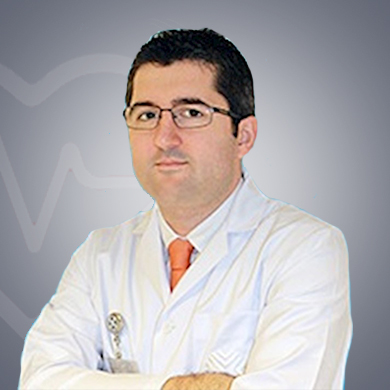
Dr. Abdullah Sumnu
Medipol Mega University Hospital, Turkey, Istanbul
Nephrologist • 12 years experience
Turkish & EnglishDr. Abdullah Sumnu is a specialized Kidney Transplant Surgeon in Turkey. And one of the most sought after medical specialists in Istanbul, Turkey. The doctor has over 10 Years of experience and is associated with Medipol Mega University Hospital.
Qualifications :
- 2013, Istanbul HasekiÌ EgiÌtiÌm Ve Arastirma HastanesiÌ, Ic Hastaliklari Nephrology
- 2009, Istanbul University Istanbul Tip FakultesiÌ, Ic Hastaliklari
- 2003, Istanbul University, Tip FakultesiÌ
Hospital Address :
Gztepe Mahallesi, Medipol Mega niversite Hastanesi, Metin Sokak, Ba?c?lar/Istanbul, Turkey
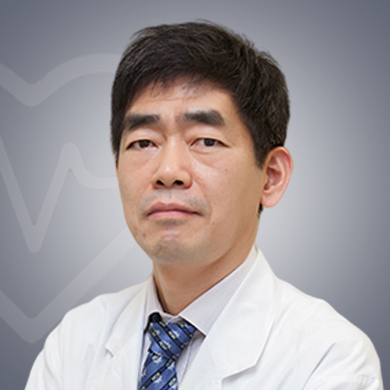
Dr. Yang Won Seok
Asan Medical Centre, South Korea, Seoul
Nephrologist • 20 years experience
Korean EnglishDr. Yang Won Seok is a specialized Kidney Transplant Surgeon in South Korea. And one of the most sought after medical specialists in Seoul, South Korea. The doctor has over 20 Years of experience and is associated with Asan Medical Centre.
Certifications :
- Clinical Fellowship in Nephrology, University of Cincinnati Medical Center
- Fellowship in Nephrology, UUCM AMC
Qualifications :
- Doctor of Medicine: University of Ulsan
- Master of Medicine: Seoul National University
- Bachelor of Medicine: Seoul National University
Hospital Address :
Asan Medical Center, Olympic-ro 43-gil, Pungnap 2(i)-dong, Songpa-gu, Seoul, South Korea
What is the medical expertise of Dr Yang Won Seok?
- Dr Yang Won Seok is a well-known expert in the field of nephrology and kidney transplantation. He is proficient in treating conditions such as chronic kidney disease, glomerulonephritis, hypertension, kidney failure, and polycystic kidney disorder.
- He completed a Fellowship in Nephrology at UUCM, AMC and a Clinical Fellowship in Nephrology at the University of Cincinnati Medical Center.
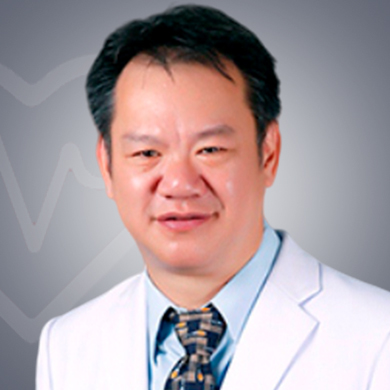
Dr. Wichit Arpornwirat
Phyathai 2 International Hospital, Thailand, Bangkok
Radiation oncologist • 20 years experience
Thai EnglishDr. Wichit Arpornwirat is a specialized Medical Oncologist in Thailand. And one of the most sought after medical specialists in Bangkok, Thailand. The doctor has over 20 Years of experience and is associated with Phyathai 2 International Hospital.
Qualifications :
- M.D Faculty of Medicine Siriraj Hospital, Mahidol University, Thailand, 1983-1989
- Diploma of the Thai Board of Hematology Medicine, Siriraj Hospital, Mahidol University, Thailand, 1991-1993
- Diploma of the Thai Board of Internal Medicine and Oncology, Siriraj Hospital, Mahidol University, Thailand, 1995-1996
Hospital Address :
Phyathai 2 Hospital, Phahonyothin Road, Phaya Thai, Thailand
What is the medical expertise of Dr Wichit Arpornwirat?
- Dr Wichit Arpornwirat is a leading medical oncologist with expertise in immunotherapy, chemotherapy, acute lymphocytic leukaemia, breast biopsy and hairy cell leukaemia.
- Dr Wichit obtained a Diploma from the Thai Board of Internal Medicine and Oncology in 1996 and a Diploma from the Thai Board of Hematology Medicine in 1993. Additionally, he completed a Fellowship in Stem Cell Transplantation at the Beth Israel Hospital, Harvard Medical School, USA. He was a Fellow of Medicine Oncology, at Siriraj Medical School, Mahidol University.
- Dr Wichit has many publications to his credit. Some of his research papers are:
Phase 2 trial results with the novel neurokinin-1 receptor antagonist casopitant in combination with ondansetron and dexamethasone for the prevention of chemotherapy-induced nausea and vomiting in cancer patients receiving moderately emetogenic chemotherapy.
- Clonal Evolutionary Analysis during HER2 Blockade in HER2-Positive Inflammatory Breast Cancer: A Phase II Open-Label Clinical Trial of Afatinib +/- Vinorelbine.
Dr. Suna Emir
Medicana Camlica Hospital, Turkey, Istanbul
Hematologist • 30 years experience
Turkish & EnglishDr. Suna Emir is a specialized Hematologist in Turkey. And one of the most sought after medical specialists in istanbul, Turkey. The doctor has over 30 Years of experience and is associated with Medicana Camlica Hospital.
Qualifications :
- Hacettepe University School of Medicine (1989)
- Postgraduate Education (Residency) Hacettepe University School of Medicine, Department of Pediatrics, Pediatrics Residency Program (1995)
- Hacettepe University School of Medicine, Pediatric Hematology and Oncology Residency Program (2016)
Hospital Address :
K?s?kl? Mahallesi, MEDICANA aml?ca Hospital, skdar/Istanbul, Turkey
Dr. Sam Zebari
Cancer Centre London, United Kingdom, London
Hematologist • 35 years experience
EnglishDr. Sam Zebari is a specialized Hematologist in United Kingdom. And one of the most sought after medical specialists in London, United Kingdom. The doctor has over 35 Years of experience and is associated with Cancer Centre London.
Association and Memberships Dr. Sam Zebari is part of:
- British Medical Association (BMA)
- Medical Defence Union (The MDU)
- European Hematology Association (EHA)
- American Society of Hematology (ASH)
Certifications :
- FRCP(UK)
- FRCPath
Qualifications :
- MBCHB
- M.SC(HAEM)
Hospital Address :
Cancer Centre London, Parkside, London, UK
What is the medical expertise of Dr Sam Zebari?
- Dr Sam Zebari is a reputed hematologist with more than 35 years of experience in treating hematological malignancies such as multiple myeloma, lymphoma, chronic and acute leukemia, various myeloproliferative disorders, and anemia and clotting disorders.
- Dr Zebari is a part of many well-respected organizations such as the American Society of Hematology (ASH), the British Medical Association(BMA)and the European Hematology Association (EHA).
- He is a Member of the Royal College of Physicians and a Fellow of the Royal College of Pathologists.


