Your Notifications
All done, no notifications

445 Specialists

Dr. Hwang Shin

Hepatologist

, Seoul, South Korea

20 Years of experience

Speaks: Korean , English


Dr. Hwang Shin is a specialized Liver Transplant Surgeon in South Korea. And one of the most sought after medical specialists in Seoul, South Korea. The doctor has over 20 Years of experience and is associated with Asan Medical Centre.

Qualifications :

  • Doctor of Medicine: University of Ulsan
  • Bachelor of Medicine: Pusan National University

Hospital Address :

Asan Medical Center, Olympic-ro 43-gil, Pungnap 2(i)-dong, Songpa-gu, Seoul, South Korea

What is the medical expertise of Dr Hwang Shin?

  • Dr Hwang Shin has 20 years of experience in liver transplantation and hepatobiliary surgery. He has expertise in providing treatments for liver cancer, pancreatic and biliary cancer.
  • He completed Fellowship in Liver Transplantation and Hepatobiliary Surgery at UUCM, AMC.
  • Dr Shin is active in clinical research and has many publications in reputed journals. Some of his works include:
    1. Song GW, Ahn CS, Lee SG, Hwang S, Kim KH, Moon DB, Ha TY, et al. Correlation between the risk of hepatitis B virus recurrence and tissue expression of covalently closed circular DNA in living donor liver transplant recipients treated with high-dose hepatitis B immunoglobulin. Transplant Proc. 2014 Dec;46(10):3548-53.
    2. Lee SG, Hwang S, Park KM, Kim KH, et al. Seventeen adult-to-adult living donor liver transplantations using dual grafts. Transplant Proc. 2001 Nov-Dec;33(7-8):3461-3.
    3. Hwang S, Lee SG, Kim KH, Park KM, et al. Correlation of blood-free graft weight and volumetric graft volume by an analysis of blood content in living donor liver grafts. Transplant Proc. 2002 Dec;34(8):3293-4.
Dr. Fahri Yetisir

Hepatologist

, Ankara, Turkey

20 Years of experience

Speaks: Turkish & English


Dr. Fahri Yetisir is a specialized Liver Transplant Surgeon in Turkey. And one of the most sought after medical specialists in Ankara, Turkey. The doctor has over 20 Years of experience and is associated with Medicana International Ankara Hospital.

Association and Memberships Dr. Fahri Yetisir is part of:

  • Society of Endocrine Surgery
  • Society of Clinical Enteral and Parenteral Nutrition
  • Medical Society of Ankara
  • Turkish Association for Endoscopic and Laparoscopic Surgery Turkish Society of Colorectal Surgery
  • Turkish Surgical Society Member of Board for Open Abdomen ESPEN The European Society for Clinical Nutrition and Metabolism Metabolic Surgery Society

Qualifications :

  • Education Hacettepe University School of Medicine (1992-1999)
  • Diskapi Education and Research Hospital, Ankara General Surgery Residency Program (1999-2005) Liver Transplantation Fellowship Program, Inonu University School of Medicine, Malatya (2013- 2016)

Hospital Address :

S?tz Mahallesi, Medicana International Ankara, S?tz Cad Eski?ehir Yolu zeri, ankaya/Ankara, Turkey

What is the medical expertise of Dr Fahri Yetisir?

  • With more than 20 years of experience, Dr Fahri Yetisir is a renowned expert in liver transplantation, colorectal surgery, hernia surgery, gallbladder surgery, pancreatic surgery, and gastrointestinal surgery.
  • He holds professional memberships in leading organizations such as the Turkish Surgery Association, National Endoscopic Laparoscopic Surgery Association, Endocrine Surgery Association, Turkish Surgery Association, ESPEN The European Society for Clinical Nutrition and Metabolism, and the Turkish Colon and Rectal Surgery Association.
  • He has 49 publications in international journals. Some of his works include:
    1. F. Yetişir, AE Salman, B. ?iftçi, A. Teber, M. Kılıç. Efficacy Of Ultrasonography In the Identification Of Non-Recurrent Laryngeal Nerve. IntJ Surg. 2012;10(9):506-9.
    2. F. Yetişir, AE Salman, D. Durak M. Kılıç. Laparoscopic Fundoplication With Double Sided Posterior Gastropexy: A Different Surgical Technique. IntJ Surg. 2012;10(9):532-6.
    3. F.Yetişir, B. Yürekli, AE Salman, HZ Acar, MBYıldırım, M. Kılıç. The Impact Of Harmonic Scalpel On Complications After Neck Dissection In Papillary Thyroid Carcinoma: A Prospective Randomized Study. Thyroid Disorders Ther 2012;1:4.
Dr. John Cherian Varghese

Nephrologist

, Dubai, United Arab Emirates

21 Years of experience

Speaks: Malayalam , English ,Hindi


Dr. John Cherian Varghese is a specialized Nephrologist in United Arab Emirates. And one of the most sought after medical specialists in Dubai, United Arab Emirates. The doctor has over 18 Years of experience and is associated with Aster DM Healthcare.

Association and Memberships Dr. John Cherian Varghese is part of:

  • Member of the International Society of Nephrology
  • Member of the European Renal Association
  • Member of the Indian Nephrology Society

Qualifications :

  • MBBS
  • MD
  • DNB (Nephrology)

Hospital Address :

Aster DM Healthcare - Dubai - United Arab Emirates

Do you know?

Using MediGence’s Telemedicine Platform, you can book a personalized video consultation with renowned doctors around the world

Explore Telemedicine Platform
Dr. Abeesh Padmanabha Pillai

Nephrologist

, Abu Dhabi, United Arab Emirates

8 Years of experience

Speaks: Malayalam , English ,Hindi


Dr. Abeesh Padmanabha Pillai is a specialized Nephrologist in United Arab Emirates. And one of the most sought after medical specialists in Abu Dhabi, United Arab Emirates. The doctor has over 20 Years of experience and is associated with Lifecare Hospital, Musaffah.

Qualifications :

  • MBBS
  • MD (Internal Medicine)
  • DM (Nephrology)
  • DNB (Nephrology)

Hospital Address :

Lifecare Hospital - Abu Dhabi - United Arab Emirates

What is the medical expertise of Dr Abeesh Padmanabha Pillai?

  • Dr Abeesh Padmanabha Pillai has 20 years of experience as a nephrologist. He is specialized in renal replacement therapy, interventional nephrology, preventive nephrology, transplant nephrology, and critical care nephrology.
  • Over the course of his career, Dr Pillai has published 4 research papers. He is the recipient of the " Young Investigator Award" by the PC Mary Tanker Foundation for his work titled: " Evaluation of glycemic repercussions in hemodialysis patients."
  • The Indian Society of Nephrology also awarded him the First Prize for his work
    " Anti-Phospholipase A2 receptor antibody in membranous nephropathy".
Dr. Harbinder Singh

Urologist

, Delhi, India

15 Years of experience

Speaks: Punjabi , English


Dr. Harbinder Singh is a specialized Urosurgeon in India. And one of the most sought after medical specialists in New Delhi, India. The doctor has over 10+ Years of experience and is associated with Primus Super Speciality Hospital.

Association and Memberships Dr. Harbinder Singh is part of:

  • Urological Society of India
  • Delhi Medical Council.

Qualifications :

  • MBBS
  • MS
  • DNB

Hospital Address :

Primus Super Speciality Hospital, Chanakyapuri, New Delhi, Delhi, India

Dr. Sidharth Kumar Sethi

Nephrologist

, Gurgaon, India

21 Years of experience

Speaks: Hindi , English


Dr. Sidharth Kumar Sethi is a specialized Nephrologist in India. And one of the most sought after medical specialists in Gurugram, India. The doctor has over 16 Years of experience and is associated with Medanta - The Medicity.

Association and Memberships Dr. Sidharth Kumar Sethi is part of:

  • Indian Academy of Paediatrics (IAP)
  • American Society of Pediatric Nephrology
  • International Pediatric Hypertension Association (IPHA)
  • Asian Pediatric Nephrology Association (AsPNA)

Qualifications :

  • Fellowship (P.G.) - Indian Society of Paediatric Nephrology, 2010
  • Fellowship (International Society of Nephrology) - Cedars Sinai Medical Centre, California, 2009
  • Fellowship (International Paediatrics Nephrology Association) - AIIMS, New Delhi, 2008
  • M.D. (Paediatrics)- University College of medical Sciences and GTB Hospital, New Delhi, 2006
  • M.B.B.S - Maulana Azad Medical College, New Delhi, 2002

Hospital Address :

Medanta The Medicity, Medicity, Islampur Colony, Sector 38, Gurugram, Haryana, India
Dr. Gulay Yilmaz

Nephrologist

, Istanbul, Turkey

16 Years of experience

Speaks: Turkish & English


Dr. Gulay Yilmaz is a specialized Nephrologist in Turkey. And one of the most sought after medical specialists in istanbul, Turkey. The doctor has over 16 Years of experience and is associated with Acibadem International Hospital.

Qualifications :

  • Trakya University Faculty of Medicine Nephrology, 2013
  • Okmeydanı Training and Research Hospital Internal Medicine, 2009
  • Istanbul University Cerrahpaşa Medical Faculty, 2002

Hospital Address :

Yeilk
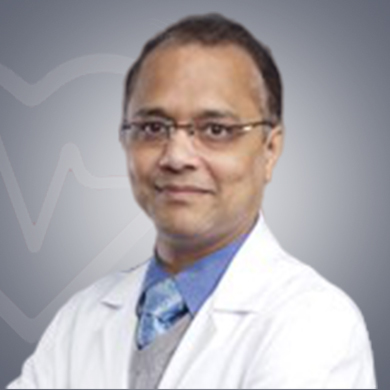
Dr. Amitabh Kulkarni

Nephrologist

, Dubai, United Arab Emirates

18 Years of experience

Speaks: English ,Hindi , Marathi


Dr. Amitabh Kulkarni is a specialized Nephrologist in United Arab Emirates. And one of the most sought after medical specialists in Dubai, United Arab Emirates. The doctor has over 18 Years of experience and is associated with NMC Specialty Hospital, Al Nahda.

Qualifications :

  • MBBS - University of Mumbai
  • MD (Internal Medicine) - University of Mumbai
  • Diplomate of National Board (DNB) in Nephrology from the National Board of Examinations, Ministry Of Health & Welfare, New Delhi India.
  • Fellowship in Nephrology - University of Ottawa, Canada

Hospital Address :

NMC Speciality Hospital Al Nahda Dubai - Dubai - United Arab Emirates

Dr. Suna Emir

Hematologist

, Istanbul, Turkey

30 Years of experience

Speaks: Turkish & English


Dr. Suna Emir is a specialized Hematologist in Turkey. And one of the most sought after medical specialists in istanbul, Turkey. The doctor has over 30 Years of experience and is associated with Medicana Camlica Hospital.

Qualifications :

  • Hacettepe University School of Medicine (1989)
  • Postgraduate Education (Residency) Hacettepe University School of Medicine, Department of Pediatrics, Pediatrics Residency Program (1995)
  • Hacettepe University School of Medicine, Pediatric Hematology and Oncology Residency Program (2016)

Hospital Address :

K?s?kl? Mahallesi, MEDICANA aml?ca Hospital, skdar/Istanbul, Turkey

Dr. Sam Zebari

Hematologist

, London, United Kingdom

35 Years of experience

Speaks: English


Dr. Sam Zebari is a specialized Hematologist in United Kingdom. And one of the most sought after medical specialists in London, United Kingdom. The doctor has over 35 Years of experience and is associated with Cancer Centre London.

Association and Memberships Dr. Sam Zebari is part of:

  • British Medical Association (BMA)
  • Medical Defence Union (The MDU)
  • European Hematology Association (EHA)
  • American Society of Hematology (ASH)

Certifications :

  • FRCP(UK)
  • FRCPath

Qualifications :

  • MBCHB
  • M.SC(HAEM)

Hospital Address :

Cancer Centre London, Parkside, London, UK

What is the medical expertise of Dr Sam Zebari?

  • Dr Sam Zebari is a reputed hematologist with more than 35 years of experience in treating hematological malignancies such as multiple myeloma, lymphoma, chronic and acute leukemia, various myeloproliferative disorders, and anemia and clotting disorders.
  • Dr Zebari is a part of many well-respected organizations such as the American Society of Hematology (ASH), the British Medical Association(BMA)and the European Hematology Association (EHA).
  • He is a Member of the Royal College of Physicians and a Fellow of the Royal College of Pathologists.
Dr. Mukesh Kumar Shewak Ram

Nephrologist

, Dubai, United Arab Emirates

25 Years of experience

Speaks: Hindi , English


Dr. Mukesh Kumar Shewak Ram is a specialized Nephrologist in United Arab Emirates. And one of the most sought after medical specialists in Dubai, United Arab Emirates. The doctor has over 10 Years of experience and is associated with Canadian Specialist Hospital.

Association and Memberships Dr. Mukesh Kumar Shewak Ram is part of:

  • Emirates Medical Association-Nephrology (EMA-N)
  • Emirates Medical Association (EMA)
  • Pakistan Society of Nephrology (PSN)
  • Pakistan Medical Association (PMA)
  • Pakistan Medical & Dental Council (PMDC)
  • College of Physicians & Surgeons Pakistan (CPSP)

Qualifications :

  • M.B.B.S From Chandka Medical Colloge Larkana, Pakistan.
  • F.C.P.S Internal Medicine (Fellow of College of Physicians & Surgeons, Pakistan)
  • Fellowship training in Nephrology

Hospital Address :

Canadian Specialist Hospital - Dubai - United Arab Emirates
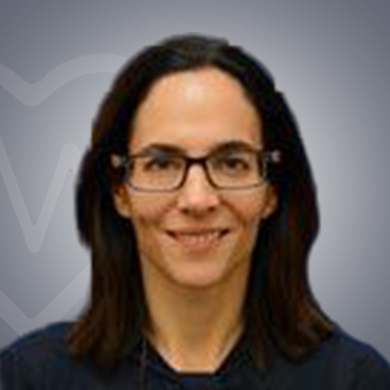
Dr. Hila Soetendorp

Nephrologist

, Tel Aviv, Israel

8 Years of experience

Speaks: Hebrew , English


Dr. Hila Soetendorp is a specialized Nephrologist in Israel. And one of the most sought after medical specialists in Tel Aviv, Israel. The doctor has over 8 Years of experience and is associated with Tel Aviv Sourasky Medical Center -Ichilov Hospital.

Association and Memberships Dr. Hila Soetendorp is part of:

  • The Israeli society of Nephrology and hypertension
  • International society of Peritoneal Dialysis

Qualifications :

  • Medical School The free university of Brussels

Hospital Address :

Tel Aviv Medical Center, Retsif Herbert Samuel Street, Tel Aviv-Yafo, Israel

What is the medical expertise of Dr Hila Soetendorp?

  • Dr Hila Soetendorp is a leading nephrologist with expertise in clinical nephrology and peritoneal dialysis. She has 8 years of experience in the field and has performed several renal transplantations.
  • She is a respected member of the International Society of Peritoneal Dialysis and the Israeli Society of Nephrology and Hypertension.
  • Dr Soetendorp has published her research in many peer-reviewed journals. Some of her publications are:
    1. Water avoidance and modification of exit-site care with stoma bag results in reduced exit-site infection rate in peritoneal dialysis patients. Clin Nephrol. 2021 Jun;95(6):323-331.
    2. A randomized, controlled clinical trial to evaluate the immunogenicity of a PreS/S hepatitis B vaccine Sci-B-Vac™, as compared to Engerix B®, among vaccine naïve and vaccine non-responder dialysis patients. Clin Exp Nephrol. 2018 Feb;22(1):151-158.
    3. Attenuated glomerular arginine transport prevents hyperfiltration and induces HIF-1α in the pregnant uremic rat. Am J Physiol Renal Physiol. 2012 Aug 1;303(3):F396-404.
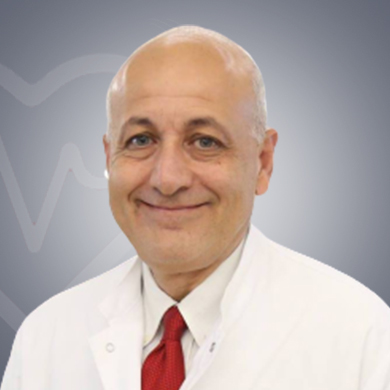
Dr. Ahmet Serdar Karaca

Laparoscopic Surgeon

, Istanbul, Turkey

28 Years of experience

Speaks: Turkish , English


Dr. Ahmet Serdar Karaca is a specialized General Laparoscopic Surgeon in Turkey. And one of the most sought after medical specialists in Istanbul, Turkey. The doctor has over 23 Years of experience and is associated with Baskent University Istanbul Hospital.

Association and Memberships Dr. Ahmet Serdar Karaca is part of:

  • Turkish Surgical Association
  • Ankara Surgical Association
  • Union for Associations of Breast Diseases
  • Ankara Association of Breast Diseases
  • Turkish Association of Vascular Surgery
  • Turkish Society of Colon and Rectal Surgery
  • Turkish Association for Endoscopic and Laparoscopic Surgery
  • Association of Clinical Enteral & Parenteral Nutrition
  • Turkish Association of Trauma and Emergency Surgery
  • Turkish Society of Hepato-Pancreatobiliary Surgery
  • ESCP
  • ACS

Qualifications :

  • 1996 Bachelor's Degree / Master's Degree / School of Medicine / Ankara University
  • 2002 Residency/Doctorate, General Surgery Department, School of Medicine, Ankara University
  • 2009 Assistant Professor / General Surgery Department, School of Medicine, Rize University
  • 2014 Associate Professor / General Surgery Department, Numune Teaching and Research Hospital, Ankara
  • 2020 Professor / General Surgery Department, Bakent University Hospital, İstanbul

Hospital Address :

Altunizade, BAKENT

What is the medical expertise of Dr Ahmet Serdar Karaca?

  • With 23 years of experience, Dr Ahmet Serdar Karaca is a leading specialist in laparoscopic hernia surgery, oncological surgery, liver and kidney transplantation, hepatobiliary surgery, wounds care and treatment, colonoscopy, surgical endoscopy, and robotic surgery.
  • Dr Karaca holds professional memberships in organizations such as the American College of Surgeons(ACS), the Board of the Turkish Surgical Association, the TCSB National Cancer Advisory Board, and the Istanbul Provincial Cancer Advisory Board. He is also the President of the Cancer Control Association.
  • In 2012, he completed training in Robotic Surgery at the Cleveland Clinic Robotic Surgery Department. Dr Karaca also underwent additional training in minimally invasive operating techniques in Colorectal Surgery at the European Surgical Institute, Hamburg, Germany.
  • Over the course of his career, Dr Karaca has published over 70 national and international research papers and written 5 book chapters. Some of his publications include:
    1. Sapmaz A, Karaca AS. Risk factors for conversion to open surgery in laparoscopic cholecystectomy: A single centre experience. Turk J Surg. 2020 Oct 3;37(1):28-32.
    2. Karaca AS, Ozmen MM, UÇar AD, Yasti AÇ, Demİrer S. General Surgery Operating Room Practice in Patients with COVID-19. Turk J Surg. 2020 Mar 31;36(1):i-v.
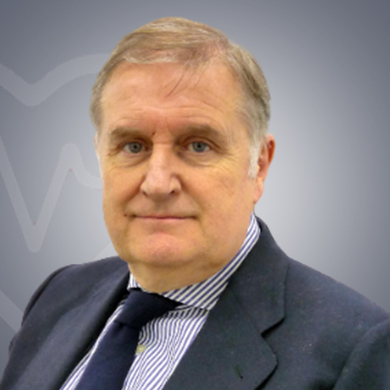
Dr. Luis Madero

Hematologist

, Madrid, Spain

37 Years of experience

Speaks: Spanish , English


Dr. Luis Madero is a specialized Hematologist in Spain. And one of the most sought after medical specialists in Madrid, Spain. The doctor has over 37 Years of experience and is associated with University Hospital Quironsalud Madrid.

Association and Memberships Dr. Luis Madero is part of:

  • Spanish Paediatric Association (AEP) (1992-present).
  • Spanish Association of Paediatric Haematology.
  • Spanish Association of Paediatric Oncology.
  • SIOP (International Society of Paediatric Oncology).
  • EBMT (European Bone Marrow Transplantation).
  • Spanish Association of Haematology and Haemotherapy (AEHH).

Qualifications :

  • Resident Medical Intern in Paediatrics at Ramon y Cajal Hospital, 1979-1982.

Hospital Address :

University Hospital Quironsalud Madrid, Calle Diego de Vel

Medical Expertise of Dr. Luis Madero

  • Medical expertise of Dr. Luis Madero is Paediatric Haemato-Oncology, Haemato-Oncology and Haematopoietic Transplantation.
  • Sickle Cell Disease, Various Autoimmune Diseases, Neuromuscular Disorders, Hematological Disorders, Acute Myelogenous Leukemia (AMI), Aplastic Anemia, Acute Lymphocytic Leukemia, and Thalassemia are some of the conditions for which the specialist provides treatment.
  • He has been active in the field of Pediatric Hematology & Oncology for over 37 years.
  • Dr. Luis Madero has a rich academic and teaching background, he is a full professor at Pediatrics Department, Autonoma University of Madrid.
  • He is involved in development of Research projects as lead investigator at Children’s University Hospital Nino Jesus and Research Institute La Princesa.
  • Membership in scientific societies as AEP (1992-present),Spanish Association of Paediatric Haematology., Spanish Association of Paediatric Oncology, SIOP, EBMT, AEHH, and SEHOP.
  • He holds positions as Patron, Secretary, President of various reputed Foundations and Commissions.
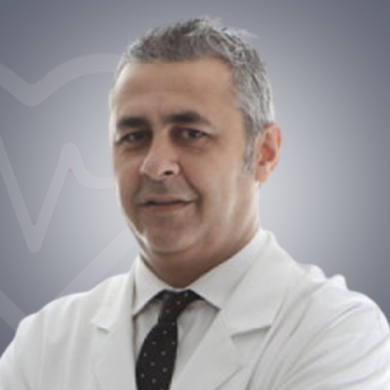
Dr. Thananda Trakarnvanich

Nephrologist

, Bangkok, Thailand

25 Years of experience

Speaks: Thai , English


Dr. Thananda Trakarnvanich is a specialized Nephrologist in Thailand. And one of the most sought after medical specialists in Bangkok, Thailand. The doctor has over 25 Years of experience and is associated with Kasemrad Ramkhamhaeng Hospital.

Certifications :

  • Diploma of The Thai Board of Internal Medicine, 1991
  • Diploma Kidney Disease Branch, Thailand, 1995
  • Clinical Fellow, New England Medical Center, Tufts University, Boston

Qualifications :

  • MD - Siriraj Hospital, Mahidol University, 1987
  • Postgraduate Degree: Chiropractic, Chulalongkorn University, 1993-1995

Hospital Address :

kasemrad hospital ramkamhang Ramkhamhaeng Road, Saphan Sung, Bangkok, Thailand

What is the medical expertise of Dr Thananda Trakarnvanich?

  • With over 25 years of experience in the field of nephrology, Dr Thananda Trakarnvanich is an expert in providing treatments for chronic kidney diseases, polycystic kidney disease, glomerulonephritis, kidney failure and end-stage kidney disease. She also has expertise in kidney transplantation and dialysis.
  • She is a leading nephrologist and was a Clinical Fellow at the New England Medical Center, Tufts University in Boston in 1996.
  • Dr Thananda has published her work in leading journals of repute. Some of her high-impact publications include:
    1. Jaturapisanukul S, Kurathong S, Ngamvichchukorn T, Trakarnvanich T. Curcuminoids can prevent post-contrast acute kidney injury in chronic kidney disease patients: A randomized controlled trial. Medicine (Baltimore). 2022 Sep 30;101(39):e30753.
    2. Trakarnvanich T, Ngamvichchukorn T, Phumisantiphong U, Pholtawornkulchai K, Phochanasomboon K, Manomaipiboon A. Immune response after COVID-19 vaccination among patients with chronic kidney disease and kidney transplant. Vaccine. 2022 Oct 26;40(45):6499-6511.
    3. Manomaipiboon A, Pholtawornkulchai K, Poopipatpab S, Suraamornkul S, Maneerit J, Ruksakul W, Phumisantiphong U, Trakarnvanich T. Efficacy and safety of ivermectin in the treatment of mild to moderate COVID-19 infection: a randomized, double-blind, placebo-controlled trial. Trials. 2022 Aug 26;23(1):714.

Online Appointments with Top Transplant Surgeon

About Transplant Surgeon

A transplant surgeon is a doctor specializing in the transplant surgeries and post-operative care of the patients who need to undergo surgical procedures such as kidney, liver, pancreas or heart. Transplant surgeries are either life saving, for instance liver transplantation or life prolonging as in case of kidney transplantation.

Transplant surgeons first do a general surgical evaluation of the patient to assess the risks and evaluate the benefits of the surgery. They then consult the case with other doctors and healthcare specialists from multiple disciplines such as hepatologists, nephrologists, and diabetologists, immunologists and scientists before making the decision about the surgery and the approach to be followed for the surgery. The surgeon not just examines and assess the patient before the examination but even after the transplant procedure is completed and the patient has been discharged.

Procedures Performed

  • Heart transplant
  • Lung transplant
  • Liver transplant
  • Pancreas transplant
  • Cornea transplant
  • Trachea transplant
  • Kidney transplant
  • Skin transplant
  • Vascular tissues transplant
  • Skin graft
  • Blood vessel graft
  • Bone graft
  • Bone marrow graft

Top Transplant Surgeons

DoctorAssociated Hospital
Dr. Sumant GuptaSarvodaya Hospital and Research Centre, Faridabad
Dr. Vibha VarmaMax Super Specialty Hospital, Vaishali, Ghaziabad
Dr. Ozan OzkayaIstinye University Bahcesehir - LIV Hospital, Istanbul
Dr. Bhaskar NandiSarvodaya Hospital and Research Centre, Faridabad
Dr. Himmet Bora UsluIstinye University Bahcesehir - LIV Hospital, Istanbul
Dr. Shri Ram KabraSarvodaya Hospital and Research Centre, Faridabad
Dr. Nitin SoodMedanta - The Medicity, Gurugram
Dr. Havva EvrengulIstinye University Bahcesehir - LIV Hospital, Istanbul

About Transplant Surgeon

Which are the countries where we can find Transplant Surgeon?

Popular Transplant Surgeon in Top Countries are :

Type of Transplant Surgeon available Worldwide?

Top Speciality Doctors Worldwide:

  • Kidney Transplant Surgeon
  • Hematologist
  • Nephrologist
  • Liver Transplant Surgeon
  • Stem Cells Therapy

Top Rated Hospitals Where We Can Find Transplant Surgeon Worldwide?

List of Top Rated Hospitals where we can find Transplant Surgeon Worldwide are as followed:

Can we get the list of Transplant Surgeon worldwide in any other language?

Yes, we provide the list of Transplant Surgeon worldwide in the following languages:

Get Insight with our Blogs

Frequently Asked Questions
Who are the top Transplant Surgeons in All offering online consultation?

Listed below are some of the top transplant surgeon available for online consultation:

Which are some of the best hospitals Transplant Surgeons are associated with?
Who is a Transplant Surgeon?

A transplant surgeon has special training in transplantation surgery which involves replacing a patient's organ with a donor organ. A transplant surgeon performs transplants of various organs, such as kidneys, livers, hearts, lungs, the pancreas, the intestine, and recently tracheal tissue, faces, and the penis.

A transplant surgeon first does a general surgical evaluation of the patient to assess the possible risks and also evaluate the benefits of transplant surgery. They may consult the case with other doctors from multiple disciplines nephrologists, hepatologists, diabetologists, immunologists, and scientists before making any decision about the surgery and the approach for the surgery. The surgeon not just assesses the patient before the examination but also after the transplant surgery is completed and the patient is discharged.

What are the qualifications of a Transplant Surgeon?

The training and education received by a transplant surgeon are extensive. The education starts with a five-and-a-half-year MBBS course after completion of high school. After gaining this degree, the student then obtains MD or DO degree from an accredited medical school. During this period, the student is trained in basic medical care in both clinical and classroom settings. After completing medical school, the student needs to complete a residency program in general surgery.

Residencies in general surgery typically last five years and consist of a curriculum of clinical rotations in a wide range of surgical disciplines. The physician is trained in the different caveats of surgery including complex general surgical oncology, vascular operations, critical care, trauma management, transplant surgery, hand surgery as well as pediatric surgery. Residents in general surgery also do daily interaction with patients to improve their communication skills.

After completion of the residency program, the doctor must then complete fellowship training in transplant surgery. They are trained as well as educated in all the areas of transplant surgery with a focus on pathology, physiology, immunology, and anatomy specifically related to diagnoses and treatments of the final stages of organ failure and diseases. The surgeon will get specialized training in surgical transplantation of organs, and any related procedures that might be necessary when completing a transplant. Physicians also have exposure to operations like liver and kidney transplants, which are two of the most common in the discipline.

What conditions do Transplant Surgeons treat?

Organ transplantation is used if a patient is suffering from a very critical condition or is facing an organ failure. Such patients are mostly suggested to have a transplant so that their affected organ is replaced with a healthy, functioning organ. Below are some of the common conditions which are treated by an organ transplant surgeon.

  • Congenital renal obstructive disorders
  • Congenital nephrotic syndrome
  • Alport syndrome
  • Nephropathic and juvenile cystinosis
  • Polycystic kidney disease
  • Nail-patella syndrome
  • Glomerulonephritis
  • Berger disease
  • Henoch-schönlein purpura
  • Hemolytic uremic syndrome
  • Wegener granulomatosis
  • Goodpasture syndrome
  • Leukemias
  • Severe aplastic anemia
  • Lymphomas
  • Multiple myeloma
  • Immune deficiency disorders
  • Some solid-tumor cancers
  • Severe cystic fibrosis
  • Pulmonary fibrosis
  • Bronchopulmonary dysplasia or chronic obstructive pulmonary disease (COPD)
  • Sarcoidosis, histiocytosis, and lymphangioleiomyomatosis
  • Congenital heart defect
  • Abnormal heart rhythms
  • Ventricular arrhythmias
  • Heart valve disease
  • Coronary artery disease
  • Cardiomyopathy
  • Liver cancer, hepatitis C, HIV
What diagnostic tests are required by a Transplant Surgeon?

Regardless of the type of transplant you may undergo, special blood tests and other diagnostic tests are performed to know if you are fit for a transplant. Blood tests are also needed to determine the kind of tissue and blood you have. These test results help to match a donor kidney to your body.

  • Blood Type Testing
  • Human leukocyte antigens (tissue typing)
  • MVO2 (exercise stress test)
  • Chest x-ray
  • Pulmonary function tests
  • Echocardiogram
  • Electrocardiogram
  • Heart catheterization
  • Bilateral lower extremity Doppler, carotid Doppler
  • Ultrasound of the abdomen/pelvis
  • Pulmonary Function Tests
  • Radiographic Studies (X-rays)
  • Computerized Tomography (CT Scan)
  • Ventilation Perfusion Scan (V/Q Scan, Lung Scan)
  • Electrocardiogram
  • Echocardiogram
  • Radionuclide Ventriculography
  • Colonoscopy
  • Chest X-ray, PET scan, heart tests, and a bone marrow biopsy
When should you visit a Transplant Surgeon?

There are a number of reasons why you should visit a transplant surgeon.Transplantation is not a common procedure and might be recommended in case of critical conditions or organ failure.Your primary will refer you see a transplant surgeon if you experience the below-listed symptoms:

  • Heart attack (myocardial infarction)
  • Congenital heart defects
  • Irregular heartbeats (arrhythmias)
  • High blood pressure in the lungs
  • Viral infection of the heart muscle
  • High blood pressure
  • Oximeter (O2) measurements of less than 90% at movement
  • Forced Vital Capacity (FVC) of 60% or less
  • Results of your CT scan
  • Jaundice
  • Enlarged liver
  • Cholestasis
  • Heart valve disease
  • Shortness of breath, fatigue
  • Dizziness, fainting,
  • Arterial blood gas of 60mlhg at rest
  • End-stage renal disease
  • Aplastic anemia
  • Leukemia, lymphoma, and multiple myeloma
  • Damaged bone marrow due to chemotherapy
What can you expect from your first visit with a Transplant Surgeon?

A transplant surgeon will evaluate your health condition to know if you are fit for transplant. The doctor will ask you a few questions related to your symptoms to know the severity of the health condition you are suffering from. They will order a few diagnostic tests to do a complete analysis of the consequences of transplant if any. If the transplant surgeon finds that transplant can have a harmful effect on your health, they will recommend alternative treatment options or will tell you to wait for some time so that you become fit for the transplant.

In addition to tests and physical exams, you could get a lot of information at your first appointment. You may need to bring a family member or friend along with you. The person you bring can help ask questions, listen, and take notes.

Which are the most common procedures performed by a Transplant Surgeon?

Some common procedures performed by a transplant surgeon are listed below:

  • Skin transplant
  • Vascular tissues transplant
  • Skin graft
  • Blood vessel graft
  • Bone graft
  • Bone marrow graft
  • Heart transplant
  • Lung transplant
  • Liver transplant
  • Pancreas transplant
  • Cornea transplant
  • Trachea transplant
  • Kidney transplant

FAQs related to

Who is a Transplant Surgeon?

A transplant surgeon has special training in transplantation surgery which involves replacing a patient's organ with a donor organ. A transplant surgeon performs transplants of various organs, such as kidneys, livers, hearts, lungs, the pancreas, the intestine, and recently tracheal tissue, faces, and the penis.

A transplant surgeon first does a general surgical evaluation of the patient to assess the possible risks and also evaluate the benefits of transplant surgery. They may consult the case with other doctors from multiple disciplines nephrologists, hepatologists, diabetologists, immunologists, and scientists before making any decision about the surgery and the approach for the surgery. The surgeon not just assesses the patient before the examination but also after the transplant surgery is completed and the patient is discharged.

What are the qualifications of a Transplant Surgeon?

The training and education received by a transplant surgeon are extensive. The education starts with a five-and-a-half-year MBBS course after completion of high school. After gaining this degree, the student then obtains MD or DO degree from an accredited medical school. During this period, the student is trained in basic medical care in both clinical and classroom settings. After completing medical school, the student needs to complete a residency program in general surgery.

Residencies in general surgery typically last five years and consist of a curriculum of clinical rotations in a wide range of surgical disciplines. The physician is trained in the different caveats of surgery including complex general surgical oncology, vascular operations, critical care, trauma management, transplant surgery, hand surgery as well as pediatric surgery. Residents in general surgery also do daily interaction with patients to improve their communication skills.

After completion of the residency program, the doctor must then complete fellowship training in transplant surgery. They are trained as well as educated in all the areas of transplant surgery with a focus on pathology, physiology, immunology, and anatomy specifically related to diagnoses and treatments of the final stages of organ failure and diseases. The surgeon will get specialized training in surgical transplantation of organs, and any related procedures that might be necessary when completing a transplant. Physicians also have exposure to operations like liver and kidney transplants, which are two of the most common in the discipline.

What conditions do Transplant Surgeons treat?

Organ transplantation is used if a patient is suffering from a very critical condition or is facing an organ failure. Such patients are mostly suggested to have a transplant so that their affected organ is replaced with a healthy, functioning organ. Below are some of the common conditions which are treated by an organ transplant surgeon.

  • Congenital renal obstructive disorders
  • Congenital nephrotic syndrome
  • Alport syndrome
  • Nephropathic and juvenile cystinosis
  • Polycystic kidney disease
  • Nail-patella syndrome
  • Glomerulonephritis
  • Berger disease
  • Henoch-schönlein purpura
  • Hemolytic uremic syndrome
  • Wegener granulomatosis
  • Goodpasture syndrome
  • Leukemias
  • Severe aplastic anemia
  • Lymphomas
  • Multiple myeloma
  • Immune deficiency disorders
  • Some solid-tumor cancers
  • Severe cystic fibrosis
  • Pulmonary fibrosis
  • Bronchopulmonary dysplasia or chronic obstructive pulmonary disease (COPD)
  • Sarcoidosis, histiocytosis, and lymphangioleiomyomatosis
  • Congenital heart defect
  • Abnormal heart rhythms
  • Ventricular arrhythmias
  • Heart valve disease
  • Coronary artery disease
  • Cardiomyopathy
  • Liver cancer, hepatitis C, HIV
What diagnostic tests are required by a Transplant Surgeon?

Regardless of the type of transplant you may undergo, special blood tests and other diagnostic tests are performed to know if you are fit for a transplant. Blood tests are also needed to determine the kind of tissue and blood you have. These test results help to match a donor kidney to your body.

  • Blood Type Testing
  • Human leukocyte antigens (tissue typing)
  • MVO2 (exercise stress test)
  • Chest x-ray
  • Pulmonary function tests
  • Echocardiogram
  • Electrocardiogram
  • Heart catheterization
  • Bilateral lower extremity Doppler, carotid Doppler
  • Ultrasound of the abdomen/pelvis
  • Pulmonary Function Tests
  • Radiographic Studies (X-rays)
  • Computerized Tomography (CT Scan)
  • Ventilation Perfusion Scan (V/Q Scan, Lung Scan)
  • Electrocardiogram
  • Echocardiogram
  • Radionuclide Ventriculography
  • Colonoscopy
  • Chest X-ray, PET scan, heart tests, and a bone marrow biopsy
When should you visit a Transplant Surgeon?

There are a number of reasons why you should visit a transplant surgeon.Transplantation is not a common procedure and might be recommended in case of critical conditions or organ failure.Your primary will refer you see a transplant surgeon if you experience the below-listed symptoms:

  • Heart attack (myocardial infarction)
  • Congenital heart defects
  • Irregular heartbeats (arrhythmias)
  • High blood pressure in the lungs
  • Viral infection of the heart muscle
  • High blood pressure
  • Oximeter (O2) measurements of less than 90% at movement
  • Forced Vital Capacity (FVC) of 60% or less
  • Results of your CT scan
  • Jaundice
  • Enlarged liver
  • Cholestasis
  • Heart valve disease
  • Shortness of breath, fatigue
  • Dizziness, fainting,
  • Arterial blood gas of 60mlhg at rest
  • End-stage renal disease
  • Aplastic anemia
  • Leukemia, lymphoma, and multiple myeloma
  • Damaged bone marrow due to chemotherapy
What can you expect from your first visit with a Transplant Surgeon?

A transplant surgeon will evaluate your health condition to know if you are fit for transplant. The doctor will ask you a few questions related to your symptoms to know the severity of the health condition you are suffering from. They will order a few diagnostic tests to do a complete analysis of the consequences of transplant if any. If the transplant surgeon finds that transplant can have a harmful effect on your health, they will recommend alternative treatment options or will tell you to wait for some time so that you become fit for the transplant.

In addition to tests and physical exams, you could get a lot of information at your first appointment. You may need to bring a family member or friend along with you. The person you bring can help ask questions, listen, and take notes.

Which are the most common procedures performed by a Transplant Surgeon?

Some common procedures performed by a transplant surgeon are listed below:

  • Skin transplant
  • Vascular tissues transplant
  • Skin graft
  • Blood vessel graft
  • Bone graft
  • Bone marrow graft
  • Heart transplant
  • Lung transplant
  • Liver transplant
  • Pancreas transplant
  • Cornea transplant
  • Trachea transplant
  • Kidney transplant