Browse verified doctors or let our care team help you find the doctor best suited to your condition, treatment goals, and budget.

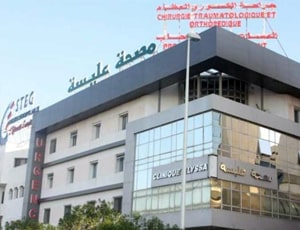
Clinic Alyssa is a trusted healthcare provider for TLIF, offering specialized lumbar fusion procedures supported by experienced spine surgeons and advanced medical infrastructure. Established in 2015, the accredited hospital is situated in Tunis, Tunisia and has 80 beds.
TLIF is designed to stabilize an unstable lumbar spinal segment while promoting fusion between adjacent vertebrae. It may be used in carefully selected cases of degenerative disc disease, spondylolisthesis, spinal stenosis with instability, or recurrent disc-related problems. The surgeon removes the problematic disc through a transforaminal route and inserts an interbody spacer into the disc space. Bone graft material supports the formation of new bone between the vertebrae, while fixation hardware provides immediate stability.
Manipal Hospital, Dwarka provides specialized TLIF with a focus on spinal stabilization, nerve decompression when required, and individualized surgical care. Established in 2018, the NABH accredited hospital is located in Delhi, India and operates 380 beds with modern spine-care infrastructure.
TLIF (Transforaminal Lumbar Interbody Fusion) is a lumbar spine procedure that combines disc removal, interbody fusion, and spinal fixation. It can be used for selected patients with conditions that cause instability or significant symptoms, particularly when conservative treatment has not provided adequate relief. The surgeon approaches the affected disc through the back and one side of the spine, removes the damaged disc, and places an interbody implant with bone graft material. Pedicle screws and connecting rods may be used to stabilize the treated levels while the bone fusion develops. Pre-operative imaging and neurological assessment help determine the appropriate surgical plan.
Guven Hospital provides specialized TLIF with a focus on spinal stabilization, nerve decompression when required, and individualized surgical care. Established in 1975, the GHA accredited hospital is located in Ankara, Turkey and operates 254 beds with modern spine-care infrastructure.
TLIF (Transforaminal Lumbar Interbody Fusion) is a lumbar spine procedure that combines disc removal, interbody fusion, and spinal fixation. It can be used for selected patients with conditions that cause instability or significant symptoms, particularly when conservative treatment has not provided adequate relief. The surgeon approaches the affected disc through the back and one side of the spine, removes the damaged disc, and places an interbody implant with bone graft material. Pedicle screws and connecting rods may be used to stabilize the treated levels while the bone fusion develops. Pre-operative imaging and neurological assessment help determine the appropriate surgical plan.
Dr. Rela Institute and Medical Centre provides specialized TLIF with a focus on spinal stabilization, nerve decompression when required, and individualized surgical care. Established in 2018, the NABH, NABL accredited hospital is located in Chennai, India and operates 450 beds with modern spine-care infrastructure.
TLIF (Transforaminal Lumbar Interbody Fusion) is a lumbar spine procedure that combines disc removal, interbody fusion, and spinal fixation. It can be used for selected patients with conditions that cause instability or significant symptoms, particularly when conservative treatment has not provided adequate relief. The surgeon approaches the affected disc through the back and one side of the spine, removes the damaged disc, and places an interbody implant with bone graft material. Pedicle screws and connecting rods may be used to stabilize the treated levels while the bone fusion develops. Pre-operative imaging and neurological assessment help determine the appropriate surgical plan.
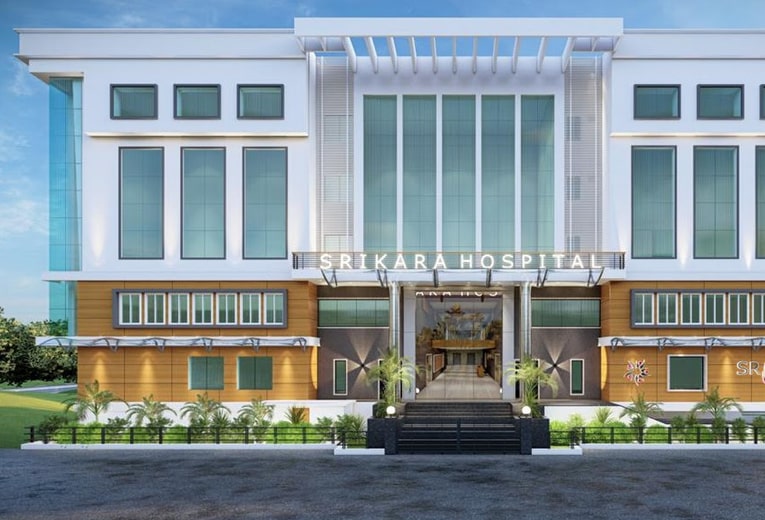
Srikara Hospital, RTC Cross Roads provides specialized TLIF with a focus on spinal stabilization, nerve decompression when required, and individualized surgical care. Established in 2013, the NABH accredited hospital is located in Hyderabad, India and operates 120 beds with modern spine-care infrastructure.
TLIF (Transforaminal Lumbar Interbody Fusion) is a lumbar spine procedure that combines disc removal, interbody fusion, and spinal fixation. It can be used for selected patients with conditions that cause instability or significant symptoms, particularly when conservative treatment has not provided adequate relief. The surgeon approaches the affected disc through the back and one side of the spine, removes the damaged disc, and places an interbody implant with bone graft material. Pedicle screws and connecting rods may be used to stabilize the treated levels while the bone fusion develops. Pre-operative imaging and neurological assessment help determine the appropriate surgical plan.
Vinmec Phu Quoc Hospital offers advanced TLIF (Transforaminal Lumbar Interbody Fusion) using modern spinal surgery techniques and individualized treatment protocols. Established in 2015, the JCI accredited hospital is located in Phu Quoc, Vietnam and has 150 beds, providing comprehensive spine care for local and international patients.
TLIF is a surgical technique used to stabilize the lumbar spine and treat selected conditions involving damaged discs or spinal instability. During the procedure, the surgeon approaches the spine from the back through one side, removes the affected intervertebral disc, and places a bone graft or interbody cage into the disc space. Screws and rods are generally used to provide additional stability while the vertebrae fuse. TLIF may be considered for conditions such as spondylolisthesis, recurrent disc problems, or degenerative spinal disease.
Vinmec Times City provides specialized TLIF with a focus on spinal stabilization, nerve decompression when required, and individualized surgical care. Established in 2012, the JCI accredited hospital is located in Ha noi, Vietnam and operates 500 beds with modern spine-care infrastructure.
TLIF (Transforaminal Lumbar Interbody Fusion) is a lumbar spine procedure that combines disc removal, interbody fusion, and spinal fixation. It can be used for selected patients with conditions that cause instability or significant symptoms, particularly when conservative treatment has not provided adequate relief. The surgeon approaches the affected disc through the back and one side of the spine, removes the damaged disc, and places an interbody implant with bone graft material. Pedicle screws and connecting rods may be used to stabilize the treated levels while the bone fusion develops. Pre-operative imaging and neurological assessment help determine the appropriate surgical plan.
At Casa di Cura La Madonnina, TLIF is performed using advanced spinal implants, surgical navigation, and personalized treatment planning. Established in 1958, this SSN accredited hospital in milan, Italy has 560 beds and offers comprehensive orthopedic and neurosurgical services.
TLIF may be recommended for selected patients with lumbar spinal instability, persistent pain, or nerve compression associated with structural spinal disorders. Through a posterior approach, the surgeon accesses the affected disc space from one side, removes the damaged disc material, and inserts an implant containing bone graft material. The procedure can also allow the surgeon to decompress affected nerve roots when necessary. Instrumentation such as pedicle screws and rods helps maintain spinal alignment during the fusion process.
Choosing Yashoda Hospital, Malakpet for TLIF gives patients access to experienced spine specialists, advanced surgical technology, and comprehensive post-operative care. Established in 1989, the NABH, NABL accredited hospital in Hyderabad, India has 404 beds and provides specialized spinal treatment.
TLIF may be considered when lumbar pain or neurological symptoms are associated with a spinal segment that requires stabilization and decompression. The procedure is performed from the posterior side of the spine, with access to the disc space through the neural foramen. After the damaged disc is removed, a cage or spacer containing bone graft is inserted to restore disc-space height and support fusion. Screws and rods are typically placed across the affected vertebrae, and post-operative rehabilitation is planned according to the patient's recovery.
Ruby Hall Clinic provides specialized TLIF with a focus on spinal stabilization, nerve decompression when required, and individualized surgical care. Established in 1959, the NABH, NABL accredited hospital is located in Pune, India and operates 600 beds with modern spine-care infrastructure.
TLIF (Transforaminal Lumbar Interbody Fusion) is a lumbar spine procedure that combines disc removal, interbody fusion, and spinal fixation. It can be used for selected patients with conditions that cause instability or significant symptoms, particularly when conservative treatment has not provided adequate relief. The surgeon approaches the affected disc through the back and one side of the spine, removes the damaged disc, and places an interbody implant with bone graft material. Pedicle screws and connecting rods may be used to stabilize the treated levels while the bone fusion develops. Pre-operative imaging and neurological assessment help determine the appropriate surgical plan.
Choosing Assuta Hospital for TLIF gives patients access to experienced spine specialists, advanced surgical technology, and comprehensive post-operative care. Established in 1934, the JCI accredited hospital in Tel Aviv, Israel has 300 beds and provides specialized spinal treatment.
TLIF may be considered when lumbar pain or neurological symptoms are associated with a spinal segment that requires stabilization and decompression. The procedure is performed from the posterior side of the spine, with access to the disc space through the neural foramen. After the damaged disc is removed, a cage or spacer containing bone graft is inserted to restore disc-space height and support fusion. Screws and rods are typically placed across the affected vertebrae, and post-operative rehabilitation is planned according to the patient's recovery.
Choosing Kalra Hospital for TLIF gives patients access to experienced spine specialists, advanced surgical technology, and comprehensive post-operative care. Established in 1987, the NABH accredited hospital in Delhi, India has 110 beds and provides specialized spinal treatment.
TLIF may be considered when lumbar pain or neurological symptoms are associated with a spinal segment that requires stabilization and decompression. The procedure is performed from the posterior side of the spine, with access to the disc space through the neural foramen. After the damaged disc is removed, a cage or spacer containing bone graft is inserted to restore disc-space height and support fusion. Screws and rods are typically placed across the affected vertebrae, and post-operative rehabilitation is planned according to the patient's recovery.
Indian Spinal Injuries Centre provides specialized TLIF with a focus on spinal stabilization, nerve decompression when required, and individualized surgical care. Established in 1997, the NABH, NABL accredited hospital is located in Delhi, India and operates 200 beds with modern spine-care infrastructure.
TLIF (Transforaminal Lumbar Interbody Fusion) is a lumbar spine procedure that combines disc removal, interbody fusion, and spinal fixation. It can be used for selected patients with conditions that cause instability or significant symptoms, particularly when conservative treatment has not provided adequate relief. The surgeon approaches the affected disc through the back and one side of the spine, removes the damaged disc, and places an interbody implant with bone graft material. Pedicle screws and connecting rods may be used to stabilize the treated levels while the bone fusion develops. Pre-operative imaging and neurological assessment help determine the appropriate surgical plan.
Anadolu Medical Center is a trusted healthcare provider for TLIF, offering specialized lumbar fusion procedures supported by experienced spine surgeons and advanced medical infrastructure. Established in 2005, the JCI, ISO accredited hospital is situated in Kocaeli, Turkey and has 268 beds.
TLIF is designed to stabilize an unstable lumbar spinal segment while promoting fusion between adjacent vertebrae. It may be used in carefully selected cases of degenerative disc disease, spondylolisthesis, spinal stenosis with instability, or recurrent disc-related problems. The surgeon removes the problematic disc through a transforaminal route and inserts an interbody spacer into the disc space. Bone graft material supports the formation of new bone between the vertebrae, while fixation hardware provides immediate stability.
I.A.U VM Medical Park Florya Hospital provides specialized TLIF with a focus on spinal stabilization, nerve decompression when required, and individualized surgical care. Established in 2017, the JCI accredited hospital is located in Istanbul, Turkey and operates 300 beds with modern spine-care infrastructure.
TLIF (Transforaminal Lumbar Interbody Fusion) is a lumbar spine procedure that combines disc removal, interbody fusion, and spinal fixation. It can be used for selected patients with conditions that cause instability or significant symptoms, particularly when conservative treatment has not provided adequate relief. The surgeon approaches the affected disc through the back and one side of the spine, removes the damaged disc, and places an interbody implant with bone graft material. Pedicle screws and connecting rods may be used to stabilize the treated levels while the bone fusion develops. Pre-operative imaging and neurological assessment help determine the appropriate surgical plan.
| Speciality | Orthopedics |
| Procedure | TLIF |
| Success Rate | 85-95% |
| Recovery Time | 2-4 months |
| Treatment Time | 2-3 hours |
| Chances of Recurrence | Low |
Transforaminal Lumbar Interbody Fusion (TLIF) is a surgical procedure used to treat certain spinal conditions affecting the lumbar (lower) region of the spine. The surgeon enters the spine from the side during TLIF to remove damaged disc material and insert bone grafts into the intervertebral space. This promotes vertebral fusion, which stabilizes the spine and relieves nerve pressure.
Medical conditions that can be treated through TLIF include degenerative disc disease, herniated discs, spinal stenosis, and spondylolisthesis.
After a TLIF, the recovery process includes a few days in the hospital to monitor healing and manage pain. To regain strength and flexibility, patients will gradually resume light activities and physical therapy. A back brace may be used at first to support the spine during the healing process. The total recovery time varies, but it usually takes several months for the bone to fuse completely. Following postoperative instructions is extremely important for a quick recovery.