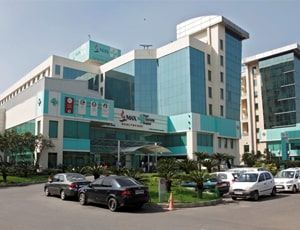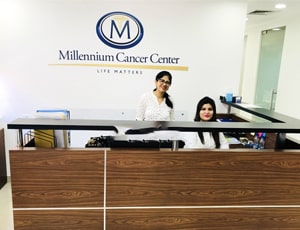

The Neurology Department at Millennium Cancer Centre in India diagnoses and manages brain, spinal cord, nerve, and muscle disorders. These include epilepsy, stroke, multiple sclerosis, Parkinson's disease, Alzheimer's disease, migraines, and neuropathies. Neurologists apply EEG, EMG, MRI, and CT scan diagnostic techniques. Comprehensive stroke units also provide early intervention and rehabilitation.
Specialities are also typically offered for headaches, movement disorders, and cognitive impairment. Nerve stimulation, infusion therapies, and immunomodulation are newer therapies. Neurology care is integrated with neurosurgeons, physiotherapists, psychologists, and speech therapists to provide comprehensive management in India. Management is through medications, lifestyle modification, neurorehabilitation, and even surgery where indicated.

The Neurology Department at Max Super Speciality Hospital (Patparganj) in India diagnoses and manages brain, spinal cord, nerve, and muscle disorders. Diseases that fall under this category include epilepsy, stroke, multiple sclerosis, Parkinson's disease, Alzheimer's disease, migraines, and neuropathies. Neurologists apply EEG, EMG, MRI, and CT scan diagnostic techniques. Comprehensive stroke units also provide early intervention and rehabilitation.
It offers treatment for headaches, movement disorders, and cognitive impairment. Neurology care is integrated with neurosurgeons, physiotherapists, psychologists, and speech therapists to provide comprehensive management in India. Management is through medications, lifestyle modification, neurorehabilitation, and even surgery where indicated. Nerve stimulation, infusion therapies, and immunomodulation are newer therapies added.

The Neurology Department at Srikara Hospitals in India treats brain, spinal cord, and nervous system diseases. Neurologists also diagnose and provide treatment for conditions such as epilepsy, stroke, Parkinson's disease, multiple sclerosis, Alzheimer's disease, headaches, neuropathy, and movement disorders. Neurologists use diagnostic modalities like MRI, CT scan, EEG, and nerve conduction studies to evaluate brain and nerve function.
Emergency neurological service is crucial during acute stroke and traumatic brain injury. Long-term management involves drug therapy, physiotherapy, occupational therapy, and speech therapy. Subspecialties such as pediatric neurology, neuroimmunology, and neurocritical care enable focused treatment in India. The department also manages sleep disorders, dizziness, and balance problems.


The Neurology Department at Tx Hospitals Banjara Hills in India treats brain, spinal cord, and nervous system diseases. Neurologists also diagnose and provide treatment for conditions such as epilepsy, stroke, Parkinson's disease, multiple sclerosis, Alzheimer's disease, headaches, neuropathy, and movement disorders. Neurologists use diagnostic modalities like MRI, CT scan, EEG, and nerve conduction studies to evaluate brain and nerve function.
Emergency neurological service is crucial during acute stroke and traumatic brain injury. Long-term management involves drug therapy, physiotherapy, occupational therapy, and speech therapy. Subspecialties such as pediatric neurology, neuroimmunology, and neurocritical care enable focused treatment in India. The department also manages sleep disorders, dizziness, and balance problems.

Sharda Hospital offers comprehensive neurology treatment with advanced diagnostic and therapeutic services for various neurological disorders in India. The department of neurology is equipped with advanced technology for managing stroke, epilepsy, Parkinson’s disease, multiple sclerosis, headaches, and neuromuscular conditions. A multidisciplinary team of neurologists, neurosurgeons, and rehabilitation specialists ensures personalised care in India. Services include EEG, EMG, nerve conduction studies, neuroimaging, and neurorehabilitation. Emergency care for stroke and seizures is available 24/7, with dedicated stroke units and intensive care support. The hospital in India emphasises early diagnosis, advanced intervention, and continuous patient support to enhance recovery and improve quality of life for neurological patients.
It is NABL and NABH-accredited, upholding global standards in healthcare.

The Neurology Department at Fortis Hospital Mohali in India diagnoses and manages brain, spinal cord, nerve, and muscle disorders. Diseases that fall under this category include epilepsy, stroke, multiple sclerosis, Parkinson's disease, Alzheimer's disease, migraines, and neuropathies. Neurologists apply EEG, EMG, MRI, and CT scan diagnostic techniques. Comprehensive stroke units also provide early intervention and rehabilitation.
It offers treatment for headaches, movement disorders, and cognitive impairment. Neurology care is integrated with neurosurgeons, physiotherapists, psychologists, and speech therapists to provide comprehensive management in India. Management is through medications, lifestyle modification, neurorehabilitation, and even surgery where indicated. Nerve stimulation, infusion therapies, and immunomodulation are newer therapies added.


The Neurology Department at Medeor Hospital in India specialises in treating diseases affecting the brain, spinal cord, and nervous system. Neurologists also diagnose and provide treatment for conditions such as epilepsy, stroke, Parkinson's disease, multiple sclerosis, Alzheimer's disease, headaches, neuropathy, and movement disorders. Neurologists utilise diagnostic modalities such as MRI, CT scan, EEG, and nerve conduction studies to assess brain and nerve function.
Emergency neurological service is crucial during acute stroke and traumatic brain injury. Long-term management involves physiotherapy, occupational therapy, and speech therapy. Subspecialties such as pediatric neurology, neuroimmunology, and neurocritical care enable focused treatment in India. The neurology department also manages sleep disorders, dizziness, and balance problems.
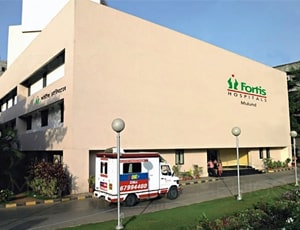
The Neurology Department at Asian Institute of Medical Sciences in India offers treatment for brain, spinal cord, and nervous system diseases. Neurologists also diagnose and provide treatment for conditions such as epilepsy, stroke, Parkinson's disease, multiple sclerosis, Alzheimer's disease, headaches, neuropathy, and movement disorders. Neurologists utilise diagnostic modalities such as MRI, CT scans, EEGs, and nerve conduction studies to assess brain and nerve function.
Emergency neurological service is crucial during acute stroke and traumatic brain injury. Long-term management involves a combination of medication therapy, physiotherapy, occupational therapy, and speech therapy. Subspecialties such as pediatric neurology, neuroimmunology, and neurocritical care enable focused treatment in India.

In India, Fortis Hospital is one of the leading medical institutions, famous for its quality in neurology and neuroscience. The hospital's Department of Neurology diagnoses and treats many neurological issues, including stroke, epilepsy, Parkinson's disease, multiple sclerosis, and neuromuscular disorders, using the latest technology.
Fortis is considered to be one of India's best neurology centres. It has advanced neuroimaging, neurocritical care units, and an experienced team of neurologists and neurosurgeons. The hospital is famous for offering personalised care, modern treatment methodologies, and a multispecialty approach, which attracts patients from across India and internationally.


In India, Max Super Speciality Hospital is one of the leading medical institutions, famous for its quality in neurology and neuroscience. The hospital's Department of Neurology diagnoses and treats many neurological issues, including stroke, epilepsy, Parkinson's disease, multiple sclerosis, and neuromuscular disorders, using the latest technology.
Max is considered to be one of India's best neurology centres. It has advanced neuroimaging, neurocritical care units, and an experienced team of neurologists and neurosurgeons. The hospital is famous for offering personalised care, modern treatment methodologies, and a multispecialty approach, which attracts patients from across India and internationally.
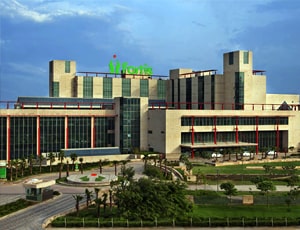
In India, Manipal Hospital is one of the leading medical institutions, famous for its quality in neurology and neuroscience. The hospital's Department of Neurology diagnoses and treats many neurological issues, including stroke, epilepsy, Parkinson's disease, multiple sclerosis, and neuromuscular disorders, using the latest technology.
Manipal is considered to be one of India's best neurology centres. It has advanced neuroimaging, neurocritical care units, and an experienced team of neurologists and neurosurgeons. The hospital is famous for offering personalised care, modern treatment methodologies, and a multispecialty approach, which attracts patients from across India and internationally.
Ask your healthcare adviser for the best multiple options and choose the one that meets your expectations

"Special brain and nerve hospitals help people in really cool ways. Doctors there can do simple tests like a 'backwater check' (lumbar puncture) to find problems, or put in a tiny 'calming button' (vagal nerve stimulator) to stop seizures. They help fix curved spines (scoliosis surgery) and perform 'tunnel operations' (laminectomy) to relieve pressure on nerves.
These places have amazing machines that take pictures of your brain, kind doctors who explain everything clearly, and fun therapists who make exercises feel like playtime. Even after you leave, your doctor can still check in with you through video chats, just like when you talk to grandparents on a tablet. Everything is designed to make treatment comfortable and not scary at all.”
Here are some simple reasons why you should go to a Neurology hospital in India:
Leading Neurology hospitals in India provide exceptional care to international patients, ensuring a seamless and comfortable experience. These dedicated services include:
| Doctor Name | Cost | Book Appointment |
|---|---|---|
| Dr. Ritu Jha | 23 USD | Book Now |
| Dr. Vikas Bhardwaj | 32 USD | Book Now |
| Dr. Saumya H Mittal | 30 USD | Book Now |
| Dr. Sonal Gupta | 35 USD | Book Now |
| Dr. Manish Vaish | 30 USD | Book Now |
.png)
Back pain, sciatica, numbness, or weakness in the legs are more than symptoms; they are barriers to work, family life, and joy. For many patients with spinal stenosis, herniated discs, or nerve compression, a laminectomy can provide dramatic relief.
In India, Healthcare organisations are subject to two accreditation criteria:
India is home to several multispecialty care hospitals that offer first-class care; many of these are reputed for their facilities and the staff's skill set for neurological surgery. Some of the hospitals are:
The following essential factors define the top Neurological hospital in every India:
There are several reasons for selecting Indian healthcare, especially for international patients seeking high-quality, affordable treatment. India is a popular medical tourism destination for the main reasons listed below:
When selecting a Neurology surgery hospital in India, consider the following factors:
Hospitals in India that specialise in neurology have the following services aimed at helping international patients. Some of the key services available include:
Neurology hospitals in India offer patients complete preoperative and post-operative care with neurological treatments.
Pre-operative Care
Post-operative Care:
Neurosurgery is nerve system surgery, the medical speciality that focuses on the surgical treatment or rehabilitation of disorders that affect any part of the nervous system, including the brain, spinal cord, peripheral nervous system, and cerebrovascular system is called neurosurgery or neurological surgery, commonly called brain surgery.
Some of the diagnostic services available at the Neurology Hospital are mentioned below:
Many physicians in India are highly calibre since they have obtained international training and education from reputable medical institutions. Because they are highly qualified and offer specialised expertise in several fields, they can satisfy worldwide care requirements. By participating in workshops and international conferences, they maintain professionalism and remain current on the latest discoveries. India is home to several globally recognised medical professionals.
The duration of stay in a hospital for neurology treatments varies depending on the kind of neurological condition, complexity of the procedure, and general health of the patient. A general breakdown follows: Typically, 1-3 days for minor procedures, Generally 5-7 days for major surgeries, with some patients requiring extended stays based on recovery progress or complications.
There are some of the latest Neurological treatment methods available at the hospital:
The popular procedures performed in India are regularly upgraded with the increasing medical and surgical advancements.
The other healthcare accreditation is the Joint Commission International, it is a not-for-profit organization that has given certification to numerous healthcare institutions in India and abroad. Accreditation to healthcare providers is given by two bodies in India. The first one is National Accreditation Board for Hospitals & Healthcare Providers (NABH). National Accreditation Board for Hospitals & Healthcare Providers is a much vied for accreditation standard by healthcare providers.
India has the best multispecialty hospitals that offer world-class medical treatment at an affordable cost. All kinds of surgeries are offered at these multispecialty hospitals. We list here some of the best multispecialty hospitals in India and they are Fortis Hospital, Noida, Indraprastha Apollo Hospital Delhi, Nanavati Hospital, Mumbai, Max Super Specialty Hospital, Dehi, Medanta Medicity Hospital, Gurgaon, BLK Super Specialty Hospital, Delhi. The hospitals are providing the general medical needs with the specialties.
India is known for providing quality healthcare service at an affordable cost. Indian pool of qualified doctors are highly professional, extremely competent and provide treatment with precision and accuracy. There are several important factors that make India the most favored destination for medical travelers the world over like ease of communication, ease of travel, visa assistance and alternative treatment availability. The high end technologies that are at par with the western world and Indian hospitals' overall health standards are equivalent to the western world.
The doctors and surgeons in India provide you with the best of medical care and you feel right at home under their care. Skill and application of that skill with precision ensures that Indian doctors are considered proficient in their work. No matter what new healthcare challenges are present before them, the doctors in India face and overcome them with a lot of confidence. Indian medical fraternity boasts of being an alumni of the best educational institutions in the world.
Making a list of all the essential things you might need and checking them before leaving the house will ensure your trip gets off to a good start. When you are traveling to another country, the most important thing is packing. Your trip to India as a medical traveller will go smoothly if you ensure that all your documents are in place such as medical history, test reports, records, doctor referral notes, passport copies, residence/driver's license/bank statement/health insurance details, if any. It is essential that you make sure your documents are aligned with your destination country.
Heart surgeries, orthopaedic procedures, organ transplants and cancer treatment are on a growth path in India because of the exceptionally good doctors and the lower cost of surgery and treatments. The steep rise in the number of popular procedures performed regularly in India is also because of a number of good hospitals and related healthcare facilities. The positive evolution towards increasingly advanced techniques and technologies has lead to a steady upgradation in the popular procedures performed in India. Pacemaker Implantation Robotic Heart Surgery Coronary Heart Disease Treatment Coronary Angioplasty Bariatric Surgery Chemotherapy Ankle Replacement Kidney Transplant Valvular Heart Surgery Knee Replacement Surgery Bone Marrow Transplant Lung Transplant Thoracic Surgery LVAD Implantation Meniscus Repair Surgery CT Coronary Angiogram Hand Surgery Heart Blockage Treatment Hip Resurfacing Surgery Interventional Cardiography, Angioplasty Cochlear Implant
Vaccinations and up-to-date immunizations are important for any international travel. Please remain updated with the travel advisory issued by the Government of India or remain in touch with the hospital in India to get complete information on vaccination guidelines. Even those medical tourists coming to India must get it done. Your India visit would be safer if you have vaccinated yourself with hepatitis A, hepatitis B, Covid, typhoid fever, Japanese encephalitis, rabies, DPT, measles, yellow fever medicines.
The hospitals are dedicated to meeting all the needs and requirements that you or your family members may have during your stay at the hospital. There are many facilities available at Indian hospitals such as room reservation, visa and embassy assistance, hotel services and apartment bookings, language interpretation services, tele-consults and pre departure evaluation. The Indian healthcare sector is capable to provide the safety and comfort that International medical travellers require. In India, the hospitals have seamlessly functioning international patient care centers that provide all kinds of assistance to medical tourists.
Affordable medical care with world-class facilities, impeccable patient care, and easily available medical visas make the country a foremost choice for international patients. Mumbai, Delhi, Kolkata, Bengaluru and Hyderabad are the leading medical tourism destinations in India. India is most definitely a medical tourism hub owing to its excellent medical services. Both the private sector and the Government of India are making sure to promote in the growth of the medical tourism sector in India and the results are for everyone to see.