Outcomes of Angioplasty
| Speciality | Cardiac Sciences |
| Procedure | Angioplasty |
| Success Rate | 90-95% |
| Recovery Time | 1 Day |
| Treatment Time | 30 mins - 2 hours |
| Chances of Recurrence | 10-15% |
What is an Angioplasty, and how does it work?
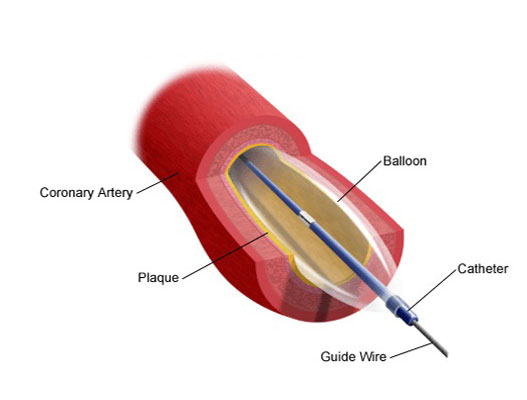
Angioplasty, also known as percutaneous intervention, is a procedure that is used to open blocked arteries. Angioplasty involves inserting a tiny balloon catheter into a narrowed blood vessel to help widen it and improve blood flow to the heart. Angioplasty is frequently combined with the implantation of a small wire mesh tube known as a stent. The stent keeps the artery open, reducing the likelihood of it narrowing again. The majority of stents are drug-coated to help keep the artery open.
What medical conditions can be treated through Angioplasty?
Angioplasty is the most common procedure performed to open blockages in the coronary arteries; however, it might also be performed to open narrowed or blocked arteries in other parts of the body, including the neck, arms, legs, kidney, and pelvis. The procedure is performed to treat medical conditions that might occur due to blockages in the blood supply of one or more arteries. This procedure can improve symptoms like chest pain and shortness of breath and may be used as an emergency procedure in the case of a heart attack to save the heart from damage due to reduced blood flow. Angioplasty is commonly performed to treat the following conditions:
- Coronary artery disease
- Atherosclerosis
- Peripheral artery disease
- Carotid artery disease
- Chronic kidney disease
What is the recovery process after an Angioplasty?
The recovery process after the procedure usually takes a few days. Your care provider will remove the catheter and apply bandages to the opening on the skin. The site may be sore or bruised for a few days afterward. The patient can feel a little discomfort for several hours following the procedure. Your doctor will prescribe medications and adequate guidelines for rest. Follow-up sessions are recommended to ensure proper recovery and healing. The first 24 hours after the procedure require the most care. Overall, a complete recovery may take 2-6 days.


.jpg)
.png)
