Radial vs. Femoral Angioplasty: Pros, Cons & Recovery Times
Published: Jul 20, 2026
Updated: Jul 20, 2026

Published: Jul 20, 2026
Updated: Jul 20, 2026
Angioplasty is a minimally invasive surgical procedure that opens narrowed or blocked arteries, restoring blood flow to the heart. Angioplasty commonly involves placing a stent to keep the artery open. The basic principle of angioplasty remains the same regardless of the method used to access the artery; however, there are two main access points for angioplasty: radial (wrist) and femoral (groin) access. The access point is determined by the patient's anatomy, medical condition, and the treating cardiologist's preference. Knowing the differences between radial and femoral angioplasty can help prospective patients understand what to expect during and after the procedure.
Radial angioplasty is the access through the radial artery in the wrist. Radial access is gaining popularity amongst operators in recent years due to its patient-friendliness and quicker recovery times. Since the wrist is more user-friendly and easier to compress post-procedure, the overall risk of significant bleeding is usually less compared to femoral access.
During the procedure, a local anesthetic is administered to the wrist, and a small incision is made to insert the catheter. Once the balloon or stent is positioned in the blocked artery,
After the procedure, a compression band is applied over the wrist to minimise bleeding. Patients are generally able to sit up very quickly and sometimes walk soon after the procedure.
The radial artery, as discussed, has several benefits that make it attractive to patients and doctors:

Consult an Experienced Angioplasty Specialist
Connect with experienced interventional cardiologists to understand the best treatment approach
While radial angioplasty has numerous advantages, there are also some drawbacks:
Femoral angioplasty is the standard means of accessing the arteries supplying the heart through the femoral artery above the thigh and groin. This method has been in place for several decades. It is often the default or preferred method of access in various situations, such as when larger catheters are required and/or when the patient's radial artery is small, unsuitable for catheterisation, or somewhat compromised.
In this method, the patient lies flat on the table, and the cardiologist makes a small puncture in the groin to access the femoral artery. The subsequent steps precisely follow those in the transradial model. In this case, a guide sheath will be inserted to facilitate the delivery of the catheter into the coronary arteries. Afterwards, either manual pressure or a closure device is used to minimise bleeding, and in some instances, the patient may be awakened before application. Recovery requires the patient to lie flat for hours to ensure that there are no circulatory or other complications.
Femoral angioplasty holds some significant advantages, particularly in specific medical contexts:
There are some potential cons of femoral angioplasty that the patient should be aware of:
The most noticeable difference between radial angioplasty and femoral angioplasty is the recovery time.
With radial angioplasty, the patient can typically immediately move their arm and sit up. The Freedom of movement is incredible. Most patients can be discharged within hours and return to their normal lifestyle within 24 to 48 hours, depending on the complexity of the procedure.
In femoral angioplasty, patients must lie flat for 4 to 6 hours to decrease any potential bleeding at the puncture site in the groin. Walking is not resumed until the sheath is removed and the wound site is stable. It may take patients a couple of days to return to their usual activity. This difference in recovery timeframes is part of the reason radial access has gained increased usage in elective cases.
During angioplasty, patients most commonly report low pain levels, as local anaesthetic and mild sedation are used. However, post-procedure comfort at home is variable between the two access methods. Radial patients usually report little discomfort aside from slightly sore wrists.
Femoral patients may experience tenderness in the groin region and stiffness due to prolonged periods of lying flat on their backs. Patients who live with chronic back pain often report that radial access is generally more comfortable.
Clinical studies have demonstrated that long-term outcomes for both radial and femoral access procedures yield comparable results in terms of arterial patency, prevention of heart attacks, and survival rates, provided the procedure is successful and complication-free. Therefore, the choice of access type has little effect on long-term outcomes of the stent or balloon, but it can affect the short-term experience of the recovery period and complication rates.
Choosing radial vs femoral angioplasty is based on multiple factors:
Explore the cost of angioplasty, compare leading heart hospitals, and find internationally accredited cardiac centers offering advanced radial and femoral angioplasty with transparent pricing and personalized treatment plans.

Trusted by 100000+ patients and leading medical experts.
For either type of angioplasty, a rigorous preoperative workup is required. This includes blood work, an ECG, possible imaging, fasting overnight, and managing medications such as blood thinners. For radial access, wearing a loose sleeve is appropriate. For femoral access, you should not shave or use cream in the groin area.
Report any unusual symptoms like chest pain, severe swelling, or too much bleeding.
Attend follow-up visits to ensure the appropriate recovery and management of heart disease issues.
Angioplasty is not a cure for heart disease. Heart disease examines the underlying process of atherosclerosis, which involves the hardening of the arteries. Lifestyle modifications are a crucial component of achieving long-term success. Angioplasty patients must:
Both radial and femoral angioplasty are effective life-saving options in the treatment of blocked heart arteries. In many other suitable elective cases, radial offers quicker recovery, greater comfort, and less bleeding than femoral; however, femoral is still necessary in complex patients or in cases where radial access is difficult.
The method preference should be made with care, following an honest conversation with the cardiologist about the patient's specific health condition, anatomy, and desired treatment plan. With appropriate planning, good technique, and a robust strategy for care in recovery, both methods offer patients excellent opportunities for recovery and a return to a healthier, more active lifestyle.

Tanya Bose is a medical content specialist with a strong medical background. She has completed her Bachelor's and Master’s in Biotechnology from Amity University. With a deep understanding of biomedical sciences and research, she develops authoritative and patient-focused medical content covering treatments, surgical procedures, and healthcare innovations. Her writing emphasizes accuracy, clarity, and evidence-based information to help readers better understand complex medical topics. She is dedicated to improving patient awareness and supporting informed healthcare decisions by delivering trustworthy medical insights in a clear and accessible format.

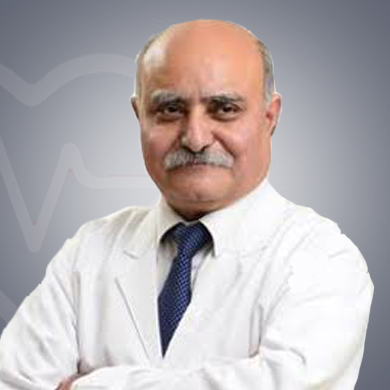
Dr. Naresh Kumar Goyal is highly trained as a cardiologist with exposure in virtually all aspects of cardiology. He qualified with an MD in internal medicine in 1999 from SMS Medical College, Jaipur, and served in the Cardiology Department as an honorary resident. From this stage, he also started with training in the temporary pacing of the pacemaker as well as interventional services.



Delhi, India

Istanbul, Turkey

Istanbul, Turkey

Istanbul, Turkey
 Active


 Surgery.jpg)

.jpg)


.jpg)