Your Notifications
All done, no notifications

Stem Cell Therapy Cost in Malaysia

Costs starts from USD20000 to USD35000
Filters

How Much Does Stem Cell Therapy Cost in Malaysia?

The cost of Stem Cell Therapy in Malaysia is USD 20000 - USD 35000

However, this cost can vary depending on several factors, including the type and severity of the condition, treatment techniques chosen, the healthcare facility's location and reputation, the treating professionals' experience and specialisation, and the patient's overall health status.

Additionally, factors like the duration of treatment, the need for follow-up care, and the use of advanced technologies or specialised treatments can further influence the overall cost.

Factors Influencing the Cost of Stem Cell Therapy:

Stem cell treatment, sometimes called regenerative medicine, uses stem cells or their derivatives to encourage the healing response of damaged, sick, or dysfunctional tissue. It is the next phase of organ transplantation, and cells are substituted for the few donor organs.

Scientists cultivate stem cells in the lab. These stem cells can be specialised into different cell types, such as neurons, blood cells, or heart muscle cells.

After that, the individual can receive an implant of the specific cells. For instance, if the patient has cardiac problems, the cells might be injected into the heart muscle. After the transplant, the healthy heart muscle cells may help heal the damaged heart muscle.

Cost of Stem Cell Therapy in Major Cities of Malaysia

CityMinimum Cost (USD)Minimum Cost (MYR)Maximum Cost (USD)Maximum Cost (MYR)
Kuala LumpurUSD 2000084800USD 35000148400

Stem Cell Therapy Cost : A Global Comparison

CountryMinimum CostMinimum Local CurrencyMaximum CostMaximum Local Currency
IndiaUSD 18000INR 1541520USD 36000INR 3083040
LithuaniaUSD 5000LTL 17104USD 30000LTL 102621
MalaysiaUSD 20000MYR 84800USD 35000MYR 148400
SingaporeUSD 5000SGD 6450USD 50000SGD 64500
TurkeyUSD 15000TRY 585900USD 25000TRY 976500
United KingdomUSD 2600GBP 1924USD 65000GBP 48100

Need Help Planning Your Treatment Abroad?

Your 24/7 AI Health Assistant

Two significant features set stem cells apart from other types of cells. They can proliferate spontaneously into new cells. That is, they renew themselves. And through a process called differentiation, they can develop into other types of cells with distinct functions. Almost all tissues in the body include stem cells. Additionally, they are required for both tissue maintenance and post-injury repair.

The stem cells can differentiate into various tissues depending on where they are located. Hematopoietic stem cells, for instance, are found in the bone marrow and can produce every type of blood cell. Furthermore, stem cells can develop into other cell types such as bone, muscle, brain, or heart cells.

Various types of stem cells exist. The most adaptable stem cells are embryonic stem cells since they can differentiate into any type of fetal cell. Most stem cells in the body are mostly found in tissues and organs, where they may only aid in tissue and organ maintenance and repair. They are less capable of proliferating into new cells. No other body cell possesses an inherent ability to differentiate into new cell types.

What are the different types of Stem cells?

  • Adult stem cells: Small amounts of these stem cells can be detected in most adult organs, including fat and bone marrow. Adult stem cells are less able to differentiate into different bodily cells than embryonic stem cells.
  • Embryonic stem cells: These stem cells are derived from 3–5-day-old embryos. Approximately 150 cells make up a blastocyst, the term for this stage of the embryo. Because they are pluripotent, they can differentiate into multiple stem cells or any kind of cell found in the body. This makes it possible to heal or restore damaged tissue and organs using embryonic stem cells.
  • Adult cells altered to have properties of embryonic stem cells: Scientists have used genetic reprogramming to turn ordinary adult cells become stem cells. Researchers can make adult cells behave like embryonic stem cells by changing their DNA. They are called "induced pluripotent stem cells" (iPSCs). This novel approach might make it possible to use reprogrammed cells rather than embryonic stem cells and shield the newly created stem cells from the immune system's rejection.
  • Perinatal stem cells: Researchers have found stem cells in both umbilical cord blood and amniotic fluid. These stem cells can develop into specialized cells.
  • The sac that envelops and shields a developing fetus in the uterus is filled with amniotic fluid. In samples of amniotic fluid taken from pregnant men for diagnosis or treatment (a process known as amniocentesis), researchers have found stem cells in it.

What is the importance of Stem Cells?

The unique characteristics and potential uses of stem cells in research and therapy are the main reasons for their significance.

  • Regenerative medicine: During the early stages of life and growth, stem cells can differentiate into a wide variety of cell types within the body. They replenish tissues that are harmed by illness, trauma, or aging, acting as the body's healing system.
  • Understanding Development: Researchers are better able to comprehend how complex animals grow from a single cell thanks to their study of stem cells. grasp the course of illnesses and developmental disorders requires a grasp of these essential concepts.
  • Drug Testing and Screening: The safety and effectiveness of novel medications can be evaluated using stem cells. Their ability to be engineered into distinct cell types makes them a controlled model for studying diseases and testing possible remedies.
  • Potential therapy: A variety of illnesses and ailments for which there are insufficient medicines available now may be treated using stem cell therapy. Parkinson's disease, spinal cord injury, diabetes, heart disease, and other conditions are a few examples.
  • Tissue Engineering: Organs and tissues for transplantation can be created using stem cells. This may put an end to the organ shortage issue and remove the requirement for immunosuppressive medications.
  • Research Instrument: Stem cells offer a useful instrument for examining the course of illness and normal development. They make it possible for scientists to study the consequences of genetic alterations, verify theories regarding the causes of diseases, and create novel treatments.

Stem cell therapy is used to promote tissue repair and regeneration in conditions like joint disease, heart problems, and spinal cord injuries.Blood cancers are also treated with stem cell transplantation. Parkinson's and Alzheimer's disease are examples of degenerative disorders that it aids in managing.

Consult a physician if you have unexpected changes in your health, such as discomfort, breathing difficulties, or vision loss, or if your symptoms are persistent and odd.

Observe your doctor's directions for any fasting or medication adjustments in order to get ready for a procedure. Make travel arrangements if sedation is necessary, and make sure you understand the procedure details.

In stem cell therapy, autologous (derived from the patient) or allogenic (derived from a donor) stem cells are extracted and subsequently injected or transplanted into the injured area. The stem cells aid in tissue regeneration and cell replacement.

Depending on the type of treatment and the area being treated, stem cell therapy sessions usually last between 1 - 2 hours.

  • Infection at the site of transplant
  • Rejection of donor stem cells
  • Tumor formation in rare conditions if stem cells grow uncontrollably
  • Allergic reactions
  • Blood clotting or bleeding
  • Graft-versus-host disease

Stem cell therapy has the ability to treat chronic illnesses and injuries by promoting tissue regeneration and repairing damaged cells. Additionally, it may help in the restoration of function in degenerative disorders such as arthritis or spinal cord injuries.

Post-operative recovery from stem cell therapy generally involves minimal downtime. Within a few days, most patients are able to return to their regular activities, but some may feel moderate discomfort or swelling at the injection site.

Stem cell therapy has demonstrated encouraging outcomes in fields such as regenerative medicine, blood disorders, and degenerative diseases, while its success rate varies according on the condition being treated.

Would you like some help? We are available.

Get Help
Explore Hospitals ( 4 )
Stem Cell Therapy in Prince Court Medical Centre: Costs, Top Doctors, and Reviews

Kuala Lumpur, Malaysia

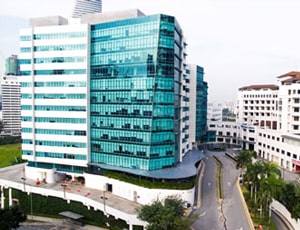
Prince Court is a private medical facility in the center of Kuala Lumpur that has 277 individual beds. Our dedication is to provide you with the best treatment possible from the time you arrive until you depart, healthier and happier. We are well-known for our top-notch facilities, cutting-edge technology, and friendly customer service.

Stem Cell Therapy in ParkCity Medical Centre: Costs, Top Doctors, and Reviews

Kuala Lumpur, Malaysia

  • Joint Commission International, or JCI

In Kuala Lumpur, Malaysia, ParkCity Medical Centre is a 300-bed, cutting-edge, interdisciplinary private hospital that provides award-winning private healthcare in an environment of lush vegetation.

Stem Cell Therapy in Subang Jaya Medical Centre: Costs, Top Doctors, and Reviews

Kuala Lumpur, Malaysia

  • Joint Commission International, or JCI

Subang Jaya Medical Center is renowned for pioneering radiation oncology treatments and infrastructure in Malaysia. The hospital also has a state-of-the-art Cancer Radiosurgery Centre (CRC), which is fully furnished with the latest medical technology for cancer detection, monitoring, and treatment.

Stem Cell Therapy in Bukit Tinggi Medical Centre: Costs, Top Doctors, and Reviews

Kuala Lumpur, Malaysia

As a tertiary care hospital, Bukit Tinggi Medical Centre (BTMC) is committed to providing high-quality, reasonably priced healthcare.

With a focus on patient care and a team of committed medical professionals and personnel, we want to realize our ambition of becoming Klang's go-to healthcare provider. Orthopedics, neurosurgery, cardiac surgery, obstetrics and gynecology, pediatrics and rehabilitation, aesthetic surgery, and other specialties are all part of our multidisciplinary team approach. Additionally, BTMC has a Health Screening Center that provides a range of health packages to meet the requirements of diverse patient types.

Need Some Advice From Our Experts?

Request a Call Back Now!

Our team of healthcare experts would be happy to assist you

trusted Patientstrusted Patients+99
Trusted by 50000+ Patients
Required | alphabets and spaces
Required | A valid, working email address
Required | A valid contact

Process Involved for Stem Cell Therapy in Malaysia

  • Preoperative Stage: The patient is evaluated comprehensively, including medical history, imaging, and genetic tests, to select the most effective stem cell therapy technique.
  • Therapy Stage: Stem cells are obtained (autologous or from a donor), processed, and then injected surgically or implanted into the patient's body, depending on the treated illness.
  • Immediate Post-Therapy Recovery: Patients may feel moderate soreness, edema, or irritation at the injection or therapy site. Monitoring for problems or side effects is essential.
  • Follow-Up Care: Regular check-ins are essential to examine the development of tissue regeneration, monitor for adverse effects, and ensure the intended therapeutic outcomes.
  • Long-Term Recovery: The regeneration process might take many months, and the patient must have regular examinations to check functional recovery or symptom improvement.
  • Osteoarthritis and joint degeneration
  • Spinal cord injuries
  • Heart disease (e.g., myocardial infarction, heart failure)
  • Neurological disorders (Parkinson’s disease, multiple sclerosis, stroke recovery)
  • Diabetes (type 1 and type 2)
  • Muscle and tendon injuries
  • Bone fractures and healing issues
  • Autoimmune diseases (e.g., Crohn’s disease, rheumatoid arthritis)
  • Individuals suffering from chronic ailments that do not react well to conventional treatments.
  • Patients with injuries or illnesses that necessitate tissue regeneration or repair.
  • Bone marrow aspiration (for autologous stem cells)
  • Immunosuppressive therapy (if necessary to reduce the risk of rejection in donor-derived stem cells)
  • Promotes tissue regeneration and enhances function.
  • Reduces pain, inflammation, and stiffness.
  • Provides healing potential for chronic illnesses with few therapeutic options.
  • Stem Cell Therapy specialist
  • Fill out the inquiry form: Fill out the form to provide us with the relevant information about your condition.
  • Consult with Our Healthcare Expert: One of our qualified specialists will contact you for a consultation.
  • Receive a Detailed Treatment Plan: After examining your situation, we will provide you with a detailed treatment plan that includes expert views and cost breakdowns for various choices.
  • Choose your preferred option: Choose the treatment option that suits you the best.

Instantly Connect with our Stem Cell Therapy Specialists

Doctor 1
Doctor 2
Doctor 3
Doctor 4
Doctor 5
Doctor 6
Doctor 7
Doctor 8
Our Services to Better your Experience

Opinion & Option

We submit the most accurate opinion and options from one or more countries for your review

Consult Privately

Consult with a certified specialist privately on our telemedicine platform even before you decide to travel

Logistics

We handle flights, visas, transfers, and accommodation—so you can focus on your health.

Recovery

Our In-house rehabilitation service packages to better your recovery and treatment outcome

Other Popular Countries for Stem Cell Therapy

Our network connects you with the leading medical tourism destinations globally, offering a wide range of cities, top doctors, and flexible pricing options.

Vietnam
Italy
Turkey
Egypt

Frequently Asked Questions

A. Many hospitals perform Stem Cell Therapy in Malaysia. Some of the most renowned hospitals for Stem Cell Therapy in Malaysia include the following:

  1. Parkway Pantai
  2. Subang Jaya Medical Centre
  3. Ara Damansara Medical Centre
  4. ParkCity Medical Centre
  5. Bukit Tinggi Medical Centre
  6. Prince Court Medical Centre
  7. Sunway Medical Centre

A. The recovery of the patient may vary, depending on several factors. However, on average, a patient is supposed to stay for about 15 days in the country after discharge. This is important to ensure that the surgery is successful. During this time, control and follow-up tests take place to check for medical fitness.

A. Apart from the Stem Cell Therapy cost, there are a few other daily charges that the patient may have to pay. These are the charges for daily meals and accommodation outside the hospital. The per day extra expenses in Malaysia per person are about USD 100 per person.

A. Stem Cell Therapy in Malaysia is offered in almost all metropolitan cities, including the following:

  • Kuala Lumpur
  • Subang Jaya
  • Shah Alam
  • Port Klang

A. Stem Cell Therapy is an OPD procedure and the patient can go home the same day. However, if there are any complications, the doctor might keep the patient under observation for 1 or more days. During the recovery, the patient is carefully monitored and control tests are performed to see that everything is okay. If required, physiotherapy sessions are also planned during recovery in the hospital.

A. There are more than 5 hospitals that offer Stem Cell Therapy in Malaysia. The above-listed clinics are approved to perform the surgery and have the proper infrastructure to handle Stem Cell Therapy patients. These hospitals comply with all the rules and regulations as dictated by the regulatory bodies and medical associations in Malaysia

A. Stem cell therapy is used to treat a variety of conditions, including:

  • Osteoarthritis and joint pain
  • Spinal disc degeneration and back pain
  • Tendon and ligament injuries
  • Sports injuries (e.g., cartilage damage)
  • Parkinson’s disease and other neurological disorders
  • Alzheimer’s disease
  • Stroke recovery and brain injury
  • Multiple sclerosis
  • Heart disease and cardiac repair
  • Diabetes (Type 1 and Type 2)
  • Chronic wounds and burns
  • Autoimmune conditions (e.g., rheumatoid arthritis)
  • Muscular dystrophy

A. Stem cell therapy is a general medical practice that uses stem cells to repair damaged tissues and treat certain diseases. Cells are special because they have the potential to be special types of cells, like muscle, nerve, or cartilage. Thus, stem cells can be useful in treating conditions where tissue repair or regeneration is necessary.

In stem cell therapy, these cells are infused or grafted into the target site of tissues to act as a patch, reduce inflammation, or promote repair and regeneration.

A. Stem cell therapy can be used to treat a wide variety of conditions, including:

  • Orthopedic and musculoskeletal diseases: Osteoarthritis, joint pain, tendon disorders, chondropathies, and protective spinal disc disorder.
  • Neurological conditions: Such as Parkinson's, Alzheimer's, spinal cord damage, and multiple sclerosis.
  • Cardiovascular diseases: Embryonic stem cells can support heart tissue repair after myocardial infarction or enhance the pump function in chronic heart failure.
  • Autoimmune disorders: These include rheumatoid arthritis and lupus, in which the immune system attacks its tissues.
  • Diabetes: Stem cells seem to have the potential to generate inspirational insulin-producing cells for patients with type 2 diabetes.
  • Skin and wound healing: For slow-healing ulcers or burns that may take long periods to heal.

A. It is important to ensure that stem cell therapy is conducted by professional practitioners under the appropriate conditions. However, all medical treatments come with risks, which may include infections, immunoreactions, or injection treatment methods.

Patients should ensure they get treatment from accredited clinics or hospitals by experienced doctors to reduce these risks. The outcomes of stem cell therapy may also vary depending on the kind of stem cells used, whether autologous or allogeneic and the disease or condition under treatment.

A. The duration it takes to get results from this kind of treatment depends on the type of disease and the patient. Most people can experience changes for the better within several weeks up to several months. Some people will feel improvement in their joint pains or musculoskeletal problems within weeks, whereas others with neurological problems may take more time.

A. The procedure for stem cell therapy generally involves the following steps:

  • Consultation: This only asks the doctor to assess whether this therapy is right for the patient with a particular illness.
  • Stem Cell Collection: When transplanting autologous stem cells, literally stem cells are collected from a patient’s body holes such as bone marrow or fatty tissue.
  • Processing: The collected stem cells are harvested in a lab to purify and facilitate them to form an injectable solution.
  • Injection/Implantation: After these have been prepared, the stem cells are administered in the parts of the body where the condition is being experienced for instance in the joints, spine, or the brain, or administer intravenous.
  • Recovery: This is usually because patients are over-observed for a certain amount of time before being discharged to their homes. Staple maintenance visits are made to monitor any improvement or otherwise.

A. While stem cell therapy is considered safe for many patients, there are potential risks and side effects, including:

  • Infection at the site of the injection
  • Anti-stem cell inflammatory reactions or immune reactions to the transplanted stem cells
  • Also known as cancer, the growth of tumors though at a limited scale, though in case the stem cells are uncontrolled.
  • It may occur due to damage or bleeding that was caused while collecting or Injecting the sample.
  • Risks inherent in the materials used during the procedure Those risks can be minimized with thorough screening from qualified personnel.

A. Osteoarthritis and cartilage damage are some of the best-treated disorders by stem cell therapy for joint pain. The stem cells can aid in the production of new cartilage, remove imminent inflammation, and recover damaged joint tissues. The pain is usually well relieved together with a significant improvement in mobility in most patients after 3 to 6 months, though the results can be variable depending on the degree of joint pathogenesis as well as age and general health status of the patient.

A. Stem cell therapy carries the hope of treating several neurological disorders including Parkinsonism, Alzheimer’s disease, multiple sclerosis, and spinal cord damage. The therapy employs stem cells to create new nerve cells restore the damaged tissue or reduce inflammation to halt clinical deterioration or gain additional neurological improvement.

Several initial investigations have indicated the possible efficacy of the treatment approach and further research must be performed to reassess its long-term benefits; patients should remain more cautious and weigh all available choices of treatment.

A. It is only after a consultation with a doctor that you can ascertain if you meet the requirements for stem cell treatment. Your age, general health, the condition that is being treated, and the type of stem cells will invariably determine your suitability for stem cell therapy.

Those who have not been effective to other treatments like surgeries or certain medications or are afflicted with diseases that require unconventional treatments may be considered for stem cell therapy. It is crucial to discuss the advantages and disadvantages of encountering and developing a respective course of action in more detail after a detailed consultation and a closer examination of its peculiarities based on the given circumstances.

Author

Dr. Vihan Gautam

BPT, MS in Healthcare Mgmt

3 Years of Experience

Dr. Vihan Gautam is a distinguished Rehabilitation Specialist and Healthcare Management Professional, holding a Bachelor of Physiotherapy (BPT) from Rajiv Gandhi University of Health Sciences and a Master of Science in Healthcare Management (MSc) from the prestigious University of London, United Kingdom. With specialized clinical experience and his advanced medical knowledge in neuro-rehabilitation, musculoskeletal disorders, and evidence-based physiotherapy practices, enables him to develop patient-centered rehabilitation protocols and AI-driven care models that deliver measurable functional recovery outcomes. His diverse contributions across international rehabilitation programs, multidisciplinary care, and AI-driven healthcare initiatives uniquely position him as an emerging leader in neuro-rehabilitative care globally. . View More

Reviewer

Dr. Akash Khandelwal

Hematologist

9 Years of Experience

Dr. Akash Khandelwal is a distinguished Hematologist, Hemato-oncologist, and Bone Marrow Transplant (BMT) Physician with extensive training from the prestigious AIIMS New Delhi. His expertise encompasses a wide range of specialized techniques in bone marrow transplantation, including autologous and allogeneic transplants such as matched sibling donors, matched unrelated donors (MUD), and haploidentical donor transplants. Dr. Khandelwal has personally supervised and conducted over 100 bone marrow transplants. View More