Your Notifications
All done, no notifications

Stem Cell Therapy: Symptoms, Classification, Diagnosis & Recovery

Two significant features set stem cells apart from other types of cells. They can proliferate spontaneously into new cells. That is, they renew themselves. And through a process called differentiation, they can develop into other types of cells with distinct functions. Almost all tissues in the body include stem cells. Additionally, they are required for both tissue maintenance and post-injury repair.

The stem cells can differentiate into various tissues depending on where they are located. Hematopoietic stem cells, for instance, are found in the bone marrow and can produce every type of blood cell. Furthermore, stem cells can develop into other cell types such as bone, muscle, brain, or heart cells.

Various types of stem cells exist. The most adaptable stem cells are embryonic stem cells since they can differentiate into any type of fetal cell. Most stem cells in the body are mostly found in tissues and organs, where they may only aid in tissue and organ maintenance and repair. They are less capable of proliferating into new cells. No other body cell possesses an inherent ability to differentiate into new cell types.

What are the different types of Stem cells?

  • Adult stem cells: Small amounts of these stem cells can be detected in most adult organs, including fat and bone marrow. Adult stem cells are less able to differentiate into different bodily cells than embryonic stem cells.
  • Embryonic stem cells: These stem cells are derived from 3–5-day-old embryos. Approximately 150 cells make up a blastocyst, the term for this stage of the embryo. Because they are pluripotent, they can differentiate into multiple stem cells or any kind of cell found in the body. This makes it possible to heal or restore damaged tissue and organs using embryonic stem cells.
  • Adult cells altered to have properties of embryonic stem cells: Scientists have used genetic reprogramming to turn ordinary adult cells become stem cells. Researchers can make adult cells behave like embryonic stem cells by changing their DNA. They are called "induced pluripotent stem cells" (iPSCs). This novel approach might make it possible to use reprogrammed cells rather than embryonic stem cells and shield the newly created stem cells from the immune system's rejection.
  • Perinatal stem cells: Researchers have found stem cells in both umbilical cord blood and amniotic fluid. These stem cells can develop into specialized cells.
  • The sac that envelops and shields a developing fetus in the uterus is filled with amniotic fluid. In samples of amniotic fluid taken from pregnant men for diagnosis or treatment (a process known as amniocentesis), researchers have found stem cells in it.

What is the importance of Stem Cells?

The unique characteristics and potential uses of stem cells in research and therapy are the main reasons for their significance.

  • Regenerative medicine: During the early stages of life and growth, stem cells can differentiate into a wide variety of cell types within the body. They replenish tissues that are harmed by illness, trauma, or aging, acting as the body's healing system.
  • Understanding Development: Researchers are better able to comprehend how complex animals grow from a single cell thanks to their study of stem cells. grasp the course of illnesses and developmental disorders requires a grasp of these essential concepts.
  • Drug Testing and Screening: The safety and effectiveness of novel medications can be evaluated using stem cells. Their ability to be engineered into distinct cell types makes them a controlled model for studying diseases and testing possible remedies.
  • Potential therapy: A variety of illnesses and ailments for which there are insufficient medicines available now may be treated using stem cell therapy. Parkinson's disease, spinal cord injury, diabetes, heart disease, and other conditions are a few examples.
  • Tissue Engineering: Organs and tissues for transplantation can be created using stem cells. This may put an end to the organ shortage issue and remove the requirement for immunosuppressive medications.
  • Research Instrument: Stem cells offer a useful instrument for examining the course of illness and normal development. They make it possible for scientists to study the consequences of genetic alterations, verify theories regarding the causes of diseases, and create novel treatments.

Signs and symptoms are not exhibited by stem cells. Rather, stem cells are a specific kind of cell that can differentiate into several kinds of specialized cells and self-renew. On the other hand, there are stem cell-related medical disorders and therapies that may come with accompanying symptoms. Here are a few instances:

  • Stem Cell Transplant Complications: Following a stem cell transplant (often a hematopoietic stem cell transplant), a patient may experience a range of symptoms associated with the treatment and its aftereffects. Fever, chills, exhaustion, nausea, and complications including infections or graft-versus-host disease (GVHD) are a few possible ones.
  • Stem Cell Therapy for Disease: Depending on the disease being treated and the therapy's effectiveness, certain diseases being researched or treated using stem cell therapies may have accompanying signs and symptoms. For example, there may be indications of improved cardiac function if stem cells are employed to repair damaged heart tissue.
  • Stem Cell Research Investigations: In stem cell-related scientific studies, symptoms, and indicators would be related to the research outcomes rather than the stem cells. Researchers may see behavioral alterations in cells, their differentiation into particular cell kinds, or even potential indicators of the course of a disease or regeneration.

Since stem cells are not usually diagnosed in a medical sense, the diagnosis of stem cells does not directly apply. Rather, stem cells are investigated, described, and applied in a range of scientific and medical settings. The following are some pertinent stem cell-related aspects:

  • Identification and Characterization: Certain markers and attributes are used to identify and describe stem cells. To find out if cells have stem cell traits like self-renewal and pluripotency (the capacity to differentiate into numerous cell types), methods including flow cytometry, immunostaining, and genetic analysis are utilized.
  • Isolation and Cultivation: To preserve their stemness and proliferative potential, stem cells are extracted from tissues or obtained from other sources (such as induced pluripotent stem cells). They are then cultivated under particular circumstances.
  • Clinical Use and Monitoring: Stem cells may be applied to experiments or treatments in a clinical context. Monitoring includes evaluating results like improved disease symptoms, tissue regeneration, or possible side effects like graft-versus-host disease or immunological rejection (in the case of allogeneic transplants).
  • Quality Control: Quality control procedures guarantee the security and effectiveness of the cells utilized in stem cell therapy. Testing for genetic stability, viability, and purity is part of this.
  • Research and Development: To understand illness mechanisms, evaluate the effectiveness of medications, and create prospective treatments, stem cells are investigated in research. Stem cells can be used as targets or models in the development of diagnostic tools and assays.

The length of time it takes to recover from stem cell operations varies based on the procedure type, the ailment being treated, and personal circumstances. Here is a broad summary of what could be involved in recovery:

Monitoring: Following a stem cell treatment, patients are frequently kept under constant observation in case there are any unanticipated side effects including bleeding, infection, or allergic reactions.

Rest and Observation: To allow for an initial period of healing following surgery, patients may need to refrain from intense activity and rest.

Pain management: Patients may feel pain at the location of administration or at the site where stem cells were taken (bone marrow or adipose tissue, for example). As needed, prescriptions for painkillers may be issued.

Other Symptoms: Patients may have symptoms associated with their underlying condition or the healing process, depending on the type of stem cell treatment being used and the condition being treated.

Short-term recovery: Depending on how invasive the treatment was and how well the patient is doing overall, patients may progressively regain strength and mobility in the days and weeks that follow a stem cell procedure.

Long-term recovery: It may take weeks or months for stem cell therapy to fully show its effects, especially in terms of tissue regeneration or improved disease outcomes. Usually, follow-up consultations with medical professionals are arranged to track improvement.

Rehabilitation: To accelerate healing, build muscle, and maximize functional results, physical therapy or rehabilitation activities may be suggested in specific situations.

Please Enquire

Required | alphabets and spaces
Required | A valid, working email address
Required | A valid contact

NOTE: With this information, I as a user, give MediGence the permission to access my healthcare related data and information to help me get the expert opinion. Read our Privacy Policy for more information.

Best Stem Cell Therapy Hospitals

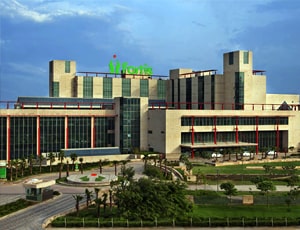
Prince Court Medical Centre

Prince Court Medical Centre

Kuala Lumpur, Malaysia

At the center of Kuala Lumpur, Malaysia, lies a 270-bed private medical facility called Prince Court...more

FACILITIES

Rehabilitation

Foreign Currency Exchange

Religious Facilities

Free Wifi

Consult Online with World’s Best Stem Cell Therapy

View All Doctors
Dr. Yasemin Altuner Torun

Pediatric Hematologist

Istanbul, Turkey

20 of experience

USD  210 for video consultation

Dr. Gaurav Dixit
Dr. Gaurav Dixit

Hematologist

Gurugram, India

10 of experience

USD  45 for video consultation

Dr. Mitu Papneja Shrikhande

Hematologist

Delhi, India

26 of experience

USD  48 for video consultation

Dr. Erdal Karaoz
Dr. Erdal Karaoz

Stem Cell and Gene Therapist

Istanbul, Turkey

34 of experience

USD  240 for video consultation

Explore Top Hospitals Worldwide for Stem Cell Therapy

Explore Top Hospitals for Stem Cell Therapy

Author

Dr. Vihan Gautam

BPT, MS in Healthcare Mgmt

3 Years of Experience

Dr. Vihan Gautam is a distinguished Rehabilitation Specialist and Healthcare Management Professional, holding a Bachelor of Physiotherapy (BPT) from Rajiv Gandhi University of Health Sciences and a Master of Science in Healthcare Management (MSc) from the prestigious University of London, United Kingdom. With specialized clinical experience and his advanced medical knowledge in neuro-rehabilitation, musculoskeletal disorders, and evidence-based physiotherapy practices, enables him to develop patient-centered rehabilitation protocols and AI-driven care models that deliver measurable functional recovery outcomes. His diverse contributions across international rehabilitation programs, multidisciplinary care, and AI-driven healthcare initiatives uniquely position him as an emerging leader in neuro-rehabilitative care globally. . View More

Reviewer

Dr. Akash Khandelwal

Hematologist

9 Years of Experience

Dr. Akash Khandelwal is a distinguished Hematologist, Hemato-oncologist, and Bone Marrow Transplant (BMT) Physician with extensive training from the prestigious AIIMS New Delhi. His expertise encompasses a wide range of specialized techniques in bone marrow transplantation, including autologous and allogeneic transplants such as matched sibling donors, matched unrelated donors (MUD), and haploidentical donor transplants. Dr. Khandelwal has personally supervised and conducted over 100 bone marrow transplants. View More