Acute myeloid leukemia (AML) Treatment in Malaysia
- Top Accredited Hospitals
- Global Medical Standards
- Cutting-Edge Technology
- Proven Treatment Options
- High Success Rate
- Trusted by Millions

What is Acute Myeloid Leukemia (AML)?
AML stands for Acute Myeloid Leukemia, a blood cancer that begins in the blood and the source of the blood, bone marrow, which deals with myeloid cells responsible for the generation of red blood cells, white blood cells, and platelets. With acute myeloid leukaemia, the bone marrow produces abnormal myeloblasts, immature white blood cells that do not mature properly, thus crowding out normal cells. Therefore, a variety of symptoms and complications arise.
What is the Importance of Timely Treatment?
Preventing Disease Progression
AML is an aggressive cancer that can quickly progress if active treatment is not initiated, often leading to severe complications, organ dysfunctions, and even death.
Encourage Treatment Response
The earlier the therapy is initiated, the higher the chance of inducing remission and preventing relapse; failure to treat in time translates into poorer prognoses and decreased effectiveness of treatment.
Complications are minimised
After treating AML at its earliest possible stage, resolving the issues of these complications is much more favourable, with an increased chance of avoiding any complications that can be life-threatening.
Good long-term prognosis
If treatment is started earlier, there is a better chance of long-term survival. Although AML remains hard to cure, remission can be achieved if treatment is given aggressively after an early diagnosis.
Quality of life
An early start of management can help control a patient's symptoms, such as fatigue, pain, and infections, benefiting their quality of life during treatment.
What are the Common Symptoms of Acute Myeloid Leukemia (AML)?
- Fatigue and Weakness
- Pale Skin
- Frequent Infections or Fever
- Easy Bruising or Bleeding
- Swollen Lymph Nodes
- Bone or Joint Pain
- Loss of Appetite or Unexplained Weight Loss
- Shortness of Breath or Dizziness
- Abdominal Pain or Fullness
Causes and Risk Factors of Acute Myeloid Leukemia (AML)
Causes
- Genetic Mutations
- Chromosomal Abnormalities
- Infections
- Immune System Disorders
- Exposure to Radiation or Chemicals
Risk Factors
- Age
- Gender
- Family History
- Previous Cancer Treatment
- Environmental Exposures
- Genetic Syndromes
Connect with our advisor for a PRIORITY response
Latest Research and Technologies in the Treatment of Acute Myeloid Leukemia (AML) in Malaysia
AML treatment patterns in Malaysia are evolving due to the influx of new therapies and research initiatives. Conventional chemotherapy remains the mainstay for AML treatment; however, new advances have seen targeted therapy, and newer approaches have been employed in personalising treatment. There is increased interest in targeted therapy where patients have specific mutations. Cytogenetic profiling of AML patients in Malaysia is also being investigated to assist with risk stratification and treatment decision-making. Published findings show that AML often presents as a heterogeneous disease, and the identification of specific genetic aberrations becomes crucial in directing the therapy.
Acute Myeloid Leukemia (AML) Prevention Tip:
Avoiding exposure to harmful chemicals
Reducing exposure to toxic substances such as benzene (produced by petrochemical industries) and cigarette smoke may reduce the likelihood of developing AML. To this end, protective equipment should be provided in high-risk workplaces.
Limiting Exposure to Radiation
There are exposures which cannot be avoided, such as treatment with radiation from a pre-existing cancer diagnosis.
Healthy Lifestyle Choices
Adopting healthy meal plans, exercising, and not smoking will significantly reduce the risk of developing AML. A strong immune system is crucial in fighting infections and diseases, including leukemia.
Genetic Counseling Services for High-Risk Individuals
Genetic counselling is an option to consider if there is a family history of leukemia or inherited conditions like Down syndrome, Fanconi anemia, or Bloom syndrome. If there is, screening and early detection can solve the issues.
Regular Health Check-Ups
These regular health check-ups will lead to early diagnosis of blood disorders. Early diagnosis of diseases such as myelodysplastic syndromes (MDS) will ensure early treatment and reduce the chances of developing AML.
Treatment options for Acute myeloid leukemia (AML)
The medical treatment for Acute Myeloid Leukemia (AML) requires evaluating the patient's severity and medical condition. The following are the treatment options:
Chemotherapy: The induction chemotherapy regimen typically begins when a patient is given cytarabine and idarubicin. There will then be consolidation chemotherapy offered to the affected individual to get rid of residual cells and minimise the risk of relapse.
Cost Start From USD 1500 - USD 3500Explore Options
Stem Cell Transplantation : Bone marrow transplants (also known as stem cell transplants) offer the possibility of a cure for some patients with high-risk or relapsed forms of acute myeloid leukemia, replacing diseased marrow with healthy cells, thus improving long-term survival chances.
Cost Start From USD 20000 - USD 35000Explore Options
Targeted Therapy : Specific targeted drugs have been used to treat specific genetic mutations in the cells of patients with AML to enhance treatment benefits, particularly for those with mutations.
Cost Start From USD 2000 - USD 10000Explore Options
Immunotherapy : Emerging therapies such as immune checkpoint inhibitors (nivolumab and pembrolizumab) and CAR-T cell therapy have shown promise in using the immune system against leukemia cells for high-risk patients.
Cost Start From USD 15000 - USD 50000Explore Options
CAR-T (Chimeric Antigen Receptor T-cell) Therapy : AML is one of the most challenging conditions associated with CAR-T therapy because the antigens are not well-defined and are difficult to target. In any case, selected groups are specific for targets on the AML cell.
Cost Start From USD 75000 - USD 125000Explore Options
These are the standard diagnostic methods for diagnosing Acute Myeloid Leukemia (AML):
Imaging Studies
- CT scans or X-rays are occasionally performed if AML spreads from the bone marrow to lymph nodes or organs like the spleen or liver. Hence, they are not routinely used to diagnose AML at first.
Blood Tests
- Complete Blood Count (CBC): The initial test for AML diagnosis. It may display low levels of red blood cells, white blood cells, and platelet count. It may also show abnormal blasts, that is, immature cells in the blood.
- Peripheral Blood Smear: The blood smear under a microscope identifies the abnormality in white blood cells (blasts) characteristic of AML.
Bone Marrow Biopsy
- Bone marrow aspiration and biopsy are necessary to confirm the diagnosis. A needle is inserted through the skin into the bone (usually the hip) to extract bone marrow for analysis to look for the leukaemia cells and the percentage of blasts.
- Cytogenetic Testing: Fluorescence in situ hybridisation (FISH) and karyotyping allow the detection of chromosomal abnormalities, which may indicate specific subtypes of AML. These abnormalities will influence a treatment decision and a prognosis.
- Molecular Genetic Testing: Next-generation sequencing (NGS) allows the simultaneous analysis of multiple gene mutations affecting AML treatment.
MediRehab (a chain of Rehab centres, part of MediGence) provides comprehensive rehabilitation services to support patients through Teleconsulations and online therapy sessions.
Physical Rehabilitation
Post-treatment exercise programs improve the patients' strength, mobility, and endurance, especially after chemotherapy or stem cell transplant.
Occupational Therapy
Occupational therapists help patients restore their daily functioning activities, such as dressing and cooking. They also provide cognitive rehabilitation to help with memory and concentration issues experienced during treatment.
Psychological Support
Counselling for mental health assists patients in coping with emotional challenges like anxiety and depression during and after treatment.
Lifestyle Modifications
The nutritionist assists patients with AML experiencing problems with losing weight due to a lack of appetite and malnutrition.
Pain and Fatigue Management
Pain treatment provides symptom control through medication or alternative means against pain caused by the treatment. Features of chronic fatigue will be treated by conserving energy and regular rest to recuperate.
Instantly Connect with our Specialists


Hospitals for Acute myeloid leukemia (AML) in Malaysia
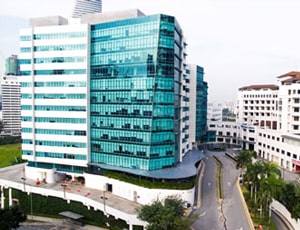
Parkway Pantai
Kuala Lumpur, Malaysia
Parkway Pantai located in Kuala Lumpur, Malaysia is accredited by JCI. Also listed below are some of the most prominent infrastructural details:
- Capacity of 335 beds
- 200+ specialist Doctors
- Critical Care Unit
- Neonatal Intensive Care Unit
- Operating Theatre
- International Patient Care Center
- Types of rooms available- Premier Suite, Supreme Suite, Deluxe Single Room, 2-bedded room, 4-bedded room, Deluxe Suite, Premier Single room, and Supreme Single room

Sunway Medical Centre
Kuala Lumpur, Malaysia
Sunway Medical Centre has initiated a comprehensive expansion plan close to its current hospital facility to enhance its ability to provide services to the global market. The new Cancer Radiosurgery Center and Nuclear Medicine Center, which will also house additional Centers of Excellence like the Digestive Health Center and Dialysis Center, marked the completion of Tower C's first phase in October 2016.

Prince Court Medical Centre
Kuala Lumpur, Malaysia
Prince Court is a private medical facility in the center of Kuala Lumpur that has 277 individual beds. Our dedication is to provide you with the best treatment possible from the time you arrive until you depart, healthier and happier. We are well-known for our top-notch facilities, cutting-edge technology, and friendly customer service.
Our Services to better your experience
Opinion & Option
We submit the most accurate opinion and options from one or more countries for your review
Consult Privately
Consult with a certified specialist privately on our telemedicine platform even before you decide to travel
Logistics
We handle flights, visas, transfers, and accommodation—so you can focus on your health.
Recovery
Our In-house rehabilitation service packages to better your recovery and treatment outcome
Why Choose Malaysia for Acute Myeloid Leukemia?
- Advanced Oncology Centres: Malaysia boasts children’s hospitals with modern procedures for ACC.
- Expert Multidisciplinary Teams: Pediatric oncologists, surgeons, and radiologists cooperate to provide customised treatment.
- Minimally Invasive Surgery Options: Robotic and laparoscopic surgeries guarantee the fastest recovery with minimum scarring.
- Affordable World-Class Treatment: Medical care in Malaysia is high-standard yet more affordable than in other countries.
- Internationally accredited hospitals: JCI-accredited facilities treat cancer according to international protocols for safety and efficacy.
Frequently Asked Questions
While there is treatment available for AML, some patients can be cured, particularly with early detection and prompt action. The prognosis is modulated by several factors, such as age, general well-being, and the presence of any genetic mutations found in the leukemic cells.
Malaysia has advanced centres performing autologous and allogeneic stem cell transplants.
Yes, many Malaysian hospitals offer specialised services for international AML patients.
MRD testing helps detect tiny traces of leukemia after treatment and is widely used in Malaysia.
Hospitals offer translation services, accommodation assistance, and specialised oncology care.
The prognosis depends on the patient's age, response to treatment, presence of genetic mutations, and whether the leukemia was acute or relapsed. Younger patients with favourable mutations have better treatment results.
Treatment may cause fatigue, nausea and vomiting, hair loss, infections, low blood counts, and organ toxicity. Long-term side effects are mainly heart, lung, and immune dysfunction.
Though genetic mutations are one of the causes of AML, the vast majority of cases are not inherited. However, a family history of leukemia or other genetic syndromes can increase the risk of developing AML.
Patients are generally advised to take a high-protein, high-calorie, balanced diet, maintain good hygiene to prevent infection, and manage stress. Regular follow-up visits are essential to detect complications or relapse early.
Common complications of AML are infections, bleeding, and organ impairment owing to the low blood cell count. The significant complications, which could lead to respiratory or organ failure, are mostly experienced during intensive treatments like chemotherapy.
Malaysia has become well-known for second medical opinions: expert specialists, state-of-the-art diagnostic resources, and most of all, low cost. Efficient international patient services have very short waiting times. Medigence provides this service worldwide. To know more, visit our website.

Reviewer

Dr. Mohit Agarwal
Medical Oncologist
14 Years of Experience
One of the finest Oncologist in New Delhi, India, Dr. Mohit Agarwal has worked with several world class multidisciplinary hospitals over the years. Dr. Mohit Agarwal has over 14+ years of experience in his field. The doctor treats and manages a wide range of conditions such as Stomach Cancer, Rectal Cancer, Breast Cancer, Brain Cancer View More
Last Reviewed - January 2026