Wilms Tumor (Nephroblastoma) Treatment in Malaysia
- Top Accredited Hospitals
- Global Medical Standards
- Cutting-Edge Technology
- Proven Treatment Options
- High Success Rate
- Trusted by Millions

What is a Wilms Tumor (Nephroblastoma)?
Nephroblastoma, known as Wilms Tumor, is a form of kidney cancer and is one of the most common cancers of this organ among children. This type of cancer mostly happens to children under five years old.
What is the Importance of Timely Treatment?
Improved Survival Rate
The increased survival rates are due to early detection and timely treatment initiation. If detected early, most children can be successfully cured, and over 90% survival rates exist for those with localised disease.
Timely treatment
Itdecreases the chances of the tumour spreading (metastasising) to other body parts, such as the lungs or liver. Early intervention through surgery and chemotherapy limits and controls the proliferation of cancer cells.
Reduces Intensive Treatments
During the earlier stages of treatment, the scope of surgery and the harshness of chemotherapy can be reduced. Less aggressive therapy is needed for early-stage Wilms tumours, which in turn minimises possible side effects and long-term complications for the child.
Timely treatment reduces complications
Complications such as kidney damage, infection, and secondary cancers, while increasing the preservation of kidney function as the tumour grows or more surgery is required. Quality of life improves.
What are the Common Symptoms of Wilms Tumor (Nephroblastoma)?
- Abdominal Mass or Swelling
- Blood in Urine (Hematuria)
- Abdominal Pain
- High Blood Pressure
- Fever and Loss of Appetite
- Constipation
- Fatigue and Weight Loss
- Nausea and Vomiting
- Respiratory Symptoms (in Advanced Cases)
Causes and Risk Factors of Wilms Tumor (Nephroblastoma)
Causes
- Genetic Mutations
- Inherited Genetic Syndromes
Risk Factors
- Family History
- Abnormal Kidney Development
- Environmental Factors
- Race and Ethnicity
- Gender
- Age
- Congenital Abnormalities
- Exposure to Radiation
- Other Medical Conditions
Connect with our advisor for a PRIORITY response
Latest Research and Technologies in the Treatment of Wilms Tumor (Nephroblastoma) in Malaysia
Treatments for Wilms tumor or nephroblastoma have significantly improved patient survival and quality of life. Genomic testing and personalised medicine modify treatments based on specific genetic markers. Minimally invasive robotic surgery is the new gold standard for tumor excision, leading to fewer complications and a shorter recovery. Modern chemotherapies and targeted medications like monoclonal antibodies increase treatment efficacy and tolerability.
Wilms Tumor (Nephroblastoma) Prevention Tip:
Encouraging genetic counselling
It would help highlight early surveillance risk factors for these high-risk children with a familial Wilms tumour or other genetic syndromes like WAGR syndrome, Beckwith-Wiedemann syndrome, and Denys-Drash syndrome.
Regular Health Checkups
Regular surveillance, such as an abdominal ultrasound or genetic screening, would also be helpful to children with known risk factors, such as specific congenital anomalies or genetic syndromes, in identifying tumours at an early treatable stage.
Reduction of Unnecessary Radiation Exposures
Radiation exposure is not suitable for children, as this constitutes a predisposition to some cancers, including Wilms tumours. Some radiation cannot be avoided through medical use, but it can be avoided as much as possible.
Early Care for Congenital Deformities
Most children born with disabilities such as undescended testes or horseshoe kidneys require urgent medical treatment and subsequent follow-up care to avert the development of a Wilms tumour.
Awareness
Raising awareness about the signs of Wilms tumour, such as abdominal swelling, blood in urine, and abdominal pain, may help one seek medical attention earlier.
Treatment options for Wilms Tumor (Nephroblastoma)
The medical treatment for Wilms Tumor (Nephroblastoma) requires evaluating the patient's severity and medical condition. The following are the treatment options:
Nephrectomy : It is the most common surgical procedure for Wilms tumours and entails the surgical removal of the affected kidney. Usually, radical nephrectomy (complete kidney removal) is performed when the tumour only involves one of the kidneys. In some cases, only the tumour is removed, while the regular part of the kidney is preserved.
Cost Start From USD 5000 - USD 10000Explore Options
Chemotherapy (Preoperative and Postoperative) : Chemotherapy is given to the patient before surgery to reduce tumour size and allow removal. After surgery, chemotherapy will target the few cancer cells left and reduce the chance of relapse, while the medications are most effective against the cancer stage.
Cost Start From USD 1500 - USD 3500Explore Options
Radiation Therapy: External beam radiation therapy may be given; otherwise, when the tumour has advanced or spread to adjacent tissues or lymph nodes, the treatment is mainly given post-operatively to attack the residual number of cancer cells.
Stem Cell Transplantation : Stem cell transplantation usually occurs after myeloablation with high-dose chemotherapy to restore the immune system in the case of a Wilms tumour with a high risk of recurrence after initial treatment.
Cost Start From USD 20000 - USD 35000Explore Options
Immunotherapy : It is a treatment that employs the body's immune system to fight cancer in the instance of Wilms tumour.
Cost Start From USD 15000 - USD 50000Explore Options
Targeted Therapy : Targeted therapy for Wilms tumour involves medications that target specific biochemical processes within cancer cells, disrupting their development and progression.
Cost Start From USD 2000 - USD 10000Explore Options
These are the standard diagnostic methods for diagnosing Wilms Tumor (Nephroblastoma):
Clinical Assessment
- Physical examinations: Symptoms such as abdominal mass, swelling, or pain can be noted during a physical exam, and subsequent diagnostic tests are carried out to confirm.
Imaging Studies
- Ultrasound: An abdominal ultrasound is the first imaging test done for a developing mass in the kidney. It will assist in determining the size and location of the tumour and whether there has been an invasion into adjacent structures like the kidneys.
- CT Scan: CT scans stage the tumour at the regional level, stating whether it has metastasised to the lymph nodes or other organs. They produce detailed cross-sectional images of the abdomen and the section within it.
- MRI: MRI is also sometimes used for further evaluation, particularly considering the CT scan does not give definitive pictures of the tumour and surrounding anatomy. It is also helpful for assessing vascular and soft tissue involvement.
- X-rays: A chest X-ray is performed to see whether the tumour has spread to the lungs. If there is suspicion of metastasis, a chest X-ray would be diagnostically significant for finding tumours or fluid collection.
Biopsy
- Sometimes, a biopsy is needed to confirm the diagnosis; however, the Wilms tumour is usually diagnosed based on imaging and clinical signs, and a biopsy is not always necessary before treatment.
Urine and Blood Tests
- Urinalysis: Hematuria might be tested in urine for blood, indicating Wilms tumour, though not all children with Wilms tumour have hematuria.
- Blood Tests: Blood tests are also performed to measure renal function and general health. Kidney function markers such as creatinine and blood urea nitrogen (BUN), which may be elevated if affected by kidney damage, must be measured.
MediRehab (a chain of Rehab centres, part of MediGence) provides comprehensive rehabilitation services to support patients through Teleconsulations and online therapy sessions.
- Physical Rehabilitation: Physical therapy enables children to regain strength and balance and restore mobility after surgery or chemotherapy. All activities aim to restore muscle function and reduce treatment-induced fatigue.
- Occupational Therapy: Occupational therapists help children restore their ability to perform daily tasks such as dressing or eating after surgery or treatment. Treatment aims to improve independence and functioning in activities of daily living.
- Psychosocially Supportive: These assessments assist children in working through their fears, anxieties, and depression concerning the threat of recidivism. Psychological care is a necessary component of the emotional healing process during recovery.
- Nutritional Rehabilitation: Following assessment, the nutritionist instructs the patient concerning dietary plans to enable growth and recovery in altered eating habits due to chemotherapy or surgery.
- Educational Support and Social Support: Educational therapists and Social reintegration support, such as peer groups and social therapy, re-establish friendships and combat isolation.
Treatment plans are individualised according to the different tumour stages, risk factors, and the child's response to therapy. Such medications are part of a larger treatment plan that also includes surgery, chemotherapy, and sometimes radiation therapy.
Instantly Connect with our Specialists


Hospitals for Wilms Tumor (Nephroblastoma) in Malaysia
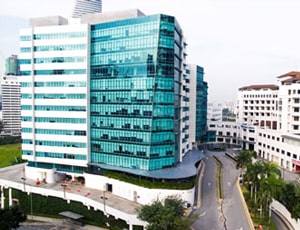
Parkway Pantai
Kuala Lumpur, Malaysia
Parkway Pantai located in Kuala Lumpur, Malaysia is accredited by JCI. Also listed below are some of the most prominent infrastructural details:
- Capacity of 335 beds
- 200+ specialist Doctors
- Critical Care Unit
- Neonatal Intensive Care Unit
- Operating Theatre
- International Patient Care Center
- Types of rooms available- Premier Suite, Supreme Suite, Deluxe Single Room, 2-bedded room, 4-bedded room, Deluxe Suite, Premier Single room, and Supreme Single room

Sunway Medical Centre
Kuala Lumpur, Malaysia
Sunway Medical Centre has initiated a comprehensive expansion plan close to its current hospital facility to enhance its ability to provide services to the global market. The new Cancer Radiosurgery Center and Nuclear Medicine Center, which will also house additional Centers of Excellence like the Digestive Health Center and Dialysis Center, marked the completion of Tower C's first phase in October 2016.

Ara Damansara Medical Centre
Kuala Lumpur, Malaysia
Situated at the junction of Petaling Jaya and Shah Alam, close to the Oasis Ara, Ara Damansara Medical Centre boasts a serene, luxurious ambiance.
The Centre has been awarded several prestigious awards such as the Global Health Asia Pacific Awards 2023, Newsweek Best Specialized Hospital APAC 2023, Healthcare Asia Awards 2023, and Malaysian Healthcare Wellness Excellence.
Our Services to better your experience
Opinion & Option
We submit the most accurate opinion and options from one or more countries for your review
Consult Privately
Consult with a certified specialist privately on our telemedicine platform even before you decide to travel
Logistics
We handle flights, visas, transfers, and accommodation—so you can focus on your health.
Recovery
Our In-house rehabilitation service packages to better your recovery and treatment outcome
Why Choose Malaysia for Wilms Tumor (Nephroblastoma) Treatment?
The following are the most growing reasons for Malaysia being frequented for Wilms Tumor (Nephroblastoma) treatment:
- Advanced Oncology Centres: Malaysia boasts children’s hospitals with modern procedures for Wilms tumors.
- Expert Multidisciplinary Teams: Pediatric oncologists, surgeons, and radiologists cooperate to provide customised treatment.
- Minimally Invasive Surgery Options: Robotic and laparoscopic surgeries guarantee the fastest recovery with minimum scarring.
- Affordable World-Class Treatment: Wilms tumor care in Malaysia is high-standard yet more affordable than in other countries.
- Internationally accredited hospitals: JCI-accredited facilities treat cancer according to international protocols for safety and efficacy.
Frequently Asked Questions
Yes, Wilms tumour is followed by a high cure rate, especially when diagnosed early. A child with a localised Wilms tumour has a survival rate of over 90%, though prognosis may depend on the stage of cancer and whether it has spread.
It is estimated that 90% of children can survive Wilms Tumor if their tumour is localised, and the rate drops in comparison to tumours that have spread or are found later in evaluation.
Effects resulting from radiation therapy on individuals cured of Wilms tumour could be kidney failure, stunted growth, as well as the possibility of secondary cancers. Regular follow-ups are required to look into the side effects.
This tumour may come back, mainly if the primary tumour has already spread, particularly in high-risk cases of Wilms tumours. In case of tumour recurrence, further treatment like chemotherapy, radiation, or a stem cell transplant may be needed.
Many hospitals operate internationally, and some have departments that cater to medical travel arrangements and provide international patient care.
Yes, several hospitals are JCI-accredited and meet international standards in pediatric oncology practice.
If signs such as bulging in the abdomen or blood in the urine are present, it is best to consult a healthcare provider immediately. Recognising all the symptoms early and treating the patient quickly and thoroughly to achieve a better result is crucial.
During treatment, one must follow medical instructions about diet, how much and what kind of activity is permitted, and how to prevent infection. The patient should avoid contact with infections, drink enough fluids, and get adequate nutritional support for recovery.
Surgery usually requires a few weeks of recovery, while chemotherapy/radiation therapy lasts much longer.
Malaysia has become well-known for second medical opinions: expert specialists, state-of-the-art diagnostic resources, and most of all, low cost. Efficient international patient services have very short waiting times. Medigence provides this service worldwide. To know more, visit our website.

Reviewer

Dr. Mohit Agarwal
Medical Oncologist
14 Years of Experience
One of the finest Oncologist in New Delhi, India, Dr. Mohit Agarwal has worked with several world class multidisciplinary hospitals over the years. Dr. Mohit Agarwal has over 14+ years of experience in his field. The doctor treats and manages a wide range of conditions such as Stomach Cancer, Rectal Cancer, Breast Cancer, Brain Cancer View More
Last Reviewed - January 2026