Your Notifications
All done, no notifications

Plasmapheresis Cost in Kuala Lumpur

Costs starts from USD500 to USD1500
Filters

Cost of Plasmapheresis in Major Cities of Malaysia

CityMinimum Cost (USD)Minimum Cost (MYR)Maximum Cost (USD)Maximum Cost (MYR)
Kuala LumpurUSD 5002120USD 15006360

Need Help Planning Your Treatment Abroad?

Your 24/7 AI Health Assistant

Plasmapheresis is a medical procedure used to extract plasma from blood. It is often performed to obtain donor plasma from healthy individuals, which is used by healthcare providers in the treatment of specific medical conditions.

Various conditions require plasmapheresis. These conditions are

  • Hemolytic uremic syndrome,
  • Fulminant Wilson disease,
  • Autoimmune diseases,
  • Pancreatitis,
  • Thrombocytopenic purpura,
  • Hyperviscosity syndrome.

The efficacy and relief are determined by the condition's severity. In certain circumstances, patients find alleviation within 1-2 days of the surgery. In other circumstances, it may take many weeks before the patient's symptoms improve. In most circumstances, the patient requires a repeat of the surgery. The patients may also face certain negative effects. These symptoms include impaired vision, exhaustion, fainting, cramping, and cold. Some individuals are at higher risk of blood clotting, infection, and allergic responses. Plasmapheresis may not be recommended to patients who have hypocalcemia, are allergic to heparin, or are hemodynamically unstable.

Is it a painful Process?

Plasma exchange isn't painful, though you may experience discomfort during the insertion of intravenous lines in your arms. Some individuals may also notice mild sensations of numbness or tingling, nausea, lightheadedness, or a sensation of coldness during the procedure.

Types:

There are generally 3 types of plasmapheresis that can be distinguished:

Autologous therapy: it involves extracting a patient's blood plasma, treating it, and then reintroducing it into the same person.

In plasma exchange therapy (PE, PLEX, or PEX), a patient's plasma is removed and replaced with donor plasma, albumin, or a combination of albumin and saline. The discarded plasma is replenished with these chemicals.

Donation involves extracting a patient's blood plasma, separating its components, reintroducing some back into the patient, and donating the remainder as blood products for others in need.

Plasmapheresis is used to treat autoimmune illnesses and ailments that require the removal of harmful substances like antibodies from the blood plasma. Guillain-Barré syndrome, myasthenia gravis, lupus, and several kidney ailments are among the conditions for which it is frequently used.

See a doctor if you experience inexplicable numbness or weakness in your muscles or have trouble speaking or breathing. These might indicate a severe neurological or autoimmune disease.

In preparation for plasmapheresis, your physician might do blood tests, go over your medical history, and if your veins are difficult to reach, place a central line. You might be instructed to stay hydrated and to refrain from taking specific drugs.

A needle or catheter is used to remove blood from your body during plasmapheresis. The blood cells are combined with a substitute fluid and sent back into your body after a machine separates the plasma from them. The procedure may need several sessions and typically takes two to four hours.

Plasmapheresis usually takes about 2 to 4 hours per session.

  • Infection at the needle insertion site
  • Allergic reactions to the fluid replacement
  • Fatigue or dizziness
  • Numbness or tingling

  • Helps remove toxins and harmful substances from the body
  • Provide relief from symptoms of autoimmune diseases

For plasmapheresis, post-operative recovery includes relaxing, drinking plenty of water, and keeping an eye out for adverse symptoms like dizziness or bruises. Most patients can return to normal activities after a brief rest period.

The success rate of plasmapheresis varies by condition, with neurological disorders.

Would you like some help? We are available.

Get Help
Explore Hospitals ( 6 )
Plasmapheresis in Prince Court Medical Centre: Costs, Top Doctors, and Reviews

Kuala Lumpur, Malaysia

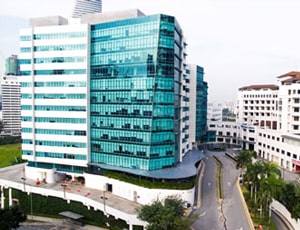
Prince Court is a private medical facility in the center of Kuala Lumpur that has 277 individual beds. Our dedication is to provide you with the best treatment possible from the time you arrive until you depart, healthier and happier. We are well-known for our top-notch facilities, cutting-edge technology, and friendly customer service.

Plasmapheresis in Sunway Medical Centre: Costs, Top Doctors, and Reviews

Kuala Lumpur, Malaysia

  • The Australian Council on Healthcare Standards (ACHS)

Sunway Medical Centre has initiated a comprehensive expansion plan close to its current hospital facility to enhance its ability to provide services to the global market. The new Cancer Radiosurgery Center and Nuclear Medicine Center, which will also house additional Centers of Excellence like the Digestive Health Center and Dialysis Center, marked the completion of Tower C's first phase in October 2016.

Plasmapheresis in ParkCity Medical Centre: Costs, Top Doctors, and Reviews

Kuala Lumpur, Malaysia

  • Joint Commission International, or JCI

In Kuala Lumpur, Malaysia, ParkCity Medical Centre is a 300-bed, cutting-edge, interdisciplinary private hospital that provides award-winning private healthcare in an environment of lush vegetation.

Plasmapheresis in Subang Jaya Medical Centre: Costs, Top Doctors, and Reviews

Kuala Lumpur, Malaysia

  • Joint Commission International, or JCI

Subang Jaya Medical Center is renowned for pioneering radiation oncology treatments and infrastructure in Malaysia. The hospital also has a state-of-the-art Cancer Radiosurgery Centre (CRC), which is fully furnished with the latest medical technology for cancer detection, monitoring, and treatment.

Plasmapheresis in Ara Damansara Medical Centre: Costs, Top Doctors, and Reviews

Kuala Lumpur, Malaysia

  • Joint Commission International, or JCI

Situated at the junction of Petaling Jaya and Shah Alam, close to the Oasis Ara, Ara Damansara Medical Centre boasts a serene, luxurious ambiance.

The Centre has been awarded several prestigious awards such as the Global Health Asia Pacific Awards 2023, Newsweek Best Specialized Hospital APAC 2023, Healthcare Asia Awards 2023, and Malaysian Healthcare Wellness Excellence.

Plasmapheresis in Bukit Tinggi Medical Centre: Costs, Top Doctors, and Reviews

Kuala Lumpur, Malaysia

As a tertiary care hospital, Bukit Tinggi Medical Centre (BTMC) is committed to providing high-quality, reasonably priced healthcare.

With a focus on patient care and a team of committed medical professionals and personnel, we want to realize our ambition of becoming Klang's go-to healthcare provider. Orthopedics, neurosurgery, cardiac surgery, obstetrics and gynecology, pediatrics and rehabilitation, aesthetic surgery, and other specialties are all part of our multidisciplinary team approach. Additionally, BTMC has a Health Screening Center that provides a range of health packages to meet the requirements of diverse patient types.

Need Some Advice From Our Experts?

Request a Call Back Now!

Our team of healthcare experts would be happy to assist you

trusted Patientstrusted Patients+99
Trusted by 50000+ Patients
Required | alphabets and spaces
Required | A valid, working email address
Required | A valid contact

Process Involved for Plasmapheresis in Kuala Lumpur

  • Medical Evaluation that includes medical history, blood testing, and the diagnosis of any problems necessitating plasmapheresis.
  • Plasma Separation and filtration of blood components.
  • Replacement of removed plasma with donor plasma, saline or albumin depending upon the treatment type.
  • Vitals are monitored
  • Follow-up care
  • Autoimmune Disorders: Myasthenia Gravis, Guillain-Barré Syndrome (GBS), Chronic Inflammatory Demyelinating Polyneuropathy (CIDP), Systemic Lupus Erythematosus (SLE), Rheumatoid Arthritis (severe cases) & Goodpasture’s Syndrome.
  • Neurological Disorders: Multiple Sclerosis (MS) (severe relapses) , Lambert-Eaton Myasthenic Syndrome & Stiff Person Syndrome.
  • Metabolic & Toxic Conditions: Familial Hypercholesterolemia (severe cholesterol levels) & Drug Toxicity or Overdose.
  • Hematological (Blood) Disorders: Thrombotic Thrombocytopenic Purpura (TTP), Hemolytic Uremic Syndrome (HUS) & Hyperviscosity Syndrome.
  • Organ Transplantation: Antibody-Mediated Rejection (AMR) in organ transplant patients & ABO-Incompatible Transplant Preparation.
  • Individuals with Autoimmune Disorders like Myasthenia Gravis, Guillain-Barré Syndrome, Lupus (SLE), Multiple Sclerosis (MS), and Thrombotic Thrombocytopenic Purpura (TTP) are eligible.
  • Individuals with Neurological Disorders like neuromyelitis optica (NMO) and chronic inflammatory demyelinating polyneuropathy (CIDP).
  • Individuals with Hematological Conditions
  • In Case of Organ Transplantation
  • In case of Sepsis, drug overdose, or poisoning
  • Patients who are not responding too well to conventional therapies may be eligible.
  • Central Venous Catheter (CVC) Placement
  • Intravenous Immunoglobulin (IVIG) Therapy
  • Immunosuppressive Therapy
  • Hemodialysis (in Kidney-Related Conditions)
  • Plasma Replacement with Albumin or Fresh Frozen Plasma (FFP)
  • Extracorporeal Photopheresis (ECP)
  • Eliminates harmful substances from the body that contribute disease progression
  • Relief from random symptoms of flares-up or neurological disorders
  • It enhancesthe effectiveness of other treatments
  • Life-saving in critical conditions
  • Supports neurological recovery
  • Improves blood and plasma quality
  • Reduces dependency on long-term medication
  • Hematologist
  • Nephrologist
  • Neurologist
  • Immunologist
  • Fill out the inquiry form: Fill out the form to provide us with the relevant information about your condition.
  • Consult with Our Healthcare Expert: One of our qualified specialists will contact you for a consultation.
  • Receive a Detailed Treatment Plan: After examining your situation, we will provide you with a detailed treatment plan that includes expert views and cost breakdowns for various choices.
  • Choose your preferred option: Choose the treatment option that suits you the best.

Instantly Connect with our Plasmapheresis Specialists

Doctor 1
Doctor 2
Doctor 3
Doctor 4
Doctor 5
Doctor 6
Doctor 7
Doctor 8
Our Services to Better your Experience

Opinion & Option

We submit the most accurate opinion and options from one or more countries for your review

Consult Privately

Consult with a certified specialist privately on our telemedicine platform even before you decide to travel

Logistics

We handle flights, visas, transfers, and accommodation—so you can focus on your health.

Recovery

Our In-house rehabilitation service packages to better your recovery and treatment outcome

Other Popular Countries for Plasmapheresis

Our network connects you with the leading medical tourism destinations globally, offering a wide range of cities, top doctors, and flexible pricing options.

Vietnam
United Kingdom
India
United Arab Emirates

Frequently Asked Questions

Plasmapheresis cost in Kuala Lumpur varies from one hospital to the other. Some of the best hospitals for Plasmapheresis offer a comprehensive package that covers the end-to-end expenses related to investigations and treatment of the patient. Typically, the package cost of Plasmapheresis in Kuala Lumpur includes the expenses related to the surgeon's fee, anesthesia, hospital, meals, nursing and ICU stay. There are many things that may increase the cost of Plasmapheresis in Kuala Lumpur, including prolonged hospital stay and complications after the procedure.

There are several best hospitals for Plasmapheresis in Kuala Lumpur. Some of the most renowned hospitals for Plasmapheresis in Kuala Lumpur include the following:

The recovery of the patient many vary, depending on several factors. However, on an average, patient is supposed to stay for about 5 days in the country after discharge. This duration of stay is recommended to complete all the necessary follow-ups and control tests to ensure that the surgery was successful.

Apart from the Plasmapheresis cost, the patient may have to pay for additional daily expenses such as for guest house after discharge and meals. These are the chanrges for daily meals and hotel stay outside the hospital. The extra charges may vary from 30 USD.

There are about 1 Hospitals Plasmapheresis hospitals in Kuala Lumpur that are best known for their services. These hospitals have proper infrastructure for the treatment of patients who require Plasmapheresis. Additionally, these hospitals are known to comply with the international standards as well as local legal requirements for the treatment of patients.

Author

Dr. Vijita Jayan

BPT, MPT (Neuro)

18 Years of Experience

With over 18 years of distinguished clinical experience, Dr. Vijita Jayan is a highly accomplished Clinical Director and Rehabilitation Specialist, renowned for her expertise in neuro-rehabilitation, functional recovery, and mobility-dependent case management. Her extensive practical knowledge enables her to design and implement individualized, evidence-based rehabilitation protocols that consistently yield measurable patient outcomes. A prolific researcher and academic writer, she has authored numerous peer-reviewed articles and research papers, significantly advancing the field of rehabilitative medicine. The recipient of multiple prestigious accolades, Dr. Jayan is widely regarded as one of the foremost authorities in Physical Medicine and Rehabilitation, continually shaping neuro-rehabilitative care through research, innovation, and clinical excellence.. View More

Reviewer

Dr. Akash Khandelwal

Hematologist

9 Years of Experience

Dr. Akash Khandelwal is a distinguished Hematologist, Hemato-oncologist, and Bone Marrow Transplant (BMT) Physician with extensive training from the prestigious AIIMS New Delhi. His expertise encompasses a wide range of specialized techniques in bone marrow transplantation, including autologous and allogeneic transplants such as matched sibling donors, matched unrelated donors (MUD), and haploidentical donor transplants. Dr. Khandelwal has personally supervised and conducted over 100 bone marrow transplants. View More