Hemolytic Uremic Syndrome Treatment in Malaysia
- Top Accredited Hospitals
- Global Medical Standards
- Cutting-Edge Technology
- Proven Treatment Options
- High Success Rate
- Trusted by Millions

What is Hemolytic Uremic Syndrome?
Hemolytic uremic syndrome (HUS) is a life-threatening disease characterised by hemolytic anemia, thrombocytopenia (low platelet count), gastrointestinal disturbances, and acute kidney failure. Although it is most common in children, it can be more frequent in adults at high rates due to some pathogenic strains from infections derived from E. coli.
What is the Importance of Timely Treatment?
Kidney Damage Prevention
Intervention at the acute phase mitigates long-term renal effects since acute kidney failure occurs suddenly. If kidneys are treated in time, the patient will recover quickly and reduce the need for prolonged dialysis.
Less Complicated Outcome
HUS is capable of producing severe, potentially fatal complications that include hypertension, cardiovascular complications, or neurologic complications. Hence, early intervention would allow such patients to reduce the chances of such complications, thus improving their overall prognosis.
Fewer Anemia and Thrombocytopenia Symptoms
Red blood cell destruction leads to anemia, while decreased platelets cause thrombocytopenia, resulting in bleeding and tiredness. Early intervention with blood transfusion and platelet support measures will alleviate these symptoms and prevent severe bleeding or organ failure.
Quick Recovery Mechanism
Actions such as hydration, dialysis, or plasma exchange will accelerate the recovery process and hence reduce the period of hospitalisation and extended medical care, thereby improving the patient's quality of life.
Improvement of Prognosis in the Long Run
Patients, especially those with the infectious type of HUS associated with E. coli, benefit significantly from early treatment and are likely to have no residual complications. On the contrary, delayed treatment increases the likelihood of chronic kidney disease and other long-term complications.
What are the Common Symptoms of Hemolytic Uremic Syndrome?
- Diarrhea (Often Bloody)
- Abdominal Pain
- Fatigue and Weakness
- Paleness and Jaundice
- Swelling (Edema)
- Reduced Urine Output
- Easy Bruising or Bleeding
- Confusion or Seizures
- High Blood Pressure (Hypertension)
Causes and Risk Factors of Hemolytic Uremic Syndrome
Causes
- Bacterial Infections (Most Common Cause)
- Toxins Released by Bacteria
- Viral Infections
- Medications
- Genetic Mutations (Atypical HUS)
- Pregnancy
- Chronic Diseases or Immune System Disorders
Risk Factors
- Age
- Weakened Immune System
- History of Gastrointestinal Infection
- Consumption of Contaminated Food
- Geographic Location
- Family History (Genetic Factors)
- Underlying Medical Conditions
Connect with our advisor for a PRIORITY response
Latest Research and Technologies in the Treatment of Hemolytic Uremic Syndrome in Malaysia
In Malaysia, targeted complement inhibition has facilitated progress in HUS management. Monoclonal antibody complement protein inhibitor has been shown to substantially restore renal functioning and haematological parameters, especially in patients less responsive to plasma exchange therapies. Following this, Ravulizumab, a long-acting inhibitor with extended dosing of up to eight weeks, offers patients convenience and improved quality of life. The effects of these drugs in both the pediatric and adult populations include a decreased need for dialysis and better overall outcomes.
Hemolytic Uremic Syndrome Prevention Tips:
Food Safety
Cook meat thoroughly, especially ground beef, and avoid consuming undercooked meats, unpasteurised dairy products, and fruit juices. This will prevent E. coli infestation, a leading cause of HUS.
Hygiene
Hands should be washed with soap and running water regularly, especially after handling food, using a toilet, or contacting animals. Clean kitchen surfaces and utensils also help keep bacteria away.
Safe Water for Drinking
Drink treated water only; do not drink untreated water from natural sources. Use water filters to treat or boil water before consumption to kill harmful bacteria that lead to infections that cause HUS.
Avoid Contact with Infected Individuals
People with signs of gastrointestinal illness, especially diarrhoea, should avoid close contact to prevent infection. If anyone in the household has fallen ill, disinfect surfaces.
Food Preservation
Properly store food at appropriate temperatures, and refrigerate leftovers immediately. This limits the growth of bacteria and prevents foodborne illness, which can lead to HUS.
Treatment options for Hemolytic Uremic Syndrome
The medical treatment for Hemolytic Uremic Syndrome requires evaluating the patient's severity and medical condition. The following are the treatment options:
Plasmapheresis : Plasma exchange is commonly utilised in atypical HUS (caused by genetic factors) or more severe disease cases. PEX is a process in which the patient's plasma is removed and replaced to filter toxins, complement proteins, and other detrimental substances.
Cost Start From USD 500 - USD 1500Explore Options
Blood transfusion: It may be necessary for patients suffering from HUS due to anemia and thrombocytopenia. Blood transfusions restore red blood cells and platelets, thus increasing the oxygen supply and countering bleeding tendencies imposed by low platelet levels.
These are the standard diagnostic methods for diagnosing Hemolytic Uremic Syndrome:
Blood Tests
- Complete Blood Count (CBC): Lower levels of red blood cells (anemia), low platelet counts (thrombocytopenia), or low white blood cell counts may suggest HUS.
- Reticulocyte Count: Increased reticulocytes imply that the bone marrow compensates for red blood cells' active destruction (hemolysis).
- Lactate Dehydrogenase (LDH): Increased LDH levels suggest hemolysis since LDH enters the serum following damage to red blood cells.
- Serum Levels of Creatinine and Blood Urea Nitrogen (BUN): Elevated levels of these parameters might indicate kidney dysfunction or failure.
Urine Tests
- Urinalysis: Detects proteinuria and hematuria (presence of blood in urine), common indicators of kidney involvement in HUS.
Stool Culture
- If E. coli is suspected to be the triggering cause of typical HUS, stool culture will establish the presence of E. coli (specific strain) or other Shiga-toxin-producing bacteria. This test is vital in assessing for infectious HUS.
Genetics Evaluation
- Genetic testing can identify mutations in complement regulatory genes predisposing towards this disease in atypical HUS.
Imaging Studies for Kidney
- Sonography or CT scans may be used to evaluate the size of the kidneys and whether there are signs of damage or swelling. However, image evaluation is not a requirement for diagnosis but may assist in assessing kidney function.
MediRehab (a chain of Rehab centres, part of MediGence) provides comprehensive rehabilitation services to support patients through Teleconsulations and online therapy sessions.
Kidney Disease Management
Patients who are recovering from kidney damage usually need continuing dialysis or, in the worst scenario, a kidney transplant. Care after the transplant involves observing the function of the organ and the medication.
Physical Therapy
Physical therapy strengthens and mobilises patients and helps build endurance after muscle weakness caused by illness or dialysis. It proposes a gradual return to daily activities.
Psychological Support
The critical aspect of emotional well-being during recovery is supported by counselling and support groups. This helps the patients manage anxiety, depression, and stress after that traumatic experience.
Nutritional Support
Nutritional counselling is essential to promoting kidney function. It emphasises hydration, control of electrolytes, and adherence to a renal diet to prevent further complications.
Follow-up Care
Regular checkups and laboratory tests are vital to monitoring kidney function and any long-term consequences of HUS. Some patients may require chronic disease management for their ongoing renal problems.
Treatment for Hemolytic Uremic Syndrome (HUS) includes plasma exchange and antibiotics for E. coli infections in infectious cases. In the case of complications, steroids, antihypertensive medicines, and dialysis are given. Blood transfusions are also performed in severe cases to combat anemia and thrombocytopenia.
Instantly Connect with our Specialists


Hospitals for Hemolytic Uremic Syndrome in Malaysia
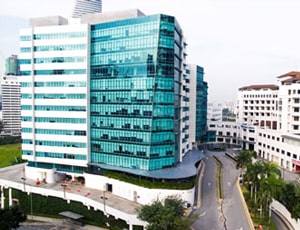
Parkway Pantai
Kuala Lumpur, Malaysia
Parkway Pantai located in Kuala Lumpur, Malaysia is accredited by JCI. Also listed below are some of the most prominent infrastructural details:
- Capacity of 335 beds
- 200+ specialist Doctors
- Critical Care Unit
- Neonatal Intensive Care Unit
- Operating Theatre
- International Patient Care Center
- Types of rooms available- Premier Suite, Supreme Suite, Deluxe Single Room, 2-bedded room, 4-bedded room, Deluxe Suite, Premier Single room, and Supreme Single room

Sunway Medical Centre
Kuala Lumpur, Malaysia
Sunway Medical Centre has initiated a comprehensive expansion plan close to its current hospital facility to enhance its ability to provide services to the global market. The new Cancer Radiosurgery Center and Nuclear Medicine Center, which will also house additional Centers of Excellence like the Digestive Health Center and Dialysis Center, marked the completion of Tower C's first phase in October 2016.

Ara Damansara Medical Centre
Kuala Lumpur, Malaysia
Situated at the junction of Petaling Jaya and Shah Alam, close to the Oasis Ara, Ara Damansara Medical Centre boasts a serene, luxurious ambiance.
The Centre has been awarded several prestigious awards such as the Global Health Asia Pacific Awards 2023, Newsweek Best Specialized Hospital APAC 2023, Healthcare Asia Awards 2023, and Malaysian Healthcare Wellness Excellence.
Our Services to better your experience
Opinion & Option
We submit the most accurate opinion and options from one or more countries for your review
Consult Privately
Consult with a certified specialist privately on our telemedicine platform even before you decide to travel
Logistics
We handle flights, visas, transfers, and accommodation—so you can focus on your health.
Recovery
Our In-house rehabilitation service packages to better your recovery and treatment outcome
Why Choose Malaysia for Hemolytic Uremic Syndrome Treatment?
- Most Advanced Medical Centres have high-end machines and state-of-the-art technologies to deliver professional treatment services.
- World-Class Transplant Programs: High-volume hospitals are known to perform state-of-the-art, advanced kidney transplants with high success rates.
- Affordable Treatment: The care related to Aplastic anemia in Malaysia is far less expensive than in other countries.
- Internationally Trained Doctors: Experts deliver personalised care with the latest medical advancements at their fingertips.
- Inclusive Assistance for Patients: Hospitals also offer Accommodation and Translation Assistance after Treatment.
Frequently Asked Questions
HUS can affect individuals of all ages, but children under five and elderly adults are at higher risk. Those with weakened immune systems or genetic predispositions may also be more susceptible.
HUS can be prevented by practising good food safety (cooking meat thoroughly), maintaining hygiene (washing hands regularly), drinking clean water, and avoiding contact with infected individuals.
Some individuals may recover fully, but in severe cases, HUS can lead to chronic kidney disease or permanent kidney damage. Early treatment and monitoring are essential for minimising long-term complications.
While E. coli infection that causes HUS is contagious, HUS is not. However, those with an E. coli infection should avoid close contact with others until cleared by a healthcare provider.
Atypical HUS cases, especially those with genetic mutations affecting the complement system, are at risk of recurrence. Regular follow-up is essential for managing these risks.
Malaysia has hospitals specialising in HUS treatment for foreign patients.
The treatment duration is based on severity. The patient may be hospitalised for a few days or several weeks.
Dialysis may sometimes be required to support kidney function temporarily in severe cases.
In some patients, chronic kidney disease may develop and require long-term surveillance.
Malaysia has become well-known for second medical opinions: expert specialists, state-of-the-art diagnostic resources, and most of all, low cost. Efficient international patient services have very short waiting times. Medigence provides this service worldwide. To know more, visit our website.

Reviewer

Dr. Akash Khandelwal
Hematologist
9 Years of Experience
Dr. Akash Khandelwal is a distinguished Hematologist, Hemato-oncologist, and Bone Marrow Transplant (BMT) Physician with extensive training from the prestigious AIIMS New Delhi. His expertise encompasses a wide range of specialized techniques in bone marrow transplantation, including autologous and allogeneic transplants such as matched sibling donors, matched unrelated donors (MUD), and haploidentical donor transplants. Dr. Khandelwal has personally supervised and conducted over 100 bone marrow transplants. View More
Last Reviewed - January 2026