Neuromyelitis Optica Treatment in Malaysia
- Top Accredited Hospitals
- Global Medical Standards
- Cutting-Edge Technology
- Proven Treatment Options
- High Success Rate
- Trusted by Millions

What is Neuromyelitis Optica?
Neuromyelitis optica (NMO), now more commonly called neuromyelitis optica spectrum disorder (NMOSD), is a rare autoimmune disorder that affects the central nervous system, particularly the optic nerves and spinal cord. NMOSD can cause episodes of optic neuritis, transverse myelitis and other neurological syndromes, potentially resulting in vision loss, muscle weakness, sensory disturbances or bladder and bowel problems. Early diagnosis is important because NMOSD requires a different treatment approach from multiple sclerosis and other demyelinating disorders.
What is the Importance of Timely Treatment?
Early recognition of optic neuritis, transverse myelitis or other characteristic symptoms allows doctors to begin acute treatment and reduce inflammation as quickly as possible. Long-term preventive therapy may also be required because recurrent attacks can accumulate neurological disability. Accurate diagnosis is particularly important because some treatments used for multiple sclerosis may be inappropriate or potentially harmful in NMOSD.
What are the Common Symptoms of Neuromyelitis Optica?
- Eye pain, particularly with eye movement
- Blurred or reduced vision, often affecting one or both eyes
- Loss of colour vision
- Partial or severe vision loss
- Limb weakness or paralysis
- Numbness, tingling or altered sensation
- Painful muscle spasms
- Difficulty walking or maintaining balance
- Loss of bladder or bowel control
- Nausea and persistent or unexplained vomiting
- Persistent or severe hiccups
- Facial weakness or other brainstem symptoms
- Symptoms related to inflammation in the brain or other central nervous system regions
Causes and Risk Factors of Neuromyelitis Optica
Causes
- NMOSD (neuromyelitis optica spectrum disorder) is primarily an autoimmune disorder in which the immune system attacks components of the central nervous system. In many patients, antibodies against aquaporin-4 (AQP4-IgG) contribute to inflammation and astrocyte injury.
- Some patients with an NMOSD-like clinical presentation do not have detectable AQP4-IgG and may need additional evaluation, including testing for myelin oligodendrocyte glycoprotein antibodies (MOG-IgG), because MOG-associated disease is a distinct condition that can clinically overlap with NMOSD.
Risk Factors
- Female sex, particularly in AQP4-IgG-positive disease
- Presence of AQP4-IgG antibodies, which is a diagnostic marker associated with a specific form of the disease
- Personal or family history of autoimmune disorders
- Coexisting autoimmune conditions
- Previous NMOSD attack
- Certain genetic and immune-system factors
- MOG-IgG positivity in patients with a different demyelinating disease phenotype
Latest Research and Technologies in the Treatment of Neuromyelitis Optica in Malaysia
- Advances in NMOSD care include improved antibody testing, MRI-based assessment, and targeted therapies designed to reduce relapse risk. Malaysian clinical consensus recommendations support using AQP4-IgG and MOG-IgG testing, including cell-based assays where available, to help distinguish NMOSD from related neurological conditions. Targeted biological therapies may suit selected patients, particularly those with AQP4-IgG-positive disease, but access can vary between hospitals because of regulatory, formulary, and funding considerations. Acute attacks may require corticosteroids and plasma exchange, followed by an individualised plan to prevent future relapses.
Treatment options for Neuromyelitis Optica
Plasma Exchange : Plasma exchange may be used when a severe attack responds inadequately to corticosteroids or when rapid removal of pathogenic antibodies is required. Selected specialist centres may offer immunoadsorption.
Cost Start From 600Explore Options
Targeted Therapies : For AQP4-IgG-positive NMOSD, targeted therapies include complement inhibition and B-cell-directed therapy with receptor blockade. Regulatory indications and availability vary between countries.
Long-Term Immunotherapy: Preventive treatment helps reduce the risk of future attacks and cumulative neurological damage. Options may include conventional immunosuppressive medicines or targeted biological therapies, depending on antibody status, disease activity, patient factors and local availability.
- Clinical assessment:
- Neurological Evaluation: A detailed neurological examination assesses vision, eye movements, muscle strength, reflexes, sensation, coordination, gait and bladder or bowel function. The history focuses on the timing and pattern of attacks, previous neurological episodes, recovery between attacks and associated symptoms such as persistent vomiting or hiccups.
- AQP4-IgG Antibody Testing: Serum AQP4-IgG testing is an important component of NMOSD evaluation. Cell-based assays are preferred when available because they offer improved sensitivity and specificity compared with some older tests.
- MOG-IgG Testing: Consider MOG-IgG testing, particularly in AQP4-IgG-negative patients or when clinical and imaging features suggest MOG-associated disease.
- Cerebrospinal Fluid Assessment: Lumbar puncture may be performed in selected patients to analyse cerebrospinal fluid and help distinguish NMOSD from infections, multiple sclerosis and other inflammatory or neurological disorders.
- Visual and Neurophysiological Assessment: Visual acuity, colour vision, visual fields, optical coherence tomography and visual evoked potentials may help evaluate optic nerve involvement and establish a baseline for monitoring visual function.
- Imaging Tests:
- MRI of the Brain: Helps identify lesions affecting the brainstem, area postrema, diencephalon and other characteristic regions and helps exclude alternative diagnoses.
- MRI of the Spinal Cord: Particularly important for evaluating transverse myelitis. Longitudinally extensive spinal cord lesions involving multiple vertebral segments are characteristic of NMOSD, although shorter lesions can also occur.
- MRI of the Optic Nerves: Helps identify optic neuritis, including lesions involving long segments of the optic nerve or optic chiasm.
- Contrast-Enhanced MRI: May demonstrate active inflammation and help assess disease activity.
- Optical Coherence Tomography: Provides a detailed assessment of the retinal nerve-fibre and ganglion-cell layers and may help monitor the structural effects of optic neuritis.
MediRehab (a chain of Rehab centres, part of MediGence) provides comprehensive tele-rehabilitation services designed to support Neuromyelitis Optica patients in Malaysia. These services include:
- Physiotherapy and Strength Training: Physiotherapy can help maintain muscle strength, flexibility, balance, and mobility after spinal cord injury or other neurological conditions.
- Gait and Mobility Rehabilitation: Patients with leg weakness, balance problems or spasticity may receive gait training, transfer training and appropriate assistive-device support.
- Vision Rehabilitation: Patients with persistent visual impairment may benefit from low-vision assessment, visual aids, environmental adaptations and training to improve independence.
- Bladder, Bowel and Functional Rehabilitation: Occupational and rehabilitation specialists can help patients manage bladder or bowel dysfunction, transfers, self-care and activities of daily living.
- Psychological and Long-Term Support: Counselling, patient education and fatigue-management strategies can help patients cope with a chronic neurological condition, recurrent attacks and changes in independence or daily functioning.
- Medicines for neuromyelitis optica spectrum disorder, NMOSD are used to control acute attacks and reduce the risk of future relapses. High-dose corticosteroids are commonly used during acute attacks, while plasma exchange may be added for severe attacks or inadequate steroid response. Long-term relapse prevention may involve conventional immunosuppressive medicines or targeted biological therapies for appropriate patients. These medicines require specialist monitoring for infections, laboratory abnormalities and other treatment-specific risks.
Instantly Connect with our Specialists


Hospitals for Neuromyelitis Optica in Malaysia
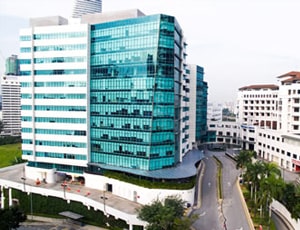
Parkway Pantai
Kuala Lumpur, Malaysia
Parkway Pantai located in Kuala Lumpur, Malaysia is accredited by JCI. Also listed below are some of the most prominent infrastructural details:
- Capacity of 335 beds
- 200+ specialist Doctors
- Critical Care Unit
- Neonatal Intensive Care Unit
- Operating Theatre
- International Patient Care Center
- Types of rooms available- Premier Suite, Supreme Suite, Deluxe Single Room, 2-bedded room, 4-bedded room, Deluxe Suite, Premier Single room, and Supreme Single room

Sunway Medical Centre
Kuala Lumpur, Malaysia
Sunway Medical Centre has initiated a comprehensive expansion plan close to its current hospital facility to enhance its ability to provide services to the global market. The new Cancer Radiosurgery Center and Nuclear Medicine Center, which will also house additional Centers of Excellence like the Digestive Health Center and Dialysis Center, marked the completion of Tower C's first phase in October 2016.

Prince Court Medical Centre
Kuala Lumpur, Malaysia
Prince Court is a private medical facility in the center of Kuala Lumpur that has 277 individual beds. Our dedication is to provide you with the best treatment possible from the time you arrive until you depart, healthier and happier. We are well-known for our top-notch facilities, cutting-edge technology, and friendly customer service.
Our Services to better your experience
Opinion & Option
We submit the most accurate opinion and options from one or more countries for your review
Consult Privately
Consult with a certified specialist privately on our telemedicine platform even before you decide to travel
Logistics
We handle flights, visas, transfers, and accommodation—so you can focus on your health.
Recovery
Our In-house rehabilitation service packages to better your recovery and treatment outcome
Why Choose Malaysia for Neuromyelitis Optica Treatment?
- Multidisciplinary Neurological Care: Patients can access neurologists, neuroimmunology specialists, neuro-ophthalmologists, rehabilitation physicians, and other specialists as needed.
- Advanced Diagnostic Facilities: Specialised centres may provide AQP4-IgG and MOG-IgG testing, MRI of the brain, optic nerves and spinal cord, CSF analysis and neurophysiological assessments.
- Acute Attack Management: Major neurological centres can provide high-dose corticosteroids, plasma exchange and intensive monitoring for severe NMOSD attacks.
- Targeted Immunotherapy: Eligible patients may be evaluated for conventional immunosuppressive treatment and targeted biological therapies based on antibody status and clinical characteristics.
- Comprehensive Rehabilitation and International Patient Support: The treatment pathway may include physiotherapy, vision rehabilitation, occupational therapy, psychological support, and international patient coordination.
Frequently Asked Questions
Author

Pragun Gupta
Pragun Gupta is a Doctor of Pharmacy (Pharm. D.) professional from Teerthanker Mahaveer University with hands-on experience in clinical pharmacology, clinical research, and evidence-based medical writing. Through her clinical and research exposure, she has developed a strong interest in pharmacoeconomics, pharmacology, therapeutics, and pharmacovigilance.
As a medical writer, she works on medical and scientific research articles, patient education materials, and healthcare-focused content. Her clinical research and evidence-based writing experience enables her to translate complex medical information into clear, accurate, patient-friendly content while maintaining scientific credibility and medical accuracy. Her primary aim is to make healthcare information accessible and easy for patients and general readers to understand.
View MoreReviewer

Dr. Akash Khandelwal
Hematologist
9 Years of Experience
Dr. Akash Khandelwal is a distinguished Hematologist, Hemato-oncologist, and Bone Marrow Transplant (BMT) Physician with extensive training from the prestigious AIIMS New Delhi. His expertise encompasses a wide range of specialized techniques in bone marrow transplantation, including autologous and allogeneic transplants such as matched sibling donors, matched unrelated donors (MUD), and haploidentical donor transplants. Dr. Khandelwal has personally supervised and conducted over 100 bone marrow transplants. View More
Last Reviewed - January 2026