Your Notifications
All done, no notifications

TLIF Cost in Malaysia

Costs starts from USD5000 to USD10000
Filters

How Much Does TLIF Cost in Malaysia?

The cost of TLIF in Malaysia is USD 5000 - USD 10000

However, this cost can vary depending on several factors, including the type and severity of the condition, treatment techniques chosen, the healthcare facility's location and reputation, the treating professionals' experience and specialisation, and the patient's overall health status.

Additionally, factors like the duration of treatment, the need for follow-up care, and the use of advanced technologies or specialised treatments can further influence the overall cost.

Factors Influencing the Cost of TLIF:

TLIF stands for “Transforaminal Lumbar Interbody Fusion,” a surgical procedure stabilising the spine by creating a solid bone connection and reducing motion in a specific segment. This type of lumbar fusion surgery is typically advised to address persistent and debilitating pain resulting from conditions like spondylolisthesis, degenerative disc disease, or recurrent disc herniations.

TLIF involves fusing the spine's anterior (front) and posterior (back) columns via a single posterior approach. This article outlines the technique and compares it with alternative spinal fusion approaches. Lumbar spine fusion might be suggested for individuals experiencing debilitating low back and/or leg symptoms who have not responded to non-surgical treatment options.

Cost of TLIF in Major Cities of Malaysia

CityMinimum Cost (USD)Minimum Cost (MYR)Maximum Cost (USD)Maximum Cost (MYR)
Kuala LumpurUSD 500021200USD 1000042400

TLIF Cost : A Global Comparison

CountryMinimum CostMinimum Local CurrencyMaximum CostMaximum Local Currency
CzechiaUSD 4000CZK 88080USD 6500CZK 143130
HungaryUSD 8000HUF 2856640USD 28000HUF 9998240
IndiaUSD 4500INR 385380USD 7000INR 599480
IsraelUSD 30000ILS 106200USD 45000ILS 159300
LithuaniaUSD 6894LTL 23582USD 11363LTL 38869
MalaysiaUSD 5000MYR 21200USD 10000MYR 42400
MoroccoUSD 5000MAD 46150USD 10000MAD 92300
Polandget request
Saudi Arabiaget request
SingaporeUSD 30000SGD 38700USD 60000SGD 77400
South AfricaUSD 6000ZAR 107820USD 12000ZAR 215640
South KoreaUSD 15000KRW 20639700USD 30000KRW 41279400
SpainUSD 15000ESP 2205598USD 25000ESP 3675997
SwitzerlandUSD 20000CHF 16600USD 40000CHF 33200
ThailandUSD 8500THB 278035USD 12000THB 392520
TunisiaUSD 5000TND 14900USD 10000TND 29800
TurkeyUSD 13000TRY 507780USD 16000TRY 624960
United Arab EmiratesUSD 9000AED 33030USD 16732AED 61406
United KingdomUSD 7979GBP 5904USD 17092GBP 12648

Need Help Planning Your Treatment Abroad?

Your 24/7 AI Health Assistant

TLIF stands for “Transforaminal Lumbar Interbody Fusion”, and is a surgical procedure aimed at achieving spinal stabilization by creating a solid bone connection and reducing motion in a specific segment of the spine. This type of lumbar fusion surgery is typically advised to address persistent and debilitating pain resulting from conditions like spondylolisthesis, degenerative disc disease, or recurrent disc herniations.

TLIF involves the fusion of both the anterior (front) and posterior (back) columns of the spine via a single posterior approach. This article outlines the TLIF technique and provides a comparison between TLIF and alternative spinal fusion approaches. Lumbar spine fusion might be suggested for individuals experiencing debilitating low back and/or leg symptoms who have not responded to non-surgical treatment options.

The following conditions are being treated by the TLIF surgery:

  • People experiencing low back pain and leg pain associated with sciatica or other lumbar radiculopathy can benefit from a TLIF.
  • Other conditions that can be treated are spondylosis, spinal stenosis, degenerative disc disease, recurrent disc herniation, scoliosis, spinal instability (spondylolisthesis), and pseudarthrosis.

TLIF is used to correct spinal disorders like degenerative disc disease, spondylolisthesis, spinal instability, or a herniated disc. The aim is to stabilise the spine, decrease back and leg pain, restore disc height, and enhance function and quality of life.

Consult a doctor if you have persistent lower back pain, radiating leg pain (sciatica), leg numbness or weakness, or if symptoms do not respond to conservative therapy (medications, physical therapy). Imaging might show spine instability or disc injury, suggesting the possibility of surgical assessment.

Preparation involves physical examination, imaging (MRI, CT, X-rays), and laboratory tests. The patient should report all medications to the doctor, and blood thinners may need to be discontinued. Fasting overnight is typically necessary before surgery.

  • Incision & Access: A minimal incision in the lower back provides access to the spine.
  • Disc Removal: The problematic disc is excised to release nerve pressure.
  • Nerve Decompression: Spinal nerves compressed by bone or tissue are cleared.
  • Bone Graft & Cage Placement: A cage or bone graft is placed to support the vertebrae's fusion.
  • Stabilisation: Rods and screws are implanted to stabilise the spine as it heals.
  • Closure: The incision is bandaged and closed.

Typically, the procedure lasts between two and four hours. Depending on recuperation and whether the treatment was open or minimally invasive, hospital stays range from one to four days.

  • An infection
  • Damage to the nerves
  • Dural tear (leak in spinal fluid)
  • clots of blood
  • Persistent pain

TLIF can alleviate leg and chronic back pain, stabilise the spine, and restore movement and function. Most patients recover to a normal lifestyle with enhanced quality of life.

Hospital observation, pain management, and limited mobility are all included in the initial rehabilitation. Patients can have physical therapy and use braces. It takes 4–6 weeks to return to light activities, but it may take 3–6 months to recover completely.

TLIF has a high rate of success; 70–90% of patients experience alleviation of severe pain and a gain in function. Proper selection of the patient, surgical, and post-op care enhance chances for success.

Would you like some help? We are available.

Get Help
Explore Hospitals ( 5 )
TLIF in Prince Court Medical Centre: Costs, Top Doctors, and Reviews

Kuala Lumpur, Malaysia

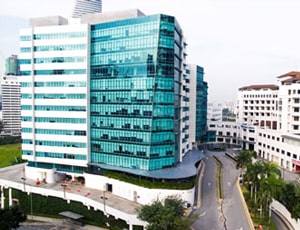
Prince Court is a private medical facility in the center of Kuala Lumpur that has 277 individual beds. Our dedication is to provide you with the best treatment possible from the time you arrive until you depart, healthier and happier. We are well-known for our top-notch facilities, cutting-edge technology, and friendly customer service.

TLIF in ParkCity Medical Centre: Costs, Top Doctors, and Reviews

Kuala Lumpur, Malaysia

  • Joint Commission International, or JCI

In Kuala Lumpur, Malaysia, ParkCity Medical Centre is a 300-bed, cutting-edge, interdisciplinary private hospital that provides award-winning private healthcare in an environment of lush vegetation.

TLIF in Subang Jaya Medical Centre: Costs, Top Doctors, and Reviews

Kuala Lumpur, Malaysia

  • Joint Commission International, or JCI

Subang Jaya Medical Center is renowned for pioneering radiation oncology treatments and infrastructure in Malaysia. The hospital also has a state-of-the-art Cancer Radiosurgery Centre (CRC), which is fully furnished with the latest medical technology for cancer detection, monitoring, and treatment.

TLIF in Ara Damansara Medical Centre: Costs, Top Doctors, and Reviews

Kuala Lumpur, Malaysia

  • Joint Commission International, or JCI

Situated at the junction of Petaling Jaya and Shah Alam, close to the Oasis Ara, Ara Damansara Medical Centre boasts a serene, luxurious ambiance.

The Centre has been awarded several prestigious awards such as the Global Health Asia Pacific Awards 2023, Newsweek Best Specialized Hospital APAC 2023, Healthcare Asia Awards 2023, and Malaysian Healthcare Wellness Excellence.

TLIF in Bukit Tinggi Medical Centre: Costs, Top Doctors, and Reviews

Kuala Lumpur, Malaysia

As a tertiary care hospital, Bukit Tinggi Medical Centre (BTMC) is committed to providing high-quality, reasonably priced healthcare.

With a focus on patient care and a team of committed medical professionals and personnel, we want to realize our ambition of becoming Klang's go-to healthcare provider. Orthopedics, neurosurgery, cardiac surgery, obstetrics and gynecology, pediatrics and rehabilitation, aesthetic surgery, and other specialties are all part of our multidisciplinary team approach. Additionally, BTMC has a Health Screening Center that provides a range of health packages to meet the requirements of diverse patient types.

Need Some Advice From Our Experts?

Request a Call Back Now!

Our team of healthcare experts would be happy to assist you

trusted Patientstrusted Patients+99
Trusted by 50000+ Patients
Required | alphabets and spaces
Required | A valid, working email address
Required | A valid contact

Process Involved for TLIF in Malaysia

  • Consultation with a specialist: A spine surgeon evaluates the patient’s medical history, symptoms, and imaging (MRI, CT, X-rays) to assess the severity of the spinal issue.
  • Preoperative Testing and Imaging: MRI and CT scans determine the extent of the problem and the exact location of the nerve compression or instability.
  • Personalised Treatment Plan: The surgeon discusses treatment options, including surgical approach, implant types, anesthesia options, and expected recovery.
  • Surgical Procedure: The TLIF procedure is performed. The surgeon removes the damaged disc, inserts a bone graft or interbody cage, and uses screws and rods for stabilisation.
  • Postoperative Care: Recovery includes pain management, physical therapy, and regular follow-up appointments to monitor healing and spinal function.
  • Degenerative Disc Disease
  • Spondylolisthesis (slippage of the vertebrae)
  • Herniated Discs
  • Spinal Instability
  • Spinal Stenosis
  • Chronic Lower Back Pain
  • Failed Back Surgery Syndrome
  • Individuals suffer from chronic lower back pain, often caused by degenerative disc disease, herniated discs, spinal instability, or spondylolisthesis.
  • Patients suffering from nerve compression (e.g., sciatica, radiculopathy) who have not responded to conservative treatments such as physical therapy, medicines, or injections.
  • Candidates who have failed a previous back surgery (Failed Back Surgery Syndrome).
  • Individuals with good general health, no active infections, severe osteoporosis, or substantial spinal abnormalities.
  • Spinal Cage Implants
  • Bone Grafts
  • Screws, rods, and plates used to stabilise the spine and allow fusion to occur
  • Interbody Cages: Devices placed between vertebrae to support the spine during healing
  • Laminectomy (removal of part of the vertebra to relieve nerve pressure)
  • Spinal Decompression
  • Bone Grafting
  • Pain Management Injections
  • Physical Therapy
  • Relieves chronic back pain and nerve compression.
  • Stabilises the spine, increasing movement and functionality.
  • Addresses the fundamental causes of spinal instability and degenerative disorders.
  • It requires less recovery time than standard fusion methods and has fewer problems.
  • Restores appropriate spinal alignment, lowering the risk of future deterioration.
  • Orthopedic Surgeon
  • Neurosurgeon
  • Physiotherapist
  • Fill out the inquiry form: Fill out the form to provide us with the relevant information about your condition.
  • Consult with Our Healthcare Expert: One of our qualified specialists will contact you for a consultation.
  • Receive a Detailed Treatment Plan: After examining your situation, we will provide you with a detailed treatment plan that includes expert views and cost breakdowns for various choices.
  • Choose your preferred option: Choose the treatment option that suits you the best.

Instantly Connect with our TLIF Specialists

Doctor 1
Doctor 2
Doctor 3
Doctor 4
Doctor 5
Doctor 6
Doctor 7
Doctor 8
Our Services to Better your Experience

Opinion & Option

We submit the most accurate opinion and options from one or more countries for your review

Consult Privately

Consult with a certified specialist privately on our telemedicine platform even before you decide to travel

Logistics

We handle flights, visas, transfers, and accommodation—so you can focus on your health.

Recovery

Our In-house rehabilitation service packages to better your recovery and treatment outcome

Other Popular Countries for TLIF

Our network connects you with the leading medical tourism destinations globally, offering a wide range of cities, top doctors, and flexible pricing options.

Spain
United Arab Emirates
Vietnam
Italy

Conditions treated by TLIF

Frequently Asked Questions

While depending upon a range of factors, the minimum cost for TLIF in Malaysia is USD 12000. MSQH are just some of the accreditations which top hospitals in Malaysia hold where a TLIF is conducted.

TLIF cost in Malaysia varies from one hospital to the other. Some of the best hospitals for TLIF offer a comprehensive package that covers the end-to-end expenses related to investigations and treatment of the patient. The TLIF procedure in Malaysia includes the fees of the surgeon, hospitalization and anesthesia as well. There are many things that may increase the cost of TLIF in Malaysia, including prolonged hospital stay and complications after the procedure.

There are several best hospitals for TLIF in Malaysia. The following are some of the most renowned hospitals for TLIF in Malaysia:

  1. Parkway Pantai

While the speed of recovery may vary from patient to patient, they are still required to stay for about 21 days after discharge. During this time, the patient undergoes medical tests and consultations. this is to ensure that the treatment was successful and the patient us safe to return.

Apart from the TLIF cost, there are a few other daily charges that the patient may have to pay. These are the charges for daily meals and accommodation outside the hospital. The per day cost in this case may start from USD 50 per person.

The following are some of the best cities for TLIF in Malaysia:

  • Kuala Lumpur

The patient has to spend about 3 days in the hospital after TLIF for proper recovery and to get clearance for discharge. The patient is subjected to several biochemistry and radiological scans to see that everything is okay and the recovery is on track. After making sure that patient is clinically stable, discharge is planned.

There are more than 1 hospitals that offer TLIF in Malaysia. The above listed clinics are approved to perform the surgery and have proper infrastructure to handle TLIF patients. Also, these hospitals follow the necessary guidelines as required by the medical associations for the treatment of TLIF patients.

Some of the top medical specialists for TLIF in Malaysia are:

  1. Dr. John George

Author

Dr. Shagufta Parveen

Doctor of Pharmacy

1.5 Years of Experience

Dr. Shagufta Parveen is a medical and scientific content writer with expertise in clinical pharmacology and pharmacotherapeutics. She holds a B.Pharm and Doctor of Pharmacy (Post-Baccalaureate) degree from Teerthanker Mahaveer University, Moradabad. During her clinical stint at BLK-Max Super Speciality Hospital and Indraprastha Apollo Hospital, she gained hands-on experience in the Clinical Pharmacology Department. Combining scientific knowledge with strong medical writing skills, Dr. Shagufta develops evidence-based healthcare content, treatment guides, and patient education resources. Her work focuses on simplifying complex medical concepts while maintaining scientific accuracy, helping readers better understand healthcare advancements and treatment options. . View More

Reviewer

Dr. Manoj Miglani

Orthopedic Surgeon

22 Years of Experience

Known for his soft-spoken nature, Dr. Manon Miglani had completed his MBBS from Maulana Azad Medical College and MS (Ortho) for All India Institute of Medical Sciences. Dr. Miglani was awarded AO spine fellowship from Queen’s Medical Center, Nottingham and he also received Stryker fellowship in Arthroplasty from Indraprastha Apollo Hospital. Dr. Manon Miglani has provided his expert services to various hospitals of Delhi and NCR including AIIMS, Indraprastha Apollo, Jaipur Golden hospital, and Artemis hospital Presently, Dr. Manon is the additional director of Fortis, Vasant Kunj and senior consultant at Fortis, Shalimar Bagh. View More