Your Notifications
All done, no notifications

Shoulder Arthroscopy Cost in Czechia

USD 3500 - USD 15000

Affordable World-class Treatment - Accredited Hospitals - Free Treatment Plan in 24 Hrs

1-2 hrs
Procedure Time
85 - 95%
Success Rate
JCI/ISO 100,000+ Patients 24X7 Coordinator Visa & Travel handled
Your all-in-one medical travel platform for treatment, recovery & care.

Get Your Personalised Treatment Plan in Just 24 Hours.

Share your details to receive a personalised treatment plan, estimated costs, hospital recommendations, and expert guidance, “completely free.”

Required | alphabets and spaces
Required | A valid, working email address
Required | A valid contact
Connect with an Expert

Your information is protected with HIPAA-compliant security standards. We only share your details with hospitals after your consent.

Estimated Treatment Cost
USD 3500 - USD 15000
All-inclusive • Hospital + Medications + Recovery Assistance + Dedicated Care Coordinator

International Quality. Affordable Care.

How Much Does Shoulder Arthroscopy Cost in Czechia?

The cost of Shoulder Arthroscopy in Czechia is USD 2900 - USD 4500.

However, this cost can vary depending on several factors, including the type and severity of the condition, treatment techniques chosen, the healthcare facility's location and reputation, the treating professionals' experience and specialisation, and the patient's overall health status.

Additionally, factors like the duration of treatment, the need for follow-up care, and the use of advanced technologies or specialised treatments can further influence the overall cost.

Factors Influencing the Cost of Shoulder Arthroscopy:

  • Type of Procedure: The cost may vary according to the kind of shoulder problem and the surgical approach.
  • Hospital and Location: Healthcare costs vary by location. Hospitals in urban areas or those with higher operating expenses may charge more than rural hospitals.
  • Pre-Treatment Tests: Diagnostic imaging such as MRI can add to the cost.
  • Post-Treatment Care: Rehabilitation, medications, and follow-up consultations also impact the expenses.
  • Length of Hospital Stay: Hospital stays may become more expensive due to complicated surgeries or complications.

What's included in your Shoulder Arthroscopy quote?

Shoulder Arthroscopy
Minimally invasive surgery to diagnose and treat shoulder joint conditions
Orthopaedic consultation
Pre-surgery evaluation, treatment planning, and follow-up consultations
Procedure & supportive care
Arthroscopic surgery, anesthesia, nursing care, and recovery monitoring
Follow-up monitoring
Wound assessment, physiotherapy guidance, and routine follow-up visits
Visa & medical-visa invite letter
Airport pickup & transfers

Cost of Shoulder Arthroscopy in Major Cities of Czechia

CityCost (USD)
Brno $2,900 – $4,500 Explore More
Prague $2,900 – $4,500 Explore More

Shoulder Arthroscopy - Czechia Vs the World

$0 - $0
$2k - $4k
$3k - $4k
$4k - $6k
$4k - $5k
$4k - $30k
$5k - $8k
$6k - $18k
$7k - $32k
$7k - $10k
$7k - $13k
$8k - $15k
$10k - $16k
Tanya Bose
Author

MSc Biotechnology

4 Years of Experience

Tanya Bose is a medical content specialist with a strong medical background. She has completed her Bachelor's and Master’s in Biotechnology from Amity University. With a deep understanding of biomedical sciences and research, she develops authoritative and patient-focused medical content covering treatments, surgical procedures, and healthcare innovations. Her writing emphasizes accuracy, clarity, and evidence-based information to help readers better understand complex medical topics. She is dedicated to improving patient awareness and supporting informed healthcare decisions by delivering trustworthy medical insights in a clear and accessible format.
View More
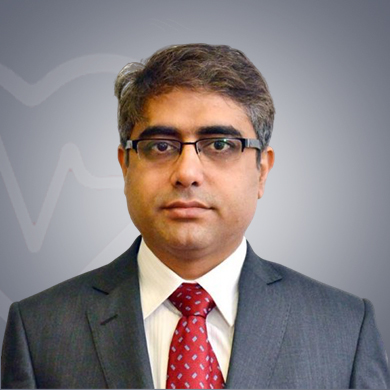
Dr. Manoj Miglani
Reviewer

Orthopedic Surgeon

22 Years of Experience

Last Reviewed - June 2026

Known for his soft-spoken nature, Dr. Manon Miglani had completed his MBBS from Maulana Azad Medical College and MS (Ortho) for All India Institute of Medical Sciences. Dr. Miglani was awarded AO spine fellowship from Queen’s Medical Center, Nottingham and he also received Stryker fellowship in Arthroplasty from Indraprastha Apollo Hospital. Dr. Manon Miglani has provided his expert services to various hospitals of Delhi and NCR including AIIMS, Indraprastha Apollo, Jaipur Golden hospital, and Artemis hospital Presently, Dr. Manon is the additional director of Fortis, Vasant Kunj and senior consultant at Fortis, Shalimar Bagh.
View More

Need Help Choosing the Right Treatment? Talk to a Medical Advisor

Our dedicated Medical Patient Advisors are here to answer your questions, help you compare treatment options, estimate costs, and guide you through every step of your healthcare journey.

15 min
Average response time

Serving Patients Worldwide in Multiple Languages.

A shoulder arthroscopy is a minimally invasive procedure conducted to inspect, diagnose, and rectify the problems involving the shoulder joint. During a shoulder arthroscopy, a small device attached to a camera is inserted into the shoulder to diagnose the reason for pain in the shoulder, among other problems.

Miniature surgical instruments are also inserted into the shoulder to rectify the identified problem. Such a surgery is known as arthroscopic shoulder surgery. When shoulder replacement is conducted with the help of arthroscopy, the procedure is known as arthroscopic shoulder replacement.

At each stage of the arthroscopic shoulder surgery, the surgeon is guided by an image displayed on the television screen. This is a minimally invasive procedure that ensures a quick recovery.

The shoulder has three bones, namely:

  • the clavicle (the collarbone),
  • scapula (the shoulder blade),
  • and humerus (the upper arm bone).

A rotator cuff tear, articular cartilage, labrum, and surrounding soft tissues can be the cause of pain in the shoulder joint. These areas can get damaged or distorted as a result of some accidents. The actual cause of pain can be diagnosed with the help of a shoulder arthroscopy. Sometimes, age-related wear and tear can is also responsible for shoulder joint-related pain and problems.

A physician may recommend a shoulder arthroscopy if your shoulder does not respond well to other alternative treatments such as exercising and physiotherapy. Common rotator cuff surgery can be used to conduct rotator cuff repair, removal or repair of the labrum, repair of ligaments and recurrent shoulder dislocation, and bone spur removal. Some of the less common procedures may include fracture repair, cyst excision, and nerve release.

Shoulder arthroscopy is employed to diagnose and treat shoulder joint pathology when other pharmacological or physical therapy measures fail. It is applied to rotator cuff tears, labral tears, frozen shoulder, shoulder impingement syndrome, and recurrent shoulder dislocations. Via small incisions, the operating surgeon can utilise a camera and special instruments to see, repair, or eliminate affected tissue. In contrast to open surgery, it is less invasive and promotes a faster recovery.

You must consult an orthopaedic specialist if your shoulder pain, stiffness, weakness, or limited range of motion does not improve with rest, medication, or physical therapy. If a diagnostic imaging test indicates injury that requires surgery, or symptoms significantly compromise daily function or quality of life, shoulder arthroscopy is an option.

The physician will review your medical history, allergies, prescription medications, and previous shoulder issues before surgery. Imaging tests like MRI or ultrasound establish the diagnosis. You may be instructed to discontinue a few medicines a few days before surgery. Before the surgery, you must typically fast for a couple of hours. Furthermore, instructions on anaesthetic and post-operative care will also be provided to you.

  • Anaesthesia: Localised nerve block or general anaesthesia is used.
  • Positioning: The patient is placed in the lateral decubitus or beach chair position.
  • Incision: The shoulder is enveloped by small incisions known as portals.
  • Camera Insertion: A small camera known as an arthroscope is inserted to see the joint.
  • Tissue repair: Specific instruments remove inflammatory tissue and bone spurs or repair tears.
  • Closure: Sterilised dressings and sutures or steri-strips are applied to close incisions.

Depending on the complexity of the treatment, a shoulder arthroscopy typically takes one to two hours.

Potential risks include infection, haemorrhage, blood clots, nerve or vascular damage, stiffness, or incorrect healing of the treated tissue. Occasionally, revision surgery or persistent pain may be required.

Compared to open surgery, shoulder arthroscopy is less invasive, meaning less pain, fewer scars, and quicker recovery. It effectively minimises pain, enhances range of motion, and allows for a return to sports or activities. It also provides for the accurate diagnosis of joint problems and treatment specifically.

During healing, pain needs to be controlled with medication and rest. Depending on the nature of the repair, a sling is usually worn for several days to several weeks. Physical therapy begins soon after surgery to regain strength and range of motion. Most patients return to light activities within a week, and in three to six months, they can resume hard lifting or sports.

85% to 95% of patients describe a significant enhancement in function and pain relief after shoulder arthroscopy, suggesting an excellent success rate. The outcome depends on the severity of the disease and adherence to rehabilitation principles.

90–95%

Success rate for pain relief and improved shoulder function

Same day

Typical hospital stay (may require an overnight stay in some cases)

4–8 weeks

Return to normal daily activities depending on recovery and rehabilitation
Explore Hospitals ( 2 )

Prague, Czechia

170+ Beds · 26+ Procedures
JCI
Starting
USD 3500

Brno, Czechia

137+ Procedures
JCI
Starting
USD 8000

Get Your Shoulder Arthroscopy
Plan in 24 hrs.

Our experienced Medical Patient Advisors have supported 100,000+ patients across 120+ countries with personalised treatment plans, hospital recommendations, cost estimates, and travel assistance, all free.

HIPAA-Compliant Data SecurityShared Only with Your Consent

Free Consultation No Obligation Personalized Treatment Plan Response Within 24 Hours

Required | alphabets and spaces
Required | A valid, working email address
Required | A valid contact

Your medical info is kept HIPAA-style confidential. We never share with hospitals without your consent.

Process Involved for Shoulder Arthroscopy in Czechia

  • Consultation with a specialist: An orthopedic surgeon evaluates the patient's condition, medical history, and range of motion.
  • Preoperative Testing and Imaging: X-rays, MRIs, and CT scans are utilised to assess the degree of the injury and plan the treatment.
  • Personalised Treatment Plan: The surgeon reviews the treatment options, surgical approach, anticipated recovery time, and associated risks.
  • Surgical Procedure: The surgeon uses a small camera (arthroscope) and tiny instruments inserted through small incisions.
  • Postoperative Care: The patient is evaluated for pain relief, and a rehabilitation plan is developed, which includes physical therapy and follow-up consultations to assess recovery.
  • Rotator Cuff Tears
  • Shoulder Impingement Syndrome
  • Labral Tears
  • Frozen Shoulder
  • Shoulder Instability
  • Biceps Tendonitis
  • Shoulder Arthritis
  • Individuals suffering from shoulder pain or dysfunction who have not responded well to conservative treatments such as physical therapy or medicines.
  • Patients who have sustained shoulder injuries such as rotator cuff tears, impingement, labral tears, or shoulder instability.
  • Candidates with joint diseases such as arthritis or shoulder dislocations who need minimally invasive surgery.
  • Patients who have failed non-surgical therapy but are otherwise healthy enough to receive surgery.
  • Suture Anchors for Labral or Rotator Cuff Repair.
  • Arthroscopic shavers and cutters for soft tissue removal.
  • Bioabsorbable screws or anchors for stabilisation operations.
  • Rotator Cuff Repair
  • Labral Repair
  • Synovectomy
  • Bursectomy
  • Shoulder Decompression
  • Capsular Release
  • Tendon Repair
  • The method is minimally invasive and causes less tissue injury.
  • The recovery period is faster than with standard open surgery.
  • Reduced discomfort and enhanced shoulder function.
  • Restores mobility, allowing patients to resume daily activities and sports.
  • Reduced risk of complications
  • Orthopedic Surgeon
  • Physiotherapist
  • Fill out the inquiry form: Fill out the form to provide us with the relevant information about your condition.
  • Consult with Our Healthcare Expert: One of our qualified specialists will contact you for a consultation.
  • Receive a Detailed Treatment Plan: After examining your situation, we will provide you with a detailed treatment plan that includes expert views and cost breakdowns for various choices.
  • Choose your preferred option: Choose the treatment option that suits you the best.
Jenny Wilson
Your Dedicated Medical Patient Advisor
Treatment planning • Hospital coordination • Multilingual support • Response within 15 minutes.
Our Services to Better your Experience

Opinion & Option

We submit the most accurate opinion and options from one or more countries for your review

Consult Privately

Consult with a certified specialist privately on our telemedicine platform even before you decide to travel

Logistics

We handle flights, visas, transfers, and accommodation—so you can focus on your health.

Recovery

Our In-house rehabilitation service packages to better your recovery and treatment outcome

Patient Stories

Kevin Stewart
Kevin Stewart
Kevin Stewart: Slip Disc Treatment in UAE

Kevin Stewart from Scotland could barely walk straight due to a Slip Disc. He faced many discomforts for the past…

Mr.Mohamed Dumia
Mr.Mohamed Dumia
Mr.Mohamed Dumia: Knee Replacement

Mr. Muhammed Dumia was suffering from painful left Knee and was in considerable pain for the last 2 months. He…

Frequently Asked Questions

The cost of shoulder arthroscopy in Czechia is USD 2900 - 4500, depending on the type and complexity of the procedure, the surgeon's expertise, the hospital, anaesthesia, diagnostic tests, implants if required, and postoperative rehabilitation. The final estimate may vary if additional procedures such as rotator cuff repair or labral repair are performed.

Some of the best hospitals in Czechia for Shoulder Arthroscopy include:
  • Czech Medical Center
  • Rehabilitation Clinic Malvazinky
  • Choose an experienced orthopedic surgeon specialising in shoulder and sports injuries who regularly performs arthroscopic procedures. Consider the surgeon's experience with your specific condition, surgical outcomes, hospital facilities, rehabilitation support, and experience treating international patients.

    Shoulder arthroscopy can be used to diagnose and treat several conditions, including rotator cuff tears, shoulder instability, labral injuries, impingement, cartilage damage, bursitis, and certain forms of shoulder pain that have not responded adequately to conservative treatment.

    The procedure commonly takes around 1-2 hours, although the duration varies depending on the condition being treated and whether multiple procedures are performed during the same operation.

    Arthroscopy uses small incisions and a camera to access the shoulder joint and may result in less tissue disruption and faster initial recovery for appropriate conditions. However, open surgery may be more suitable for certain complex injuries. The surgeon selects the approach based on the patient's condition.

    Gentle movement may begin soon after surgery when medically appropriate, but the timing depends on the procedure performed. Patients undergoing rotator cuff or labral repair may need to protect the shoulder for several weeks before progressing to active movement and strengthening.

    Return to sports depends on the procedure, healing, strength, range of motion, and rehabilitation progress. Some patients may resume lighter activities within weeks, while those undergoing tendon or labral repair may require several months before returning to unrestricted sports.

    Shoulder arthroscopy generally provides good outcomes when performed for an appropriate condition by an experienced surgeon. The success rate is 85-95%, and depends on the underlying problem, severity of injury, patient's age and health, surgical technique, and adherence to postoperative rehabilitation.

    Hospitals may use high-definition arthroscopic cameras, advanced imaging, specialised surgical instruments, and minimally invasive techniques. Depending on the condition, procedures may include rotator cuff repair, labral repair, decompression, removal of damaged tissue, or treatment of shoulder instability.

    Potential complications include infection, bleeding, nerve or blood-vessel injury, stiffness, persistent pain, blood clots, damage to surrounding tissues, and recurrence of the original shoulder problem. Complications vary according to the procedure performed and the patient's overall health.

    Before travelling, share your MRI or other imaging, orthopedic reports, previous treatment records, medication list, and relevant medical history with the treating team. Your surgeon may recommend additional investigations and advise you about medications, fasting, smoking, and physiotherapy before surgery.

    Yes. International patients can often arrange an online consultation with an orthopedic or shoulder specialist. The doctor can review your imaging and medical history, discuss the diagnosis and surgical options, and provide a preliminary treatment plan before you travel.

    Patients should generally bring their passport, medical records, orthopedic consultation reports, MRI or X-ray images and reports, previous treatment or surgical records, laboratory results, medication list, and allergy information. Insurance or referral documents should also be carried when applicable.

    Shoulder arthroscopy is often performed as a day-care or short-stay procedure. International patients may need to remain in Czechia for several days or longer depending on the complexity of surgery, postoperative assessment, and rehabilitation requirements.

    Initial recovery usually takes several weeks, but complete recovery can take a few months depending on the procedure. Simple arthroscopic procedures may allow faster recovery, while rotator cuff or labral repairs require a longer rehabilitation period. Physiotherapy is an important part of recovery.

    If complications occur, the treating orthopedic team can evaluate and manage them through medication, wound care, physiotherapy, additional imaging, or further intervention when necessary. International patients should arrange postoperative follow-up and obtain clearance before returning home.

    International patients can submit their medical records and imaging for review by a shoulder specialist. After evaluation, the hospital or medical travel provider can coordinate consultation, treatment planning, cost estimates, hospital admission, travel arrangements, and postoperative care.

    Czechia may offer access to experienced orthopedic and shoulder specialists, modern hospitals, minimally invasive surgical techniques, and structured rehabilitation services. Patients should compare surgeon expertise, hospital infrastructure, treatment outcomes, total costs, and international patient support before making a decision.

    Treatment depends on the underlying shoulder condition. Arthroscopic options may include rotator cuff repair, labral repair, shoulder stabilization, subacromial decompression, removal of loose or damaged tissue, treatment of cartilage problems, and other minimally invasive procedures.

    Not Sure About Your Treatment Plan? Get a Free Second Opinion

    Have your reports reviewed by independent oncology experts to help you make a confident treatment decision, all online within 48 hours.

    Upload Your Reports
    Free second opinion on your CAR-T plan