Your Notifications
All done, no notifications

Oral cancer Treatment Cost in Gurgaon

Starts from USD 7500

Disclaimer: Cost range is subject to change based on clinical evaluation.

Affordable World-class Treatment - Accredited Hospitals - Free Treatment Plan in 24 Hrs

3
Days in Hospital
3-8 hrs
Procedure Time
70 - 90%
Success Rate
Oral cancer Treatment: Cost, Procedure and Clinics | MediGence
JCI/ISO 100,000+ Patients 24X7 Coordinator Visa & Travel handled
Your all-in-one medical travel platform for treatment, recovery & care.

Get Your Personalised Treatment Plan in Just 24 Hours.

Share your details to receive a personalised treatment plan, estimated costs, hospital recommendations, and expert guidance, “completely free.”

Required | alphabets and spaces
Required | A valid, working email address
Required | A valid contact

Your information is protected with HIPAA-compliant security standards. We only share your details with hospitals after your consent.

Estimated Treatment Cost
Starts from USD 7500
All-inclusive • Hospital + Medications + Recovery Assistance + Dedicated Care Coordinator

International Quality. Affordable Care.
The average cost of Oral cancer Treatment in Gurgaon starts from USD 7500.

Cost of Oral cancer Treatment in Major Cities of India

CityCost (USD)
Bangalore Starting $7k Explore More
Chennai Starting $7k Explore More
Delhi Starting $7.5k Explore More
Faridabad Starting $7k Explore More
Ghaziabad Starting $8k Explore More
Gurgaon Starting $7.5k Explore More
Gurugram Starting $7k Explore More
Hyderabad Starting $8k Explore More
Kochi Starting $7k Explore More
Mohali Starting $8k Explore More
Mumbai Starting $8k Explore More
Noida Starting $7k Explore More
Panjim Starting $8k Explore More
Dr. Abdullah Rahil
Author

MPT (Neuro)

7 Years of Experience

Dr. Abdullah Rahil, M.P.T. (Neurology), is a dedicated physiotherapy professional specializing in orthopedic, neurological, and musculoskeletal rehabilitation. With strong clinical expertise, he focuses on improving patient mobility, reducing pain, and restoring functional independence through evidence-based rehabilitation techniques. He is skilled in advanced therapeutic approaches that support effective rehabilitation and recovery for a wide range of musculoskeletal and neurological conditions, focusing on improving mobility, reducing pain, and restoring functional independence. Dr. Rahil has extensive experience managing diverse rehabilitation cases. His patient-centered approach emphasizes personalized treatment plans, continuous assessment, and comprehensive rehabilitation to achieve optimal recovery outcomes.
View More
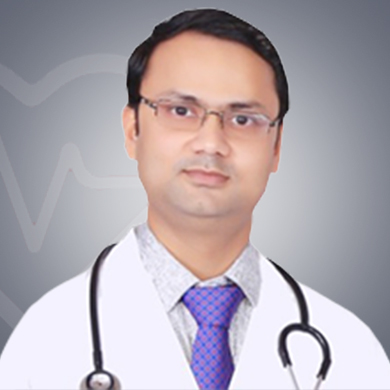
Dr Prateek Varshney
Reviewer

Surgical Oncologist

15 Years of Experience

Last Reviewed - June 2026

Dr. Prateek Varshney is a renowned Surgical Oncologist. He has experience of more than 15+ years in surgical Oncology. He is currently practicing as a consultant at Metro Mass Hospital and Cancer Institute. He was also previously associated as a consultant with Sir Ganga Ram Hospital and as a professor at Gujarat Cancer Research Institute.
View More

Need Help Choosing the Right Treatment? Talk to a Medical Advisor

Our dedicated Medical Patient Advisors are here to answer your questions, help you compare treatment options, estimate costs, and guide you through every step of your healthcare journey.

15 min
Average response time

Serving Patients Worldwide in Multiple Languages.

Mouth cancer, also known as oral cavity cancer, encompasses cancers that develop in various parts of the mouth, including the lips, gums, tongue, inner lining of the cheeks, roof of the mouth, and floor of the mouth (below the tongue).

Oral cancer belongs to a group of cancers known as head and neck cancers, which are often treated using similar approaches.

Risk Factor

Some of the oral cancer risk factors are:

  • Smoking tobacco (cigarettes, cigars, and pipes) includes nitrosamines and other cancer-causing compounds. Passive smokers are also at a slightly higher risk of developing mouth cancer.
  • Chewing tobacco: The use of any sort of tobacco is one of the leading causes of oral cancer. Chewing tobacco is not a safe replacement for cigarettes. It is a common practice in areas of Asia, as well as among various European, North American, and Australian immigrant communities. Tobacco and betel contain toxic chemicals that can lead to mouth cancer.
  • Alcohol consumption: Drinking too much alcohol raises the risk of mouth cancer. Using tobacco and alcohol provides a far larger risk than using either substance alone.
  • Poor nutrition: A lack of vitamins and minerals, such as iron or folic acid, in the diet can cause a breakdown in the oral mucosa, making people more susceptible to oral cancer. People should consume sufficient proteins, vitamins, and minerals to reduce their risk of developing mouth cancer. Fresh fruits and vegetables include a high concentration of antioxidants, vitamins, and other elements that assist protect bodily cells.
  • A family history of disease: People who have a close relative who has had mouth cancer are somewhat more likely to develop the disease.
  • Human papillomavirus (HPV): Although HPV can contribute to some types of cancer, this does not imply that people develop these cancers as a result of an infection. HPV can be transmitted to another person through sexual contact, however, for the majority of people, the virus is harmless and causes no problems. Only a small fraction of HPV-positive individuals develop mouth cancer.

Oral cancer treatment is administered to remove or kill cancer cells in the mouth, tongue, gums, inside the cheeks, or throat and to prevent further spread of cancer. The focus is on maintaining as much functionality as possible (speech and swallowing) while destroying the tumour).

Visit a doctor if you have recurring mouth sores, lumps, difficulty swallowing, hoarseness, red or white patches, or sudden bleeding. These are oral cancer warning signs, especially if they persist for over 2 weeks. Be very cautious if you are a high-risk category individual (e.g., tobacco or alcohol user).

Preparation involves diagnostic tests such as biopsy, imaging (CT, MRI, or PET scans), and dental evaluation. If surgery is to be performed, patients may need nutritional assessment, speech therapy evaluation, and tobacco/alcohol abstinence. Psychological counselling is also required.

Treatment depends on the stage and location of the cancer. It may involve:

  • Surgery: It is to remove the tumor and possibly the lymph nodes.
  • Radiation therapy: It is used to destroy cancer cells.
  • Chemotherapy or targeted treatment: They are utilised for advanced or malignant cancer.
  • Reconstructive Surgery: Reconstruction can then follow to restore form or function.

Surgeries may take 2 to 6 hours, based on complexity. Radiation therapy is administered daily for 6\u20137 weeks, and chemotherapy is administered in cycles over several weeks. Intensive treatments add to the duration.

  • Infection
  • Bleeding
  • Pain
  • Facial disfigurement
  • Difficulty speaking or swallowing
  • Dry mouth
  • Fatigue

Treatment can cure cancer, extend lifespan, and enhance quality of life. With proper treatment, early cancers have a suitable prognosis.

Recovery varies with the type of treatment. Surgery can take hospitalisation (a few days to weeks) and speech and swallowing rehabilitation. Radiation and chemotherapy have side effects that must be managed on an ongoing basis. Regular follow-up should be done to detect recurrence.

Success rates vary by location and stage. Initial cancers diagnosed early have a 5-year survival rate of 70\u201390%, with lower success in advanced stages.

70–90%

Treatment success rate for early-stage oral cancer

3–7 days

Typical hospital stay (depending on treatment)

4–8 weeks

Return to normal daily activities depending on treatment and recovery
Explore Hospitals ( 7 )

Gurgaon, India

4.1 - 5873 reviews · 750+ Beds · 291+ Procedures
JCI NABH
Starting
USD 8000
Chat with a Medical Advisor

Gurgaon, India

4.2 - 10689 reviews · 1250+ Beds · 280+ Procedures
JCI NABH
Starting
USD 8000
Chat with a Medical Advisor

Gurgaon, India

104+ Beds · 271+ Procedures
ISO NABH NABL
Starting
USD 8000
Chat with a Medical Advisor

Gurgaon, India

4.7 - 62 reviews · 100+ Beds · 42+ Procedures
Chat with a Medical Advisor

Gurgaon, India

4.7 - 15684 reviews · 380+ Beds · 236+ Procedures
NABL NABH
Starting
USD 8000
Chat with a Medical Advisor

Gurgaon, India

3.4 - 39 reviews · 311+ Beds · 273+ Procedures
JCI NABH NABL
Chat with a Medical Advisor

Gurgaon, India

4.5 - 4936 reviews · 250+ Beds · 261+ Procedures
NABH NABL
Starting
USD 7500
Chat with a Medical Advisor

Get Your Oral cancer Treatment
Plan in 24 hrs.

Our experienced Medical Patient Advisors have supported 100,000+ patients across 120+ countries with personalised treatment plans, hospital recommendations, cost estimates, and travel assistance, all free.

HIPAA-Compliant Data SecurityShared Only with Your Consent

✓ Free Consultation ✓ No Obligation ✓ Personalized Treatment Plan ✓ Response Within 24 Hours

Required | alphabets and spaces
Required | A valid, working email address
Required | A valid contact

Your medical info is kept HIPAA-style confidential. We never share with hospitals without your consent.

Process Involved for Oral cancer Treatment in Gurgaon

  • Consultation: Meet with a head and neck expert, oral surgeon, or cancer specialist to discuss the diagnosis, stage, and treatment options.
  • Preoperative Evaluation: A physical exam and imaging studies are conducted to determine the tumour's location, size, and extent.
  • Discussion of treatment: Detail the treatment options available, possibly including radiation treatment, chemotherapy, surgery, or a combination of these methods.
  • Planning the Surgery: If surgery is indicated, a clear explanation of the procedure should be provided, such as the tumour's or injured tissue's excision and restoration as required.
  • After surgery Follow-up: routine follow-up visits to monitor healing and detect any cancer return.
  • Oral cancer (affecting the lips, mouth, tongue, gums, or cheeks)
  • Throat (pharyngeal) cancer
  • Oropharyngeal cancer
  • Cancer of the salivary glands
  • Recommended for patients diagnosed with oral cancer, including cancers of the lips, tongue, mouth, cheeks, gums, and throat.
  • Eligibility is determined based on the type, stage, and location of the cancer, the patient's overall health, and other medical conditions.
  • Surgical resection
  • Reconstruction surgery
  • Chemotherapy
  • Radiation therapy
  • Targeted therapy
  • Reduction or excision of the tumor improves survival and reduces the likelihood of cancer recurrence.
  • Symptom relief like discomfort, difficulty swallowing, and physical alterations.
  • Decreasing the likelihood that the cancer will metastasise to other body parts.
  • Potential for improving speech, swallowing, and overall oral health following surgery or therapy.
  • Improved quality of life due to early cancer detection and successful treatment.
  • Radiation Oncologist
  • Medical Oncologist
  • Fill out the inquiry form: Fill out the form to provide us with the relevant information about your condition.
  • Consult with Our Healthcare Expert: One of our qualified specialists will contact you for a consultation.
  • Receive a Detailed Treatment Plan: After examining your situation, we will provide you with a detailed treatment plan that includes expert views and cost breakdowns for various choices.
  • Choose your preferred option: Choose the treatment option that suits you the best.
Jenny Wilson
Your Dedicated Medical Patient Advisor
Treatment planning • Hospital coordination • Multilingual support • Response within 15 minutes.
Our Services to Better your Experience

Opinion & Option

We submit the most accurate opinion and options from one or more countries for your review

Consult Privately

Consult with a certified specialist privately on our telemedicine platform even before you decide to travel

Logistics

We handle flights, visas, transfers, and accommodation—so you can focus on your health.

Recovery

Our In-house rehabilitation service packages to better your recovery and treatment outcome

Patient Stories

Ms. Monica
Ms. Monica
Monica from Ghana for AV Malformation Treatment in India

Monica from Ghana suffered from AV malformation. She decided to look for options for medical treatment when she started experiencing…

Silim Shabani
Silim Shabani
Patient Testimonial: Silim Shabani for Ovarian Cancer Treatment in Turkey

Nasrin (Sister of the patient ) explains the journey of how MediGence helped for the treatment of Silim Shabani for…

Frequently Asked Questions

The cost of Oral Cancer Treatment in Gurgaon is starts from USD 7500 and depends on several factors, including the stage and location of the cancer, diagnostic tests, treatment modality (surgery, radiation therapy, chemotherapy, immunotherapy, or targeted therapy), hospital charges, surgeon's expertise, reconstruction requirements, and follow-up care. Additional expenses may include PET-CT scans, pathology tests, medications, rehabilitation, and nutritional support.

Choose a multidisciplinary team led by a head and neck surgical oncologist with experience in treating oral cancers. The ideal team should also include medical oncologists, radiation oncologists, reconstructive surgeons, oral and maxillofacial surgeons, speech therapists, nutritionists, and rehabilitation specialists. Consider the doctor's experience, hospital accreditation, treatment outcomes, and access to advanced cancer technologies.

The success rate depends on the stage at diagnosis, tumour location, HPV status (where applicable), and overall patient health. Early-stage oral cancers have cure rates exceeding 70 - 90%, while advanced-stage cancers require multimodal treatment but can still achieve favourable outcomes with comprehensive care.

Leading cancer centres may offer:
  • Robotic head and neck surgery (TORS)
  • Laser-assisted tumour excision
  • Microvascular free flap reconstruction
  • Image-guided surgery
  • Intensity-Modulated Radiation Therapy (IMRT)
  • Image-Guided Radiation Therapy (IGRT)
  • Volumetric Modulated Arc Therapy (VMAT)
  • Proton Beam Therapy (available in selected centres)
  • Chemotherapy
  • Targeted therapy
  • Immunotherapy
  • PET-CT guided treatment planning
  • Molecular pathology and genomic profiling
  • Possible risks include bleeding, infection, pain, difficulty swallowing, speech changes, facial swelling, dry mouth, altered taste, dental complications, nutritional deficiencies, wound healing problems, recurrence of cancer, and treatment-related side effects such as fatigue, nausea, or mucositis. Reconstructive surgery and rehabilitation help restore function in many patients.

    Patients should complete a biopsy, imaging studies (CT, MRI, or PET-CT), blood investigations, dental evaluation, and physician assessment before travelling. Bringing pathology slides or biopsy blocks, controlling existing medical conditions, and discussing nutrition before treatment can improve outcomes.

    Yes. Most cancer centres offer virtual consultations where oncologists review biopsy reports, pathology findings, imaging scans, and medical history to recommend an individualised treatment plan and estimate costs before travel.

    Patients should carry:
  • Passport and medical visa
  • Biopsy and pathology reports
  • Histopathology slides or paraffin blocks (if available)
  • CT, MRI, and PET-CT scans
  • Blood investigation reports
  • Previous treatment records
  • Medication list
  • Referral letters
  • Insurance documents (if applicable)
  • The duration depends on the treatment plan. Surgical treatment generally requires 3-6 weeks, while combined surgery, chemotherapy, and radiation therapy may require 6-12 weeks or longer, including follow-up evaluations and rehabilitation.

    Recovery varies based on the treatment received. Patients undergoing surgery may recover within 4-8 weeks, while complete recovery after combined surgery, radiation, and chemotherapy may take several months. Speech therapy, swallowing rehabilitation, and nutritional support play an important role in recovery.

    Hospitals provide comprehensive post-treatment care through multidisciplinary oncology teams. Complications such as wound infections, swallowing difficulties, speech impairment, nutritional issues, or recurrence are managed through medications, rehabilitation, reconstructive surgery, or additional cancer therapies when required.

    International patients can upload their medical records through the MediGence website in Gurgaon. The MediGence care team will coordinate consultations with experienced head and neck oncologists, recommend suitable hospitals, provide personalized treatment plans and cost estimates, and assist with medical visas, travel arrangements, accommodation, airport transfers, interpreter services, and complete treatment coordination.

    Gurgaon offers internationally accredited cancer centres with experienced multidisciplinary oncology teams, advanced surgical techniques, modern radiation therapy technologies, personalized cancer care, comprehensive rehabilitation, and dedicated international patient services at competitive costs.

    Treatment options may include:
  • Surgical tumour removal
  • Partial or total glossectomy
  • Mandibulectomy or maxillectomy
  • Neck dissection
  • Microvascular free flap reconstruction
  • Radiation therapy
  • IMRT and IGRT
  • Chemotherapy
  • Targeted therapy
  • Immunotherapy
  • Palliative care
  • Speech and swallowing rehabilitation
  • Nutritional support
  • FAQ's Related to India

    The city of Gurgaon is well-known for offering world-class healthcare facilities at an affordable price to both national and international patients. Gurgaon has one of the largest networks of multi-specialty hospitals in India that have expertise in providing advanced treatments such as kidney transplants, knee replacements, and liver transplants. Around 90% of the healthcare centers in Gurgaon have received international accreditations from JCI and NABH. Most doctors in Gurgaon are well-versed in multiple languages including English. Additionally, the hospitals also have a dedicated translation service and international patients office. This enables patients from different parts of the world to travel comfortably to Gurgaon to avail their treatments. The hospitals are equipped with the most modern facilities such as M6 cyberknife, 3 Tesla MRI, Dual Head Gamma camera, Fan Beam BMD, Brachytherapy from Nucletron, and Radisotope therapies. Thus, allowing patients to receive accurate diagnoses and the latest treatments. The medical staff in Gurgaon are also board-certified with extensive experience in their area of expertise.

    Due to their excellence in providing high-quality patient care, most hospitals in Gurgaon are well-recognized internationally. Some of the top hospitals in Gurgaon are:

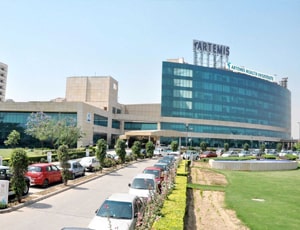
    1. Artemis Hospital: This is the first multi-specialty hospital in Gurgaon to be accredited by NABH and JCI. With more than 600 beds, it offers the most advanced treatments to its patients such as stereotactic body radiotherapy and brain and full body robotic stereotactic radiosurgery. Due to its top-notch inpatient and outpatient services, the hospital attracts many international patients.
    2. Nova Fertility Center: A leading fertility center, it has a high success rate and offers several fertility treatments including intrauterine insemination, in vitro fertilization, and intracytoplasmic sperm injection.
    3. Manipal Hospital: The hospital uses cutting-edge medical technology and a patient-centric approach to deliver the best healthcare to its patients. The hospital provides services in more than 60 specialties.

    The doctors in Gurgaon are well-trained and highly professional individuals who have completed their medical training from reputed institutes. Some of the best doctors in Gurgaon are:

    • Dr. Devendra Singh Solanki: He is a qualified orthopedic surgeon with over 21 years of experience in performing procedures such as knee replacement, hip replacement, total arthroscopy, and ACL reconstruction. He is currently practicing at the Artemis Hospital.
    • Dr. Manish Mahajan: He is an acclaimed neurologist with more than 15 years of experience. Dr. Mahajan is a respected member of the American Academy of Neurology and the Indian Academy of Neurology. He is currently a part of Artemis Hospital.
    • Dr. Sabhyata Gupta: With over 25 years of experience, Dr. Gupta is a well-known obstetrician and gynecologist who can provide effective treatments for conditions such as pelvic pain, uterine fibroids, and ovarian cysts. She practices at Medanta- the Medicity.

    Gurgaon is a significant healthcare hub and is well-connected to different parts of the world through international airlines. If you wish to avoid the hassle of planning for your medical travel, we can help you with visa, accommodation, airport transfers, and priority appointments.

    Not Sure About Your Treatment Plan? Get a Second Opinion

    Get your medical reports reviewed by experienced doctors to help you make a confident treatment decision, all online within 48 hours.

    Upload Your Reports
    Free second opinion on your CAR-T plan