Your Notifications
All done, no notifications

HIPEC Cost in Istanbul

Starts from USD 18000

Disclaimer: Cost range is subject to change based on clinical evaluation.

Affordable World-class Treatment - Accredited Hospitals - Free Treatment Plan in 24 Hrs

10
Days in Hospital
6-10 hrs
Procedure Time
70 - 90%
Success Rate
JCI/ISO 100,000+ Patients 24X7 Coordinator Visa & Travel handled
Your all-in-one medical travel platform for treatment, recovery & care.


Get Your Personalised Treatment Plan in Just 24 Hours.

Share your details to receive a personalised treatment plan, estimated costs, hospital recommendations, and expert guidance, “completely free.”

Required | alphabets and spaces
Required | A valid, working email address
Required | A valid contact

Your information is protected with HIPAA-compliant security standards. We only share your details with hospitals after your consent.

Estimated Treatment Cost
Starts from USD 18000
All-inclusive • Hospital + Medications + Recovery Assistance + Dedicated Care Coordinator

International Quality. Affordable Care.
The Cost of HIPEC in Istanbul is available starts from USD 18000.

Cost of HIPEC in Major Cities of Turkey

CityCost (USD)
Ankara Starting $18k Explore More
Antalya Starting $18k Explore More
Bursa Starting $18k Explore More
Fethiye Starting $30k Explore More
Istanbul Starting $18k Explore More
Kocaeli Starting $20k Explore More
Konya Starting $23k Explore More
Samsun Starting $18k Explore More
Sivas Starting $23k Explore More
Dr. Abdullah Rahil
Author

MPT (Neuro)

7 Years of Experience

Dr. Abdullah Rahil, M.P.T. (Neurology), is a dedicated physiotherapy professional specializing in orthopedic, neurological, and musculoskeletal rehabilitation. With strong clinical expertise, he focuses on improving patient mobility, reducing pain, and restoring functional independence through evidence-based rehabilitation techniques. He is skilled in advanced therapeutic approaches that support effective rehabilitation and recovery for a wide range of musculoskeletal and neurological conditions, focusing on improving mobility, reducing pain, and restoring functional independence. Dr. Rahil has extensive experience managing diverse rehabilitation cases. His patient-centered approach emphasizes personalized treatment plans, continuous assessment, and comprehensive rehabilitation to achieve optimal recovery outcomes.
View More
Dr Prateek Varshney
Reviewer

Surgical Oncologist

15 Years of Experience

Last Reviewed - June 2026

Dr. Prateek Varshney is a renowned Surgical Oncologist. He has experience of more than 15+ years in surgical Oncology. He is currently practicing as a consultant at Metro Mass Hospital and Cancer Institute. He was also previously associated as a consultant with Sir Ganga Ram Hospital and as a professor at Gujarat Cancer Research Institute.
View More

Need Help Choosing the Right Treatment? Talk to a Medical Advisor

Our dedicated Medical Patient Advisors are here to answer your questions, help you compare treatment options, estimate costs, and guide you through every step of your healthcare journey.

15 min
Average response time

Serving Patients Worldwide in Multiple Languages.

HIPEC surgery treats cancer that has metastasized beyond its initial organ by delivering huge doses of chemotherapy into the abdomen. Treating abdominal cancers that have reached the peritoneum, the lining of the abdominal cavity, with standard chemotherapy can be difficult. A more effective treatment is provided through HIPEC surgery.

Hyperthermic Intraperitoneal Chemotherapy, or HIPEC, is used to treat advanced or incurable abdominal malignancies, including appendiceal, colorectal, ovarian, and peritoneal carcinomatosis. By injecting hot chemotherapy straight into the abdomen, it targets cancer cells that remain after a surgical tumour is removed.

If you have been diagnosed with peritoneal or abdominal cancer, get medical advice, particularly if the disease is extensive or not improving with conventional therapy. The suitability of HIPEC as a therapy option can be assessed by a cancer specialist.

With MediGence's coordinated support, which includes blood tests, imaging scans, and a thorough health evaluation, you can easily prepare for HIPEC surgery. MediGence ensures you get the right advice on pre-surgery guidelines, including how to change your medication quickly. To make the entire process more structured and patient-centred, their skilled care staff will help you plan for post-operative recovery and comprehend anaesthetic specifics.

  • First Stage: Cytoreductive Procedure
    • Under the influence of general anaesthesia.
    • The surgeon removes all visible tumours and sick tissue after making an abdominal incision.
  • Stage 2: Intraperitoneal Hyperthermic Chemotherapy (HIPEC)
    • The abdominal cavity is filled with a catheter.
    • A perfusion system circulates heated chemotherapeutic medicines for one to two hours.
    • Following treatment, the incision is closed, the chemotherapy is emptied, and the abdomen is washed with saline solution.
    • The degree of abdominal cancer spread determines how long HIPEC surgery takes. The duration of cytoreductive surgery with the HIPEC technique can range from 6 to 12 hours, with longer operative times needed for more advanced tumours.

      Infection, bleeding, blood clots, liver or renal problems, intestinal damage, and chemotherapy side effects such as nausea, exhaustion, or low blood cell counts are among the risks. Depending on the patient's state and the extent of the malignancy, recovery could be pretty intense.

      Compared to conventional techniques, HIPEC targets cancer cells more precisely by delivering large doses of hot chemotherapy straight into the abdominal cavity. In patients with advanced or incurable abdominal malignancies, this strategy can enhance long-term results, improve drug penetration, and reduce systemic side effects. In cases where conventional chemotherapy is ineffective, it also provides other treatment choices.

      Typically, patients spend seven to fourteen days in the hospital. A full recovery, which involves gradually returning to food, mobility, and daily activities, may take weeks to months. Follow-up treatment and careful observation are crucial.

      With higher survival rates in some individuals, HIPEC has demonstrated encouraging outcomes. Cancer type, stage, and general health all affect success. When conventional treatments are insufficient, they frequently increase life expectancy and enhance quality of life.

      70–90%

      Effective tumor control

      10–14 days

      Typical hospital stay

      6–12 weeks

      to typical return to work
      Explore Hospitals ( 30 )

      Istanbul, Turkey

      4.6 - 1125 reviews · 112+ Beds · 233+ Procedures
      JCI
      Starting
      USD 30000
      Chat with a Medical Advisor

      Istanbul, Turkey

      3.7 - 1903 reviews · 441+ Beds · 296+ Procedures
      JCI
      Starting
      USD 26000
      Chat with a Medical Advisor

      Istanbul, Turkey

      3.8 - 1289 reviews · 804+ Beds · 209+ Procedures
      JCI
      Starting
      USD 35000
      Chat with a Medical Advisor

      Istanbul, Turkey

      3.9 - 3397 reviews · 197+ Beds · 171+ Procedures
      ISO JCI
      Starting
      USD 35000
      Chat with a Medical Advisor

      Istanbul, Turkey

      4.3 - 2386 reviews · 154+ Beds · 253+ Procedures
      JCI
      Starting
      USD 40000
      Chat with a Medical Advisor

      Istanbul, Turkey

      3.5 - 2536 reviews · 186+ Beds · 237+ Procedures
      JCI
      Starting
      USD 26000
      Chat with a Medical Advisor

      Istanbul, Turkey

      3.8 - 1230 reviews · 120+ Beds · 226+ Procedures
      JCI
      Starting
      USD 18000
      Chat with a Medical Advisor

      Istanbul, Turkey

      4.7 - 411 reviews · 44+ Procedures
      JCI
      Chat with a Medical Advisor

      Istanbul, Turkey

      3.6 - 1151 reviews · 63+ Beds · 154+ Procedures
      JCI
      Chat with a Medical Advisor

      Istanbul, Turkey

      4.4 - 3369 reviews · 350+ Beds · 221+ Procedures
      JCI ISO
      Starting
      USD 30000
      Chat with a Medical Advisor

      Get Your HIPEC
      Plan in 24 hrs.

      Our experienced Medical Patient Advisors have supported 100,000+ patients across 120+ countries with personalised treatment plans, hospital recommendations, cost estimates, and travel assistance, all free.

      HIPAA-Compliant Data SecurityShared Only with Your Consent

      ✓ Free Consultation ✓ No Obligation ✓ Personalized Treatment Plan ✓ Response Within 24 Hours

      Required | alphabets and spaces
      Required | A valid, working email address
      Required | A valid contact

      Your medical info is kept HIPAA-style confidential. We never share with hospitals without your consent.

      Jenny Wilson
      Your Dedicated Medical Patient Advisor
      Treatment planning • Hospital coordination • Multilingual support • Response within 15 minutes.
      Our Services to Better your Experience

      Opinion & Option

      We submit the most accurate opinion and options from one or more countries for your review

      Consult Privately

      Consult with a certified specialist privately on our telemedicine platform even before you decide to travel

      Logistics

      We handle flights, visas, transfers, and accommodation—so you can focus on your health.

      Recovery

      Our In-house rehabilitation service packages to better your recovery and treatment outcome

      Patient Stories

      Ms. Monica
      Ms. Monica
      Monica from Ghana for AV Malformation Treatment in India

      Monica from Ghana suffered from AV malformation. She decided to look for options for medical treatment when she started experiencing…

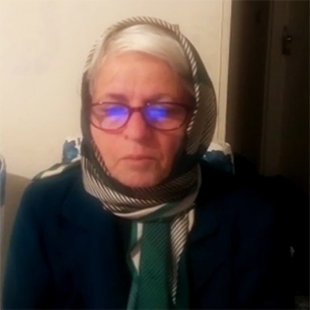
      Silim Shabani
      Silim Shabani
      Patient Testimonial: Silim Shabani for Ovarian Cancer Treatment in Turkey

      Nasrin (Sister of the patient ) explains the journey of how MediGence helped for the treatment of Silim Shabani for…

      Frequently Asked Questions

      The cost of HIPEC in Istanbul may vary depending on the type and extent of cancer, the complexity of cytoreductive surgery, the duration of the procedure, hospital charges, surgeon and oncology fees, intensive care requirements, and the need for additional treatments. The overall cost may include diagnostic tests, surgery, heated chemotherapy, anaesthesia, hospitalisation, medications, postoperative care, and follow-up consultations.MediGence can help international patients explore suitable cancer centres and obtain an estimated treatment plan based on their diagnosis and medical requirements

      The best hospitals for HIPEC in Istanbul are those with experienced surgical oncologists, medical oncologists, anaesthesiologists, critical care specialists, and multidisciplinary cancer teams. Patients should consider hospitals with dedicated peritoneal surface malignancy programmes, advanced operating facilities, specialised HIPEC equipment, intensive care support, and comprehensive postoperative services.

      Patients should choose a surgical oncologist with specialised experience in cytoreductive surgery and HIPEC. Important factors include the doctor’s qualifications, experience in treating peritoneal surface cancers, expertise in complex abdominal surgery, hospital affiliation, and ability to explain the expected benefits, risks, and recovery requirements.The experience of the multidisciplinary team and the hospital’s ability to provide intensive postoperative care are also important considerations.

      The outcomes of HIPEC depend on the type and stage of cancer, the extent of disease within the abdomen, whether complete or near-complete cytoreduction can be achieved, tumour biology, and the patient’s overall health. HIPEC may improve disease control or survival in carefully selected patients with certain peritoneal cancers, but outcomes vary significantly by diagnosis.The treating oncology team can provide a more individualised outlook after reviewing the patient’s imaging, pathology findings, disease extent, and overall clinical condition.

      Hospitals in Istanbul may use advanced imaging, including CT, MRI, and PET scans, along with specialised HIPEC perfusion systems, temperature-controlled chemotherapy delivery, and modern surgical and critical care technologies.HIPEC is generally performed after cytoreductive surgery, during which visible tumours within the abdominal cavity are removed. Heated chemotherapy is then circulated within the abdomen to target microscopic cancer cells. Depending on the diagnosis, HIPEC may be combined with systemic chemotherapy, targeted therapy, immunotherapy, or other cancer treatments.

      HIPEC combined with cytoreductive surgery is a major and complex treatment and may involve certain risks, including:
    • Bleeding or infection
    • Injury to the bowel, bladder, liver, or other abdominal organs
    • Bowel leakage or obstruction
    • Blood clots
    • Kidney dysfunction
    • Low blood cell counts
    • Fluid or electrolyte imbalance
    • Delayed wound healing
    • Prolonged recovery or intensive care requirements
    • Cancer recurrence or progression
    • The treating team will explain the potential risks based on the patient’s condition, cancer type, and planned treatment.

      Before travelling, patients should undergo a detailed medical evaluation and share all relevant records with the treating oncology team. These may include CT, MRI, PET, or other imaging reports, pathology and biopsy results, previous surgery records, chemotherapy details, blood test results, and information about current medications and allergies.Patients should also discuss the expected hospital stay, recovery period, caregiver requirements, nutritional support, and follow-up plan before making travel arrangements.

      Yes. International patients can arrange an online consultation with a surgical oncologist before travelling to Istanbul. The specialist may review imaging, pathology reports, previous treatments, disease extent, and overall health to determine whether cytoreductive surgery with HIPEC may be an appropriate treatment option.MediGence can help coordinate online consultations and facilitate the sharing of relevant medical records with suitable cancer specialists.

      International patients should carry a valid passport and all relevant medical documents, including:
    • CT, MRI, PET, or other imaging reports
    • Pathology and biopsy reports
    • Previous surgery and hospital records
    • Chemotherapy or other cancer treatment records
    • Recent blood test results
    • Current prescriptions and medication details
    • Allergy and medical history records
    • The required stay in Istanbul depends on the cancer type, extent of surgery, postoperative recovery, and follow-up requirements. Since HIPEC is generally combined with major cytoreductive surgery, patients may need an extended hospital stay followed by additional recovery and medical assessment before travelling home.The treating team will recommend an appropriate duration based on the patient’s clinical condition and recovery progress.

      Recovery after HIPEC may take several weeks to months. Patients generally require close monitoring, pain management, nutritional support, gradual physical rehabilitation, and regular follow-up. The recovery timeline depends on the extent of cytoreductive surgery, the patient’s overall health, and the presence of any postoperative complications.

      If complications occur, patients should contact the treating surgical oncology team or seek prompt medical attention. Urgent evaluation may be required for high fever, severe abdominal pain, persistent vomiting, unusual bleeding, wound-related concerns, breathing difficulty, reduced urine output, or sudden worsening of symptoms.Patients should receive clear discharge instructions and a detailed follow-up plan before returning home.

      International patients can begin by submitting their medical details and relevant reports through the MediGence website. After an initial review, the MediGence care team can help patients explore suitable hospitals and experienced surgical oncologists, coordinate consultations, and support treatment planning and medical travel arrangements.The final recommendation for HIPEC is made by the treating multidisciplinary cancer team after a detailed clinical evaluation.

      International patients may choose Istanbul for access to experienced surgical oncology teams, specialised peritoneal cancer programmes, advanced HIPEC technology, modern operating facilities, and comprehensive postoperative care. The destination should be evaluated based on the hospital’s experience with cytoreductive surgery and HIPEC, patient safety standards, intensive care capabilities, and access to long-term follow-up services.

      Treatment options depend on the type and extent of cancer, the location of peritoneal disease, tumour biology, previous treatments, and the patient’s overall health. Depending on the diagnosis, options may include:
    • Cytoreductive surgery with HIPEC
    • Systemic chemotherapy
    • Targeted therapy
    • Immunotherapy
    • Radiation therapy in selected cases
    • Palliative surgery or symptom-directed treatment
    • Supportive and palliative care
    • The multidisciplinary cancer team will recommend the most appropriate treatment plan after reviewing the patient’s diagnostic findings.

      International patients may choose Istanbul for access to specialised surgical oncology centres, experienced multidisciplinary teams, advanced HIPEC systems, and comprehensive treatment and recovery services.MediGence can assist international patients with hospital and specialist selection, medical report coordination, consultation scheduling, treatment planning, and travel-related support. The final destination should be selected according to the patient’s diagnosis, treatment needs, and the hospital’s expertise in performing cytoreductive surgery and HIPEC.

      Not Sure About Your Treatment Plan? Get a Second Opinion

      Get your medical reports reviewed by experienced doctors to help you make a confident treatment decision, all online within 48 hours.

      Upload Your Reports
      Free second opinion on your CAR-T plan