Your Notifications
All done, no notifications

Cost of Thoracic Interbody Fusion Worldwide

Costs starts from Get a Quote
Filters

Thoracic Interbody Fusion is a surgical procedure used to treat spine-related issues in the mid-back area. It is mainly done to reduce nerve or spinal cord pressure and improve spinal stability. The surgeon removes the damaged or degenerated disc between two vertebrae and inserts a bone graft or implant in its place.

This helps the bones gradually join together, forming a solid and stable spinal segment. The surgery not only relieves pain but also improves spine alignment and overall function.

The surgical route can be chosen based on the patient’s condition, with access taken from the front, back, or side of the spine. It is generally recommended when other non-surgical treatments have not been effective, especially for conditions such as disc herniation, spinal instability, fractures, or deformities in the thoracic spine.

Thoracic interbody fusion is a surgical procedure performed to stabilise the thoracic spine (mid-back) and relieve pain or neurological symptoms caused by spinal instability, disc degeneration, herniation, trauma, infection, or deformity (such as scoliosis or kyphosis). It involves removing a damaged intervertebral disc and fusing the adjacent vertebrae using bone grafts and, often, implants such as cages, rods, or screws. The goal is to create a solid bridge of bone between the vertebrae to prevent painful motion and correct structural problems.

You should consider seeing a spine specialist if you have:
  • Persistent mid-back pain that doesn’t improve with medication or therapy
  • Neurological symptoms such as numbness, weakness, or difficulty walking
  • Signs of spinal instability or deformity (visible curve, posture changes)
  • Progressive spinal cord compression is seen on imaging
  • Pain or disability significantly affecting daily activities or quality of life
Thoracic interbody fusion is typically considered after conservative treatments—like physical therapy, injections, or bracing—fail to provide relief.

Preparation includes a comprehensive evaluation to ensure you’re a good candidate for surgery:
  • Detailed medical and neurological exam
  • Imaging studies: MRI, CT scan, and X-rays to assess the spine
  • Blood work and anaesthesia clearance
  • Review of current medications, including blood thinners and supplements
  • Smoking cessation, as it affects bone healing
  • Fasting for 8 hours before surgery (if under general anaesthesia)
  • A preoperative discussion about the risks, benefits, and recovery expectations

Thoracic interbody fusion can be performed through several surgical approaches:Posterior Approach: Accessing the spine through the backAnterior or Lateral Approach: Accessing the spine through the chest or side of the body (often using minimally invasive techniques)The procedure involves:
  • Removal of the damaged disc (discectomy)
  • Preparation of the intervertebral space
  • Insertion of a bone graft or cage to maintain disc height and promote fusion
  • Stabilisation with screws, rods, or plates if needed
  • Closure of the incision and placement of drains (if necessary)
It is performed under general anaesthesia and can take several hours depending on complexity.

The procedure typically lasts 3–6 hours, depending on the surgical approach and the number of levels being fused. Hospital stay is usually 2–5 days, with more time needed for more extensive fusions or open approaches.

As with any spine surgery, thoracic interbody fusion carries potential risks, including:
  • Infection
  • Blood loss
  • Nerve injury or spinal cord damage
  • Non-union (failure of bone to fuse)
  • Hardware complications (loosening or breakage)
  • Pulmonary complications (especially with the anterior approach)
  • Chronic pain or adjacent segment disease
  • Deep vein thrombosis (DVT) or pulmonary embolism
Your surgeon will assess and minimise these risks based on your health and the procedure type.

  • Stabilises and strengthens the spine
  • Reduces or eliminates chronic pain
  • Prevents progression of deformity or instability
  • Protects the spinal cord and nerve roots from further damage
  • Improves posture, mobility, and function
  • It can significantly enhance the quality of life when other treatments fail

Recovery after thoracic interbody fusion depends on the surgical approach and individual health:
  • Hospital stay: 2–5 days
  • Use of a brace may be recommended for several weeks
  • Pain management with medications and gradual weaning
  • Light activities resume in 2–4 weeks
  • Physical therapy typically begins within 4–6 weeks
  • Complete fusion and recovery may take 6–12 months
Avoid heavy lifting, twisting, or strenuous activity during the healing phase. Follow-up imaging is used to monitor the progress of fusion.

Thoracic interbody fusion has a success rate of 70–90%, primarily when performed for well-defined causes like spinal deformity, trauma, or degenerative disc disease. Pain relief, improved function, and spinal stability are commonly achieved. Long-term outcomes depend on patient health, adherence to post-op care, and whether adjacent spinal levels are affected over time.

Would you like some help? We are available.

Get Help
Explore Hospitals ( 218 )
Thoracic Interbody Fusion in Max Super Specialty Hospital, Vaishali: Costs, Top Doctors, and Reviews

Ghaziabad, India

4.9 ( 1 Reviews )
  • National Accreditation Board for Testing and Calibration Laboratories (NABL)
  • National Accreditation Board for Hospitals & Healthcare Providers (NABH)
  • Max Super Speciality Hospital, Vaishali, Ghaziabad, is a leading multi-speciality hospital with 387+ beds and 37+ clinical specialities, offering advanced care in Cardiology, Neuro Sciences, Oncology, Orthopaedics, Transplants, Gastroenterology, and Reconstructive Surgery.
  • Supported by 389+ doctors and 1038+ trained staff, the hospital combines state-of-the-art technology, including robotic surgery and advanced imaging systems, with compassionate, patient-centred care.
  • Accredited by NABH and NABL, Max Vaishali is a trusted destination for both domestic and international patients seeking high-quality, integrated medical services.
Thoracic Interbody Fusion in Antalya Anadolu Hastanesi: Costs, Top Doctors, and Reviews

Antalya, Turkey

Apart from in-detail treatment procedures available, Antalya Anadolu Hastanesi located in Antalya , Turkey has a wide variety of facilities available for International Patients. Some of the facilities which are provided by them are Accommodation, Airport Transfer, Choice of Meals, Interpreter, TV inside room. Also listed below are some of the most prominent infrastructural details:

  • A technological powerhouse, it provides 24*7 trauma care.
  • 4 suites and 54 luxurious rooms
  • 3 exceptional operating theatres
  • 3 Intensive Care Units
  • Efficient and capable healthcare personnel
  • Focus on patient care, reasonable prices
  • State of the art diagnostics setup
  • Recognised for providing integrated care for complex cases and rare cases
  • Latest 1.5 Tesla MR, 64 2 Multi-slice Computed Tomography (CT), coronary angiography, and panendoscope
  • Treatments such as angioplasty(PTCA), cryotherapy, IVF, ERCP, peritoneoscopy, facial palsies, and electro shock wave lithotripsy are available
  • Widely experienced and well educated healthcare professionals are at the forefront of healthcare delivery at the Antalya Anadolu Hospital, Antalya, Turkey
Thoracic Interbody Fusion in Canadian Specialist Hospital: Costs, Top Doctors, and Reviews

Dubai, United Arab Emirates

  • Joint Commission International, or JCI

Canadian Specialist Hospital located in Dubai, United Arab Emirates is accredited by JCI. Also listed below are some of the most prominent infrastructural details:

  • A multispecialty hospital which is based in 7 stories of a building.
  • More than 30 specialised centres
  • It has over 35 specialties and 40 plus OPD clinics with 200 beds
  • 6 Operating Theatres as well as ICU, CCU, HDU, NICU
  • The most advanced lab & Imaging services
  • International patient care services
  • Option for Telemedicine to connect with the specialists
Thoracic Interbody Fusion in Max Hospital, Gurgaon: Costs, Top Doctors, and Reviews

Gurgaon, India

  • ISO 9001
  • National Accreditation Board for Hospitals & Healthcare Providers (NABH)
  • Max Hospital Gurugram is a leading multi-speciality healthcare centre in Haryana, renowned for its advanced clinical expertise and patient-focused care.
  • Established in 2007, it is part of the trusted Max Healthcare network and has treated over 500,000 patients across 35+ specialities.
  • The hospital is equipped with modern medical technology, internationally trained doctors, and superior clinical infrastructure.
  • Known for its excellence in Cardiology, Oncology, Neurosciences, Orthopaedics, Gastroenterology, and Women & Child Care, Max Hospital is a preferred choice for both domestic and international patients seeking high-quality treatment with compassionate care.
Thoracic Interbody Fusion in Sikarin Hospital: Costs, Top Doctors, and Reviews

Bangkok, Thailand

  • Joint Commission International, or JCI

Apart from in-detail treatment procedures available, Sikarin Hospital located in Bangkok, Thailand has a wide variety of facilities available for International Patients. Some of the facilities which are provided by them are Airport Transfer, Choice of Meals, Interpreter, SIM, TV inside room. Also listed below are some of the most prominent infrastructural details:

  • Sikarin Hospital has a 258-bed capacity.
  • The hospital caters to the healthcare needs of both local and international patients.
  • Dedicated and skilled, experienced healthcare professionals are the strength of the organization.

It has also received many awards and certifications and some of them are:

  • APSIC CSSD Center of Excellence Award (2017-18)
  • Accreditation by the Joint Commission International
  • HA-Hospital/Healthcare Accreditation
  • HACCP Certificate of Registration
  • The Best Under a Billion Award 
  • ISO 14001 Environment Management System
  • ISO 9001 Quality Management System

The various clinics and centers of Sikarin Hospital are as follows:

  • Pediatric Institute
  • Orthopedic Institute
  • Dental Center
  • Health Check-up Center
  • Heart Disease Center
  • Cerebral and Nervous System Center
  • Internal Medicine Clinic
  • Diagnostic Radiology Center
  • Diagnostic Laboratory
  • Endoscopic Surgery Center
  • International Medical Center
  • Emergency Medical Center
  • Sikarin Beauty Center
  • Eye Center
  • Rehabilitation Center
  • Women’s Health Center
  • Ear, Nose and Throat Center
  • Specialized Internal Medicine Center
  • Center for Gastrointestinal and Liver Diseases

The medical technology present in Sikarin Hospital is outlined here:

  • MRI (Magnetic Resonance Imaging) magnetic resonance imaging
  • Hybrid Operating Room
  • Endoscopic Surgery - Gastrointestinal medical technology with tiny capsules
  • S.R. Laboratory
  • Cardiac Catheterization Lab 
  • Dental Operating Microscope, an innovative endoscopic root canal treatment
  • 128-Slice CT Scan
  • ORTHOPANTOMOGRAPH OP 3D oral X-ray machine
  • Digital Mammogram
  • Optical Coherence Tomography
  • INFRARED (IR) IMAGING Surgical Technology “Cure Cancer” – Direct, Accurate, Fast
  • 3D endoscopic surgery technology
  • Laparoscopic Surgery
  • Dental Aerosol Suction Dental Intraoral Aerosol Remover
  • Comprehensive Dental Center
  • iTeroElement 5D
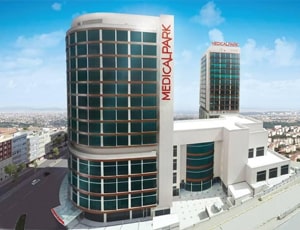
Thoracic Interbody Fusion in Istinye University Medical Park Gaziosmanpasa Hospital: Costs, Top Doctors, and Reviews

Istanbul, Turkey

  • Joint Commission International, or JCI
  • ISO 9001

Apart from in-detail treatment procedures available, Istinye University Medical Park Gaziosmanpasa Hospital located in Istanbul, Turkey has a wide variety of facilities available for International Patients. Some of the facilities which are provided by them are Accommodation, Airport Transfer, Choice of Meals, Interpreter. Also listed below are some of the most prominent infrastructural details:

  • The hospital has a capacity of 197 beds and 15 operating rooms in a closed area of ??
  • The hospital covers about 67,000 m with a capacity of 197 beds and 15 Operation Theatres
  • 12 Professional Treatment Centers
  • Standard equipment in all the rooms include phone, TV, Wi-Fi access, safe shower and a restroom with shampoo and slippers to meet hygiene, safety and quality expectations of our patients and companions
  • The Hospital also provides advantage of Transportation due to its central location
Thoracic Interbody Fusion in Kasemrad Ramkhamhaeng Hospital: Costs, Top Doctors, and Reviews

Bangkok, Thailand

  • Joint Commission International, or JCI

Apart from in-detail treatment procedures available, Kasemrad Ramkhamhaeng Hospital located in Bangkok, Thailand has a wide variety of facilities available for International Patients. Some of the facilities which are provided by them are Accommodation, Airport Transfer, Choice of Meals, Interpreter, SIM, TV inside room. Also listed below are some of the most prominent infrastructural details:

  • Initially started with 1.5 acres of land and expanded to 3.5 acres
  • 139 beds, 39 Examination Rooms
  • 13 Specialties Departments/Centers
  • 24*7 Emergency Department
  • Accommodation facilities are available- VIP rooms, Single special room, 6-bed dormitory, baby room
Thoracic Interbody Fusion in Zulekha Hospital, Dubai: Costs, Top Doctors, and Reviews

Dubai, United Arab Emirates

4.7 ( 2 Reviews )
  • Joint Commission International, or JCI
  • A highly skilled multidisciplinary medical staff supports patients through the hospital's advanced diagnostic capabilities, joint replacement surgeries, cardiac catheterisation, neonatal intensive care, and specialised cancer care and rehabilitation services. The hospital uses the latest technology and is internationally accredited for providing quality healthcare based on scientific evidence, providing safe, high-quality care to patients, providing individualised treatment plans, and providing services to international patients.
Thoracic Interbody Fusion in Liv Hospital Ulus: Costs, Top Doctors, and Reviews

Istanbul, Turkey

4.9 ( 1 Reviews )
  • Joint Commission International, or JCI

Liv Hospital Ulus located in Istanbul, Turkey is accredited by JCI. Also listed below are some of the most prominent infrastructural details:

  • The Istanbul center consists of 154 beds, 8 operating rooms, and 50 clinics
  • Boasts of most experienced and talented Robotic surgeons in the world and is the only hospital in Turkey to receive the Robotic Surgery Center of Excellence certification
  • Highest form and techniques in Radiation Oncology among Hospitals in Turkey
  • Highly advanced Cancer treatment techniques like Immunotherapy, Nuclear Medicine, Robotic Surgery, etc
  • Specialized treatments like Box Technique, Zygomatic Implants
  • IVF Center
  • Hair Transplant Clinic
  • Check Up Center
  • Stem Cell Center
  • Emergency Department
  • Diabetes Polyclinic
  • Pediatric Ear, Nose & Throat Clinic
Thoracic Interbody Fusion in Indraprastha Apollo Hospital: Costs, Top Doctors, and Reviews

Delhi, India

4.4 ( 5 Reviews )
  • Joint Commission International, or JCI

Indraprastha Apollo Hospital is known for delivering treatment to over 200,000 patients every year; 10,000 of which are generally medical tourists. The efficient team of doctors has the record of 99.6 percent success rate. Indraprastha Apollo Hospital deals in treatment of over 50 specialities.  

Let’s see some of the features of the infrastructure:

  • Spread over 15 acres, the hospital has 710 beds.
  • 6 beds dedicated to bone marrow transplant units with very strict infection control practices.
  • 64-Slice Scan coupled with data acquisition which provides highest temporal resolution
  • One of the hospitals to be using Da Vinci Robotics Surgery System
  • In South Asia, the Spect-CT and Pet-CT got their first installation at Indraprastha Apollo Hospital in India
  • Technologies such as PET- MR, BrainLab Navigation System, PET-CT, Portable CT Scanner, Tilting MRI, NovalisTx, Cobalt based HDR Brachytherapy, Hyperbaric Chamber, DSA Lab, Fibroscan, 3 Tesla MRI, Endosonography, 128 Slice CT scanner are all installed at the hospital.
  • The Cancer Institute at Indraprastha Apollo is equipped with a highly advanced Radiation Oncology Center with ClinaciX, NovalisTx, and HDR-Brachytherapy.
  • It is equipped with the largest Sleep Lab in Asia, & has one of the largest Dialysis Units in India.
  • A large number of ICU beds than any other Private Hospitals in India.
  • WIFI is accessible across the whole campus.

Need Some Advice From Our Experts?

Request a Call Back Now!

Our team of healthcare experts would be happy to assist you

trusted Patientstrusted Patients+99
Trusted by 50000+ Patients
Required | alphabets and spaces
Required | A valid, working email address
Required | A valid contact

Process Involved for Thoracic Interbody Fusion

  • Initial Consultation: A spine specialist evaluates symptoms, medical history, and imaging reports to confirm the need for surgery.
  • Diagnostic Testing: MRI, CT scans, and X-rays are performed to locate disc damage and assess spinal alignment.
  • Preoperative Preparation: Includes blood tests, anaesthesia evaluation, and patient education about the procedure and recovery.
  • Surgical Procedure: The damaged disc is removed, and a bone graft or implant is inserted to promote fusion between vertebrae.
  • Hospital Recovery: The patient stays in the hospital for monitoring, pain control, and early mobilisation (typically 3–5 days).
  • Rehabilitation Phase: Physical therapy begins to strengthen the back, improve mobility, and support long-term healing.
  • Follow-up Appointments: Routine check-ups and imaging tests ensure that the bones are fusing correctly and there are no complications.
  • Disc Degeneration: Gradual wearing of the spinal discs in the mid-back, which can cause discomfort and limit normal movement.
  • Herniated Disc: A bulging or ruptured disc in the mid-back that puts pressure on nearby nerves or the spinal cord.
  • Spine Instability: Unusual or excessive movement between thoracic vertebrae that can cause discomfort or nerve-related symptoms.
  • Spinal Fractures: Breaks or cracks in the thoracic vertebrae, often due to trauma or bone-weakening conditions like osteoporosis.
  • Scoliosis: A sideways curve of the spine that may require fusion to improve posture and reduce discomfort.
  • Kyphosis: An abnormal forward bend in the upper spine that may lead to pain or breathing difficulties if not corrected.
  • Spinal Tumours: Growths or masses within or near the thoracic spine that need surgical removal, followed by stabilisation.
  • Failed Previous Surgery: Used when earlier spinal surgeries haven’t achieved the desired results or led to complications.

Process Involved in Thoracic Interbody Fusion

  • Preoperative Evaluation: Detailed physical exams and imaging tests (MRI, CT, X-ray) are conducted to confirm the affected thoracic segment and plan the surgical approach.
  • Anaesthesia: General anaesthesia is given to ensure the patient is asleep and pain-free during the procedure.
  • Surgical Incision: A cut is made depending on the approach (anterior, posterior, or lateral) to access the thoracic spine safely.
  • Disc Removal: The damaged or diseased intervertebral disc is carefully extracted to relieve pressure on the spinal cord or nerves.
  • Bone Graft/Implant Placement: A bone graft or artificial spacer is placed in the disc space to help maintain alignment and support bone fusion.
  • Stabilization Hardware: Metal screws, rods, or plates are inserted to hold the spine in proper alignment while the bones heal and fuse.
  • Closure: The incision is closed using sutures or staples, and a sterile dressing is applied to protect the area.
  • Postoperative Monitoring: The patient is monitored in recovery for pain control, nerve function, and early signs of healing. Follow-up imaging may be scheduled.
  • Laminectomy
  • Discectomy
  • Corpectomy
  • Osteotomy
  • Foraminotomy
  • Instrumentation
  • Fusion
  • Decompression
  • Kyphoplasty
  • Biopsy
  • Pain relief – Helps reduce or eliminate chronic mid-back pain caused by disc or nerve problems.
  • Stability – Restores strength and support to the spine, especially in cases of instability or fractures.
  • Improved posture – Helps correct spinal deformities, such as scoliosis or kyphosis, leading to better alignment.Better mobility – Eases movement and daily activity by removing pressure from compressed nerves.
  • Nerveprotection – Prevents further nerve damage by relieving spinal cord or nerve root compression.
  • Long-term results – Promotes bone fusion, reducing the risk of future spine issues in the treated area.
  • Functionality – Enables patients to return to work or their daily routines after a successful recovery.
  • Custom approach – Can be tailored to the patient’s condition using different surgical methods (anterior, posterior, or lateral).
False
  • Please complete the form to provide us with relevant information about your condition.
  • Consult with Our Healthcare Expert: One of our qualified specialists will contact you for a consultation.
  • Receive a Detailed Treatment Plan: After examining your situation, we will provide you with a detailed treatment plan that includes expert opinions and a cost breakdown for various options.
  • Select your preferred option: Choose the therapy option that best suits your needs.
  • Seamless Organisation: We will manage all the details, including visas, flights, accommodations, and transfers, for a stress-free journey.

Instantly Connect with our Thoracic Interbody Fusion Specialists

Doctor 1
Doctor 2
Doctor 3
Doctor 4
Doctor 5
Doctor 6
Doctor 7
Doctor 8
Our Services to Better your Experience

Opinion & Option

We submit the most accurate opinion and options from one or more countries for your review

Consult Privately

Consult with a certified specialist privately on our telemedicine platform even before you decide to travel

Logistics

We handle flights, visas, transfers, and accommodation—so you can focus on your health.

Recovery

Our In-house rehabilitation service packages to better your recovery and treatment outcome

Author

Fauzia Zeb Fatima
Fauzia Zeb Fatima

M.Pharm

4 Years of Experience

Fauzia Zeb is a distinguished medical and scientific content writer with a robust academic foundation in pharmaceutical sciences, holding a B.Pharm and M.Pharm degree from prestigious institutions, including MIT and Jamia Hamdard University. Her comprehensive expertise in pharmacology, clinical sciences, and biomedical research enables her to translate complex medical and scientific concepts into precise, evidence-based content tailored for diverse audiences. Specializing in peer-reviewed articles, clinical blog posts, and research-driven publications, she demonstrates a consistent ability to bridge the gap between advanced medical science and accessible, audience-specific communication.. View More

Reviewer

⁠Dr Rakesh Kumar Dua

Spine & Neurosurgeon

25 Years of Experience

Dr. Rakesh Dua has more than 25+ years of clinical experience in spine surgeries. He is currently providing his services as Director, Neuro & Spine Surgery at Fortis Hospital, Shalimar Bagh. Before joining Fortis Hospital, he was associated with Max super-specialist Hospital, Shalimar Bagh as Director Neurosurgery & Head Neuro Spine, and with UCMS & GTB hospital as head of the neurosurgery department. View More

Last Reviewed - January 2026