Your Notifications
All done, no notifications

Microdiscectomy Cost in South Africa

USD 6000 - USD 15000

Affordable World-class Treatment - Accredited Hospitals - Free Treatment Plan in 24 Hrs

1
Days in Hospital
1-2 hrs
Procedure Time
90 - 95%
Success Rate
Microdiscectomy: Cost, Procedure and Clinics | MediGence
JCI/ISO 100,000+ Patients 24X7 Coordinator Visa & Travel handled
Your all-in-one medical travel platform for treatment, recovery & care.

Get Your Personalised Treatment Plan in Just 24 Hours.

Share your details to receive a personalised treatment plan, estimated costs, hospital recommendations, and expert guidance, “completely free.”

Required | alphabets and spaces
Required | A valid, working email address
Required | A valid contact
Connect with an Expert

Your information is protected with HIPAA-compliant security standards. We only share your details with hospitals after your consent.

Estimated Treatment Cost
USD 6000 - USD 15000
All-inclusive • Hospital + Medications + Recovery Assistance + Dedicated Care Coordinator

International Quality. Affordable Care.

How Much Does Microdiscectomy Cost in South Africa?

The cost of Microdiscectomy in South Africa ranges between USD 5000 - USD 10000

However, this cost can vary depending on several factors, including the type and severity of the condition, treatment techniques chosen, the healthcare facility's location and reputation, the treating professionals' experience and specialisation, and the patient's overall health status.

Additionally, factors like the duration of treatment, the need for follow-up care, and the use of advanced technologies or specialized treatments can further influence the overall cost.

Factors Influencing the Cost of Microdiscectomy:

  • Type of Procedure: Costs vary depending on whether a single-level or multi-level microdiscectomy is performed and the surgical technique used.
  • Hospital and Location: Treatment costs may differ based on the hospital's location, facilities, and reputation, with specialist spine centres often charging more.
  • Surgeon's Expertise: Experienced spine surgeons or neurosurgeons may have higher consultation and surgical fees.
  • Diagnostic Investigations: Pre-operative tests such as MRI, CT scans, and X-rays can add to the overall cost.
  • Complexity of the Case: Recurrent disc herniation, severe nerve compression, or previous spine surgery may require more extensive treatment and increase expenses.
  • Hospital Stay and Follow-up Care: The duration of hospitalisation, post-operative medications, physiotherapy, rehabilitation, and follow-up consultations all contribute to the total treatment cost.

What's included in your Microdiscectomy quote?

Microdiscectomy
Minimally invasive spine surgery to remove part of a herniated disc and relieve nerve compression
Spine surgeon consultation
Pre-surgery evaluation, treatment planning, and post-operative follow-up consultations
Hospital stay & supportive care
Surgery, anaesthesia, nursing care, and recovery monitoring
Follow-up monitoring
Wound assessment, physiotherapy guidance, and routine follow-up visits
Visa & medical-visa invite letter
Airport pickup & transfers

Cost of Microdiscectomy in Major Cities of South Africa

CityCost (USD)
Cape Town $5,000 – $10,000 Explore More
Durban $5,000 – $10,000 Explore More
Johannesburg $5,000 – $10,000 Explore More

Microdiscectomy - South Africa Vs the World

$0 - $0
$3k - $6k
$4k - $6k
$5k - $6k
$5k - $15k
$5k - $12k
$6k - $7k
$8k - $12k
$8k - $16k
$9k - $16k
$10k - $50k
$15k - $35k
$18k - $22k
Dr. Vijita Jayan
Author

BPT, MPT (Neuro)

18 Years of Experience

With over 18 years of distinguished clinical experience, Dr. Vijita Jayan is a highly accomplished Clinical Director and Rehabilitation Specialist, renowned for her expertise in neuro-rehabilitation, functional recovery, and mobility-dependent case management. Her extensive practical knowledge enables her to design and implement individualized, evidence-based rehabilitation protocols that consistently yield measurable patient outcomes. A prolific researcher and academic writer, she has authored numerous peer-reviewed articles and research papers, significantly advancing the field of rehabilitative medicine. The recipient of multiple prestigious accolades, Dr. Jayan is widely regarded as one of the foremost authorities in Physical Medicine and Rehabilitation, continually shaping neuro-rehabilitative care through research, innovation, and clinical excellence.
View More
⁠Dr Rakesh Kumar Dua
Reviewer

Spine & Neurosurgeon

25 Years of Experience

Last Reviewed - June 2026

Dr. Rakesh Dua has more than 25+ years of clinical experience in spine surgeries. He is currently providing his services as Director, Neuro & Spine Surgery at Fortis Hospital, Shalimar Bagh. Before joining Fortis Hospital, he was associated with Max super-specialist Hospital, Shalimar Bagh as Director Neurosurgery & Head Neuro Spine, and with UCMS & GTB hospital as head of the neurosurgery department.
View More

Need Help Choosing the Right Treatment? Talk to a Medical Advisor

Our dedicated Medical Patient Advisors are here to answer your questions, help you compare treatment options, estimate costs, and guide you through every step of your healthcare journey.

15 min
Average response time

Serving Patients Worldwide in Multiple Languages.

Microdiscectomy, also known as microdecompression or cervical microdiscectomy, is one of the most commonly performed spine surgeries. This procedure is particularly preferred for patients with a lumbar herniated disc. The primary goal of a microdiscectomy is to relieve pressure on a spinal nerve root by removing the material causing the pain.

Traditionally, this was achieved through an open technique called lumbardiscectomy surgery, which involved making a large incision and cutting some of the back muscles, leading to a slow and painful recovery. However, modern advancements have led to the development of microdiscectomy, which achieves the same goal with a smaller incision and minimal injury to the back muscles. Consequently, recovery is quicker and less painful.

During a microdiscectomy, a special microscope is used to view the disc and nerves. This magnified view allows the surgeon to make a smaller incision, causing less damage to the surrounding tissues.

Microdiscectomy is done to reduce pressure on a spinal nerve from a herniated disc in the lower back. It's usually prescribed when nonoperative treatments such as physical therapy, rest, or medication do not improve leg pain (sciatica), numbness, or weakness resulting from compression of a nerve.

A doctor should evaluate you if you have ongoing leg pain, numbness, or weakness that doesn't improve after a few weeks of treatment without surgery. Loss of bladder or bowel control is an emergency and needs to be evaluated right away.

You might have an MRI or CT scan to establish the diagnosis before surgery. You'll be required to discontinue some medications, such as blood thinners, not eat or drink for a specified time before the procedure, and make arrangements for assistance after surgery. Pre-op clearance may involve blood work and a physical examination.

The doctor performs a small cut in the lower back and employs a microscope or surgical loupes for magnification. Some herniated disc material compressing the nerve is excised using special tools, taking pressure off. Surrounding structures, such as bone or ligament, can be trimmed if necessary.

The procedure typically lasts 1 to 2 hours. It's commonly an outpatient procedure, but some patients will require an overnight hospital stay.

  • Infection
  • Bleeding
  • Nerve injury
  • Spinal fluid leak
  • Re-herniation of the disc

Microdiscectomy quickly relieves leg pain in most patients and restores function and mobility. It facilitates an earlier return to everyday activities than more complex spinal procedures.

Most individuals return to light activity within a few weeks. Full recovery, including return to exercise or work, can take 4\u20136 weeks, depending on your occupation and general health. Physical therapy can be suggested to build strength in your back and avoid recurrence.

The success rate is 85\u201395% for relieving leg pain due to a herniated disc. Results are improved in patients with single disc herniation and no severe spinal degeneration.

90–95%

Success rate for relief of leg pain and improved nerve function

1–2 days

Typical hospital stay

2–6 weeks

Return to normal daily activities depending on recovery and rehabilitation
Explore Hospitals ( 3 )

Cape Town, South Africa

212+ Beds · 210+ Procedures
Starting
USD 6000

Johannesburg, South Africa

254+ Beds · 191+ Procedures
COHSASA ISQua
Starting
USD 8000

Durban, South Africa

4.9 - 1 review · 353+ Beds · 188+ Procedures
Starting
USD 10000

Get Your Microdiscectomy
Plan in 24 hrs.

Our experienced Medical Patient Advisors have supported 100,000+ patients across 120+ countries with personalised treatment plans, hospital recommendations, cost estimates, and travel assistance, all free.

HIPAA-Compliant Data SecurityShared Only with Your Consent

Free Consultation No Obligation Personalized Treatment Plan Response Within 24 Hours

Required | alphabets and spaces
Required | A valid, working email address
Required | A valid contact

Your medical info is kept HIPAA-style confidential. We never share with hospitals without your consent.

Process Involved for Microdiscectomy in South Africa

  • Consultation: Consult with a neurosurgeon or spine expert for assessment.
  • Pre-surgical examination: Discuss medical history and symptoms and have imaging tests performed.
  • Discussion of Treatment: Determine if microdiscectomy is suitable or if further therapies are required.
  • Surgical Planning: Learn about the process, possible risks, and recovery after surgery.
  • Post-Surgery Follow-up: Regular consultations to assess pain management and recovery.
  • Lumbar Herniated Disc
  • Sciatica.
  • Radiculopathy
  • Spinal Stenosis
  • Degenerative Disc Disease
  • Severe or persistent numbness from a herniated disc, limb discomfort, or back pain.
  • Non-surgical treatments have failed.
  • An MRI or CT scan clearly shows a herniated disc.
  • Symptoms of nerve compression include sciatica, weakened muscles, or impaired reflexes.
  • Significant pain relief, especially from sciatica and leg pain.
  • It is a minimally invasive procedure with less muscle disruption.
  • Faster recovery time compared to traditional surgeries.
  • Improved functionality and reduced symptoms such as weakness or numbness.
  • Orthopedic Spine Surgeon
  • Neurosurgeon
  • Fill out the inquiry form: Fill out the form to provide us with the relevant information about your condition.
  • Consult with Our Healthcare Expert: One of our qualified specialists will contact you for a consultation.
  • Receive a Detailed Treatment Plan: After examining your situation, we will provide you with a detailed treatment plan that includes expert views and cost breakdowns for various choices.
  • Choose your preferred option: Choose the treatment option that suits you the best.
Jenny Wilson
Your Dedicated Medical Patient Advisor
Treatment planning • Hospital coordination • Multilingual support • Response within 15 minutes.
Our Services to Better your Experience

Opinion & Option

We submit the most accurate opinion and options from one or more countries for your review

Consult Privately

Consult with a certified specialist privately on our telemedicine platform even before you decide to travel

Logistics

We handle flights, visas, transfers, and accommodation—so you can focus on your health.

Recovery

Our In-house rehabilitation service packages to better your recovery and treatment outcome

Patient Stories

Mr. James Evans Underwent Microdiscectomy Surgery at LIV Hospital in Turkey
Mr. James Evans
Mr. James Evans - Microdiscectomy in Turkey

A USA resident, Mr James Evans 40Y/M, suffered from serious back pain. His doctor assisted him to get the spinal…

Robinson Trey
Robinson Trey
Successful Microdiscectomy in Turkey

Robinson Trey hails from Georgia, Atlanta, in the US. He experienced extreme pain in the lower back, which extended down…

Frequently Asked Questions

The cost of microdiscectomy in South Africa is USD 5000 - 10000, which depends on several factors, including the complexity of the herniated disc, surgeon's expertise, hospital charges, anaesthesia, diagnostic investigations, length of hospital stay, and post-operative rehabilitation. Additional costs may include MRI scans, medications, physiotherapy, follow-up consultations, and treatment for any complications.

Some of the best hospitals in South Africa for Microdiscectomy include:
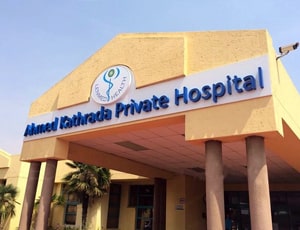
  • Lenmed Ahmed Kathrada Private Hospital
  • Lenmed Ethekwini Hospital and Heart Centre
  • Life Kingsbury Hospital
  • Choose a certified spine surgeon, neurosurgeon, or orthopaedic spine specialist with extensive experience in minimally invasive spinal procedures. Consider the surgeon's expertise, annual surgical volume, patient outcomes, hospital accreditation, and access to advanced spinal imaging and rehabilitation services.

    Microdiscectomy is recommended for patients with a herniated lumbar disc causing persistent leg pain (sciatica), numbness, weakness, or nerve compression that has not improved after several weeks of conservative treatment or in cases of progressive neurological deficits.

    Microdiscectomy uses a small incision and an operating microscope to remove the herniated disc material, while endoscopic discectomy is performed through an even smaller incision using an endoscope. Both are minimally invasive, but the choice depends on the patient's condition and the surgeon's expertise.

    Yes. Although microdiscectomy removes the herniated portion of the disc, recurrence can occur in approximately 5-15% of patients. Maintaining a healthy weight, practising proper lifting techniques, and following rehabilitation exercises can help reduce the risk.

    Patients with desk jobs often return to work within two to four weeks, while those performing physically demanding work may require six to twelve weeks or longer, depending on recovery and their surgeon's advice.

    Yes. Physiotherapy is commonly recommended after surgery to improve flexibility, strengthen the core and back muscles, restore mobility, improve posture, and reduce the risk of future spinal injuries or recurrent disc herniation.

    Microdiscectomy has a high success rate, with approximately 85–95% of patients experiencing significant relief from leg pain (sciatica). Outcomes are generally better when surgery is performed for appropriately selected patients with symptomatic lumbar disc herniation after conservative treatments have failed.

    Advanced spine centres may offer:
  • Microsurgical discectomy
  • Minimally invasive microdiscectomy
  • Tubular retractor systems
  • Operating microscope
  • Endoscopic spine surgery
  • Intraoperative fluoroscopy
  • Computer-assisted navigation
  • Intraoperative neuromonitoring
  • Enhanced Recovery After Surgery (ERAS) protocols
  • Comprehensive post-operative rehabilitation
  • Although generally safe, potential complications include infection, bleeding, cerebrospinal fluid (CSF) leak, nerve injury, recurrent disc herniation, persistent pain, blood clots, spinal instability (rare), anaesthesia-related complications, and delayed wound healing.

    Patients should undergo MRI evaluation, neurological examination, blood investigations, ECG (if required), and medical clearance. Smoking cessation, maintaining good physical fitness, and discussing current medications with the treating surgeon are recommended before surgery.

    Yes. Most spine centres offer virtual consultations where specialists review MRI scans, neurological findings, previous treatments, and medical history to determine whether microdiscectomy is appropriate and to provide a personalised treatment plan and cost estimate.

    Patients should carry:
  • Passport and travel documents
  • MRI and CT scan images
  • X-ray reports (if available)
  • Neurological examination reports
  • Blood test reports
  • Previous treatment records
  • Medication and allergy list
  • Medical insurance documents (if applicable)
  • Most international patients should plan to stay for approximately 10-14 days. This allows sufficient time for pre-operative evaluation, surgery, initial recovery, wound assessment, and follow-up before travelling home.

    Most patients begin walking within a day after surgery and return to light daily activities within two to four weeks. More strenuous activities, sports, and heavy lifting are usually resumed after six to twelve weeks, depending on recovery and the surgeon's recommendations.

    Patients receive regular follow-up appointments to monitor neurological recovery and wound healing. Complications such as infection, recurrent disc herniation, persistent nerve symptoms, or CSF leak are managed promptly with medications, physiotherapy, additional imaging, or revision surgery if necessary.

    International patients can upload their MRI scans and medical reports through MediGence in South Africa. The MediGence care team will arrange an online consultation with experienced spine specialists, recommend suitable hospitals, provide personalised treatment plans and cost estimates, and assist with medical visas, travel, accommodation, hospital appointments, and complete treatment coordination.

    Many countries offer internationally accredited spine centres, highly experienced neurosurgeons and orthopaedic spine surgeons, advanced minimally invasive technologies, modern rehabilitation programmes, and comprehensive services for international patients. Patients should compare hospitals based on expertise, surgical outcomes, available technology, and post-operative support.

    Treatment options may include:
  • Conventional microdiscectomy
  • Minimally invasive microdiscectomy
  • Endoscopic discectomy
  • Microsurgical lumbar decompression
  • Conservative treatment (physiotherapy and medications)
  • Epidural steroid injections
  • Lumbar fusion surgery (selected cases with instability)
  • Artificial disc replacement (selected patients)
  • Not Sure About Your Treatment Plan? Get a Free Second Opinion

    Have your reports reviewed by independent oncology experts to help you make a confident treatment decision, all online within 48 hours.

    Upload Your Reports
    Free second opinion on your CAR-T plan