A lumbar discectomy is a procedure where the surgeon removes the part of a lower back disc that’s irritating a nearby nerve. This nerve pressure often results in discomfort, tingling, or muscle weakness in the back or legs.
The procedure is done under general anaesthesia. A small incision is made in the back, and the surgeon gently moves soft tissues aside to reach the spine. The damaged or herniated section of the disc is then carefully taken out to ease nerve pressure.
This surgery is usually recommended when symptoms don’t improve with rest, medications, or physical therapy. It is effective in relieving leg pain (sciatica) and improving mobility.
Recovery is often quick, especially if a minimally invasive method is used. Most patients can start walking within a day and return to daily activities within a few weeks, depending on their progress.
- Persistent lower back pain
- Sharp, radiating leg pain (especially down one leg)
- Numbness, tingling, or weakness in the leg or foot
- Difficulty standing, walking, or performing daily activities
- Loss of bowel or bladder control (a medical emergency)
- Physical and neurological examination
- Imaging studies, such asan MRI or CT scan, to confirm disc herniation and its location
- Review of current medications, especially blood thinners, which may need to be temporarily stopped
- Fasting for 6–8 hours before the procedure
- Pre-surgical evaluation by your primary physician or anesthesiologist
- Discuss allergies, surgical expectations, and potential risks with your surgeon
- A small incision is made in the lower back over the affected disc.
- Muscles and tissues are gently moved aside to expose the vertebra.
- The surgeon removes a portion of the herniated disc that is compressing the nerve. In some cases, a small portion of bone (lamina) may also be removed to access the disc.
- The incision is closed with sutures or surgical glue.
- Infection
- Bleeding
- Nerve injury
- Spinal fluid leak
- Recurrent disc herniation
- Deep vein thrombosis (DVT)
- Reaction to anaesthesia
- In rare cases, persistent or worsening symptoms
- Rapid and often significant relief from leg pain (sciatica)
- Improved mobility and physical activity
- Minimally invasive techniques lead to quicker recovery
- Short hospital stay and early return to everyday life
- Reduced need for long-term pain medications
- Prevention of permanent nerve damage
- Patients are usually up and walking the same day
- Mild back or leg discomfort is normal and managed with pain medication
- Light activities can resume within 1 to 2 weeks
- Avoid bending, twisting, or lifting for at least 4–6 weeks
- Physical therapy may be advised to strengthen back muscles and improve posture
- Most people return to work in 2–6 weeks, depending on job type
- Follow-up appointments are essential to monitor recovery and detect recurrence
Would you like some help? We are available.
Get Help
Indraprastha Apollo Hospital
Delhi, India

Indraprastha Apollo Hospital is known for delivering treatment to over 200,000 patients every year; 10,000 of which are generally medical tourists. The efficient team of doctors has the record of 99.6 percent success rate. Indraprastha Apollo Hospital deals in treatment of over 50 specialities.
Let’s see some of the features of the infrastructure:
- Spread over 15 acres, the hospital has 710 beds.
- 6 beds dedicated to bone marrow transplant units with very strict infection control practices.
- 64-Slice Scan coupled with data acquisition which provides highest temporal resolution
- One of the hospitals to be using Da Vinci Robotics Surgery System
- In South Asia, the Spect-CT and Pet-CT got their first installation at Indraprastha Apollo Hospital in India
- Technologies such as PET- MR, BrainLab Navigation System, PET-CT, Portable CT Scanner, Tilting MRI, NovalisTx, Cobalt based HDR Brachytherapy, Hyperbaric Chamber, DSA Lab, Fibroscan, 3 Tesla MRI, Endosonography, 128 Slice CT scanner are all installed at the hospital.
- The Cancer Institute at Indraprastha Apollo is equipped with a highly advanced Radiation Oncology Center with ClinaciX, NovalisTx, and HDR-Brachytherapy.
- It is equipped with the largest Sleep Lab in Asia, & has one of the largest Dialysis Units in India.
- A large number of ICU beds than any other Private Hospitals in India.
- WIFI is accessible across the whole campus.

Prime Hospital
Dubai, United Arab Emirates

Prime Hospital located in Dubai, United Arab Emirates is accredited by ISO, JCI. Also listed below are some of the most prominent infrastructural details:
- Capacity for 100 beds
- 24-hour Emergency Service
- Advanced Cardiac Cath Lab
- Adult Intensive Care Unit
- Paediatric Intensive Care Unit
- Coronary Care Unit
- Neonatal Intensive Care Unit
- Maternity & Child floor
- Day Surgery Unit
- Family Clinic
- Deluxe rooms and Spacious Lounge
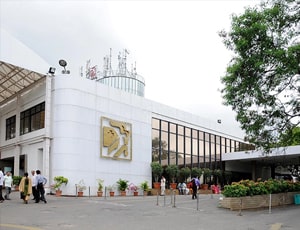
Apollo Hospitals
Hyderabad, India
Apollo Hospitals located in Hyderabad, India is accredited by JCI, NABH. Also listed below are some of the most prominent infrastructural details:
- A premier multi-specialty hospital with 477-bed capacity
- More than 50 specialties, super-specialties
- 12 Centers of Excellence
- The Institutes for Heart Diseases, Neurosciences, Cancer, Emergency, Orthopaedics, Renal Diseases, and Transplants
- Centers of Excellence are known for patient care, training and research
- Doctors with years of truly global experience in healthcare delivery

Star Hospitals
Hyderabad, India


Star Hospitals located in Hyderabad, India is accredited by NABH, NABL. Also listed below are some of the most prominent infrastructural details:
- The bed capacity of Star Hospitals, Hyderabad, India is 130.
- The hospital has Intensive Care Units which are upgraded with the latest technologies.
- International patient care services are applied to make the process of medical travel easier for international patients.
- Centres of Excellence across disciplines such as Cardiac Sciences, Renal Sciences, Critical Care, ENT, Spine Surgery etc.
- A radiology centre which has been digitised.
- There are Centers of Excellence for prominent specialties such as cardiac care and neurosciences, there are a total of six.

Sterling Wockhardt Hospital
Mumbai, India
Sterling Wockhardt Hospital located in Mumbai, India is accredited by NABH. Also listed below are some of the most prominent infrastructural details:
- The bed capacity of Sterling Wockhardt Hospital is 50.
- Critical care and complex cases resolution is done with excellent results.
- Emergency departments with 3 beds capacity and Intensive Care Unit with 10 beds capacity.
- The healthcare delivery focus of the hospital is both on prevention as well curing the conditions.
- Diagnostics are well developed with the latest technological developments.
- Pharmacy, operating rooms, lab services are at par with the best in the country.
- 24/7 ambulance services to cover healthcare requirements in Panvel and Vashi.
- Accommodation, airport transfers, flight bookings and translation services are all available for international patients.

Fortis Malar Hospital
Chennai, India
Fortis Healthcare Chennai, part of India’s leading Fortis network with 33 hospitals and 5,700+ beds, is a 180-bed multispecialty facility featuring 60 ICU beds, 4 advanced OTs, and a digital cath lab. Staffed by 160 consultants, it delivers world-class, patient-centric care across cardiology, neurology, orthopaedics, and critical care. It has 4 JCI & 26 NABH accredited Hospitals.

Global Health City
Chennai, India
The Hospital has world-class infrastructure with a capacity of over 1000 beds and much more-
- 265 Licensed beds
- 13 Operation Theatres
- 24*7 Cath Lab
- 24*7 available Blood Bank
- 24*7 Emergency Department
- 24*7 Open Pharmacy

University Hospital
Basel, Switzerland

University Hospital located in Basel, Switzerland is accredited by ISO. Also listed below are some of the most prominent infrastructural details:
- The bed capacity of the hospital is 670.
- There are as many as 50 clinics.
- A 24/7 emergency unit is also present for all kinds of medical emergencies.
- The hospital has been home to various innovative applications in medicine in addition to the regular advancements in every specialty.
- There are centers which are committed to providing care in certain specialties such as for heart, strokes, stem cells, tumors, spine centers and lungs.
- There is an international patient care center which brings respite to medical travellers coming to University Hospital Basel and provides all kinds of assistance to them from travel, transfer arrangements, stay bookings, accommodation, appointments and translators.

LLH Hospital, Abu Dhabi
Abu Dhabi, United Arab Emirates
LLH Hospital, Abu Dhabi located in Abu Dhabi, United Arab Emirates is accredited by JCI. Also listed below are some of the most prominent infrastructural details:
- 24*7 Pharmacy
- 24*7 Emergency DepartmentAmbulance Services
- Mobile Clinics
- Telemedicine
- Valet Parking
- Facility Management Department, which includes dedicated staff responsible for the maintenance of LLH Hospital

Rabin Medical Center
Petah Tikva, Israel
Rabin Medical Center located in Petah Tikva, Israel is accredited by JCI. Also listed below are some of the most prominent infrastructural details:
- There are as many as 6 intensive care departments at the center.
- The hospital has been able to treat and manage complex heart conditions by exceptional cardiologists.
- The Emergency care services of the hospital have also helped a large number of patients.
- The Cardiothoracic Center is also worth mentioning for the care it has provided to patients.
- The hospital is also recognised for its organ transplantation facilities with 70% of organ transplants in Israel done in Beilinson Hospital.
- Bone Marrow transplants performed at the Davidoff Cancer Research and Treatment Center have been a boon for many patients.
Need Some Advice From Our Experts?
Request a Call Back Now!
Our team of healthcare experts would be happy to assist you

 +99
+99Process Involved for Lumbar Discectomy
- Initial Consultation: The doctor reviews symptoms, performs a physical examination, and may order imaging tests, such as MRI or CT scans, to further assess the condition.
- Diagnosis and Surgical Planning: Once the disc issue is confirmed, the medical team decides if surgery is necessary and outlines the best approach.
- Preoperative Preparation: Basic blood work, anaesthesia assessment, and pre-surgery instructions are given to prepare the patient for the procedure.
- Surgical Procedure: The surgeon removes the portion of the disc pressing on the nerve through either open or minimally invasive techniques.
- Immediate Postoperative Care: The patient is monitored for several hours to ensure vital signs are stable and pain is effectively managed.
- Rehabilitation and Recovery: Light activity and physiotherapy begin within days to restore mobility and strength.
- Follow-up and Long-Term Care: Regular check-ups help track recovery progress and ensure the patient returns to normal activities safely and securely.
- Bulging or Herniated Disc: A portion of the spinal disc protrudes, putting pressure on nearby nerves and causing discomfort or weakness.
- Sciatic Nerve Pain: Pain that radiates from the lower back down the leg due to nerve compression, often associated with disc herniation or other issues.
- Nerve Root Compression: When spinal nerves in the lower back become irritated or squeezed, causing pain, tingling, or numbness.
- Disc Degeneration: Age-related disc wear can cause spinal instability or nerve irritation, which may require surgical relief.
- Slipped Disc: A displaced disc that presses on spinal nerves and does not improve with non-surgical treatments.
- Persistent Symptoms After Non-Surgical Care: When physiotherapy, medication, or rest fail to reduce symptoms, surgery may become necessary.
- Clinical Assessment and Imaging: The doctor examines the patient and confirms the disc issue using diagnostic tools such as MRI, CT scans, or X-rays.
- Preparation Before Surgery: Routine blood tests and anaesthesia evaluations are performed, and the patient receives instructions on fasting and medication management.
- Giving Anaesthesia: General anaesthesia is administered to ensure the patient is asleep and doesn’t feel pain during the procedure.
- Making the Incision: A small incision is made in the lower back, and the surrounding muscles are gently moved aside to reach the spine.
- Removing the Disc Material: The surgeon carefully removes the portion of the disc that is compressing the nerve, helping to reduce pain and restore mobility.
- Closing the Wound: Once the procedure is complete, the area is cleaned and closed with stitches or staples. A dressing is applied to protect the site.
- Post-Surgical Recovery: The patient is monitored as they wake up from anaesthesia. Most people are encouraged to move around within a few hours.
- Craniotomy
- Laminectomy
- Microdiscectomy
- Fusion
- Laminotomy
- Foraminotomy
- Myelogram
- Electromyography
- Neurostimulation
- Arthrodesis
- Decompression
- Neuroplasty
- Rehydration
- Bracing
- Thermocoagulation
- Pain Relief: Relieves pressure on the spinal nerve, helping to reduce or eliminate leg and lower back pain.
- Improved Mobility: Patients often experience better movement and flexibility after recovery.
- Quick Recovery: Minimally invasive techniques allow a faster return to daily activities.
- Prevents Further Nerve Damage: Early intervention can prevent worsening symptoms, such as numbness or weakness.
- Outpatient Possibility: In many cases, patients can be discharged the same day or within 24 hours.
- Improved Quality of Life: Reduced pain and improved mobility lead to enhanced sleep, mood, and overall daily functioning.
- Minimally Invasive Options Available: Smaller incisions result in less scarring, a reduced risk of infection, and a smoother recovery process.
- Please complete the form to provide us with relevant information about your condition.
- Consult with Our Healthcare Expert: One of our qualified specialists will contact you for a consultation.
- Receive a Detailed Treatment Plan: After examining your situation, we will provide you with a detailed treatment plan that includes expert opinions and a cost breakdown for various options.
- Select your preferred option: Choose the therapy option that best suits your needs.
- Seamless Organisation: We will manage all the details, including visas, flights, accommodations, and transfers, for a stress-free journey.


