Your Notifications
All done, no notifications

Endoscopic Spine Surgery Cost in India

USD 2000 - USD 40000

Affordable World-class Treatment - Accredited Hospitals - Free Treatment Plan in 24 Hrs

3
Days in Hospital
1-3 hrs
Procedure Time
90 - 95%
Success Rate
Endoscopic Spine Surgery
JCI/ISO 100,000+ Patients 24X7 Coordinator Visa & Travel handled
Your all-in-one medical travel platform for treatment, recovery & care.

Get Your Personalised Treatment Plan in Just 24 Hours.

Share your details to receive a personalised treatment plan, estimated costs, hospital recommendations, and expert guidance, “completely free.”

Required | alphabets and spaces
Required | A valid, working email address
Required | A valid contact
Connect with an Expert

Your information is protected with HIPAA-compliant security standards. We only share your details with hospitals after your consent.

Estimated Treatment Cost
USD 2000 - USD 40000
All-inclusive • Hospital + Medications + Recovery Assistance + Dedicated Care Coordinator

International Quality. Affordable Care.

How Much Should an Endoscopic Spine Surgery Cost in India?

The cost of an Endoscopic Spine Surgery in India typically ranges from USD 8500 - USD 13500 Still, it can vary depending on factors such as the type of surgery, the hospital's reputation, and the location within the country.

This estimate generally covers doctor visits, diagnostic tests, the surgery itself, hospital stay, and follow-up care.

However, the total cost may also change based on the severity of the injury, any complications that arise, and the specific treatments provided by the medical facility.

Factors Influencing the Cost of Endoscopic Spine Surgery in India

Factors Influencing the Cost of Endoscopic Spine Surgery in India

  • Type of Procedure: The specific endoscopic spine procedure (such as endoscopic discectomy, decompression, or foraminotomy) and the complexity of the condition affect the overall cost.
  • Hospital Type: The hospital's facilities, specialised spine services, and advanced surgical technology can influence treatment costs.
  • Surgeon's Expertise: Highly experienced spine surgeons specialising in endoscopic spine surgery may charge higher professional fees.
  • Pre-operative Evaluation: MRI, CT scan (if required), spinal X-rays, blood tests, ECG, and anaesthesia assessment contribute to the total cost.
  • Complexity of the Case: Multi-level procedures, revision surgeries, or severe spinal conditions may increase the treatment cost.
  • Post-operative Care: Hospital stay, medications, physiotherapy, rehabilitation, and follow-up consultations add to the overall expense.

What's included in your Endoscopic Spine Surgery quote?

Comprehensive tests and imaging
MRI/CT scan, X-rays, and wound assessment
Spine specialists team
Pre-operative evaluation, surgery, post-operative care
Hospital stay + ICU as needed
1-3 days pain management, neurological monitoring, early mobilisation
Country stay monitoring
Wound assessment, rehabilitation guidance, imaging
Visa & medical-visa invite letter
Airport pickup & transfers

Cost of Endoscopic Spine Surgery in Major Cities of India

CityCost (USD)
Ahmedabad $7,650 – $12,150 Explore More
Bangalore $8,500 – $13,500 Explore More
Chennai $8,500 – $13,500 Explore More
Delhi $8,500 – $13,500 Explore More
Faridabad $8,500 – $13,500 Explore More
Ghaziabad $8,500 – $13,500 Explore More
Gurgaon $8,500 – $13,500 Explore More
Gurugram $8,500 – $13,500 Explore More
Hyderabad $8,500 – $13,500 Explore More
Kochi $8,500 – $13,500 Explore More
Kolkata $8,500 – $13,500 Explore More
Mohali $7,650 – $12,150 Explore More
Mumbai $8,500 – $13,500 Explore More
Noida $8,500 – $13,500 Explore More
Panjim $7,650 – $12,150 Explore More

Endoscopic Spine Surgery - India Vs the World

$0 - $0
$8k - $15k
$8k - $14k
$8k - $16k
$10k - $18k
$11k - $21k
$14k - $26k
$15k - $27k
$16k - $30k
$16k - $30k
$20k - $32k
$20k - $38k
Fauzia Zeb Fatima
Author

M.Pharm

4 Years of Experience

Fauzia Zeb is a distinguished medical and scientific content writer with a robust academic foundation in pharmaceutical sciences, holding a B.Pharm and M.Pharm degree from prestigious institutions, including MIT and Jamia Hamdard University. Her comprehensive expertise in pharmacology, clinical sciences, and biomedical research enables her to translate complex medical and scientific concepts into precise, evidence-based content tailored for diverse audiences. Specializing in peer-reviewed articles, clinical blog posts, and research-driven publications, she demonstrates a consistent ability to bridge the gap between advanced medical science and accessible, audience-specific communication.
View More
⁠Dr Rakesh Kumar Dua
Reviewer

Spine & Neurosurgeon

25 Years of Experience

Last Reviewed - June 2026

Dr. Rakesh Dua has more than 25+ years of clinical experience in spine surgeries. He is currently providing his services as Director, Neuro & Spine Surgery at Fortis Hospital, Shalimar Bagh. Before joining Fortis Hospital, he was associated with Max super-specialist Hospital, Shalimar Bagh as Director Neurosurgery & Head Neuro Spine, and with UCMS & GTB hospital as head of the neurosurgery department.
View More

Need Help Choosing the Right Treatment? Talk to a Medical Advisor

Our dedicated Medical Patient Advisors are here to answer your questions, help you compare treatment options, estimate costs, and guide you through every step of your healthcare journey.

15 min
Average response time

Serving Patients Worldwide in Multiple Languages.

Endoscopic Spine Surgery is a surgery where doctors repair a missing or damaged part of the spine. This may happen after an injury, brain swelling, or a previous brain surgery. The hole or weak spot in the skull is covered using the patient’s bone (if it was saved) or special materials, such as titanium, ceramic, or 3D-printed parts, made to fit perfectly.

The surgery is usually planned a few weeks or months after the first brain operation, once the swelling has gone down. Fixing the skull helps protect the brain, restores the head's normal appearance, and can even improve brain functions such as thinking, speaking, or moving more effectively.

During the surgery, doctors gently lift the scalp, carefully place the implant, and then close the skin with stitches. Recovery takes time. The person may need to rest frequently, attend therapy sessions, and visit the doctor regularly to ensure everything is healing correctly.

Endoscopic spine surgery is a minimally invasive technique used to treat spinal conditions such as herniated discs, spinal stenosis, foraminal narrowing, or certain types of spinal tumors. It\u2019s performed to relieve nerve compression, reduce back/leg pain, and restore function with less tissue disruption. ESS preserves more normal anatomy compared to open surgery, leading to faster recovery.

Consult a spine specialist if you have chronic back or leg pain, sciatica, numbness, or weakness unresponsive to medication or physical therapy. ESS may be considered if imaging confirms a disc herniation or stenosis causing nerve compression. It's especially suitable for patients needing decompression but wanting a less invasive alternative to open spine surgery.

Preparation includes MRI or CT scans, a physical exam, and review of neurological symptoms to localize the spinal pathology. You may be advised to stop NSAIDs, blood thinners, and avoid smoking. Fasting is required before surgery, and you\u2019ll undergo a pre-op anesthetic assessment.

Under local or general anesthesia, a small incision (less than 1 cm) is made, and a thin endoscope is inserted through a tubular retractor.

Through the camera-guided system, the surgeon removes herniated disc fragments, bone spurs, or thickened ligament compressing the nerves. It is typically done percutaneously, with no large muscle dissection or bone removal.

ESS typically takes 30 to 90 minutes, depending on the complexity and spinal level involved. Patients are often discharged within 24 hours \u2014 some even the same day. Return to light activity may begin within a few days.

  • Nerve injury or persistent nerve pain
  • Dural tear or spinal fluid leak
  • Incomplete decompression
  • Infection or bleeding
  • Recurrent disc herniation (rare)

ESS has a low complication rate when performed by trained specialists.

  • Minimally invasive with less pain and faster recovery
  • Lower infection risk and minimal blood loss
  • Preserves muscle and bone structures
  • Small incision with little scarring
  • Short hospital stay and quicker return to normal activity

Patients usually mobilize within hours post-op, and pain is managed with minimal medication. Return to desk work or light duty in 1\u20132 weeks is common. Heavy lifting and impact sports are avoided for 4\u20136 weeks. Physical therapy may be advised for posture and strengthening.

Endoscopic spine surgery has a success rate of 85\u201395% for appropriate indications like lumbar disc herniation and foraminal stenosis. Outcomes are comparable to open surgery but with less recovery time and fewer complications. Proper patient selection and surgical experience are key to optimal results.

90-95%

Pain relief and improved function

3-7 days

Typical recovery period before resuming normal daily activities

2-4 months

Typical recovery to normal activities
Explore Hospitals ( 66 )

Delhi, India

4.8 - 2 reviews · 162+ Beds · 204+ Procedures
NABH

Mumbai, India

315+ Beds · 258+ Procedures
JCI NABH
Starting
USD 9000

Bangalore, India

280+ Beds · 271+ Procedures
NABL NABH
Starting
USD 4000

Delhi, India

539+ Beds · 305+ Procedures
JCI NABH
Starting
USD 5500

Gurgaon, India

3.5 - 3 reviews · 311+ Beds · 274+ Procedures
JCI NABH NABL

Gurgaon, India

345+ Beds · 164+ Procedures
NABH NABL

Faridabad, India

425+ Beds · 275+ Procedures
NABL NABH
Starting
USD 6000

Ahmedabad, India

300+ Beds · 240+ Procedures
NABH JCI

Gurgaon, India

380+ Beds · 236+ Procedures
NABL NABH
Starting
USD 9000

Panjim, India

235+ Beds · 216+ Procedures
NABH
Starting
USD 10000

Get Your Endoscopic Spine Surgery
Plan in 24 hrs.

Our experienced Medical Patient Advisors have supported 100,000+ patients across 120+ countries with personalised treatment plans, hospital recommendations, cost estimates, and travel assistance, all free.

HIPAA-Compliant Data SecurityShared Only with Your Consent

Free Consultation No Obligation Personalized Treatment Plan Response Within 24 Hours

Required | alphabets and spaces
Required | A valid, working email address
Required | A valid contact

Your medical info is kept HIPAA-style confidential. We never share with hospitals without your consent.

Process Involved for Endoscopic Spine Surgery in India

  • Evaluation: Doctors study symptoms, medical history, and imaging tests to confirm the problem.
  • Planning: The surgical team determines the exact area and method for surgery based on scan results.
  • Preparation: The patient receives instructions regarding diet, medications, and the hospital stay before surgery.
  • Anaesthesia: Local or general anaesthesia is given so the patient does not feel pain during the procedure.
  • Surgery: A small cut is made, and a camera is used to guide tools to fix the spine problem.
  • Recovery: The patient rests for a short period and is monitored for any potential complications.
  • Rehabilitation: Gentle exercises and follow-up visits help patients heal and return to their normal activities.
  • Herniation: when a disc slips out of its normal position.
  • Stenosis: narrowing of the spinal canal.
  • Radiculopathy: nerve pain from pressure on spinal nerves.
  • Sciatica: pain that travels down the leg.
  • Spondylolisthesis: a condition where a spine bone shifts ahead of the one directly below it in the spinal column.
  • Disc tear: a small crack or damage in a spinal disc.
  • Foraminal narrowing: tightening of the space where nerves exit.
  • Degeneration: wearing down of discs or joints in the spine.
  • Cysts: fluid-filled sacs pressing on nerves.
  • Infections: certain spine infections that need cleaning or draining.
  • Patient Positioning: The patient is carefully arranged in a relaxed position, most often facing downward.
  • Anaesthesia: The patient receives either local or general anaesthesia to ensure the area is numb and they feel no pain during the surgery.
  • Small Incision: A tiny cut is made on the skin above the problem area of the spine.
  • Tube Placement: A slim tube is slowly guided through the small cut to reach the spine safely.
  • Camera Use: A special camera is inserted through the tube, giving the surgeon a clear view of the inside on a screen.
  • Problem Treatment: Using tiny surgical tools, the doctor removes any disc pieces, bone, or tissue pressing on the nerves.
  • Closing the Cut: After fixing the problem, the tools and tube are removed, and the cut is closed with a small stitch or covered with a bandage.
  • Post-Surgery Care: The patient is moved to a recovery area to rest and is checked to ensure everything is satisfactory before being discharged home.
  • Discectomy
  • Laminectomy
  • Foraminotomy
  • Rhizotomy
  • Fusion
  • Decompression
  • Ablation
  • Smaller incision means less visible scarring.
  • Faster recovery time compared to open surgery.
  • Less pain after surgery due to minimal tissue damage.
  • Lower risk of infection because the wound is small.
  • Shorter hospital stay, often same-day discharge.
  • Quicker return to normal activities and work.
  • Less blood loss during the procedure.
  • Please complete the form to provide us with relevant information about your condition.
  • Consult with Our Healthcare Expert: One of our qualified specialists will contact you for a consultation.
  • Receive a Detailed Treatment Plan: After examining your situation, we will provide you with a detailed treatment plan that includes expert opinions and a cost breakdown for various options.
  • Select your preferred option: Choose the therapy option that best suits your needs.
  • Seamless Organisation: We will manage all the details, including visas, flights, accommodations, and transfers, for a stress-free journey.
Jenny Wilson
Your Dedicated Medical Patient Advisor
Treatment planning • Hospital coordination • Multilingual support • Response within 15 minutes.
Our Services to Better your Experience

Opinion & Option

We submit the most accurate opinion and options from one or more countries for your review

Consult Privately

Consult with a certified specialist privately on our telemedicine platform even before you decide to travel

Logistics

We handle flights, visas, transfers, and accommodation—so you can focus on your health.

Recovery

Our In-house rehabilitation service packages to better your recovery and treatment outcome

Patient Stories

Ms Patience: Cosmetic Surgery
Ms Patience
Ms Patience: Cosmetic Surgery

Ms Patience from Uganda travelled to India for cosmetic surgery in May 2017. She got her treatment done in Asian…

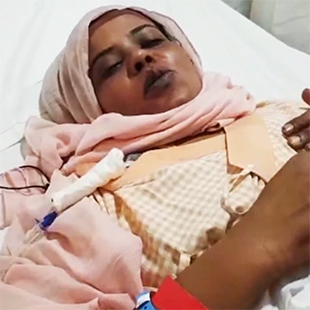
Patient Testimonial: Lobna from Sudan for Successful Open Craniotomy Surgery in India
Mrs. Lobna Salah Hassan
Mrs. Lobna Hasan from Sudan for Open Craniotomy Surgery in India

Lobna (from Sudan) was diagnosed with meningioma, a form of non-cancerous brain tumor. Her family members decided to take her…

Frequently Asked Questions

The cost of endoscopic spine surgery in India may vary depending on the spinal condition being treated, the location and number of affected levels, the type of endoscopic procedure, surgeon and hospital fees, anaesthesia, diagnostic investigations, and the duration of hospitalisation. The total cost may include pre-operative imaging and evaluation, surgery, medications, hospital or day-care charges, and post-operative follow-up.MediGence can help international patients compare suitable hospitals and obtain an estimated treatment plan based on their medical requirements.

The best hospitals for endoscopic spine surgery in India are those with experienced spine surgeons, specialised endoscopic spine surgery facilities, advanced imaging technologies, and comprehensive neurosurgical or orthopaedic spine care. International patients should also consider hospital accreditation, availability of modern operating rooms, intraoperative imaging, intensive care facilities, and post-operative rehabilitation services.

Patients should choose a qualified neurosurgeon or orthopaedic spine surgeon with specific experience in endoscopic spinal procedures. Important factors include the surgeon's qualifications, clinical experience, expertise in minimally invasive spine surgery, experience treating similar spinal conditions, hospital affiliation, and familiarity with the latest endoscopic techniques.Patients should also discuss whether an endoscopic approach is appropriate for their specific spinal condition and understand the expected benefits, limitations, risks, and alternative surgical options.

Endoscopic spine surgery can provide favourable outcomes in appropriately selected patients, particularly for conditions such as certain herniated discs and nerve compression. Outcomes depend on the underlying spinal condition, location and severity of compression, surgical technique, surgeon experience, patient selection, and overall health.Success is generally evaluated based on relief of back or leg pain, improvement in neurological symptoms, functional recovery, and return to daily activities rather than a single success rate.

Hospitals in India may use specialised spinal endoscopes, high-definition cameras, fluoroscopic or other intraoperative imaging, specialised endoscopic instruments, and minimally invasive access systems. Some centres may also use advanced navigation or image-guidance technologies for selected procedures.Depending on the patient's condition, endoscopic techniques may be used for procedures such as endoscopic discectomy, decompression of compressed nerves, removal of selected spinal lesions, or treatment of certain forms of spinal stenosis. The surgical approach may be performed through transforaminal or interlaminar access depending on the location of the pathology.

Although endoscopic spine surgery is minimally invasive, it still carries potential risks and complications, including:
  • Infection or bleeding
  • Nerve or spinal cord injury
  • Dural tear or cerebrospinal fluid leakage
  • Persistent or recurrent pain
  • Incomplete decompression of the affected nerve
  • Recurrent disc herniation
  • Damage to surrounding tissues
  • Spinal instability in selected cases
  • Anaesthesia-related complications
  • Need for additional or conventional spine surgery
  • The risk profile depends on the spinal condition, surgical level, procedure performed, and the patient's overall health.

    Before travelling, patients should undergo a detailed evaluation by a spine specialist and share relevant medical records with the treating hospital. These may include MRI or CT scans, X-rays, neurological examination reports, previous treatment records, and details of current medications.Patients should also inform the surgical team about previous spine surgeries, existing medical conditions, allergies, blood-thinning medications, and any history of neurological symptoms. The surgeon may recommend additional investigations to confirm that an endoscopic approach is suitable.

    Yes. International patients can schedule an online consultation with a spine surgeon before travelling to India. The specialist may review the patient's symptoms, medical history, MRI or CT scans, neurological findings, and previous treatments to determine whether endoscopic spine surgery is appropriate.The specialist can also explain the proposed procedure, expected recovery, possible risks, and alternative treatment options.MediGence can help patients coordinate online consultations and share relevant medical reports with suitable spine specialists.

    International patients should carry a valid passport and all relevant medical documents, including:
  • MRI or CT scans and reports of the spine
  • X-ray reports, when applicable
  • Neurological and spine specialist consultation records
  • Previous surgery and treatment records
  • Blood test and pre-operative investigation reports
  • Current prescriptions and medication details
  • Allergy and medical history records
  • Previous physiotherapy or rehabilitation records, if applicable
  • Patients should ideally carry both physical and digital copies of important medical records and imaging studies.

    The required stay in India depends on the type and complexity of the endoscopic procedure, the spinal level being treated, the patient's overall health, and post-operative recovery. Some minimally invasive endoscopic procedures may involve short hospital observation or same-day discharge, while others may require a longer stay.International patients may need to remain in India after discharge for a follow-up consultation, wound assessment, and confirmation that they are medically fit to travel. The treating surgeon can provide a more specific recommendation based on the individual case.

    Recovery after endoscopic spine surgery is often shorter than after some conventional open spine procedures, although recovery varies according to the condition treated and the extent of surgery. Patients may gradually resume light activities soon after surgery, while strenuous activity and heavy lifting may be restricted during the early recovery period.Pain and neurological symptoms may improve gradually after nerve decompression. Physiotherapy may be recommended for selected patients to improve mobility, strength, posture, and spinal function. The treating surgeon will provide individualised instructions regarding activity, wound care, rehabilitation, and follow-up.

    If complications occur after endoscopic spine surgery, patients should promptly contact the treating surgeon or hospital for evaluation. Management depends on the nature and severity of the complication and may include medications, wound care, additional imaging, physiotherapy, or further surgery.Patients should seek urgent medical attention for new or worsening weakness or numbness, severe or increasing pain, difficulty walking, loss of bladder or bowel control, fever, wound discharge, significant bleeding, or other sudden neurological changes.International patients should maintain communication with their treating hospital after returning home and coordinate follow-up care with their local healthcare provider when required.

    International patients can begin their treatment journey through the MediGence website by submitting their medical details and relevant reports. After reviewing the case, the MediGence care team can help patients identify suitable hospitals and spine specialists, arrange consultations, coordinate treatment planning, and support their medical travel journey.The final treatment recommendation is made by the treating spine surgeon after a detailed clinical evaluation and review of the patient's imaging and medical history.

    International patients may choose India for access to experienced spine surgeons, specialised minimally invasive spine surgery facilities, advanced endoscopic equipment, modern imaging technologies, and comprehensive post-operative care.Patients should evaluate the destination based on the surgeon's specific experience with endoscopic procedures, hospital infrastructure, availability of appropriate technology, patient safety standards, and access to rehabilitation and follow-up services.

    Treatment options depend on the underlying spinal condition, severity of symptoms, location of the pathology, and the patient's overall health. Depending on the clinical assessment, options may include conservative treatment with medications and physiotherapy, endoscopic discectomy, endoscopic spinal decompression, minimally invasive spine surgery, or conventional open surgery when an endoscopic approach is not appropriate.Endoscopic procedures may be used to remove a herniated disc fragment or decompress a nerve through a small access point. The spine surgeon will recommend the most appropriate technique based on MRI or CT findings, symptoms, neurological examination, and individual treatment requirements.

    International patients may choose India for its experienced spine specialists, minimally invasive spine surgery facilities, advanced endoscopic technologies, and access to comprehensive neurological and orthopaedic care.MediGence can assist international patients with hospital and specialist selection, medical report review, online consultation scheduling, treatment coordination, and travel-related support. The final choice should be based on the patient's clinical requirements, the surgeon's experience with endoscopic spine procedures, hospital infrastructure, suitability of the proposed surgical technique, and the quality of post-operative care provided.

    Not Sure About Your Treatment Plan? Get a Free Second Opinion

    Have your reports reviewed by independent oncology experts to help you make a confident treatment decision, all online within 48 hours.

    Upload Your Reports
    Free second opinion on your CAR-T plan