Your Notifications
All done, no notifications

Cochlear Implant Cost in South Africa

USD 2000 - USD 35000

Affordable World-class Treatment - Accredited Hospitals - Free Treatment Plan in 24 Hrs

1
Days in Hospital
2-4 hrs
Procedure Time
85 - 95%
Success Rate
Cochlear Implant: Cost, Procedure and Clinics | MediGence
JCI/ISO 100,000+ Patients 24X7 Coordinator Visa & Travel handled
Your all-in-one medical travel platform for treatment, recovery & care.

Get Your Personalised Treatment Plan in Just 24 Hours.

Share your details to receive a personalised treatment plan, estimated costs, hospital recommendations, and expert guidance, “completely free.”

Required | alphabets and spaces
Required | A valid, working email address
Required | A valid contact
Connect with an Expert

Your information is protected with HIPAA-compliant security standards. We only share your details with hospitals after your consent.

Estimated Treatment Cost
USD 2000 - USD 35000
All-inclusive • Hospital + Medications + Recovery Assistance + Dedicated Care Coordinator

International Quality. Affordable Care.

How Much Does Cochlear Implant Cost in South Africa?

The cost of Cochlear Implant in South Africa is USD 30000 - USD 50000

However, the final cost varies depending on the type of cochlear implant system used, whether one or both ears require implantation, the surgeon's expertise, the hospital or clinic selected, and the patient's individual medical needs.

Additional expenses such as pre-operative consultations, diagnostic tests, anaesthesia, hospital stay, device activation and programming (mapping), auditory rehabilitation, speech and language therapy, and follow-up appointments may also influence the total treatment cost.

Factors Influencing the Cost of Cochlear Implant:

  • Type of Cochlear Implant System: The cost varies depending on the implant manufacturer and model, such as Cochlear™, MED-EL, or Advanced Bionics, and the features offered by the device.
  • Hospital or Clinic: Private hospitals and specialist ENT centres in major cities generally charge higher fees due to advanced facilities and specialised services.
  • Surgeon's Expertise: Experienced ENT (otolaryngology) surgeons specialising in cochlear implantation typically charge higher professional fees.
  • Pre-operative Assessment: A comprehensive evaluation, including audiological assessments, CT and/or MRI scans, blood tests, medical examination, and speech and language assessment, contributes to the overall treatment cost.
  • Surgery and Hospital Charges: The total cost includes anaesthesia, operating theatre charges, cochlear implant surgery, and hospitalisation.
  • Post-operative Care: Device activation, programming (mapping), auditory rehabilitation, speech and language therapy, medications, and follow-up appointments are essential parts of treatment and contribute to the total cost.
  • Hospital Stay: Most patients require a 1-2-day hospital stay after surgery, although longer stays may be necessary for young children or patients with additional medical conditions.

What's included in your Cochlear Implant quote?

Cochlear Implant
Surgical implantation of an electronic hearing device to restore hearing in severe hearing loss
ENT specialist consultation
Pre--surgery evaluation, treatment planning, and follow-up consultations
Hospital stay & supportive care
Surgery, anesthesia, nursing care, and recovery monitoring
Follow-up monitoring
Device activation, hearing assessment, and speech rehabilitation sessions
Visa & medical-visa invite letter
Airport pickup & transfers

Cost of Cochlear Implant in Major Cities of South Africa

CityCost (USD)
Cape Town $30,000 – $50,000 Explore More
Durban $30,000 – $50,000 Explore More
Johannesburg $30,000 – $50,000 Explore More

Cochlear Implant - South Africa Vs the World

$0 - $0
$5k - $30k
$6k - $36k
$8k - $15k
$15k - $40k
$15k - $30k
$19k - $25k
$19k - $20k
$20k - $30k
$25k - $50k
$28k - $48k
$30k - $70k
$30k - $50k
Dr. Vihan Gautam
Author

BPT, MS in Healthcare Mgmt

4 Years of Experience

Dr. Vihan Gautam is a distinguished Rehabilitation Specialist and Healthcare Management Professional, holding a Bachelor of Physiotherapy (BPT) from Rajiv Gandhi University of Health Sciences and a Master of Science in Healthcare Management (MSc) from the prestigious University of London, United Kingdom. With specialized clinical experience and his advanced medical knowledge in neuro-rehabilitation, musculoskeletal disorders, and evidence-based physiotherapy practices, enables him to develop patient-centered rehabilitation protocols and AI-driven care models that deliver measurable functional recovery outcomes. His diverse contributions across international rehabilitation programs, multidisciplinary care, and AI-driven healthcare initiatives uniquely position him as an emerging leader in neuro-rehabilitative care globally.
View More
Dr Sameer Sethi
Reviewer

Otolaryngologist

22 Years of Experience

Last Reviewed - June 2026

Dr. Sethi has worked as a Senior Consultant, ENT/Otorhinolaryngology at Fortis Hospital, Shalimar Bagh Currently he is a member of the Medical Council of India (MCI), Delhi Medical Council and Association of Otolaryngologists of India (AOI).
View More

Need Help Choosing the Right Treatment? Talk to a Medical Advisor

Our dedicated Medical Patient Advisors are here to answer your questions, help you compare treatment options, estimate costs, and guide you through every step of your healthcare journey.

15 min
Average response time

Serving Patients Worldwide in Multiple Languages.

A “cochlear implant” is a sophisticated electronic device designed to enhance hearing abilities, especially for individuals experiencing severe hearing loss due to inner ear damage who may not benefit significantly from traditional hearing aids.

Cochlear implants are recommended for individuals experiencing total deafness or partial hearing loss in one or both ears. These devices serve to circumvent the standard auditory process, allowing individuals to perceive external sounds despite inner-ear impairment.

A standard cochlear implant comprises two main components:

  • Stimulator: Surgically implanted beneath the skin, the receiver-stimulator component is responsible for directly stimulating the auditory nerve. Through this stimulation, signals are transmitted to the brain, enabling the perception of sound.
  • Processor: Positioned behind the ear, similar to a traditional hearing aid albeit slightly larger, the processor plays a crucial role in processing ambient sounds and speech.
Explore Hospitals ( 3 )

Cape Town, South Africa

212+ Beds · 210+ Procedures
Starting
USD 20000

Johannesburg, South Africa

254+ Beds · 191+ Procedures
COHSASA ISQua
Starting
USD 2500

Durban, South Africa

4.9 - 1 review · 353+ Beds · 188+ Procedures
Starting
USD 2000

Get Your Cochlear Implant
Plan in 24 hrs.

Our experienced Medical Patient Advisors have supported 100,000+ patients across 120+ countries with personalised treatment plans, hospital recommendations, cost estimates, and travel assistance, all free.

HIPAA-Compliant Data SecurityShared Only with Your Consent

Free Consultation No Obligation Personalized Treatment Plan Response Within 24 Hours

Required | alphabets and spaces
Required | A valid, working email address
Required | A valid contact

Your medical info is kept HIPAA-style confidential. We never share with hospitals without your consent.

Process Involved for Cochlear Implant in South Africa

  • Unilateral Cochlear Implant (Implantation in one ear)
  • Bilateral Cochlear Implant (Implants in both ears).
  • Hybrid Cochlear Implant (For partial hearing loss).
  • Profound or severe hearing loss in one or both ears.
  • There is minimal benefit from the adequate use of traditional hearing aids.
  • The auditory system is functional and capable of transmitting sound signals through normal neural pathways.
  • The minimum age of 12 months for pediatric implantation.
  • Free from any medical contraindication for surgery.
  • Willingness and motivation to engage in rehabilitation following implant placement.
  • Hearing Aid Trial
  • Audiological & Speech Therapy
  • Mastoidectomy
  • Electro-Acoustic Stimulation (EAS)
  • It restores the capacity to hear and recognise speech.
  • It is the basis of speaking and interaction within society.
  • Sound awareness-localization improves.
  • Less reliance on lip-reading and sign language.
  • Improved quality of life, especially for children being implanted early.
  • ENT Specialist
  • Audiologist
  • Neurotologist
  • Rehabilitation Specialist
  • Fill out the inquiry form: Fill out the form to provide us with the relevant information about your condition.
  • Consult with Our Healthcare Expert: One of our qualified specialists will contact you for a consultation.
  • Receive a Detailed Treatment Plan: After examining your situation, we will provide you with a detailed treatment plan that includes expert views and cost breakdowns for various choices.
  • Choose your preferred option: Choose the treatment option that suits you the best.
Jenny Wilson
Your Dedicated Medical Patient Advisor
Treatment planning • Hospital coordination • Multilingual support • Response within 15 minutes.
Our Services to Better your Experience

Opinion & Option

We submit the most accurate opinion and options from one or more countries for your review

Consult Privately

Consult with a certified specialist privately on our telemedicine platform even before you decide to travel

Logistics

We handle flights, visas, transfers, and accommodation—so you can focus on your health.

Recovery

Our In-house rehabilitation service packages to better your recovery and treatment outcome

Patient Stories

Samantha Basille
Samantha Basille
Samantha Basille Underwent Cochlear Implant Surgery in Artemis Hospital, Gurgaon, India

Frequently Asked Questions

The cost of a cochlear implant in South Africa is USD 30000 - 50000, which depends on the type and brand of implant, the surgeon's expertise, the hospital or implant centre, pre-operative hearing assessments, surgery, anaesthesia, device programming, and rehabilitation. The overall expense may also include consultations, diagnostic tests, hospital stay, speech and auditory therapy, and follow-up programming. A personalised estimate is usually provided after evaluating the patient's hearing loss and implant suitability.

Some of the best hospitals in South Africa for cochlear implants include:
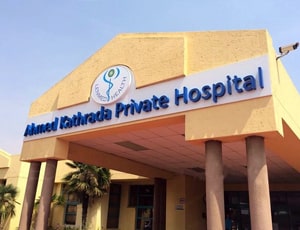
  • Lenmed Ahmed Kathrada Private Hospital
  • Lenmed Ethekwini Hospital and Heart Centre
  • Life Kingsbury Hospital
  • Choose an experienced otologist, neurotologist, or ENT surgeon who regularly performs cochlear implant surgery. Consider the doctor's qualifications, experience with the patient's age group and type of hearing loss, surgical outcomes, access to audiology services, and experience with the selected implant system. A strong cochlear implant programme should also include audiologists, speech-language specialists, and rehabilitation professionals.

    Cochlear implantation is generally an effective treatment with success rates such as , for patients with severe-to-profound sensorineural hearing loss, but there is no single success-rate figure. Outcomes depend on factors such as age at implantation, duration of hearing loss, underlying cause, auditory nerve function, previous hearing experience, and participation in rehabilitation. Many recipients experience substantial improvements in sound awareness and speech understanding.

    Cochlear implants are generally considered for people with severe-to-profound sensorineural hearing loss who receive limited benefit from appropriately fitted hearing aids. Candidacy is assessed using hearing tests, speech perception testing, medical evaluation, imaging, and other factors. Children and adults may both be candidates, depending on their individual circumstances.

    Yes. Cochlear implant surgery is typically performed under general anaesthesia. The surgeon makes an incision behind the ear and places the internal implant component under the skin, with an electrode carefully positioned within the cochlea. The exact surgical approach depends on the patient's anatomy and the implant system being used.

    The external sound processor is generally activated after the surgical site has healed, often several weeks after implantation. During the first activation, the audiologist programs the device and gradually adjusts the electrical stimulation according to the patient's responses. Several programming sessions may be needed to optimise hearing.

    Adjustment varies considerably between patients. Some recipients notice environmental sounds soon after activation, while understanding speech may take longer. Auditory rehabilitation, regular device programming, consistent processor use, and the patient's previous hearing experience can influence progress. Children who receive implants early may have different rehabilitation needs from adults who have had hearing loss for many years.

    A cochlear implant does not restore natural hearing. Instead, it bypasses damaged parts of the inner ear and directly stimulates the auditory nerve with electrical signals. Many suitable recipients achieve meaningful improvements in sound awareness and speech understanding, but outcomes vary, and rehabilitation is an important part of treatment.

    Modern cochlear implant programmes may use high-resolution hearing assessments, imaging such as CT or MRI, computer-assisted surgical planning, microsurgical techniques, and advanced implant systems. The implant consists of an internal component placed surgically and an external sound processor. After healing, the processor is programmed and progressively adjusted according to the patient's hearing responses.

    Potential complications include infection, bleeding, dizziness, temporary changes in taste, tinnitus, facial nerve injury, device-related problems, cerebrospinal fluid leakage, and failure or displacement of the implant. Serious complications are uncommon, but risks vary according to the patient's anatomy and medical condition. The surgeon should discuss procedure-specific risks during the pre-operative evaluation.

    Before travelling, patients should collect previous hearing tests, audiograms, hearing-aid records, medical reports, imaging, and details of previous ear surgeries or treatments. The implant team may require additional hearing and imaging assessments before confirming candidacy. Patients should also discuss medications, allergies, medical conditions, and any previous complications with the treating team.

    Yes. International patients can often arrange an online consultation with a cochlear implant specialist before travelling. The specialist can review audiograms, hearing-aid history, medical records, and imaging to assess preliminary suitability. Additional in-person testing is usually required before surgery to confirm candidacy, select the implant, and develop the treatment plan.

    International patients should generally bring:
  • Passport and travel documents
  • Recent audiograms and hearing-test reports
  • Hearing-aid usage records
  • ENT or otology consultation reports
  • CT or MRI scans, if available
  • Previous ear surgery records
  • Medical history and medication list
  • Allergy information
  • Previous treatment records
  • The stay depends on the hospital's protocol, the patient's condition, and the need for pre-operative testing and follow-up. Cochlear implant surgery itself is generally completed within a few hours and may require a short hospital stay. International patients should allow additional time for pre-operative evaluation, wound review, and post-operative assessment. Activation and programming are usually performed after the surgical site has healed, so some patients may need to return later or continue follow-up remotely.

    The surgical wound generally requires several weeks to heal before the external sound processor is activated. Mild pain, swelling, or dizziness may occur shortly after surgery and usually improves during recovery. Hearing rehabilitation begins after activation and can continue for months or longer as the brain learns to interpret the new electrical signals.

    If infection, severe dizziness, wound problems, facial weakness, persistent pain, or device-related concerns occur, the patient should contact the implant team promptly. Treatment may involve medicines, observation, additional investigations, or further intervention depending on the problem. International patients should have a clear post-operative contact and follow-up plan before returning home.

    International patients can begin by submitting their audiograms, hearing-aid history, medical records, imaging, and previous ENT reports for specialist review through the MediGence. After evaluating the case, the cochlear implant team can recommend further tests, confirm preliminary eligibility, and provide a treatment plan and cost estimate. Once approved, surgery, hospital appointments, accommodation, transportation, and follow-up can be coordinated.

    South Africa may offer access to experienced ENT and otology specialists, multidisciplinary cochlear implant teams, advanced hearing diagnostics, modern implant technology, and structured auditory rehabilitation. International patients may also benefit from coordinated medical-travel services and potentially competitive treatment costs. The decision should be based on the implant centre's expertise, surgical experience, rehabilitation facilities, and suitability for the patient's specific hearing condition.

    Treatment options depend on the degree and cause of hearing loss. Patients may undergo unilateral or bilateral cochlear implantation, depending on clinical suitability. Some patients may receive sequential bilateral implants, while others may use a cochlear implant in one ear and a hearing aid in the other. The process generally includes candidacy assessment, implant surgery, device activation, programming, and auditory rehabilitation.

    Not Sure About Your Treatment Plan? Get a Free Second Opinion

    Have your reports reviewed by independent oncology experts to help you make a confident treatment decision, all online within 48 hours.

    Upload Your Reports
    Free second opinion on your CAR-T plan