Your Notifications
All done, no notifications

Transcatheter Aortic Valve Implantation Cost in India

USD 22000 - USD 32000

Affordable World-class Treatment - Accredited Hospitals - Free Treatment Plan in 24 Hrs

2
Days in Hospital
1-2 hrs
Procedure Time
95 - 98%
Success Rate
Transcatheter Aortic Valve Implantation
JCI/ISO 100,000+ Patients 24X7 Coordinator Visa & Travel handled
Your all-in-one medical travel platform for treatment, recovery & care.

Get Your Personalised Treatment Plan in Just 24 Hours.

Share your details to receive a personalised treatment plan, estimated costs, hospital recommendations, and expert guidance, “completely free.”

Required | alphabets and spaces
Required | A valid, working email address
Required | A valid contact
Connect with an Expert

Your information is protected with HIPAA-compliant security standards. We only share your details with hospitals after your consent.

Estimated Treatment Cost
USD 22000 - USD 32000
All-inclusive • Hospital + Medications + Recovery Assistance + Dedicated Care Coordinator

International Quality. Affordable Care.

How Much Does Transcatheter Aortic Valve Implantation (TAVI) Cost in India?

The cost of Transcatheter Aortic Valve Implantation (TAVI) in India ranges between USD 22000 - USD 32000, depending on the patient’s condition. TAVI is a minimally invasive procedure used to replace a narrowed aortic valve that fails to open properly. Patients undergoing TAVI often experience symptoms like breathlessness, fatigue, and chest pain.

The cost of TAVI depends on various factors such as the patient’s age, severity of the condition, type of valve used, and the hospital chosen. It is advisable to discuss cost options with your healthcare provider before planning the procedure.

Factors Influencing the Cost of Transcatheter Aortic Valve Implantation (TAVI) in India

Factors Influencing the Cost of TAVI

  • Age of the Patient: Elderly patients may require additional care and post-operative support, increasing the cost.
  • Severity of Condition: Patients with severe aortic stenosis or comorbidities may need advanced interventions, raising expenses.
  • Pre-Operative Evaluations: Additional diagnostic tests are required for patients with cardiovascular diseases, diabetes, or hypertension.
  • Hospital and Location: Choice of hospital, city, and associated logistics play a crucial role in determining cost.
  • Type of Valve Used: Mechanical valves last longer but are more expensive, whereas biological valves are relatively cheaper.
  • Additional Costs: Medications, post-operative care, and follow-up consultations add to the overall cost of treatment.

What's included in your Transcatheter Aortic Valve Implantation quote?

Comprehensive evaluation
ECG, Echocardiogram, CT angiography, Coronary angiography, blood tests, and anesthesia assessment
Heart Specialists Team
Transcatheter implantation of a bioprosthetic aortic valve using a minimally invasive approach
Hospital stay + ICU as needed
ICU monitoring, cardiac observation, and pain management
Country stay monitoring
Lifestyle counselling, medication management, supervised rehabilitation, and recovery planning
Visa & medical-visa invite letter
Airport pickup & transfers

Cost of Transcatheter Aortic Valve Implantation in Major Cities of India

City Cost (USD)
Ahmedabad $19,800 – $28,800 Explore More
Bangalore $22,000 – $32,000 Explore More
Chennai $22,000 – $32,000 Explore More
Delhi $22,000 – $32,000 Explore More
Faridabad $22,000 – $32,000 Explore More
Ghaziabad $22,000 – $32,000 Explore More
Gurgaon $22,000 – $32,000 Explore More
Gurugram $22,000 – $32,000 Explore More
Hyderabad $22,000 – $32,000 Explore More
Kochi $22,000 – $32,000 Explore More
Kolkata $22,000 – $32,000 Explore More
Mohali $19,800 – $28,800 Explore More
Mumbai $22,000 – $32,000 Explore More
Noida $22,000 – $32,000 Explore More
Panjim $19,800 – $28,800 Explore More

Transcatheter Aortic Valve Implantation - India Vs the World

$22k - $32k
$25k - $45k
$30k - $50k
$30k - $55k
$35k - $65k
$40k - $70k
$40k - $70k
$45k - $65k
$45k - $75k
$50k - $85k
$55k - $90k

Find the Right Destination for Your Transcatheter Aortic Valve Implantation Journey

Tanya Bose
Author

MSc Biotechnology

4 Years of Experience

Last Reviewed - June 2026

Tanya Bose is a medical content specialist with a strong medical background. She has completed her Bachelor's and Master’s in Biotechnology from Amity University. With a deep understanding of biomedical sciences and research, she develops authoritative and patient-focused medical content covering treatments, surgical procedures, and healthcare innovations. Her writing emphasizes accuracy, clarity, and evidence-based information to help readers better understand complex medical topics. She is dedicated to improving patient awareness and supporting informed healthcare decisions by delivering trustworthy medical insights in a clear and accessible format.
View More
Dr. Naresh Kumar Goyal
Reviewer

Cardiologist

21 Years of Experience

Last Reviewed - June 2026

Dr. Naresh Kumar Goyal is highly trained as a cardiologist with exposure in virtually all aspects of cardiology. He qualified with an MD in internal medicine in 1999 from SMS Medical College, Jaipur, and served in the Cardiology Department as an honorary resident. From this stage, he also started with training in the temporary pacing of the pacemaker as well as interventional services.
View More

Need Help Choosing the Right Treatment? Talk to a Medical Advisor

Our dedicated Medical Patient Advisors are here to answer your questions, help you compare treatment options, estimate costs, and guide you through every step of your healthcare journey.

15 min
Average response time

Serving Patients Worldwide in Multiple Languages.

TAVI is a minimally invasive cardiac procedure used to replace a stenotic aortic valve. Instead of open-heart surgery, a catheter-based technique is used, making it a safer alternative for high-risk patients. It is particularly beneficial for elderly patients or those who cannot undergo traditional surgery.

TAVI is performed through a catheter inserted in a blood vessel (usually through the groin or chest). The new valve is delivered to the aortic position and deployed to restore normal blood flow. This procedure offers significant symptomatic relief and improves heart function.

The purpose of TAVI is to treat severe aortic stenosis, a condition in which the aortic valve narrows and prevents blood from flowing from the heart to the body. Untreated heart failure, exhaustion, chest pain, or even abrupt cardiac death may result. Particularly for older patients or those with a high surgical risk, TAVI provides a less invasive option to open heart surgery. TAVI restores normal blood flow, strengthens the heart, and improves quality of life by replacing the constricted valve.

Consult a cardiologist if you experience shortness of breath, chest tightness, light-headedness, fainting spells, or reduced ability to exercise\u2014all common symptoms of aortic stenosis. Elderly individuals or those with known valve disease should undergo regular echocardiograms to monitor valve function. Early referral is crucial once severe narrowing is diagnosed, especially in symptomatic cases.

Pre-procedure preparation involves echocardiography, CT angiography, ECG, and blood tests to evaluate heart anatomy, valve severity, and vascular access. A multidisciplinary \u201cheart team\u201d assesses patient suitability. Medications may need adjustment, and patients are generally advised to fast for 6\u20138 hours before the surgery. Antiplatelet or anticoagulant medications are reviewed, and preoperative counselling is provided to explain risks and expectations.

TAVI is performed under local anaesthesia with sedation or general anaesthesia:

  • Access Route: The most popular method is transfemoral, which entails putting a catheter into the groin's femoral artery. Depending on anatomy, additional access points can be transapical (through the chest wall) or transaortic (via a little incision in the upper chest).
  • Valve Replacement: A bioprosthetic valve is mounted on a balloon or self-expanding stent and delivered via catheter to the diseased aortic valve. Once positioned, it is expanded to push aside the native valve and take over its function.

TAVI typically takes 1 to 2 hours. Most patients are monitored in a cardiac ICU for 24\u201348 hours, and the average hospital stay is 2 to 5 days, depending on recovery and underlying health.

  • Vascular injury
  • Stroke
  • Bleeding
  • Arrhythmias or need for pacemaker
  • Valve leakage (paravalvular leak)
  • Kidney dysfunction
  • Infection
  • Rarely, valve malposition or failure

  • Significant improvement in symptoms and daily functioning
  • Lower procedural risk compared to open-heart surgery
  • Shorter hospital stay and faster recovery
  • Increased survival in high-risk and elderly patients
  • Minimally invasive\u2014no need for open chest incision

Recovery is generally fast, especially with transfemoral access. Patients may walk within a day and resume light activity in a few days. Regular follow-up visits and echocardiograms are needed to monitor valve function. Lifestyle changes, cardiac rehabilitation, and medication adjustments are often recommended to optimise heart health.

TAVI has a success rate of 95\u201398% in appropriately selected patients. It significantly reduces mortality and rehospitalisation rates in severe aortic stenosis. Most patients report a dramatic improvement in symptoms and return to independent living, especially when performed early in the course of the disease.

95-98%

5-year survival in low- to intermediate-risk patients

2-4 days

Typical hospital stay

1-2 Months

Typical recovery period before resuming most daily activities
Explore Hospitals ( 56 )

Delhi, India

5.0 - 1 review · 650+ Beds · 302+ Procedures
JCI NABH

Gurgaon, India

3.3 - 4 reviews · 750+ Beds · 307+ Procedures
JCI NABH

Gurgaon, India

3.4 - 1 review · 1250+ Beds · 281+ Procedures
JCI NABH

Mumbai, India

450+ Beds · 291+ Procedures
JCI

Ghaziabad, India

4.9 - 1 review · 370+ Beds · 277+ Procedures
NABL NABH

Gurgaon, India

104+ Beds · 272+ Procedures
ISO NABH NABL

Delhi, India

310+ Beds · 126+ Procedures
NABL

Delhi, India

4.4 - 5 reviews · 710+ Beds · 304+ Procedures
JCI

Hyderabad, India

550+ Beds · 281+ Procedures
JCI

Hyderabad, India

435+ Beds · 249+ Procedures
NABH NABL

Get Your Transcatheter Aortic Valve Implantation
Plan in 24 hrs.

Our experienced Medical Patient Advisors have supported 100,000+ patients across 120+ countries with personalised treatment plans, hospital recommendations, cost estimates, and travel assistance, all free.

HIPAA-Compliant Data SecurityShared Only with Your Consent

Free Consultation No Obligation Personalized Treatment Plan Response Within 24 Hours

Required | alphabets and spaces
Required | A valid, working email address
Required | A valid contact

Your medical info is kept HIPAA-style confidential. We never share with hospitals without your consent.

Jenny Wilson
Your Dedicated Medical Patient Advisor
Treatment planning • Hospital coordination • Multilingual support • Response within 15 minutes.
Our Services to Better your Experience

Opinion & Option

We submit the most accurate opinion and options from one or more countries for your review

Consult Privately

Consult with a certified specialist privately on our telemedicine platform even before you decide to travel

Logistics

We handle flights, visas, transfers, and accommodation—so you can focus on your health.

Recovery

Our In-house rehabilitation service packages to better your recovery and treatment outcome

Patient Stories

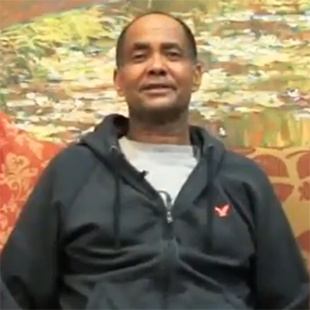
Mr Hailu Kassa : CABG Surgery
Mr Hailu Kassa
Mr Hailu Kassa : CABG Surgery

Mr. Hailu Kassa underwent Coronary Artery Bypass Surgery in Vejthani Hospital, Thailand under the supervision of Dr. Piya, Cardio-Thoracic Surgeon

Rod Schaubroeck
Rod Schaubroeck
Rod Schaubroeck : Double Valve Replacement

Patient Testimonial: Rod Schaubroeck from United States (U.S.A) underwent heart valve replacement at Fortis Hospital, India

Frequently Asked Questions

TAVI is ideal for:

  • Elderly patients with severe aortic stenosis.
  • Patients unable to undergo open-heart surgery due to high surgical risk.
  • Those experiencing symptoms despite medical therapy.

The longevity of the TAVI valve depends on the patient’s health and the type of valve used. On average, a biological valve lasts between 10-15 years. Mechanical valves can last for life long depending on the patient's condition. Discuss with your healthcare provider for same.

Though TAVI is less invasive, it carries certain risks:

  • Bleeding and infection
  • Blood clots leading to stroke
  • Irregular heart rhythms
  • Valve leakage or malfunction

TAVI has a high success rate of over 90% in India, with significant improvement in patients’ quality of life and longevity.

India has top-tier hospitals specializing in cardiac interventions. Some reputed centers include:

  • Apollo Hospitals
  • Fortis Escorts Heart Institute
  • Narayana Health
  • Manipal Hospitals

  • Expertise: India has some of the best interventional cardiologists.
  • Affordability: TAVI in India is significantly cheaper than in Western countries.
  • High Success Rate: Advanced technology and experienced professionals ensure excellent outcomes.

It is a non-invasive procedure used for patients with a diseased aortic valve. An aortic valve is replaced with a new one using a catheter. Here's what you can expect after a TAVI :

  • Relief from the symptoms like chest pain, shortness of breath and fainting.
  • Improved blood circulation to the vitals organs leading to better quality of life.
  • Relief from swelling in various parts, especially the lower extremities.
  • Reduced risk of heart failure and syncope.

Not Sure About Your Treatment Plan? Get a Free Second Opinion

Have your reports reviewed by independent oncology experts to help you make a confident treatment decision, all online within 48 hours.

Upload Your Reports
Free second opinion on your CAR-T plan